Savanna Woods — Verified Manufacturer & Wholesale Supplier
About Savanna Woods - Timber Supplier in Cameroon
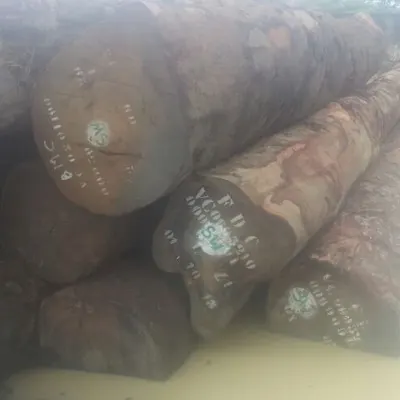
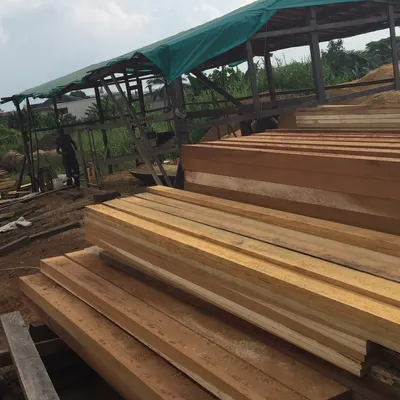
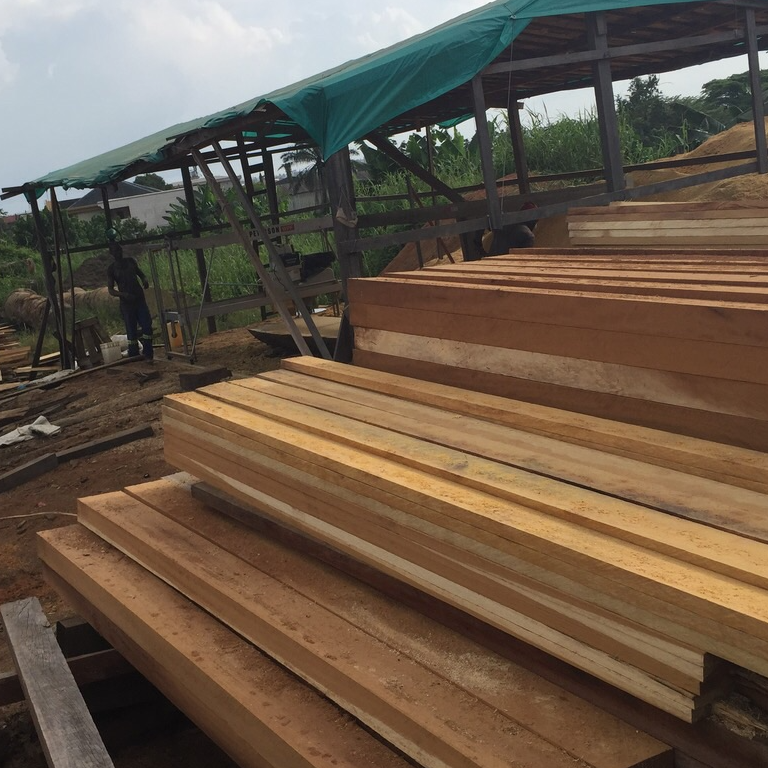
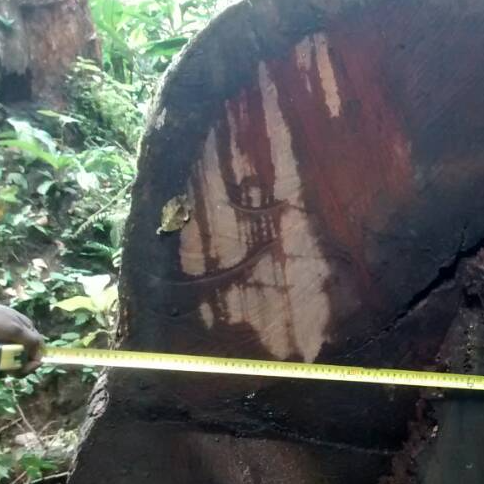
Savanna Woods operates in the Centre region of Cameroon and currently lists five timber products in its catalogue. The listed items are Iroko (sawn timber), Sapelli (sawn wood, HS code 4407.29), Padouk (sawn wood, HS code 4407.29), Tali (logs) and a mixed entry for Doussie, Azobe and Iroko described as tropical wood. All products are classified as exotic tropical hardwoods and are offered in both log and sawn forms for export. The company’s profile states it explores, exploits and exports more than 32 species of hardwood, indicating a broad botanical base beyond the five catalogue entries.
In addition to the timber line, the supplier’s top‑category list mentions agricultural and construction items such as Guava, Kiwi, Ashwagandha, Asafoetida, Brazil Nuts, Jasmine Rice, Blocks, Tiles & Slabs and Concrete Blocks. These entries suggest the company may handle diversified commodities, but the active timber products remain the core of its export portfolio.
Product Range and Specialties of Savanna Woods
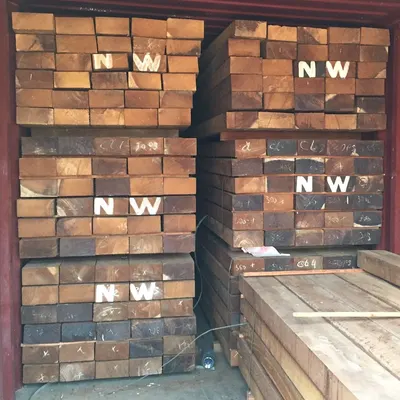
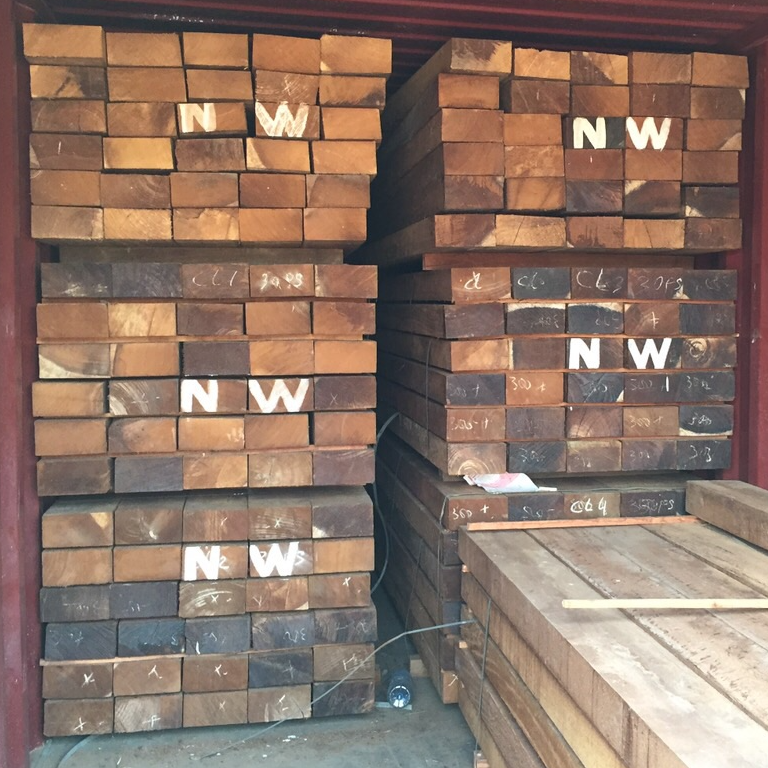
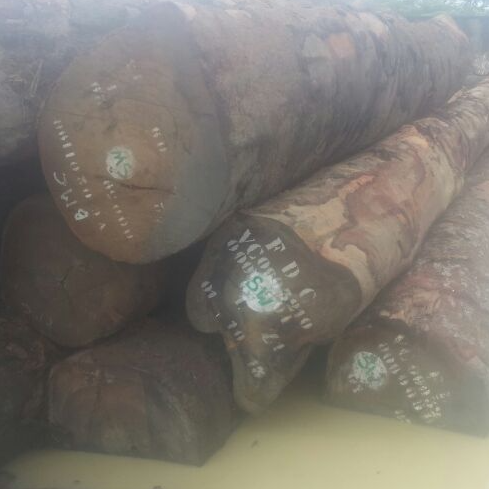
The timber catalogue includes Iroko, Sapelli and Padouk supplied as sawn wood, while Tali is offered as round logs. In the hardwood market, Iroko is typically graded to Class A with a moisture content of 8‑12 % and dimensions of 2.44 m × 150 mm × 50 mm for structural use. Sapelli and Padouk are commonly exported under HS 4407.29 and meet ISO 13061 specifications for strength class and dimensional tolerances. Standard packaging for sawn timber involves 1 m³ bundles wrapped in breathable film, which can fill a 20‑ft container with approximately 25 m³ of product. Logs such as Tali are usually shipped in bulk, banded in 2 m lengths and protected with kiln‑drying or heat‑treatment to meet phytosanitary standards.
Trade and Export Information - Savanna Woods
Cameroon’s tropical hardwood sector primarily supplies Europe, North America and parts of Asia, where furniture, flooring and high‑end construction projects demand species like Iroko and Padouk. HS code 4407.29 covers sawn tropical wood not elsewhere specified and is subject to phytosanitary certificates, as well as optional sustainability certifications such as FSC or PEFC, which many importers request. Export logistics typically use 20‑ft or 40‑ft containers with moisture‑controlled packaging, and shipments may be declared under Incoterms CIF or FOB from the port of Douala. Cameroon’s export regulations require a forest‑origin permit and a treatment certificate under ISPM 15 for wood packaging material. Buyers often verify that the timber complies with the European Union Timber Regulation (EUTR) to avoid illegal‑logging risks.
Sourcing from Savanna Woods - Buyer Guidance
When sourcing timber from Savanna Woods, buyers should request a mill test report that details species identification, moisture content, density and mechanical strength class. A phytosanitary certificate confirming ISPM 15 treatment and a copy of any FSC or PEFC audit, if available, are standard documents to verify compliance with major import markets. Verify the dimensions and bundling method against the buyer’s packaging specifications, and request a sample board to assess colour, grain pattern and finish suitability before confirming a full order.
Frequently Asked Questions About Savanna Woods
What hardwood species does Savanna Woods list in its catalogue?
The catalogue lists Iroko (sawn timber), Sapelli (sawn wood, HS 4407.29), Padouk (sawn wood, HS 4407.29), Tali (logs) and a mixed entry for Doussie, Azobe and Iroko as tropical wood.
Which HS codes apply to the sawn wood products?
Both Sapelli and Padouk are classified under HS code 4407.29, which covers other sawn or chipped tropical wood not specified elsewhere.
What standard certifications are typically required for Cameroonian hardwood exports?
Importers usually request phytosanitary certificates, ISPM 15 treatment proof for wood packaging, and, where applicable, sustainability certifications such as FSC or PEFC. Compliance with the EU Timber Regulation is also commonly verified.
How is the timber usually packaged for shipment?
Sawn timber is commonly bundled in 1 m³ packs wrapped in breathable film, while logs are banded in 2 m lengths and may be heat‑treated. A 20‑ft container can hold roughly 25 m³ of bundled sawn wood.
What documentation should a buyer ask for before placing an order?
Buyers should ask for a mill test report, phytosanitary certificate, ISPM 15 treatment certificate, and any available FSC/PEFC audit reports. These documents confirm species, moisture content, treatment and sustainability compliance.
What are typical lead times for hardwood shipments from Cameroon?
Lead times depend on log harvesting, sawing and treatment processes, but exporters often quote 4‑6 weeks from order confirmation to container loading, assuming required certifications are in place.
Which markets most frequently import Cameroonian hardwoods?
European countries, the United States and Asian markets such as China and Japan are the main import destinations for Cameroonian exotic hardwoods used in furniture, flooring and high‑end construction.
Are there minimum order quantities for the listed timber products?
Exporters generally set a minimum volume based on container capacity; for sawn wood this often translates to at least one 20‑ft container (approximately 25 m³) or an equivalent weight of logs.





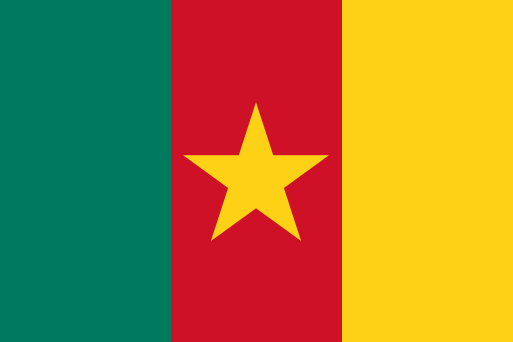 , Cameroon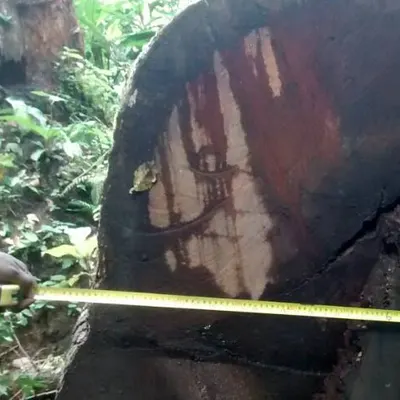





.jpg.png)