Saint Firstman Group — Supplier
About Saint Firstman Group - Construction Materials Supplier in China
Saint Firstman Group is based in China and currently lists five active products. The catalogue covers construction‑material insulation fibers such as ceramic wool, rock wool and glass wool, a packaging board (kraft paper), and a dehydrated vegetable (garlic). Rock wool is classified under HS code 6806.10 and is described as basalt rock fibers bound with organic or mineral binders. Glass wool appears under HS code 7019.90 and consists of silicate glass fibers. The remaining items - ceramic wool, kraft paper and garlic - are listed without HS codes in the supplied data.
The company’s top categories include Construction Materials, Ceramic Fiber, Packaging Boards and Dehydrated Ginger, which correspond to the listed insulation fibers, the kraft paper board and the dehydrated garlic product. Each product is positioned for industrial or consumer applications that rely on thermal performance, structural stability or food‑grade processing.
Product Range and Specialties of Saint Firstman Group
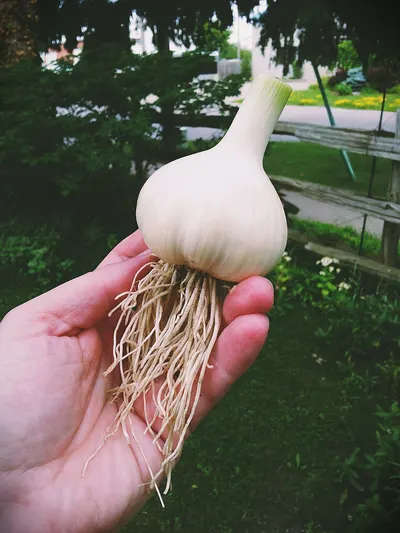
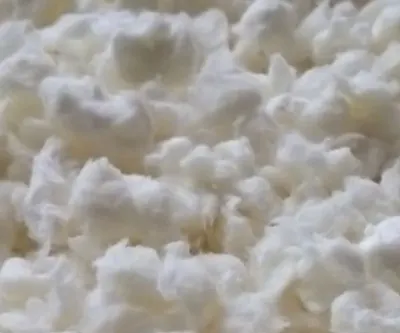
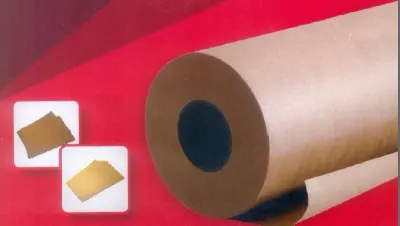
The product list comprises ceramic wool, rock wool (HS 6806.10), glass wool (HS 7019.90), kraft paper and dehydrated garlic. In the insulation sector, ceramic wool is typically offered in densities from 0.12 to 0.25 g cm⁻³ and can withstand continuous temperatures up to 1 260 °C, meeting ASTM C1260 fire‑resistance criteria. Rock wool of basalt origin usually ranges 30 - 200 kg m⁻³ in bulk density, with thermal conductivity between 0.035 and 0.045 W m⁻¹ K⁻¹ and conforms to ISO 9001 quality systems. Glass wool products are commonly produced with bulk densities of 12 - 30 kg m⁻³, operating temperatures up to 260 °C, and are tested to ASTM C518 for thermal resistance. Kraft paper boards are supplied in basis weights of 70 - 150 g m⁻² and are widely used for corrugated packaging, often complying with ISO 14001 environmental management standards. Dehydrated garlic is typically dried to a moisture content below 12 % and sized to 1 - 5 mm particles for food‑processing use, with HACCP‑compatible documentation expected.
Trade and Export Information - Saint Firstman Group
China is a major exporter of mineral and glass insulation fibers, with the majority of shipments destined for construction and industrial markets in Southeast Asia, the Middle East and Eastern Europe. HS 6806 covers stone wool and basalt fibre products, while HS 7019 covers glass fibre wools; customs authorities in importing countries frequently request test reports confirming thermal conductivity, fire‑rating (e.g., EN 13501‑1) and binder composition. Buyers of insulation typically require compliance with CE marking, ISO 9001 and, where applicable, ASTM standards; packaging is often in 20‑ft or 40‑ft containers using bulk bags or palletized bundles. Packaging boards such as kraft paper are exported under HS 4810 and are subject to phytosanitary checks when used for food contact, while dehydrated vegetables fall under HS 2008 and must meet food‑safety certificates such as ISO 22000 or local import permits.
Sourcing from Saint Firstman Group - Buyer Guidance
When sourcing rock wool or glass wool from Saint Firstman Group, request the latest product data sheet, thermal conductivity test report and fire‑resistance certification (e.g., EN 13501‑1 or ASTM C518). For ceramic wool, verify the maximum service temperature, density range and any binder composition details to ensure compatibility with high‑temperature applications. Kraft paper buyers should ask for basis weight, tensile strength data and confirmation of any recycled content or FSC compliance. For dehydrated garlic, request a moisture analysis, microbiological test results and a HACCP or ISO 22000 compliance statement before confirming orders. Typical minimum order quantities range from one standard bulk bag (≈20 kg) for insulation fibers to 500 kg cartons for kraft paper, with lead times of 30 - 45 days depending on product and destination.
Frequently Asked Questions About Saint Firstman Group
What are the standard specifications for the rock wool offered by Saint Firstman Group?
The rock wool is classified under HS 6806.10 and is described as basalt rock fibers with an organic or mineral binder. Buyers usually receive data on bulk density (30 - 200 kg m⁻³), thermal conductivity (0.035 - 0.045 W m⁻¹ K⁻¹) and fire‑rating test results.
Does the glass wool meet international fire‑safety standards?
Glass wool is listed under HS 7019.90 and consists of silicate glass fibers. Suppliers typically provide fire‑resistance certifications such as EN 13501‑1 or ASTM C518 upon request.
What temperature range can the ceramic wool safely operate in?
Ceramic wool is commonly produced for continuous service up to 1 260 °C, with densities between 0.12 and 0.25 g cm⁻³. Confirmation of the exact temperature rating is supplied in the product data sheet.
What basis weight options are available for the kraft paper?
Kraft paper is offered in standard basis weights from 70 g m⁻² to 150 g m⁻². Tensile strength and burst strength values are included in the technical sheet.
Is the dehydrated garlic suitable for food‑processing applications?
The dehydrated garlic is dried to a moisture content below 12 % and is sized 1 - 5 mm, meeting typical food‑grade requirements. Buyers should request HACCP or ISO 22000 compliance documentation.
Which certifications should a buyer verify before purchasing insulation products?
Buyers normally request ISO 9001 quality management certification, CE marking for EU markets and relevant fire‑safety test reports (EN 13501‑1, ASTM C518). Additional regional certifications may be required depending on the destination country.
What packaging formats are used for bulk shipments of the insulation fibers?
Insulation fibers are typically packed in 20‑ft or 40‑ft containers using bulk bags (≈20 kg each) or palletized bundles, with moisture‑resistant liners to preserve performance during transit.
What are the typical incoterms used for exporting these products from China?
Export transactions commonly employ FOB Shanghai or CIF destination ports, allowing the buyer to arrange freight and insurance according to their logistics preferences.




 , China


.jpg.png)