Agriculture›
 Apparel and fashion accessories›
 Construction & real estate›💡Electronic & Electrical›🍎Food & Beverages›🛋️Home furnishing & supplies›⚗️Industrial goods & chemical›🪨Minerals & metals›📦Miscellaneous›Agriculture›Apparel and fashion accessories›Construction & real estate›💡Electronic & Electrical›🍎Food & Beverages›🛋️Home furnishing & supplies›⚗️Industrial goods & chemical›🪨Minerals & metals›📦Miscellaneous›
SADIK YALÇIN Product Catalog
About SADIK YALÇIN - Lead Ore Supplier in Turkey
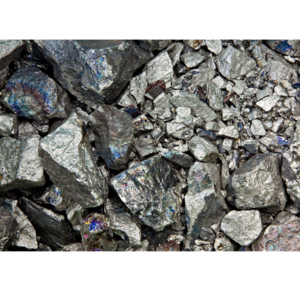
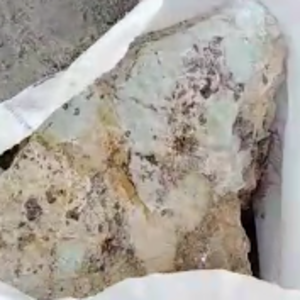
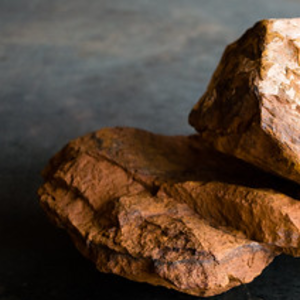
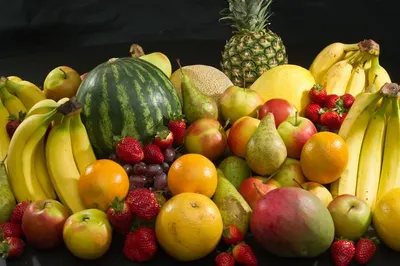
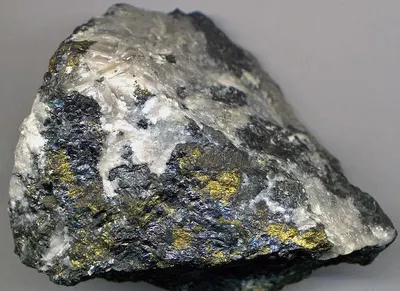
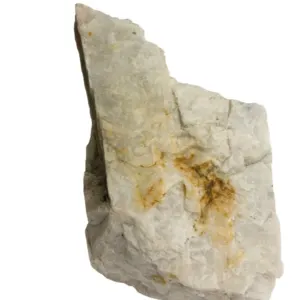
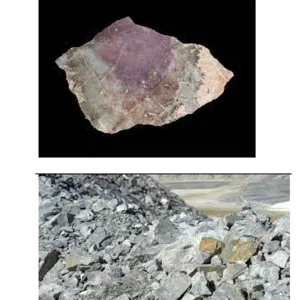
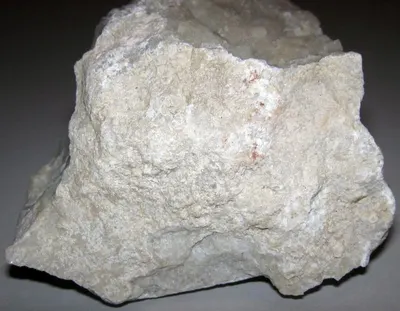
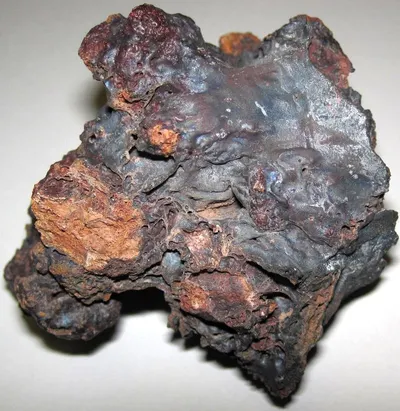
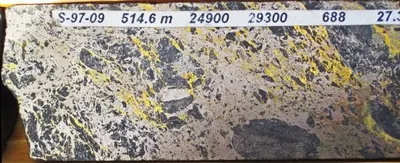
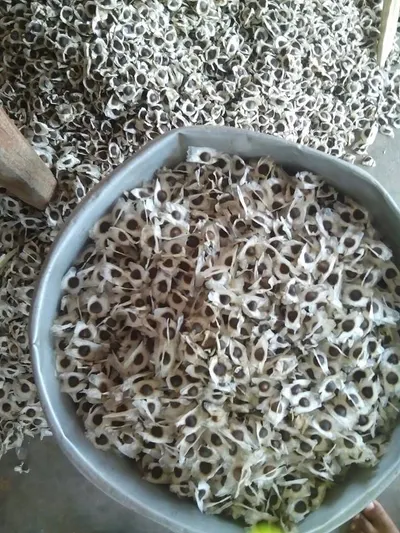
SADIK YALÇIN operates from Turkey and currently lists 14 distinct products in its catalogue. The portfolio spans metallic ores - including lead, zinc, copper, quartz, lithium, feldspar, and mica - as well as agricultural commodities such as sesame seeds, tiger nut, moringa seeds, peanuts, hibiscus flower, natural hardwood charcoal, and mixed fresh fruit vegetables. Each entry is identified with its corresponding HS code, for example lead ore under HS 2607.00 and sesame seeds under HS 1207.40. The supplier’s tier is classified as organic and it holds a harbor trust tier within the platform. Product listings cover both raw mineral concentrates and food‑grade seeds and vegetables.
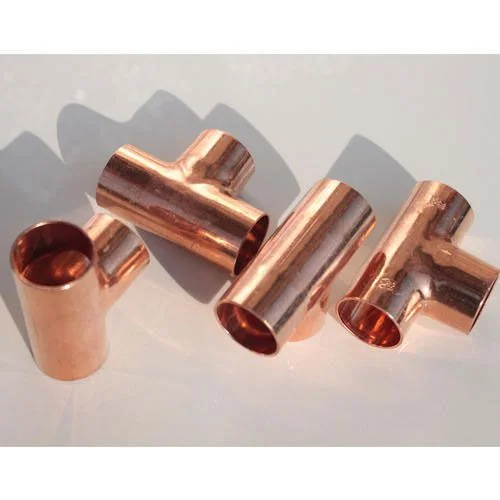
The catalogue groups the mineral products under HS chapters 26 (metal ores) and 25 (industrial minerals), while the food items fall under HS chapters 12 (oil seeds, nuts) and 07/08 (vegetables, fruits). Lead ore is presented as a galena concentrate, zinc ore as sphalerite concentrate, and copper ore with a Cu content of 25‑30 %. The agricultural line includes raw‑grade tiger nut tubercles (HS 0714.90) and dried hibiscus flower (HS 1211.90). All 14 items are described with their material composition, enabling buyers to match specifications directly to HS‑code‑based import requirements.
Product Range and Specialties of SADIK YALÇIN
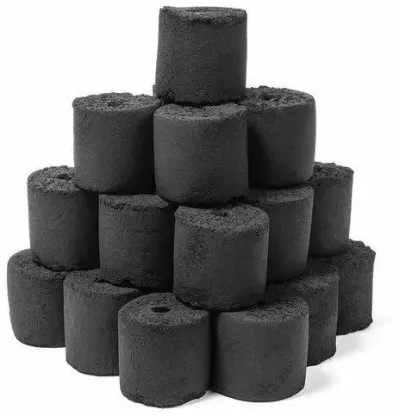
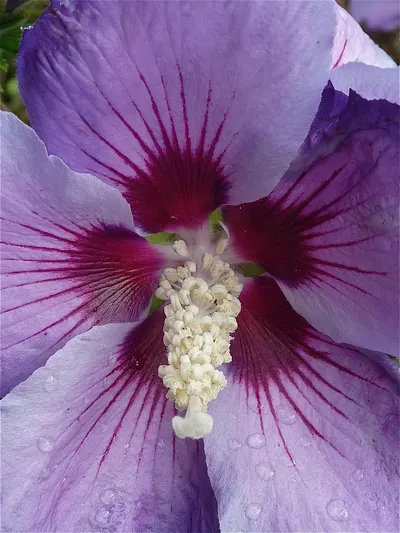
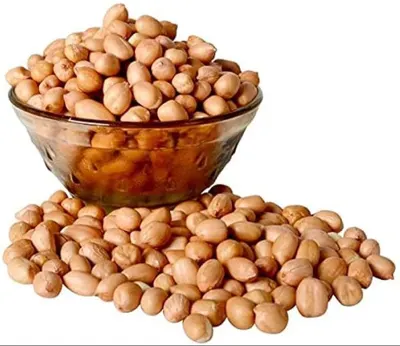
The mineral segment includes lead ore concentrate (PbS) typically containing 90‑95 % lead, zinc ore concentrate (sphalerite) with ZnO grades of 45‑55 %, and copper ore concentrate delivering 25‑30 % Cu as indicated in the catalogue. Quartz ore (silica sand) is commonly supplied with a silica purity of 99 % and particle size distribution suitable for glass‑making. Lithium ore is listed as spodumene concentrate with Li₂O around 6 %, matching the grade required for downstream lithium carbonate production. In the agricultural portfolio, sesame seeds are usually graded by kernel size (10‑12 mm) and moisture below 6 %, while tiger nut tubercles are evaluated for raw grade purity and moisture under 8 %. Peanut kernels are shelled raw grade with oil content around 45‑50 % and moisture below 5 %. Hibiscus flowers are dried to a moisture level of 8‑10 % and are free of chemical residues. Natural hardwood charcoal is offered in restaurant and BBQ grades, measured by fixed carbon content (≥70 %) and ash content (≤5 %).
Frequently Asked Questions About SADIK YALÇIN
What HS codes are associated with the mineral products offered by SADIK YALÇIN?
Lead ore is listed under HS 2607.00, zinc ore under HS 2608.00, copper ore under HS 2603.00, quartz ore under HS 2505.10, lithium ore under HS 2530.90, feldspar under HS 2529.10, and mica under HS 2525.10.
Which certifications should a buyer request for the seed products?
Buyers should ask for a phytosanitary certificate, an organic certification if the product is marketed as organic, and a recent laboratory analysis confirming moisture content and absence of pesticide residues.
What typical moisture limits apply to the sesame and peanut seeds?
Sesame seeds are generally shipped with moisture below 6 % and peanuts with moisture below 5 %, both levels helping to ensure shelf stability.
What are the usual minimum order quantities for the ore concentrates?
Minimum order quantities are commonly set at one metric ton per shipment for lead, zinc, copper, quartz, lithium, feldspar, and mica concentrates, though exact MOQ may vary per grade.
How are the agricultural products packaged for export?
Seeds and nuts are packed in food‑grade polypropylene bulk bags (typically 25 kg) or liner‑sealed cartons, while dried hibiscus flowers are shipped in moisture‑controlled paper bags. Charcoal is supplied in sealed wooden crates or bulk bags.
 Turkey
Related Suppliers & Products
Explore similar suppliers, related products and trending categories