RSC Textile — Verified Supplier

About RSC Textile - Terry Towels and Home Textiles Supplier in India

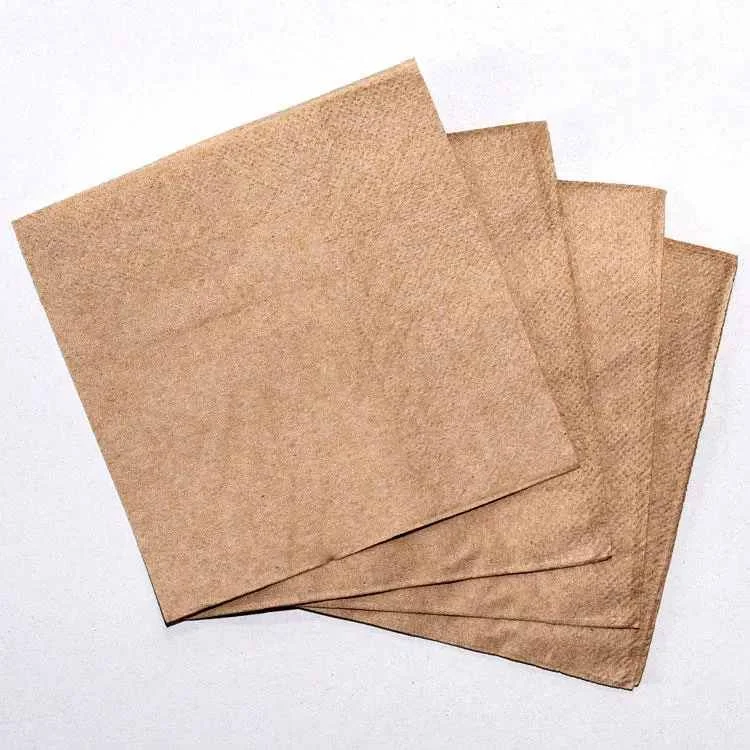
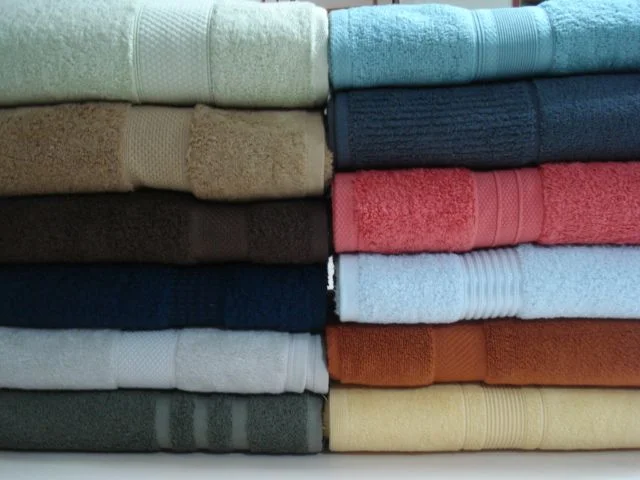
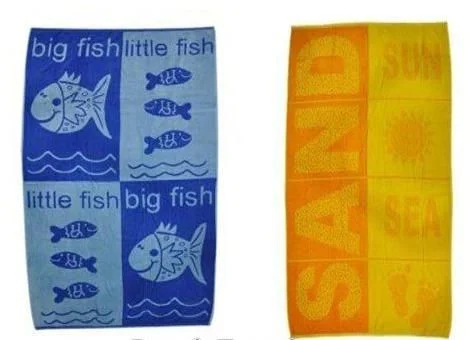
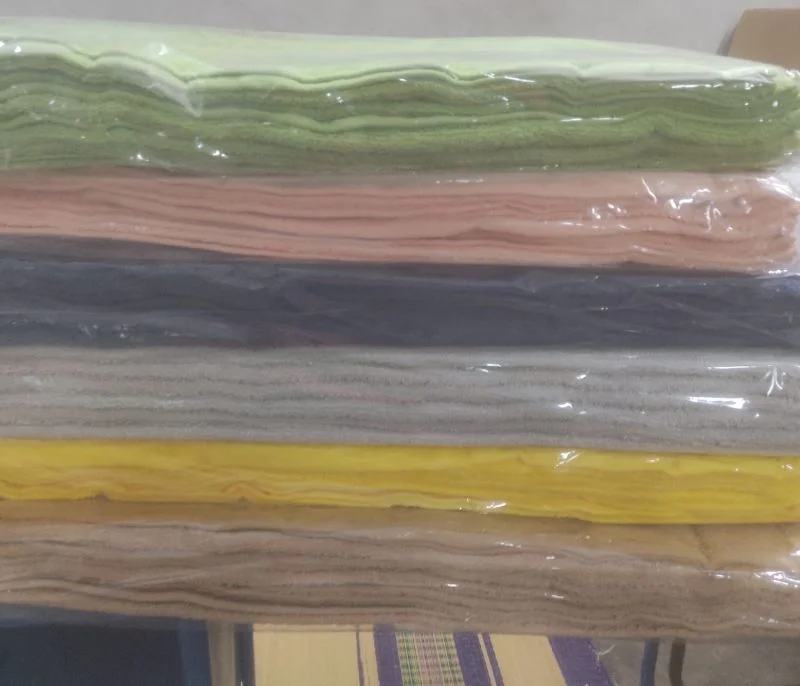
RSC Textile is an India-based supplier listing 11 active products concentrated in the cotton home-textile segment, with towels, terry towels, napkins, bath mats, bed linens and beach towels forming the core of its catalogue. The supplier's product mix is anchored in 100% cotton constructions, with one beach towel variant also offered in recycled cotton or polyester yarn, and a digital print bath towel option that uses 100% cotton as the base cloth. Products are spread across HS code 6302.21 (bed linen, printed, of cotton) and HS code 6302.60 (toilet linen and kitchen linen, of cotton terry fabric), which are the two customs headings that cover virtually all of the items shown in the catalogue. The Solapur references in the range (Solapur Chaders, Solapur Terry Towels) point to the Solapur cluster in Maharashtra, a long-established weaving and towel-making belt in western India known for cotton terry production. The catalogue covers the full terry-towel pyramid from light kitchen napkins and plain terry towels up to heavier bath towels, bathmats and beach towels, alongside a bed-linen item in HS 6302.21. Variants such as Polo Towels, Futa Towels, Lara Towels and Solid Towels indicate a mix of institutional, hospitality and retail constructions rather than a single narrow line. Digital print on bath towels is included, which is a finishing route commonly used for promotional, resort and private-label beach and bath programs. The breadth across bath, kitchen, beach and bed categories means a single enquiry can cover the main cotton home-textile sub-categories that Indian exporters typically ship under chapters 6302.21 and 6302.60.

Product Range and Specialties of RSC Textile

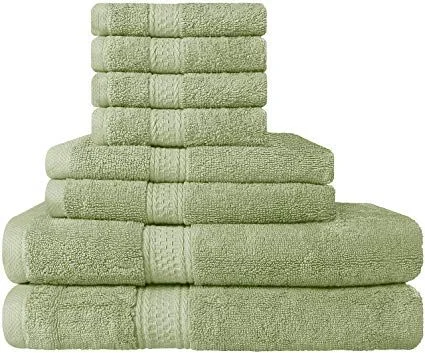
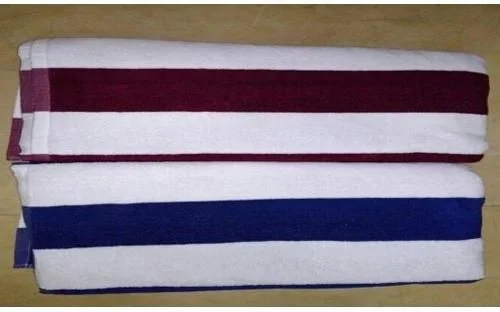
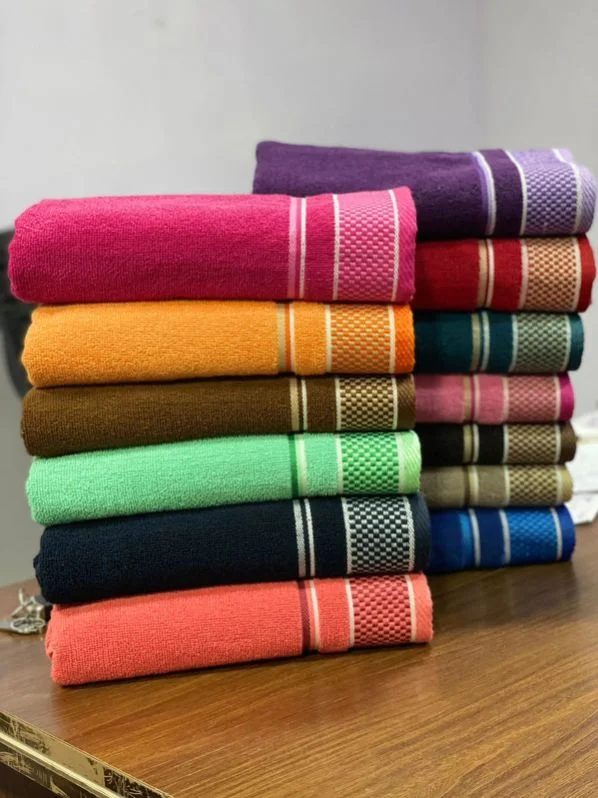
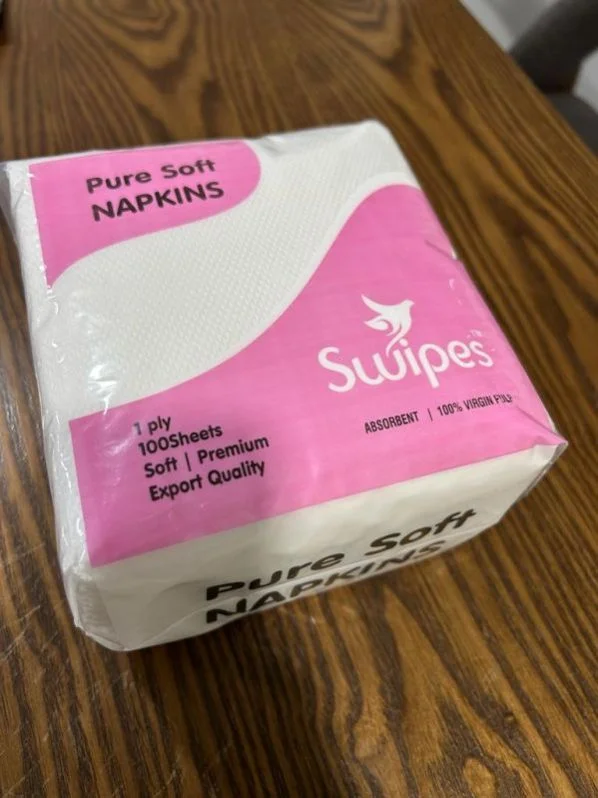
RSC Textile's catalogue breaks down into four practical sub-ranges: bath and bathmat items (Plain Terry Towel, Solid Towels, Bathmat, Digetal Print Bath Towels), kitchen and napkin items (Kitchen Terry Napkin, Lara Towels and Napkin), beach and resort items (Beach Towels in cotton, recycled cotton or polyester), and bed linen (Solapur Chaders under HS 6302.21 in 100% cotton). The two beach and bath towel lines sit under HS 6302.60, the heading that covers toilet linen and kitchen linen of cotton terry fabric, while the Solapur Chaders bed-linen entry sits under HS 6302.21 for printed cotton bed linen. Materials are consistently cotton-led, with one beach towel SKU explicitly opening up to recycled cotton or polyester yarn for buyers who want a non-virgin or blended option. In the broader cotton terry towel category, buyers typically evaluate GSM (grams per square metre) as the primary weight signal: face cloths and guest towels usually fall in the 300-400 GSM range, standard bath towels in the 400-600 GSM range, and premium bath and beach towels in the 600-900 GSM range. Common constructions include single-loop and double-loop terry, dobby or jacquard borders, and ring-spun or open-end yarns; combed cotton is standard for retail grades while carded cotton is common in hospitality volumes. For bathmats, heavier constructions with rubber or latex backing (often 700-1200 GSM with anti-skid latex) are typical. Beach towels are usually larger (around 70x140 cm to 100x180 cm) and are increasingly specified with reactive dye or digital print for colour fastness. Bed linen under HS 6302.21 is commonly graded by thread count (TC), with 144 TC to 400 TC being typical export ranges for printed cotton sheeting and chaders. Buyers in this segment also routinely request OEKO-TEX Standard 100, BCI cotton, or GOTS organic cotton certifications, depending on the end market.

Trade and Export Information - RSC Textile

Indian cotton home-textile exporters typically ship to the United States, the European Union (Germany, the UK, France, the Netherlands, Spain), the Gulf states (UAE, Saudi Arabia), and to a lesser extent Australia, Canada and East Africa. Towels, bed linen and bath mats from India are largely classified under HS chapter 6302, with the specific subheadings 6302.21 (bed linen, printed, of cotton) and 6302.60 (toilet linen and kitchen linen, of cotton terry fabric) covering the bulk of RSC Textile's listed range. For these goods, buyers in the EU and US routinely require OEKO-TEX Standard 100 for restricted substances, and many also ask for BCI (Better Cotton) or GOTS chain-of-custody documentation when the cotton is marketed as organic or sustainably sourced. US-bound cotton textiles may also need to comply with UFLPA (Uyghur Forced Labor Prevention Act) traceability requirements, meaning buyers increasingly request origin and processing documentation back to the gin or spinning stage. Standard export packaging for cotton terry towels and bed linen from India is export-worthy bale or polybag packing, with master polybags typically containing 5, 10, 20 or 24 pieces depending on the towel size, then packed in woven polypropylene bales or corrugated cartons. A 20 ft container typically holds roughly 12,000-18,000 standard bath towels depending on GSM and size, while 40 ft HC containers can take significantly more volume. Incoterms commonly used by Indian home-textile exporters are FOB, CIF and CNF for sea shipments, with some buyers also using DDP for direct-to-warehouse deliveries. Pre-shipment inspection by third-party agencies such as SGS, Bureau Veritas, Intertek or TUV is standard for institutional and retail buyers, and most export contracts specify AQL 2.5 or 4.0 sampling under ISO 2859-1 for visual defects. Indian cotton textile exports are also subject to the country's GST and drawback frameworks, and shipments typically move through Nhava Sheva (JNPT), Mundra, Chennai or Cochin depending on the mill location; for Solapur-origin goods, Mumbai-area ports are the usual loading points.

Sourcing from RSC Textile - Buyer Guidance

For sourcing from RSC Textile, a sensible first step is to request the GSM, size in cm, yarn type (ring-spun, combed, open-end), construction (single-loop, double-loop, dobby border), and the exact cotton composition for each SKU, since these parameters drive both hand-feel and price band even though the catalogue only states material at the fibre level. Buyers should ask for a hand sample or pre-production sample for each construction, and confirm whether the cotton is Indian, Egyptian, Pima or a blend, as well as whether the dye is reactive, vat or pigment. For digital print bath towels, request a print strike-off and confirm colour-fastness ratings to washing (ISO 105 C06) and to light (ISO 105 B02), since digital prints on cotton terry can behave differently from screen or rotary prints. For the Solapur Chaders bed-linen line under HS 6302.21, ask for thread count, fabric construction (percale, satin, sateen), print method, and shrinkage tolerance, typically expected within 3-5% on cotton sheeting. On documentation, buyers should ask for OEKO-TEX Standard 100 certificate copy with the supplier's licence number, and BCI or GOTS documentation if those claims are made; if the beach towel is offered in recycled cotton, request the recycled content percentage and any third-party verification. A pre-shipment inspection report covering GSM verification (cut and weigh method), size measurement, colour shade approval against a lab-dip or strike-off, and AQL-based visual inspection should be agreed before each shipment. For US-bound orders, request full cotton fibre traceability documents to support UFLPA compliance, and for EU-bound orders confirm REACH compliance for any dyes or finishes used. Lead times for Indian cotton terry and bed linen production typically run 30-45 days for greige plus 15-25 days for processing and finishing once the order is confirmed, plus sea transit time of 18-30 days to most major destinations, so total order-to-delivery windows of 60-90 days are common and should be planned in advance.

Frequently Asked Questions About RSC Textile

What product categories does RSC Textile currently list?

RSC Textile lists 11 active products spanning bath towels, plain terry towels, kitchen terry napkins, bathmats, beach towels, digital print bath towels, and printed cotton bed linen (Solapur Chaders). The bath, kitchen and beach items fall under HS 6302.60, while the Solapur Chaders bed-linen item falls under HS 6302.21.

Which materials and fibres are used in the catalogue?

The catalogue is predominantly 100% cotton, including the Solapur Chaders bed linen and the digital print bath towels. The beach towel line is also offered in 100% cotton, recycled cotton, or polyester yarn, giving buyers a blended or recycled option alongside the standard all-cotton construction.

Which certifications should a buyer request for Indian cotton terry towels and bed linen?

Buyers typically request OEKO-TEX Standard 100 for chemical safety, and BCI (Better Cotton) or GOTS chain-of-custody documents where sustainable or organic cotton is claimed. For US-bound shipments, full cotton fibre traceability documentation to support UFLPA compliance is also commonly requested.

What quality parameters are important when evaluating terry towels from this supplier?

Key parameters are GSM (typically 300-400 for face/guest towels, 400-600 for standard bath towels, 600-900 for premium bath and beach towels), size in cm, yarn type (ring-spun or open-end), loop construction (single or double loop), and colour fastness to washing (ISO 105 C06) and light (ISO 105 B02). For bathmats, the GSM and the type of anti-skid backing (latex or rubber) should also be confirmed.

What is the typical packaging and container loadout for Indian towel exports?

Standard export packing is individual polybags inside master polybags of 5, 10, 20 or 24 pieces, then packed in woven polypropylene bales or corrugated cartons. A 20 ft container typically holds around 12,000-18,000 standard bath towels depending on GSM and size, with 40 ft HC containers taking significantly more volume.

Which documents are usually required before shipment?

Buyers typically ask for a commercial invoice, packing list, bill of lading or airway bill, certificate of origin, GST and drawback paperwork where relevant, and a pre-shipment inspection report from an agency such as SGS, Bureau Veritas, Intertek or TUV. For printed items, a lab-dip or strike-off approval record is also commonly required before bulk production.

What are typical MOQ and lead time expectations for Indian cotton towel and bed linen orders?

MOQs in Indian cotton terry and bed linen usually start in the range of a few hundred to a few thousand pieces per SKU depending on construction and finishing. Production lead times are typically 30-45 days for greige plus 15-25 days for processing, plus 18-30 days sea transit, so total order-to-delivery windows of 60-90 days are common.

Which regions typically import Indian cotton towels and bed linen?

The main import regions for Indian cotton home textiles are the United States, the European Union (Germany, UK, France, Netherlands, Spain), the Gulf states (UAE, Saudi Arabia), and to a lesser extent Australia, Canada and East Africa. These markets commonly require OEKO-TEX, BCI or GOTS documentation and increasingly ask for cotton fibre traceability for US-bound shipments.


Featured Products from this Supplier

Other Suppliers in Primary Category

Related Products

Trending in Parent Category

More Suppliers in Category

Related Products

Other Suppliers

EximNext
58.5K+ live requirements
Register Free🎁 Reach verified global buyers
Post Requirement
🌍 Trusted by 224.6K+ businesses in 200+ countries|
58.5K+ active requirements right now
✉️ [email protected]
|
Sell on EximNextPost Requirement
EximNext
AgricultureApparelConstructionElectronicFoodHomeIndustrialMineralsMiscellaneous
🔥 Deals|✨ AI Match|🏭 Suppliers|📋 Buy Leads|💰 Trade Finance
58.5K+ live RFQs·194.6K+ suppliers
🎁 Reach global buyers →
EximNext
EximNext
Register Free
🎁 Reach verified global buyers
Sign In
📋Post Requirement💬Get QuotesAI Match📋RFQ Marketplace
All Categories
Services & Tools
🏭Supplier Directory🔥Today's Deals💰Trade Finance
Sell on EximNext
AboutContactBlogHelp
🏭

RSC Textile

Harbor
Country flag , India
🛡️
55/100
Trust Score

RSC Textile Product Catalog

Showing 11 of 11 products
View all products →
Kitchen Terry Napkin
Harbor
Kitchen Terry Napkin
Contact
MOQ: 1 Unit
Bathmat
Harbor
Bathmat
Contact
MOQ: 1 Unit
Solid Towels
Harbor
Solid Towels
Contact
MOQ: 1 Unit
Plain Terry Towel
Harbor
Plain Terry Towel
Contact
MOQ: 1 Unit
Solapur Chaders
Harbor
Solapur Chaders
Contact
MOQ: 1 Unit
Futa Towels
Harbor
Futa Towels
Contact
MOQ: 1 Unit
Lara Towels & Napkin
Harbor
Lara Towels & Napkin
Contact
MOQ: 1 Unit
Solapur Terry Towels
Harbor
Solapur Terry Towels
Contact
MOQ: 1 Unit
Beach Towels
Harbor
Beach Towels
Contact
MOQ: 1 Unit
Digetal Print Bath Towels
Harbor
Digetal Print Bath Towels
Contact
MOQ: 1 Unit
Polo Towels
Harbor
Polo Towels
Contact
MOQ: 1 Unit

About RSC Textile - Terry Towels and Home Textiles Supplier in India

RSC Textile is an India-based supplier listing 11 active products concentrated in the cotton home-textile segment, with towels, terry towels, napkins, bath mats, bed linens and beach towels forming the core of its catalogue. The supplier's product mix is anchored in 100% cotton constructions, with one beach towel variant also offered in recycled cotton or polyester yarn, and a digital print bath towel option that uses 100% cotton as the base cloth. Products are spread across HS code 6302.21 (bed linen, printed, of cotton) and HS code 6302.60 (toilet linen and kitchen linen, of cotton terry fabric), which are the two customs headings that cover virtually all of the items shown in the catalogue. The Solapur references in the range (Solapur Chaders, Solapur Terry Towels) point to the Solapur cluster in Maharashtra, a long-established weaving and towel-making belt in western India known for cotton terry production. The catalogue covers the full terry-towel pyramid from light kitchen napkins and plain terry towels up to heavier bath towels, bathmats and beach towels, alongside a bed-linen item in HS 6302.21. Variants such as Polo Towels, Futa Towels, Lara Towels and Solid Towels indicate a mix of institutional, hospitality and retail constructions rather than a single narrow line. Digital print on bath towels is included, which is a finishing route commonly used for promotional, resort and private-label beach and bath programs. The breadth across bath, kitchen, beach and bed categories means a single enquiry can cover the main cotton home-textile sub-categories that Indian exporters typically ship under chapters 6302.21 and 6302.60.

Product Range and Specialties of RSC Textile

RSC Textile's catalogue breaks down into four practical sub-ranges: bath and bathmat items (Plain Terry Towel, Solid Towels, Bathmat, Digetal Print Bath Towels), kitchen and napkin items (Kitchen Terry Napkin, Lara Towels and Napkin), beach and resort items (Beach Towels in cotton, recycled cotton or polyester), and bed linen (Solapur Chaders under HS 6302.21 in 100% cotton). The two beach and bath towel lines sit under HS 6302.60, the heading that covers toilet linen and kitchen linen of cotton terry fabric, while the Solapur Chaders bed-linen entry sits under HS 6302.21 for printed cotton bed linen. Materials are consistently cotton-led, with one beach towel SKU explicitly opening up to recycled cotton or polyester yarn for buyers who want a non-virgin or blended option. In the broader cotton terry towel category, buyers typically evaluate GSM (grams per square metre) as the primary weight signal: face cloths and guest towels usually fall in the 300-400 GSM range, standard bath towels in the 400-600 GSM range, and premium bath and beach towels in the 600-900 GSM range. Common constructions include single-loop and double-loop terry, dobby or jacquard borders, and ring-spun or open-end yarns; combed cotton is standard for retail grades while carded cotton is common in hospitality volumes. For bathmats, heavier constructions with rubber or latex backing (often 700-1200 GSM with anti-skid latex) are typical. Beach towels are usually larger (around 70x140 cm to 100x180 cm) and are increasingly specified with reactive dye or digital print for colour fastness. Bed linen under HS 6302.21 is commonly graded by thread count (TC), with 144 TC to 400 TC being typical export ranges for printed cotton sheeting and chaders. Buyers in this segment also routinely request OEKO-TEX Standard 100, BCI cotton, or GOTS organic cotton certifications, depending on the end market.

Trade and Export Information - RSC Textile

Indian cotton home-textile exporters typically ship to the United States, the European Union (Germany, the UK, France, the Netherlands, Spain), the Gulf states (UAE, Saudi Arabia), and to a lesser extent Australia, Canada and East Africa. Towels, bed linen and bath mats from India are largely classified under HS chapter 6302, with the specific subheadings 6302.21 (bed linen, printed, of cotton) and 6302.60 (toilet linen and kitchen linen, of cotton terry fabric) covering the bulk of RSC Textile's listed range. For these goods, buyers in the EU and US routinely require OEKO-TEX Standard 100 for restricted substances, and many also ask for BCI (Better Cotton) or GOTS chain-of-custody documentation when the cotton is marketed as organic or sustainably sourced. US-bound cotton textiles may also need to comply with UFLPA (Uyghur Forced Labor Prevention Act) traceability requirements, meaning buyers increasingly request origin and processing documentation back to the gin or spinning stage. Standard export packaging for cotton terry towels and bed linen from India is export-worthy bale or polybag packing, with master polybags typically containing 5, 10, 20 or 24 pieces depending on the towel size, then packed in woven polypropylene bales or corrugated cartons. A 20 ft container typically holds roughly 12,000-18,000 standard bath towels depending on GSM and size, while 40 ft HC containers can take significantly more volume. Incoterms commonly used by Indian home-textile exporters are FOB, CIF and CNF for sea shipments, with some buyers also using DDP for direct-to-warehouse deliveries. Pre-shipment inspection by third-party agencies such as SGS, Bureau Veritas, Intertek or TUV is standard for institutional and retail buyers, and most export contracts specify AQL 2.5 or 4.0 sampling under ISO 2859-1 for visual defects. Indian cotton textile exports are also subject to the country's GST and drawback frameworks, and shipments typically move through Nhava Sheva (JNPT), Mundra, Chennai or Cochin depending on the mill location; for Solapur-origin goods, Mumbai-area ports are the usual loading points.

Sourcing from RSC Textile - Buyer Guidance

For sourcing from RSC Textile, a sensible first step is to request the GSM, size in cm, yarn type (ring-spun, combed, open-end), construction (single-loop, double-loop, dobby border), and the exact cotton composition for each SKU, since these parameters drive both hand-feel and price band even though the catalogue only states material at the fibre level. Buyers should ask for a hand sample or pre-production sample for each construction, and confirm whether the cotton is Indian, Egyptian, Pima or a blend, as well as whether the dye is reactive, vat or pigment. For digital print bath towels, request a print strike-off and confirm colour-fastness ratings to washing (ISO 105 C06) and to light (ISO 105 B02), since digital prints on cotton terry can behave differently from screen or rotary prints. For the Solapur Chaders bed-linen line under HS 6302.21, ask for thread count, fabric construction (percale, satin, sateen), print method, and shrinkage tolerance, typically expected within 3-5% on cotton sheeting. On documentation, buyers should ask for OEKO-TEX Standard 100 certificate copy with the supplier's licence number, and BCI or GOTS documentation if those claims are made; if the beach towel is offered in recycled cotton, request the recycled content percentage and any third-party verification. A pre-shipment inspection report covering GSM verification (cut and weigh method), size measurement, colour shade approval against a lab-dip or strike-off, and AQL-based visual inspection should be agreed before each shipment. For US-bound orders, request full cotton fibre traceability documents to support UFLPA compliance, and for EU-bound orders confirm REACH compliance for any dyes or finishes used. Lead times for Indian cotton terry and bed linen production typically run 30-45 days for greige plus 15-25 days for processing and finishing once the order is confirmed, plus sea transit time of 18-30 days to most major destinations, so total order-to-delivery windows of 60-90 days are common and should be planned in advance.

Frequently Asked Questions About RSC Textile

What product categories does RSC Textile currently list?

RSC Textile lists 11 active products spanning bath towels, plain terry towels, kitchen terry napkins, bathmats, beach towels, digital print bath towels, and printed cotton bed linen (Solapur Chaders). The bath, kitchen and beach items fall under HS 6302.60, while the Solapur Chaders bed-linen item falls under HS 6302.21.

Which materials and fibres are used in the catalogue?

The catalogue is predominantly 100% cotton, including the Solapur Chaders bed linen and the digital print bath towels. The beach towel line is also offered in 100% cotton, recycled cotton, or polyester yarn, giving buyers a blended or recycled option alongside the standard all-cotton construction.

Which certifications should a buyer request for Indian cotton terry towels and bed linen?

Buyers typically request OEKO-TEX Standard 100 for chemical safety, and BCI (Better Cotton) or GOTS chain-of-custody documents where sustainable or organic cotton is claimed. For US-bound shipments, full cotton fibre traceability documentation to support UFLPA compliance is also commonly requested.

What quality parameters are important when evaluating terry towels from this supplier?

Key parameters are GSM (typically 300-400 for face/guest towels, 400-600 for standard bath towels, 600-900 for premium bath and beach towels), size in cm, yarn type (ring-spun or open-end), loop construction (single or double loop), and colour fastness to washing (ISO 105 C06) and light (ISO 105 B02). For bathmats, the GSM and the type of anti-skid backing (latex or rubber) should also be confirmed.

What is the typical packaging and container loadout for Indian towel exports?

Standard export packing is individual polybags inside master polybags of 5, 10, 20 or 24 pieces, then packed in woven polypropylene bales or corrugated cartons. A 20 ft container typically holds around 12,000-18,000 standard bath towels depending on GSM and size, with 40 ft HC containers taking significantly more volume.

Which documents are usually required before shipment?

Buyers typically ask for a commercial invoice, packing list, bill of lading or airway bill, certificate of origin, GST and drawback paperwork where relevant, and a pre-shipment inspection report from an agency such as SGS, Bureau Veritas, Intertek or TUV. For printed items, a lab-dip or strike-off approval record is also commonly required before bulk production.

What are typical MOQ and lead time expectations for Indian cotton towel and bed linen orders?

MOQs in Indian cotton terry and bed linen usually start in the range of a few hundred to a few thousand pieces per SKU depending on construction and finishing. Production lead times are typically 30-45 days for greige plus 15-25 days for processing, plus 18-30 days sea transit, so total order-to-delivery windows of 60-90 days are common.

Which regions typically import Indian cotton towels and bed linen?

The main import regions for Indian cotton home textiles are the United States, the European Union (Germany, UK, France, Netherlands, Spain), the Gulf states (UAE, Saudi Arabia), and to a lesser extent Australia, Canada and East Africa. These markets commonly require OEKO-TEX, BCI or GOTS documentation and increasingly ask for cotton fibre traceability for US-bound shipments.

About RSC Textile - Terry Towels and Home Textiles Supplier in India

RSC Textile is an India-based supplier listing 11 active products concentrated in the cotton home-textile segment, with towels, terry towels, napkins, bath mats, bed linens and beach towels forming the core of its catalogue. The supplier's product mix is anchored in 100% cotton constructions, with one beach towel variant also offered in recycled cotton or polyester yarn, and a digital print bath towel option that uses 100% cotton as the base cloth. Products are spread across HS code 6302.21 (bed linen, printed, of cotton) and HS code 6302.60 (toilet linen and kitchen linen, of cotton terry fabric), which are the two customs headings that cover virtually all of the items shown in the catalogue. The Solapur references in the range (Solapur Chaders, Solapur Terry Towels) point to the Solapur cluster in Maharashtra, a long-established weaving and towel-making belt in western India known for cotton terry production. The catalogue covers the full terry-towel pyramid from light kitchen napkins and plain terry towels up to heavier bath towels, bathmats and beach towels, alongside a bed-linen item in HS 6302.21. Variants such as Polo Towels, Futa Towels, Lara Towels and Solid Towels indicate a mix of institutional, hospitality and retail constructions rather than a single narrow line. Digital print on bath towels is included, which is a finishing route commonly used for promotional, resort and private-label beach and bath programs. The breadth across bath, kitchen, beach and bed categories means a single enquiry can cover the main cotton home-textile sub-categories that Indian exporters typically ship under chapters 6302.21 and 6302.60.

Product Range and Specialties of RSC Textile

RSC Textile's catalogue breaks down into four practical sub-ranges: bath and bathmat items (Plain Terry Towel, Solid Towels, Bathmat, Digetal Print Bath Towels), kitchen and napkin items (Kitchen Terry Napkin, Lara Towels and Napkin), beach and resort items (Beach Towels in cotton, recycled cotton or polyester), and bed linen (Solapur Chaders under HS 6302.21 in 100% cotton). The two beach and bath towel lines sit under HS 6302.60, the heading that covers toilet linen and kitchen linen of cotton terry fabric, while the Solapur Chaders bed-linen entry sits under HS 6302.21 for printed cotton bed linen. Materials are consistently cotton-led, with one beach towel SKU explicitly opening up to recycled cotton or polyester yarn for buyers who want a non-virgin or blended option. In the broader cotton terry towel category, buyers typically evaluate GSM (grams per square metre) as the primary weight signal: face cloths and guest towels usually fall in the 300-400 GSM range, standard bath towels in the 400-600 GSM range, and premium bath and beach towels in the 600-900 GSM range. Common constructions include single-loop and double-loop terry, dobby or jacquard borders, and ring-spun or open-end yarns; combed cotton is standard for retail grades while carded cotton is common in hospitality volumes. For bathmats, heavier constructions with rubber or latex backing (often 700-1200 GSM with anti-skid latex) are typical. Beach towels are usually larger (around 70x140 cm to 100x180 cm) and are increasingly specified with reactive dye or digital print for colour fastness. Bed linen under HS 6302.21 is commonly graded by thread count (TC), with 144 TC to 400 TC being typical export ranges for printed cotton sheeting and chaders. Buyers in this segment also routinely request OEKO-TEX Standard 100, BCI cotton, or GOTS organic cotton certifications, depending on the end market.

Trade and Export Information - RSC Textile

Indian cotton home-textile exporters typically ship to the United States, the European Union (Germany, the UK, France, the Netherlands, Spain), the Gulf states (UAE, Saudi Arabia), and to a lesser extent Australia, Canada and East Africa. Towels, bed linen and bath mats from India are largely classified under HS chapter 6302, with the specific subheadings 6302.21 (bed linen, printed, of cotton) and 6302.60 (toilet linen and kitchen linen, of cotton terry fabric) covering the bulk of RSC Textile's listed range. For these goods, buyers in the EU and US routinely require OEKO-TEX Standard 100 for restricted substances, and many also ask for BCI (Better Cotton) or GOTS chain-of-custody documentation when the cotton is marketed as organic or sustainably sourced. US-bound cotton textiles may also need to comply with UFLPA (Uyghur Forced Labor Prevention Act) traceability requirements, meaning buyers increasingly request origin and processing documentation back to the gin or spinning stage. Standard export packaging for cotton terry towels and bed linen from India is export-worthy bale or polybag packing, with master polybags typically containing 5, 10, 20 or 24 pieces depending on the towel size, then packed in woven polypropylene bales or corrugated cartons. A 20 ft container typically holds roughly 12,000-18,000 standard bath towels depending on GSM and size, while 40 ft HC containers can take significantly more volume. Incoterms commonly used by Indian home-textile exporters are FOB, CIF and CNF for sea shipments, with some buyers also using DDP for direct-to-warehouse deliveries. Pre-shipment inspection by third-party agencies such as SGS, Bureau Veritas, Intertek or TUV is standard for institutional and retail buyers, and most export contracts specify AQL 2.5 or 4.0 sampling under ISO 2859-1 for visual defects. Indian cotton textile exports are also subject to the country's GST and drawback frameworks, and shipments typically move through Nhava Sheva (JNPT), Mundra, Chennai or Cochin depending on the mill location; for Solapur-origin goods, Mumbai-area ports are the usual loading points.

Sourcing from RSC Textile - Buyer Guidance

For sourcing from RSC Textile, a sensible first step is to request the GSM, size in cm, yarn type (ring-spun, combed, open-end), construction (single-loop, double-loop, dobby border), and the exact cotton composition for each SKU, since these parameters drive both hand-feel and price band even though the catalogue only states material at the fibre level. Buyers should ask for a hand sample or pre-production sample for each construction, and confirm whether the cotton is Indian, Egyptian, Pima or a blend, as well as whether the dye is reactive, vat or pigment. For digital print bath towels, request a print strike-off and confirm colour-fastness ratings to washing (ISO 105 C06) and to light (ISO 105 B02), since digital prints on cotton terry can behave differently from screen or rotary prints. For the Solapur Chaders bed-linen line under HS 6302.21, ask for thread count, fabric construction (percale, satin, sateen), print method, and shrinkage tolerance, typically expected within 3-5% on cotton sheeting. On documentation, buyers should ask for OEKO-TEX Standard 100 certificate copy with the supplier's licence number, and BCI or GOTS documentation if those claims are made; if the beach towel is offered in recycled cotton, request the recycled content percentage and any third-party verification. A pre-shipment inspection report covering GSM verification (cut and weigh method), size measurement, colour shade approval against a lab-dip or strike-off, and AQL-based visual inspection should be agreed before each shipment. For US-bound orders, request full cotton fibre traceability documents to support UFLPA compliance, and for EU-bound orders confirm REACH compliance for any dyes or finishes used. Lead times for Indian cotton terry and bed linen production typically run 30-45 days for greige plus 15-25 days for processing and finishing once the order is confirmed, plus sea transit time of 18-30 days to most major destinations, so total order-to-delivery windows of 60-90 days are common and should be planned in advance.

Frequently Asked Questions About RSC Textile
What product categories does RSC Textile currently list?
RSC Textile lists 11 active products spanning bath towels, plain terry towels, kitchen terry napkins, bathmats, beach towels, digital print bath towels, and printed cotton bed linen (Solapur Chaders). The bath, kitchen and beach items fall under HS 6302.60, while the Solapur Chaders bed-linen item falls under HS 6302.21.
Which materials and fibres are used in the catalogue?
The catalogue is predominantly 100% cotton, including the Solapur Chaders bed linen and the digital print bath towels. The beach towel line is also offered in 100% cotton, recycled cotton, or polyester yarn, giving buyers a blended or recycled option alongside the standard all-cotton construction.
Which certifications should a buyer request for Indian cotton terry towels and bed linen?
Buyers typically request OEKO-TEX Standard 100 for chemical safety, and BCI (Better Cotton) or GOTS chain-of-custody documents where sustainable or organic cotton is claimed. For US-bound shipments, full cotton fibre traceability documentation to support UFLPA compliance is also commonly requested.
What quality parameters are important when evaluating terry towels from this supplier?
Key parameters are GSM (typically 300-400 for face/guest towels, 400-600 for standard bath towels, 600-900 for premium bath and beach towels), size in cm, yarn type (ring-spun or open-end), loop construction (single or double loop), and colour fastness to washing (ISO 105 C06) and light (ISO 105 B02). For bathmats, the GSM and the type of anti-skid backing (latex or rubber) should also be confirmed.
What is the typical packaging and container loadout for Indian towel exports?
Standard export packing is individual polybags inside master polybags of 5, 10, 20 or 24 pieces, then packed in woven polypropylene bales or corrugated cartons. A 20 ft container typically holds around 12,000-18,000 standard bath towels depending on GSM and size, with 40 ft HC containers taking significantly more volume.
Which documents are usually required before shipment?
Buyers typically ask for a commercial invoice, packing list, bill of lading or airway bill, certificate of origin, GST and drawback paperwork where relevant, and a pre-shipment inspection report from an agency such as SGS, Bureau Veritas, Intertek or TUV. For printed items, a lab-dip or strike-off approval record is also commonly required before bulk production.
What are typical MOQ and lead time expectations for Indian cotton towel and bed linen orders?
MOQs in Indian cotton terry and bed linen usually start in the range of a few hundred to a few thousand pieces per SKU depending on construction and finishing. Production lead times are typically 30-45 days for greige plus 15-25 days for processing, plus 18-30 days sea transit, so total order-to-delivery windows of 60-90 days are common.
Which regions typically import Indian cotton towels and bed linen?
The main import regions for Indian cotton home textiles are the United States, the European Union (Germany, UK, France, Netherlands, Spain), the Gulf states (UAE, Saudi Arabia), and to a lesser extent Australia, Canada and East Africa. These markets commonly require OEKO-TEX, BCI or GOTS documentation and increasingly ask for cotton fibre traceability for US-bound shipments.

🏭
RSC Textile
Country flag , India
Harbor
55/100
Trust Score
📦
11
Products
Free to contact — no commission
Escrow payment available
Verified business identity
Compare more suppliers
Post a requirement — get 10 quotes free
Let verified suppliers compete for your business. Free, fast, no commitment.
EximNext Verified Supplier
Business identity verified
Physical address confirmed
Financial history checked
Certifications authenticated
Trade references validated
Due Diligence
Verify this supplier's real shipping history.
Every shipment, every buyer, every port. Trade data that can't be faked.
Run due diligence →
Discover More

Related Suppliers & Products

Explore similar suppliers, related products and trending categories

Featured Products from this Supplier

Other Suppliers in Primary Category

Related Products

Trending in Parent Category

More Suppliers in Category

Stay ahead in global trade
Weekly market insights & new supplier alerts.
EximNext
Exim Next is a leading global B2B marketplace, connecting over 205,000 verified suppliers and buyers across 200+ countries. As a trusted import export marketplace, it serves as the essential B2B portal for businesses worldwide, empowering them to expand their international reach. With Exim Next, businesses can trade smarter and grow faster.
SECURE PAYMENTS
VISAMastercardPayPalSWIFTL/CEscrow
Follow us
© 2026 EximNext