RSC Exports — Verified Supplier

About RSC Exports - Mixed Commodity Supplier in India

India is the source country for RSC Exports, which lists five active products across its catalogue. The portfolio includes Basmati rice, fresh Cavendish bananas (HS 0803.90), jaggery and country sugar, menswear items such as shirts and t‑shirts, and semi‑husked coconut. The rice entry is identified simply as Basmati Rice without a specific HS code in the supplied data. The banana entry specifies the material as fresh Cavendish bananas and is linked to HS code 0803.90. The remaining items - jaggery, menswear and semi‑husked coconut - are recorded without HS codes in the catalogue.

The five product lines span two major food categories (grains, fruit, and coconut by‑products) and one apparel category. RSC Exports is classified in the “harbor” trust tier, indicating a moderate level of verification within the platform. The company's active product count of five reflects a focused offering rather than a broad catalog. All listed items are sourced within India, a major exporter of the respective commodities.

Product Range and Specialties of RSC Exports

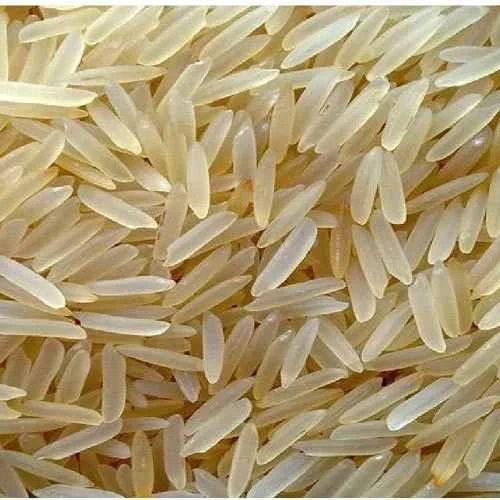
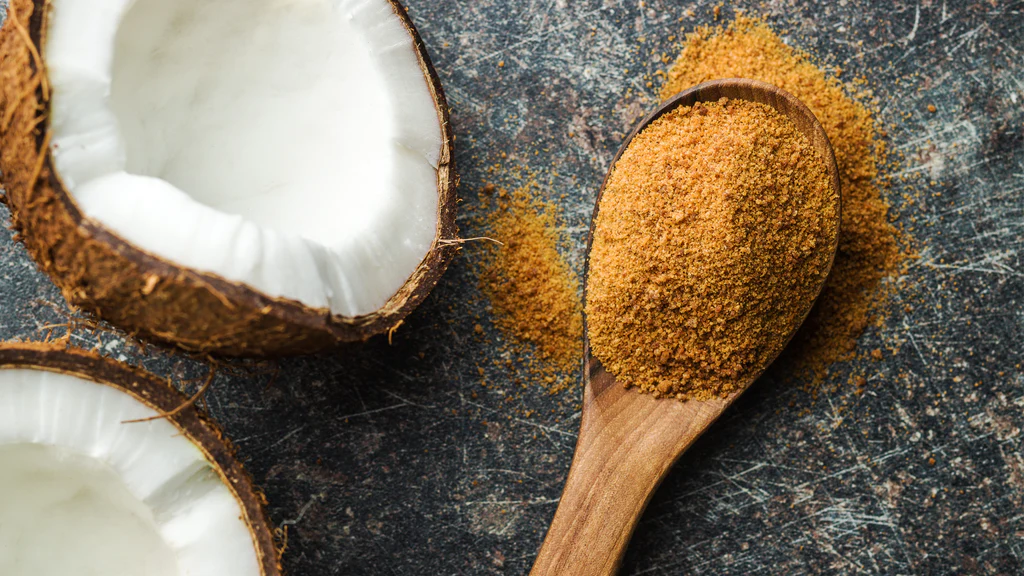
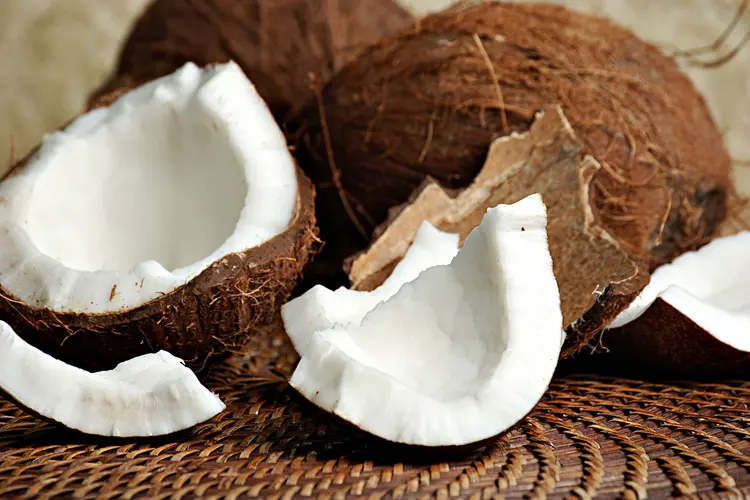
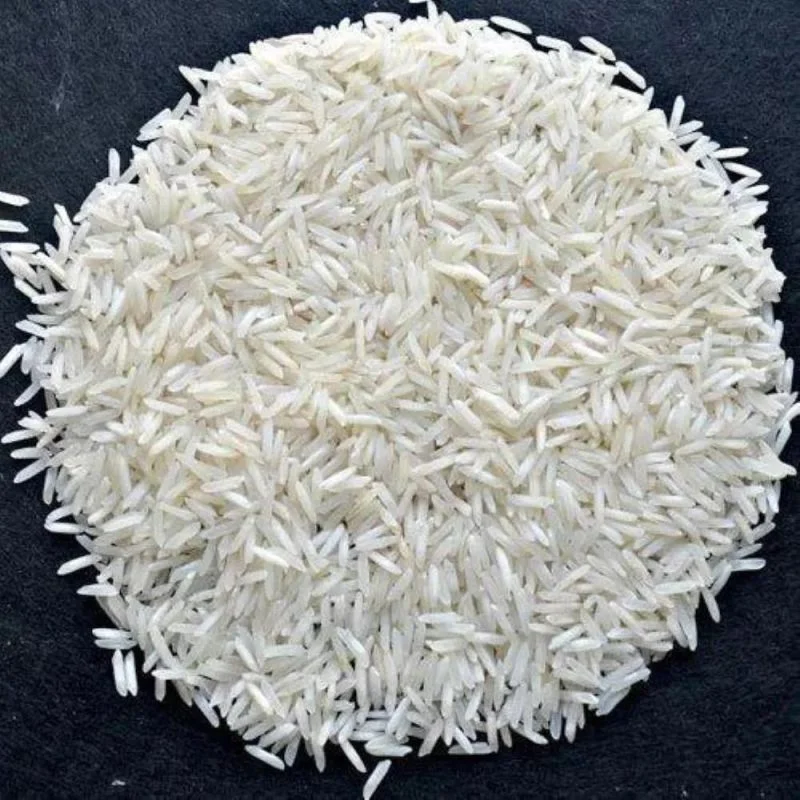
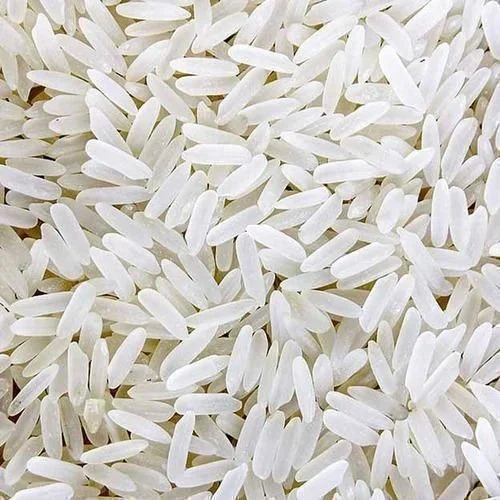
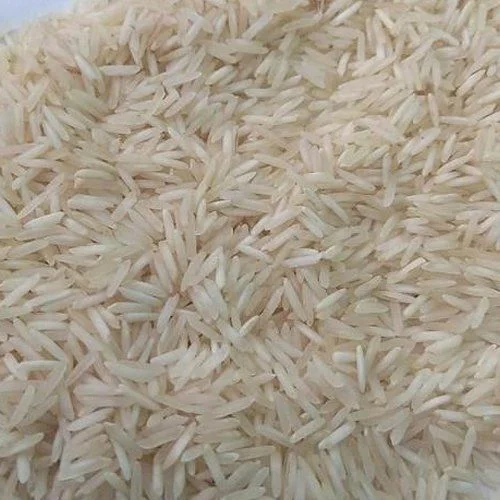
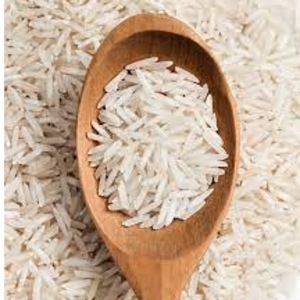
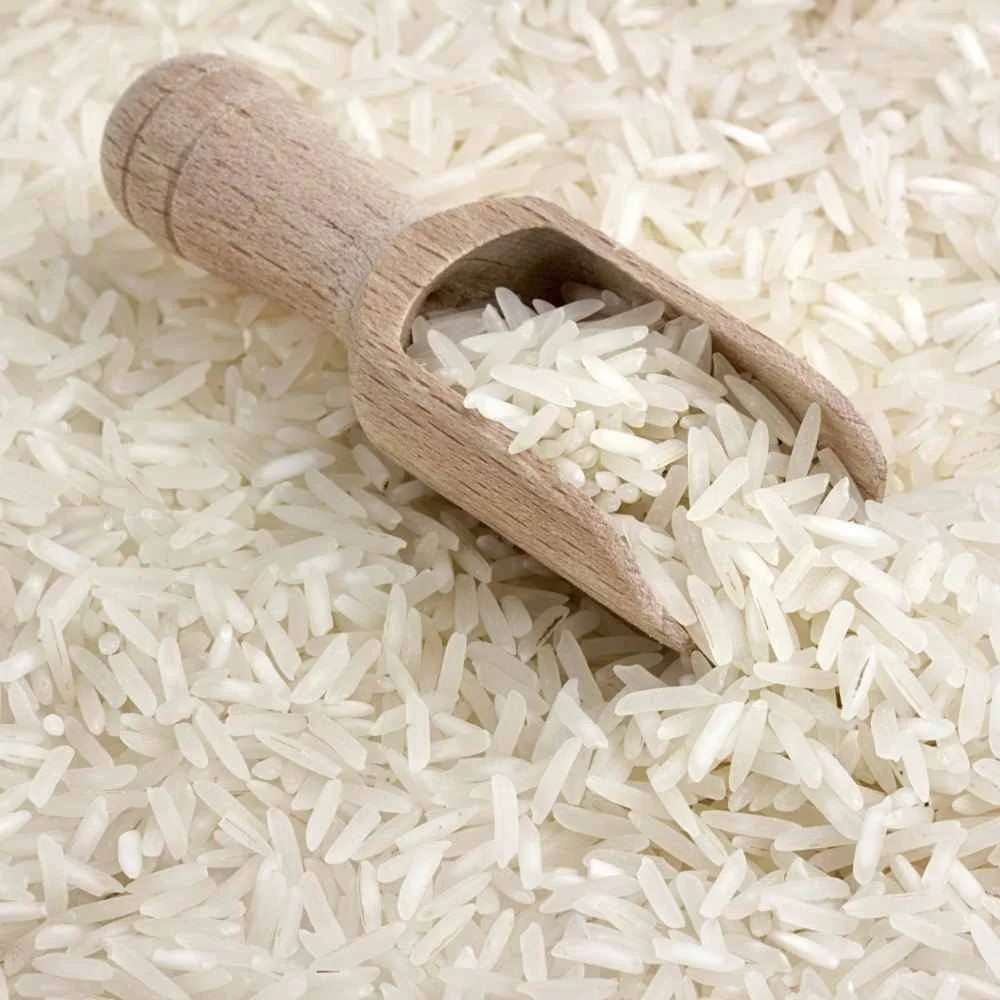
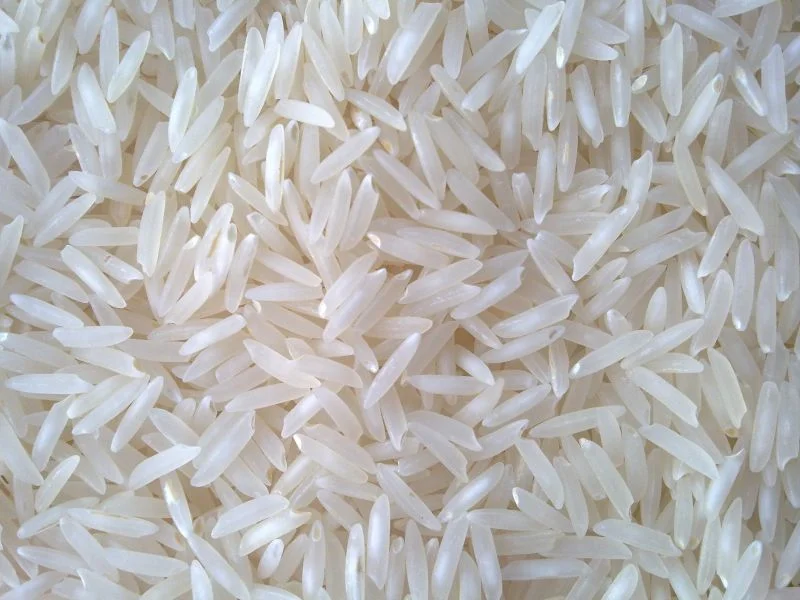
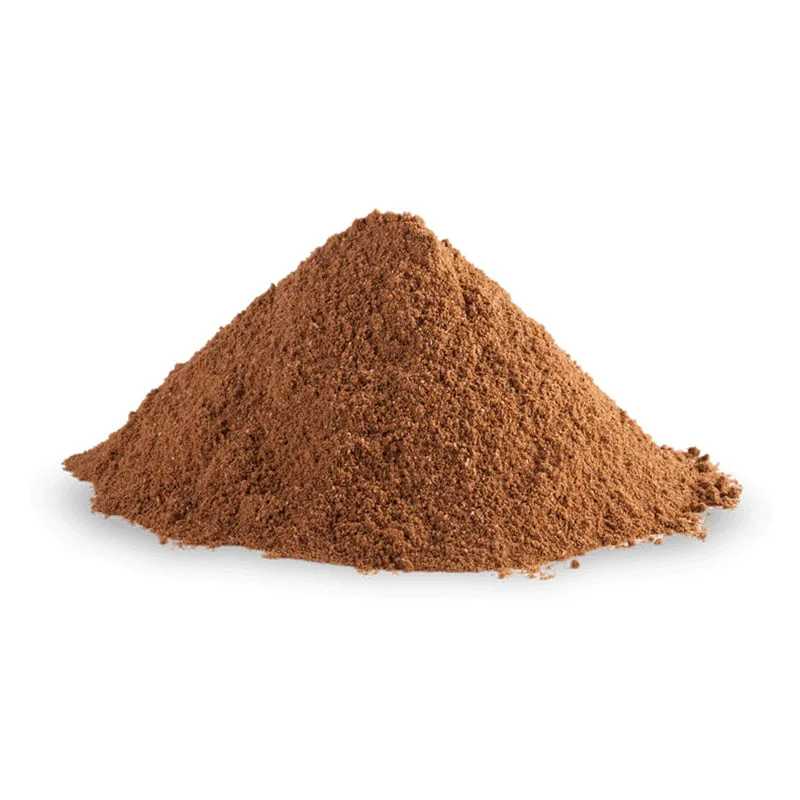
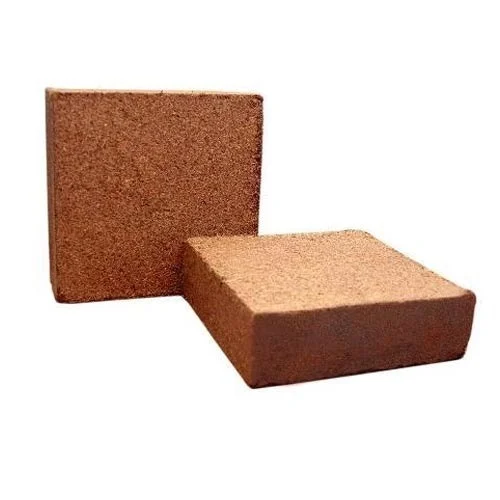
RSC Exports’ catalogue lists Basmati rice, a long‑grain variety commonly exported from the Indian Punjab region with typical export grades of 100 % whole grain, moisture 12‑14 % and broken grain ≤ 12 %. Fresh Cavendish bananas under HS 0803.90 are usually sized 6‑8 inches, harvested green and ripened to yellow, with a maximum of 0.5 % physical damage and compliance with pesticide residue limits set by the importing country. Jaggery and country sugar are traditional Indian non‑refined sugars produced from sugarcane or palm sap, typically containing 85‑90 % sucrose, moisture ≤ 12 % and ash ≤ 0.5 %. The menswear line covers shirts and t‑shirts that are generally made from cotton or cotton‑poly blends with fabric weight between 130‑180 g/m² and seam strength meeting ASTM D3786. Semi‑husked coconut, a common ingredient for oil extraction and confectionery, is usually supplied in 6‑10 mm kernel size with moisture 6‑8 % and free from mold.

Trade and Export Information - RSC Exports

India ranks among the top global exporters of Basmati rice, bananas, jaggery, cotton apparel and coconut products. Typical import destinations for Indian Basmati rice include the Middle East, the EU and the United States, where buyers often require phytosanitary certificates, a certificate of origin and compliance with the Codex Alimentarius maximum pesticide limits. Fresh Cavendish bananas are shipped in refrigerated containers (ISO‑type 20′ or 40′ reefer) and buyers in Europe, the GCC and Southeast Asia usually request a pre‑export inspection and a phytosanitary certificate under HS 0803.90. Jaggery is classified under HS 1702 and is frequently demanded by buyers in South Asia and the Middle East who look for moisture ≤ 12 % and a laboratory analysis of sucrose content. Apparel under HS 6109 is subject to textile lab tests for fibre content, colourfastness and seam strength; many European buyers also request compliance with REACH and Oeko‑Tex standards. Semi‑husked coconut falls under HS 1209; export contracts often specify bulk packaging in 25 kg polypropylene bags or 1 ton wooden crates, with a certificate of analysis confirming moisture and foreign matter levels.

Sourcing from RSC Exports - Buyer Guidance

When sourcing Basmati rice from RSC Exports, request a sample analysis that includes moisture, broken grain percentage and pesticide residue limits. Verify that the rice is packed in 25 kg jute or polypropylene bags suitable for sea freight and that a phytosanitary certificate accompanies the shipment. For fresh Cavendish bananas, ask for a pre‑shipment inspection report, a phytosanitary certificate and a temperature‑controlled logistics plan; buyers commonly require a minimum of 18 °C during transit to preserve ripeness. Jaggery orders should be accompanied by a lab‑tested certificate of analysis showing sucrose content, moisture level and ash content, as well as a certificate of origin for customs clearance. Menswear samples should include fabric composition, GSM, colour swatches and a test report for seam strength; confirming compliance with REACH or Oeko‑Tex is advisable for European buyers. For semi‑husked coconut, request a moisture test result and a declaration that the product meets the importing country’s maximum foreign matter threshold, together with standard export documentation such as commercial invoice, packing list and certificate of origin.

Frequently Asked Questions About RSC Exports

What HS codes are associated with the products listed by RSC Exports?

The only HS code provided in the catalogue is 0803.90 for fresh Cavendish bananas. Rice, jaggery, menswear and semi‑husked coconut are typically classified under HS 1006 (rice), 1702 (jaggery), 6109 (shirts & t‑shirts) and 1209 (coconut products) respectively.

Which quality specifications should I verify for the Basmati rice?

Buyers usually check that the rice is 100 % whole grain, moisture 12‑14 %, broken grain ≤ 12 % and free from foreign matter above 0.5 %. A laboratory certificate confirming these parameters is standard practice.

How is the fresh banana shipment handled to maintain quality?

Bananas are shipped in refrigerated containers set at 18‑20 °C, packed in ventilated boxes or 18 kg cartons. A phytosanitary certificate and a pre‑export inspection report are normally required.

What laboratory tests are common for jaggery supplied by this seller?

Typical tests include sucrose content (≥ 85 %), moisture (≤ 12 %) and ash content (≤ 0.5 %). A certificate of analysis with these results is usually requested.

What fabric information is important for the menswear items?

Buyers look for fibre composition (e.g., 100 % cotton or cotton‑poly blend), fabric weight between 130‑180 g/m², colourfastness ratings and seam strength according to ASTM D3786.

What packaging formats are used for semi‑husked coconut?

The product is commonly packed in 25 kg polypropylene bags or stacked in 1‑ton wooden crates for bulk shipment, with a moisture specification of 6‑8 % noted on the packing list.

Which certifications should I request before placing an order?

Because no certifications are listed for RSC Exports, buyers should request a phytosanitary certificate for bananas, a certificate of analysis for rice, jaggery and coconut, and, for apparel, a compliance statement for REACH or Oeko‑Tex if the destination market requires it.

What are typical minimum order quantities and lead times for these products?

Typical minimum orders are around 5 metric tons for Basmati rice, one 20‑ft refrigerated container for fresh bananas, 2 metric tons for jaggery, and one bulk container (≈ 20 tons) for semi‑husked coconut. Lead times range from 30‑45 days for rice and jaggery, 7‑10 days for bananas (subject to season), and 25‑35 days for apparel.

Featured Products from this Supplier

Other Suppliers in Primary Category

Top Trusted Suppliers

Related Products

Trending in Parent Category

More Suppliers in Category

Related Products

Other Suppliers

EximNext
58.7K+ live requirements
Register Free🎁 Reach verified global buyers
Post Requirement
🌍 Trusted by 224.9K+ businesses in 200+ countries|
58.7K+ active requirements right now
✉️ [email protected]
|
Sell on EximNextPost Requirement
EximNext
AgricultureApparelConstructionElectronicFoodHomeIndustrialMineralsMiscellaneous
🔥 Deals|✨ AI Match|🏭 Suppliers|📋 Buy Leads|💰 Trade Finance
58.7K+ live RFQs·194.8K+ suppliers
🎁 Reach global buyers →
EximNext
EximNext
Register Free
🎁 Reach verified global buyers
Sign In
📋Post Requirement💬Get Quotes✨AI Match📋RFQ Marketplace
All Categories
Services & Tools
🏭Supplier Directory🔥Today's Deals💰Trade Finance
Sell on EximNext →
AboutContactBlogHelp
Agriculture & Food  ·  India
5
products listed

RSC Exports

⚓ Harbor
Country flag , India
🛡️
54/100
Trust Score

RSC Exports Product Catalog

Showing 5 of 5 products
View all products →
Basmati Rice
⚓ Harbor
Basmati Rice
Contact
MOQ: 1 Unit
Fresh Bananas
⚓ Harbor
Fresh Bananas
Contact
MOQ: 1 Unit
Jaggery & Country Sugar
⚓ Harbor
Jaggery & Country Sugar
Contact
MOQ: 1 Unit
Menswear
⚓ Harbor
Menswear
Contact
MOQ: 1 Unit
Semi Husked Coconut
⚓ Harbor
Semi Husked Coconut
Contact
MOQ: 1 Unit

About RSC Exports - Mixed Commodity Supplier in India

India is the source country for RSC Exports, which lists five active products across its catalogue. The portfolio includes Basmati rice, fresh Cavendish bananas (HS 0803.90), jaggery and country sugar, menswear items such as shirts and t‑shirts, and semi‑husked coconut. The rice entry is identified simply as Basmati Rice without a specific HS code in the supplied data. The banana entry specifies the material as fresh Cavendish bananas and is linked to HS code 0803.90. The remaining items - jaggery, menswear and semi‑husked coconut - are recorded without HS codes in the catalogue.

The five product lines span two major food categories (grains, fruit, and coconut by‑products) and one apparel category. RSC Exports is classified in the “harbor” trust tier, indicating a moderate level of verification within the platform. The company's active product count of five reflects a focused offering rather than a broad catalog. All listed items are sourced within India, a major exporter of the respective commodities.

Product Range and Specialties of RSC Exports

RSC Exports’ catalogue lists Basmati rice, a long‑grain variety commonly exported from the Indian Punjab region with typical export grades of 100 % whole grain, moisture 12‑14 % and broken grain ≤ 12 %. Fresh Cavendish bananas under HS 0803.90 are usually sized 6‑8 inches, harvested green and ripened to yellow, with a maximum of 0.5 % physical damage and compliance with pesticide residue limits set by the importing country. Jaggery and country sugar are traditional Indian non‑refined sugars produced from sugarcane or palm sap, typically containing 85‑90 % sucrose, moisture ≤ 12 % and ash ≤ 0.5 %. The menswear line covers shirts and t‑shirts that are generally made from cotton or cotton‑poly blends with fabric weight between 130‑180 g/m² and seam strength meeting ASTM D3786. Semi‑husked coconut, a common ingredient for oil extraction and confectionery, is usually supplied in 6‑10 mm kernel size with moisture 6‑8 % and free from mold.

Trade and Export Information - RSC Exports

India ranks among the top global exporters of Basmati rice, bananas, jaggery, cotton apparel and coconut products. Typical import destinations for Indian Basmati rice include the Middle East, the EU and the United States, where buyers often require phytosanitary certificates, a certificate of origin and compliance with the Codex Alimentarius maximum pesticide limits. Fresh Cavendish bananas are shipped in refrigerated containers (ISO‑type 20′ or 40′ reefer) and buyers in Europe, the GCC and Southeast Asia usually request a pre‑export inspection and a phytosanitary certificate under HS 0803.90. Jaggery is classified under HS 1702 and is frequently demanded by buyers in South Asia and the Middle East who look for moisture ≤ 12 % and a laboratory analysis of sucrose content. Apparel under HS 6109 is subject to textile lab tests for fibre content, colourfastness and seam strength; many European buyers also request compliance with REACH and Oeko‑Tex standards. Semi‑husked coconut falls under HS 1209; export contracts often specify bulk packaging in 25 kg polypropylene bags or 1 ton wooden crates, with a certificate of analysis confirming moisture and foreign matter levels.

Sourcing from RSC Exports - Buyer Guidance

When sourcing Basmati rice from RSC Exports, request a sample analysis that includes moisture, broken grain percentage and pesticide residue limits. Verify that the rice is packed in 25 kg jute or polypropylene bags suitable for sea freight and that a phytosanitary certificate accompanies the shipment. For fresh Cavendish bananas, ask for a pre‑shipment inspection report, a phytosanitary certificate and a temperature‑controlled logistics plan; buyers commonly require a minimum of 18 °C during transit to preserve ripeness. Jaggery orders should be accompanied by a lab‑tested certificate of analysis showing sucrose content, moisture level and ash content, as well as a certificate of origin for customs clearance. Menswear samples should include fabric composition, GSM, colour swatches and a test report for seam strength; confirming compliance with REACH or Oeko‑Tex is advisable for European buyers. For semi‑husked coconut, request a moisture test result and a declaration that the product meets the importing country’s maximum foreign matter threshold, together with standard export documentation such as commercial invoice, packing list and certificate of origin.

Frequently Asked Questions About RSC Exports

What HS codes are associated with the products listed by RSC Exports?

The only HS code provided in the catalogue is 0803.90 for fresh Cavendish bananas. Rice, jaggery, menswear and semi‑husked coconut are typically classified under HS 1006 (rice), 1702 (jaggery), 6109 (shirts & t‑shirts) and 1209 (coconut products) respectively.

Which quality specifications should I verify for the Basmati rice?

Buyers usually check that the rice is 100 % whole grain, moisture 12‑14 %, broken grain ≤ 12 % and free from foreign matter above 0.5 %. A laboratory certificate confirming these parameters is standard practice.

How is the fresh banana shipment handled to maintain quality?

Bananas are shipped in refrigerated containers set at 18‑20 °C, packed in ventilated boxes or 18 kg cartons. A phytosanitary certificate and a pre‑export inspection report are normally required.

What laboratory tests are common for jaggery supplied by this seller?

Typical tests include sucrose content (≥ 85 %), moisture (≤ 12 %) and ash content (≤ 0.5 %). A certificate of analysis with these results is usually requested.

What fabric information is important for the menswear items?

Buyers look for fibre composition (e.g., 100 % cotton or cotton‑poly blend), fabric weight between 130‑180 g/m², colourfastness ratings and seam strength according to ASTM D3786.

What packaging formats are used for semi‑husked coconut?

The product is commonly packed in 25 kg polypropylene bags or stacked in 1‑ton wooden crates for bulk shipment, with a moisture specification of 6‑8 % noted on the packing list.

Which certifications should I request before placing an order?

Because no certifications are listed for RSC Exports, buyers should request a phytosanitary certificate for bananas, a certificate of analysis for rice, jaggery and coconut, and, for apparel, a compliance statement for REACH or Oeko‑Tex if the destination market requires it.

What are typical minimum order quantities and lead times for these products?

Typical minimum orders are around 5 metric tons for Basmati rice, one 20‑ft refrigerated container for fresh bananas, 2 metric tons for jaggery, and one bulk container (≈ 20 tons) for semi‑husked coconut. Lead times range from 30‑45 days for rice and jaggery, 7‑10 days for bananas (subject to season), and 25‑35 days for apparel.

About RSC Exports - Mixed Commodity Supplier in India

India is the source country for RSC Exports, which lists five active products across its catalogue. The portfolio includes Basmati rice, fresh Cavendish bananas (HS 0803.90), jaggery and country sugar, menswear items such as shirts and t‑shirts, and semi‑husked coconut. The rice entry is identified simply as Basmati Rice without a specific HS code in the supplied data. The banana entry specifies the material as fresh Cavendish bananas and is linked to HS code 0803.90. The remaining items - jaggery, menswear and semi‑husked coconut - are recorded without HS codes in the catalogue.

The five product lines span two major food categories (grains, fruit, and coconut by‑products) and one apparel category. RSC Exports is classified in the “harbor” trust tier, indicating a moderate level of verification within the platform. The company's active product count of five reflects a focused offering rather than a broad catalog. All listed items are sourced within India, a major exporter of the respective commodities.

Product Range and Specialties of RSC Exports

RSC Exports’ catalogue lists Basmati rice, a long‑grain variety commonly exported from the Indian Punjab region with typical export grades of 100 % whole grain, moisture 12‑14 % and broken grain ≤ 12 %. Fresh Cavendish bananas under HS 0803.90 are usually sized 6‑8 inches, harvested green and ripened to yellow, with a maximum of 0.5 % physical damage and compliance with pesticide residue limits set by the importing country. Jaggery and country sugar are traditional Indian non‑refined sugars produced from sugarcane or palm sap, typically containing 85‑90 % sucrose, moisture ≤ 12 % and ash ≤ 0.5 %. The menswear line covers shirts and t‑shirts that are generally made from cotton or cotton‑poly blends with fabric weight between 130‑180 g/m² and seam strength meeting ASTM D3786. Semi‑husked coconut, a common ingredient for oil extraction and confectionery, is usually supplied in 6‑10 mm kernel size with moisture 6‑8 % and free from mold.

Trade and Export Information - RSC Exports

India ranks among the top global exporters of Basmati rice, bananas, jaggery, cotton apparel and coconut products. Typical import destinations for Indian Basmati rice include the Middle East, the EU and the United States, where buyers often require phytosanitary certificates, a certificate of origin and compliance with the Codex Alimentarius maximum pesticide limits. Fresh Cavendish bananas are shipped in refrigerated containers (ISO‑type 20′ or 40′ reefer) and buyers in Europe, the GCC and Southeast Asia usually request a pre‑export inspection and a phytosanitary certificate under HS 0803.90. Jaggery is classified under HS 1702 and is frequently demanded by buyers in South Asia and the Middle East who look for moisture ≤ 12 % and a laboratory analysis of sucrose content. Apparel under HS 6109 is subject to textile lab tests for fibre content, colourfastness and seam strength; many European buyers also request compliance with REACH and Oeko‑Tex standards. Semi‑husked coconut falls under HS 1209; export contracts often specify bulk packaging in 25 kg polypropylene bags or 1 ton wooden crates, with a certificate of analysis confirming moisture and foreign matter levels.

Sourcing from RSC Exports - Buyer Guidance

When sourcing Basmati rice from RSC Exports, request a sample analysis that includes moisture, broken grain percentage and pesticide residue limits. Verify that the rice is packed in 25 kg jute or polypropylene bags suitable for sea freight and that a phytosanitary certificate accompanies the shipment. For fresh Cavendish bananas, ask for a pre‑shipment inspection report, a phytosanitary certificate and a temperature‑controlled logistics plan; buyers commonly require a minimum of 18 °C during transit to preserve ripeness. Jaggery orders should be accompanied by a lab‑tested certificate of analysis showing sucrose content, moisture level and ash content, as well as a certificate of origin for customs clearance. Menswear samples should include fabric composition, GSM, colour swatches and a test report for seam strength; confirming compliance with REACH or Oeko‑Tex is advisable for European buyers. For semi‑husked coconut, request a moisture test result and a declaration that the product meets the importing country’s maximum foreign matter threshold, together with standard export documentation such as commercial invoice, packing list and certificate of origin.

Frequently Asked Questions About RSC Exports
What HS codes are associated with the products listed by RSC Exports?
The only HS code provided in the catalogue is 0803.90 for fresh Cavendish bananas. Rice, jaggery, menswear and semi‑husked coconut are typically classified under HS 1006 (rice), 1702 (jaggery), 6109 (shirts & t‑shirts) and 1209 (coconut products) respectively.
Which quality specifications should I verify for the Basmati rice?
Buyers usually check that the rice is 100 % whole grain, moisture 12‑14 %, broken grain ≤ 12 % and free from foreign matter above 0.5 %. A laboratory certificate confirming these parameters is standard practice.
How is the fresh banana shipment handled to maintain quality?
Bananas are shipped in refrigerated containers set at 18‑20 °C, packed in ventilated boxes or 18 kg cartons. A phytosanitary certificate and a pre‑export inspection report are normally required.
What laboratory tests are common for jaggery supplied by this seller?
Typical tests include sucrose content (≥ 85 %), moisture (≤ 12 %) and ash content (≤ 0.5 %). A certificate of analysis with these results is usually requested.
What fabric information is important for the menswear items?
Buyers look for fibre composition (e.g., 100 % cotton or cotton‑poly blend), fabric weight between 130‑180 g/m², colourfastness ratings and seam strength according to ASTM D3786.
What packaging formats are used for semi‑husked coconut?
The product is commonly packed in 25 kg polypropylene bags or stacked in 1‑ton wooden crates for bulk shipment, with a moisture specification of 6‑8 % noted on the packing list.
Which certifications should I request before placing an order?
Because no certifications are listed for RSC Exports, buyers should request a phytosanitary certificate for bananas, a certificate of analysis for rice, jaggery and coconut, and, for apparel, a compliance statement for REACH or Oeko‑Tex if the destination market requires it.
What are typical minimum order quantities and lead times for these products?
Typical minimum orders are around 5 metric tons for Basmati rice, one 20‑ft refrigerated container for fresh bananas, 2 metric tons for jaggery, and one bulk container (≈ 20 tons) for semi‑husked coconut. Lead times range from 30‑45 days for rice and jaggery, 7‑10 days for bananas (subject to season), and 25‑35 days for apparel.

RSC Exports
Country flag India
⚓ HarborAgriculture & Food
54/100
Trust Score
5
Products
✓ Free to contact — no commission
✓ Escrow payment available
✓ Verified business identity
Compare more suppliers
Post a requirement — get 10 quotes free
Let verified suppliers compete for your business. Free, fast, no commitment.
EximNext Verified Supplier
Business identity verified
Physical address confirmed
Financial history checked
Certifications authenticated
Trade references validated
Due Diligence
Verify this supplier's real shipping history.
Every shipment, every buyer, every port. Trade data that can't be faked.
Run due diligence →
Discover More

Related Suppliers & Products

Explore similar suppliers, related products and trending categories

Featured Products from this Supplier

Other Suppliers in Primary Category

Top Trusted Suppliers

Related Products

Trending in Parent Category

More Suppliers in Category

Stay ahead in global trade
Weekly market insights & new supplier alerts.
EximNext
Exim Next is a leading global B2B marketplace, connecting over 205,000 verified suppliers and buyers across 200+ countries. As a trusted import export marketplace, it serves as the essential B2B portal for businesses worldwide, empowering them to expand their international reach. With Exim Next, businesses can trade smarter and grow faster.
SECURE PAYMENTS
VISAMastercardPayPalSWIFTL/CEscrow
Follow us
© 2026 EximNext