Agriculture›
 Apparel and fashion accessories›
 Construction & real estate›💡Electronic & Electrical›🍎Food & Beverages›🛋️Home furnishing & supplies›⚗️Industrial goods & chemical›🪨Minerals & metals›📦Miscellaneous›Agriculture›Apparel and fashion accessories›Construction & real estate›💡Electronic & Electrical›🍎Food & Beverages›🛋️Home furnishing & supplies›⚗️Industrial goods & chemical›🪨Minerals & metals›📦Miscellaneous›
RMY INTERNATIONAL Product Catalog
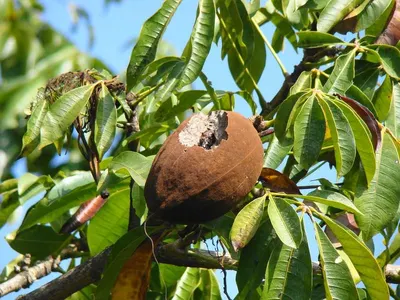
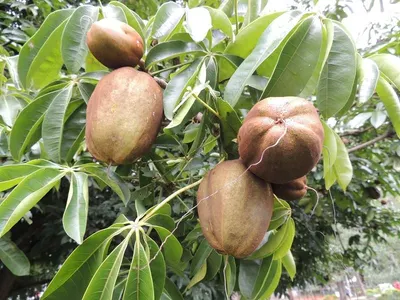
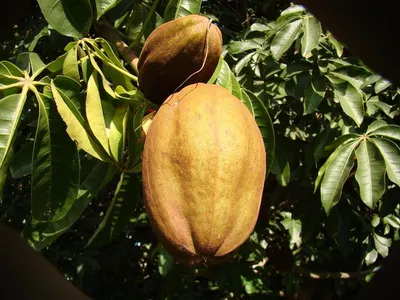
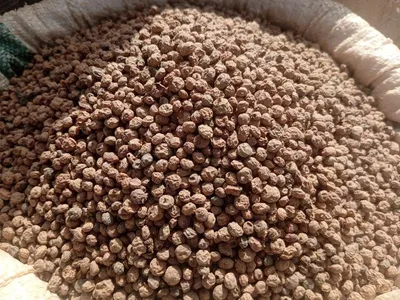
About RMY INTERNATIONAL - Soap Nuts Supplier in Pakistan
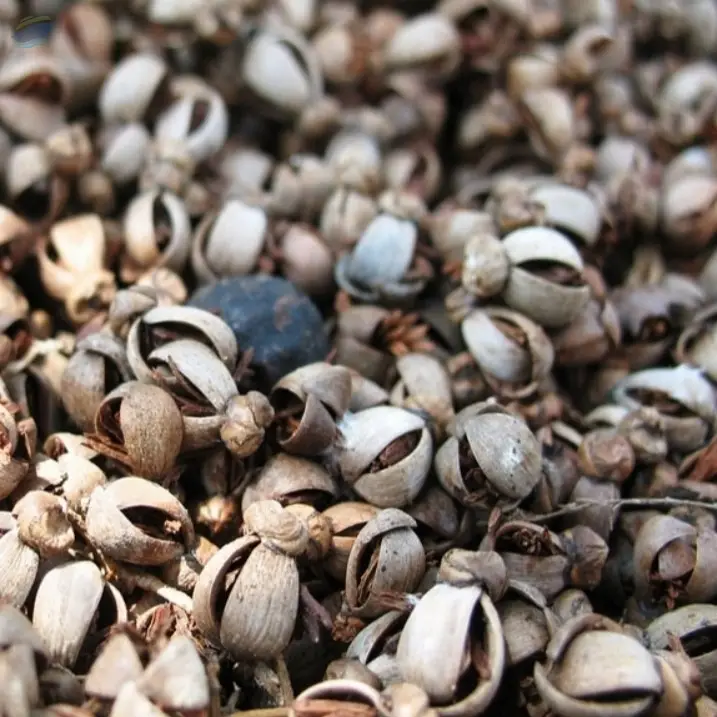
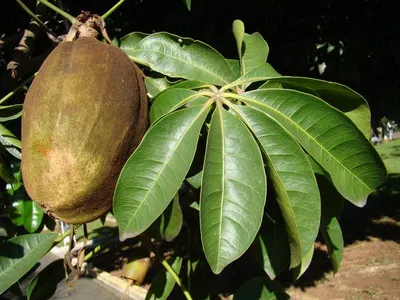
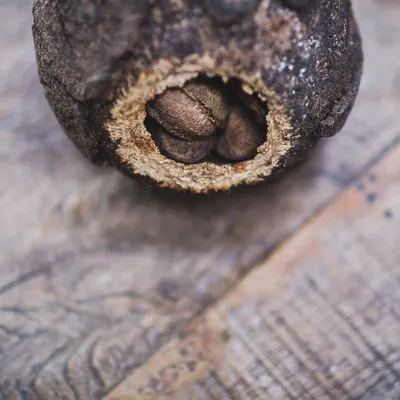
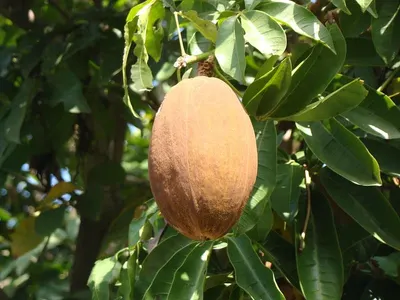
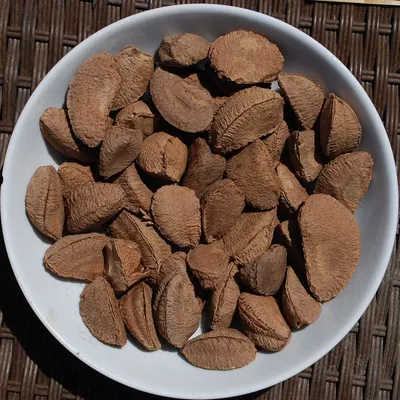
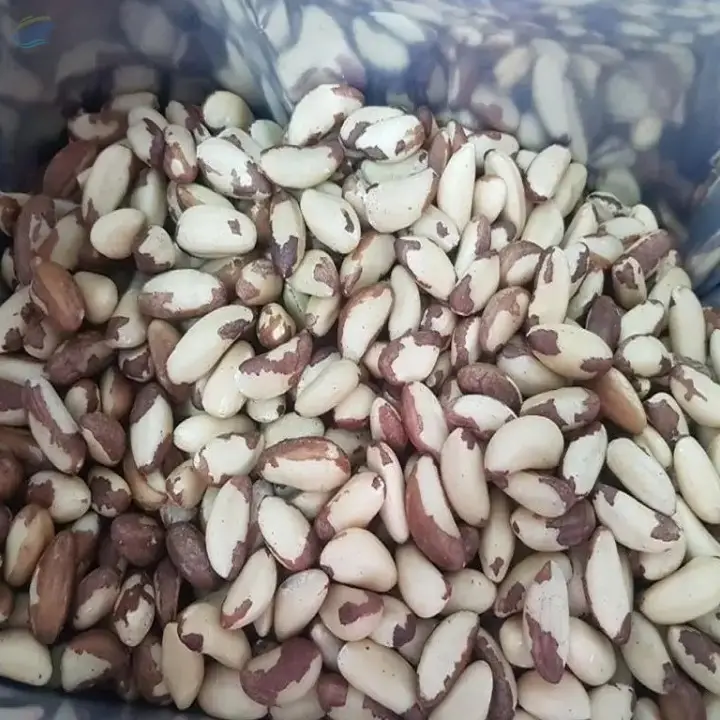
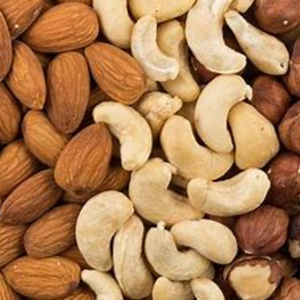
RMY INTERNATIONAL is based in Pakistan and currently lists ten active products in its catalogue. The supplier is classified in the organic tier and is recorded under the harbor trust tier, indicating a focus on naturally derived materials. Its top‑level categories are Brazil Nuts, Cashew Nuts and Palm Nuts, while the detailed product list concentrates on soap‑nut derivatives such as whole nuts, shells, powders, extracts, face‑wash and hair‑oil formulations. Each entry is paired with a distinct HS‑code label (for example rmy 001 for RMY Soap Nuts and rmy 010 for RMY Soapnuts Hair Oil), reflecting the range of HS‑code families covered by the catalogue.
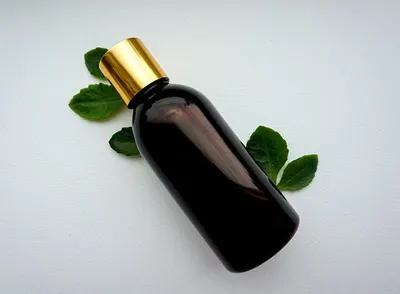
The catalogue entries describe the material focus as related to soaps, shampoos, detergents, face‑wash, creams, oils and cosmetics. Product names include RMY Soap Nuts, RMY Soap nut Shells, RMY Soap Nuts Packaging, RMY Soapnut Seeds, various powder forms and extracts. The HS‑code strings are non‑standard identifiers (e.g., rmy 004, 007, rmy 008) that the supplier uses internally to differentiate each format. All ten items are positioned as raw or processed forms of the soap‑nut fruit intended for use in personal‑care and cleaning applications.
Product Range and Specialties of RMY INTERNATIONAL
The listed products cover the full processing chain of soap‑nut fruit: whole nuts (RMY Soap Nuts), shells, seed material, coarse and fine powders, a powdered seed blend, an extract, and finished personal‑care items such as face‑wash and hair‑oil. In the broader industry, whole soap‑nuts are typically sized 8‑12 mm, contain 15‑20 % saponin, and are exported with moisture below 10 %. Powder grades are classified by particle size (coarse ≈ 500 µm, fine ≈ 150 µm) and saponin concentration, while extracts are standardized to a minimum of 5 % saponin in liquid form. Common packaging includes 25 kg multi‑wall bags for bulk powder and 20 ft containers for finished liquids, with HS‑code chapters 3307 (preparations for personal hygiene) and 0709 (fruit, nuts) typically applied to these goods.
Frequently Asked Questions About RMY INTERNATIONAL
What soap‑nut products does RMY INTERNATIONAL list in its catalogue?
The catalogue includes ten items: whole soap nuts, shells, packaging, seeds, several powder forms, a seed‑powder blend, an extract, a face‑wash and a hair‑oil, each identified with a unique internal HS‑code such as rmy 001 or rmy 010.
Which HS‑code families are associated with the listed products?
The supplier uses internal identifiers like rmy 001, rmy 002, rmy 003, rmy 004, rmy 005, rmy 006, RMY INTERNATONAL, 007, rmy 008 and rmy 010. These map to broader customs headings 3307 (preparations for personal hygiene) and 0709 (fruit and nuts).
Are there standard quality specifications for soap‑nut powders?
Industry standards typically require moisture below 10 %, saponin content of 15‑20 % for whole nuts and at least 5 % for extracts, and particle‑size limits of 150‑500 µm for fine and coarse powders respectively.
What certifications are commonly required for natural surfactant exports from Pakistan?
Importers usually request ISO 9001, GMP, and organic certifications such as ECOCERT or USDA Organic, together with a Phytosanitary Certificate and a Certificate of Origin.
What is the usual minimum order quantity for bulk soap‑nut powders?
Buyers generally start with a MOQ of 500 kg, which can be shipped in 25 kg bags and consolidated into a 20 ft container.
 Pakistan
Related Suppliers & Products
Explore similar suppliers, related products and trending categories



.jpg.png)