RMY International — Verified Supplier

About RMY International - Pink Salt Supplier in Pakistan

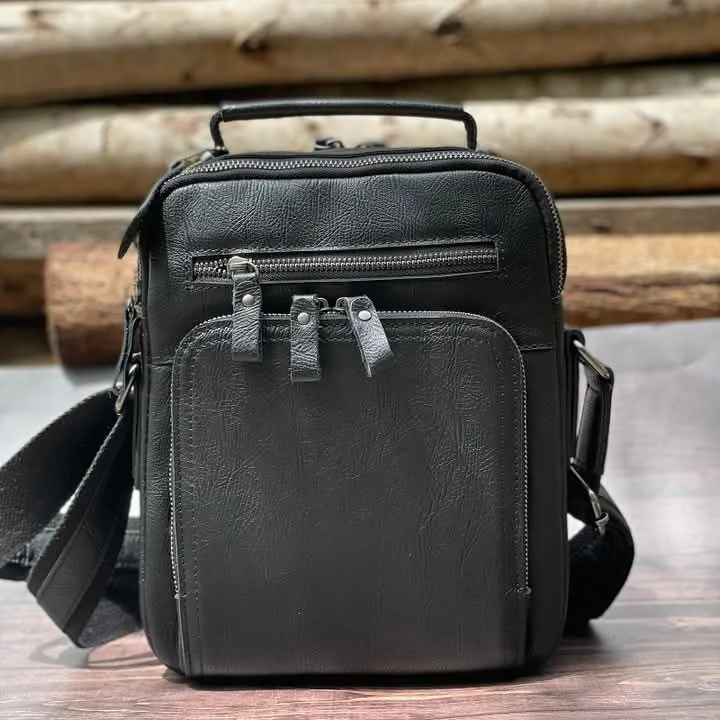
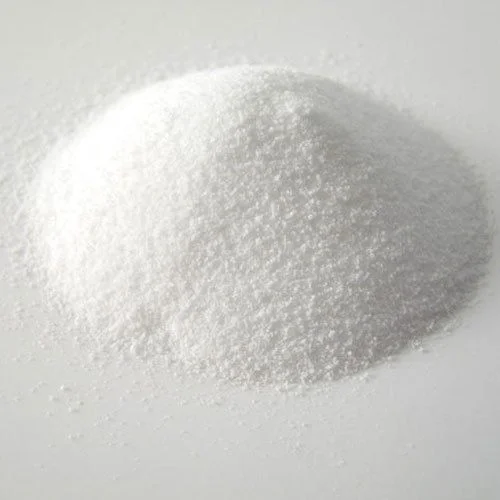
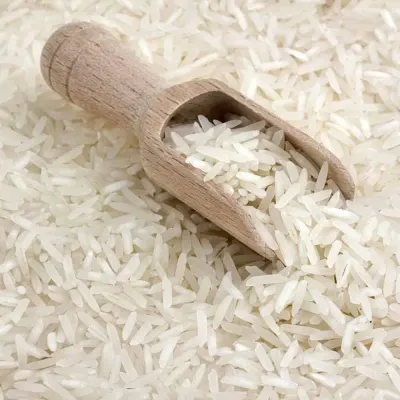
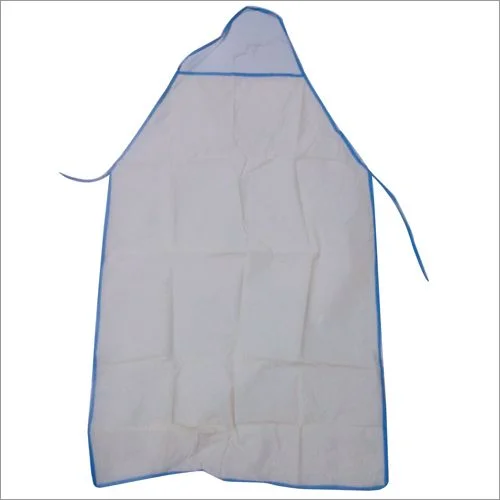
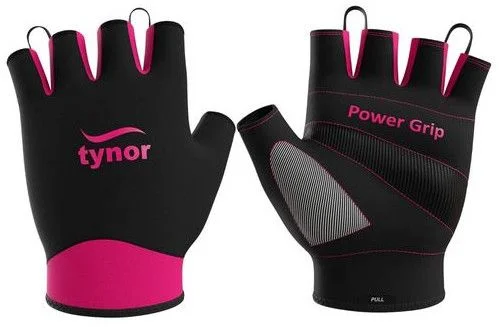
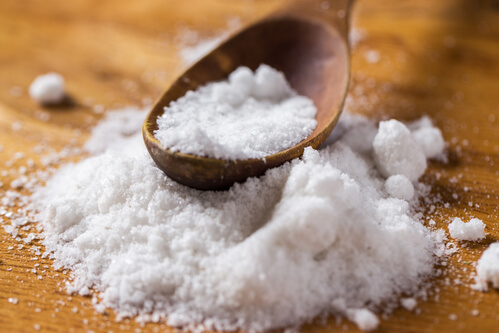
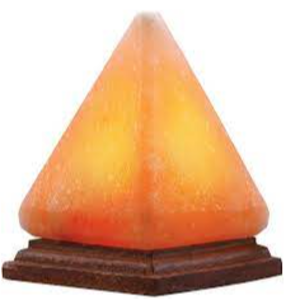
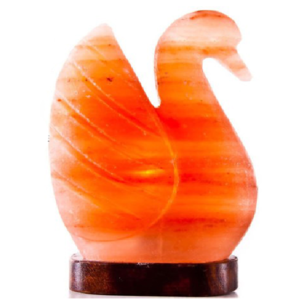
RMY International is based in Islamabad, Pakistan and currently lists nine active products across its catalogue. The portfolio includes leather accessories such as gloves, aprons and bags (HS code rmy 001, 4203.10 and rmy 009), a line of textile items like 100 % cotton judo uniforms (HS code rmy 005), food commodities including Super Basmati rice (HS code rmy 003), and several mineral‑based goods such as natural Himalayan pink salt, pink salt lamps and iron‑basket salt lamps (HS codes 2501.00, 6802.99 and 9405.29). Each entry is grouped under the broader HS families for leather articles, food grains, mineral products and metal goods. The supplier’s listed top categories also mention alcoholic beverages, tobacco and bar products, although specific items in those categories are not detailed in the catalogue.

The nine products cover three distinct material groups: leather, edible salt and rice, and mineral‑derived decorative lamps. Leather items are described simply as leather material, while the salt products are identified as natural Himalayan pink salt and pink salt lamps, both falling under HS chapter 25 for salts. The rice entry specifies the Basmati variety, a long‑grain rice traditionally cultivated in the Indo‑Pak region. The catalogue also includes a cotton judo uniform, reflecting a textile offering that aligns with HS chapter 62 for apparel. No additional manufacturing capacities, certifications or client references are provided in the source data.

Product Range and Specialties of RMY International

The catalogue’s leather segment comprises gloves, aprons and bags, all classified under HS 4203.10 or custom codes. In the global market, leather goods are typically offered in full‑grain or top‑grain finishes, with vegetable‑tanned or chrome‑tanned processes, and thicknesses ranging from 1.2 mm to 2.0 mm. Buyers often request specifications such as tear strength (≥30 MPa) and colourfastness ratings. The salt segment includes natural Himalayan pink salt (HS 2501.00) and decorative pink salt lamps (HS 6802.99). Industry standards for edible salt reference ICUMSA grades, with ICUMSA 45 denoting high purity (≥99.5 % NaCl) and low moisture (≤0.5 %). Lamp variants are usually sold in 2 - 5 kg crystal blocks mounted in metal or ceramic bases. The rice product is identified as Super Basmati rice; typical export specifications call for grain length of 1500 - 1800 mm, aroma index ≥1.5 %, moisture ≤14 % and husk‑free milling yield of ≥66 %. The judo uniform is a 100 % cotton garment, commonly supplied in fabric weight of 12 - 14 oz/yd² (≈400 - 470 g/m²) and reinforced stitching on seams.

Trade and Export Information - RMY International

Pakistan exports a broad selection of leather, salt and rice products to markets in the Middle East, Europe and North America. HS chapter 42 for leather articles, chapter 25 for salts and chapter 10 for rice are routinely inspected by customs authorities, with many importers requiring a Certificate of Origin and a laboratory analysis report. Food items such as Basmati rice often need to meet HACCP or ISO 22000 standards, while edible salts are frequently checked for compliance with Codex Alimentarius specifications and may be accompanied by an ICUMSA certificate. Decorative salt lamps fall under HS 6802.99 and are subject to safety testing for lead content and electrical compliance when fitted with lighting components. Leather goods may be required to present an Oeko‑Tex Standard 100 or a leather‑specific Tanning Waste Management certificate, especially for EU buyers.

Logistically, bulk salt is commonly packed in 25 kg polypropylene bags or 1 ton bulk containers, while leather items are shipped in 20‑ft or 40‑ft containers with individual cartons to prevent abrasion. Rice is typically exported in 20 kg jute bags, stacked in containers with moisture‑controlled ventilation. Export documentation from Pakistan generally includes a commercial invoice, packing list, Bill of Lading, and for food items, a phytosanitary certificate. Incoterms such as FOB Islamabad or CIF Dubai are frequently used, allowing buyers to select the level of transport risk they prefer.

Sourcing from RMY International - Buyer Guidance

When sourcing leather gloves, aprons or bags from RMY International, request a sample to verify tanning method, colour consistency and edge stitching. Ask for a leather test report that includes chromium‑VI limits, tensile strength and any Oeko‑Tex certification if required for your market. For the Himalayan pink salt and pink salt lamps, request an ICUMSA analysis report and a moisture content certificate; buyers often set a maximum moisture threshold of 0.5 % for edible salt. The rice shipment should be accompanied by a Certificate of Analysis showing pesticide residue levels below Codex limits, moisture content, and a milling yield statement.

Confirm the HS codes on the commercial invoice match the product descriptions (e.g., 4203.10 for leather aprons, 2501.00 for salt, 6802.99 for lamps). Verify that the supplier can provide a Certificate of Origin and, where relevant, a HACCP or ISO 22000 compliance letter for the rice. Typical minimum order quantities are 500 kg for bulk salt, 1 ton for rice, and 200 pcs for leather accessories, but exact figures should be negotiated per shipment. Ensure that packaging meets your destination’s regulations - for example, food‑grade bags for salt and rice, and sturdy cartons with corner protection for leather items.

Frequently Asked Questions About RMY International

What HS codes are associated with RMY International’s leather products?

Leather aprons are listed under HS 4203.10, while the gloves and bags use custom codes (rmy 001 and rmy 009) that correspond to the general HS chapter 42 for leather articles.

Which quality certifications should a buyer request for the Himalayan pink salt?

Buyers typically ask for an ICUMSA 45 certificate, a moisture content analysis (≤0.5 %), and a Certificate of Origin to satisfy most import regulations.

How is the Super Basmati rice packaged for export?

The rice is generally packed in 20 kg jute or polypropylene bags, stacked in standard 20‑ft containers with ventilation to maintain moisture below 14 %.

What textile specifications apply to the RMY judo uniforms?

The uniforms are 100 % cotton, usually supplied in a fabric weight of 12 - 14 oz/yd² (≈400 - 470 g/m²) with reinforced stitching on the seams to meet competition standards.

Are there any typical regulatory documents needed for the pink salt lamps?

Importers often require a safety test report for lead content, a material safety data sheet for the crystal, and a Certificate of Origin; the lamps fall under HS 6802.99 for decorative mineral products.

What Incoterms does RMY International commonly use for shipments?

Common Incoterms include FOB Islamabad for buyers who prefer to arrange freight, and CIF Dubai for those who want the seller to cover main carriage and insurance.

What minimum order quantities are typical for the leather bags?

While the catalogue does not state a fixed MOQ, buyers usually start with an order of 200‑300 pieces to allow for size and colour sampling.

Which export markets are most likely to import the listed products?

Pakistan’s leather, salt and rice exports are frequently directed to the United Arab Emirates, European Union member states, and North American distributors that require the standard certifications mentioned above.


Other Suppliers in Pink Salt

Top Trusted Suppliers

Related Products in Pink Salt

Trending in Parent Category

More Suppliers in Parent Category

Related Products

Other Suppliers

EximNext
58.4K+ live requirements
Register Free🎁 5 free buy-lead credits
Post Requirement
🌍 Trusted by 224.4K+ businesses in 200+ countries|
58.4K+ active requirements right now
✉️ [email protected]
|
Sell on EximNextPost Requirement
EximNext
AgricultureApparelConstructionElectronicFoodHomeIndustrialMineralsMiscellaneous
🔥 Deals|✨ AI Match|🏭 Suppliers|📋 Buy Leads|💰 Trade Finance|⭐ Upgrade
58.4K+ live RFQs·194.4K+ suppliers
🎁 5 free credits →
EximNext
EximNext
Register Free
🎁 5 free buy-lead credits
Sign In
📋Post Requirement💬Get QuotesAI Match📋RFQ Marketplace
All Categories
Services & Tools
🏭Supplier Directory🔥Today's Deals💰Trade FinanceMembership
Sell on EximNext
AboutContactBlogHelp
🏭

RMY International

Harbor
Country flag , Pakistan
🛡️
58/100
Trust Score

RMY International Product Catalog

Showing 10 of 10 products
View all products →
Iron Basket  Salt Lamps
Harbor
Iron Basket Salt Lamps
Contact
MOQ: 1 Unit
Leather Bags
Harbor
Leather Bags
Contact
MOQ: 1 Unit
RMY Pink Salt
Harbor
RMY Pink Salt
Contact
MOQ: 1 Unit
Natural Himalayan Pink Salt
Harbor
Natural Himalayan Pink Salt
Contact
MOQ: 1 Unit
RMY Pink Salt Lamps
Harbor
RMY Pink Salt Lamps
Contact
MOQ: 1 Unit
RMY Judo Uniforms
Harbor
RMY Judo Uniforms
Contact
MOQ: 1 Unit
RMY Sport Football, Basketball, Volleyball, Ice Hockey, Netball.
Harbor
RMY Sport Football, Basketball, Volleyball, Ice Hockey, Netball.
Contact
MOQ: 1 Unit
Super Basmati Rice
Harbor
Super Basmati Rice
Contact
MOQ: 1 Unit
Leather Aprons
Harbor
Leather Aprons
Contact
MOQ: 1 Unit
Leather Gloves
Harbor
Leather Gloves
Contact
MOQ: 1 Unit

About RMY International - Pink Salt Supplier in Pakistan

RMY International is based in Islamabad, Pakistan and currently lists nine active products across its catalogue. The portfolio includes leather accessories such as gloves, aprons and bags (HS code rmy 001, 4203.10 and rmy 009), a line of textile items like 100 % cotton judo uniforms (HS code rmy 005), food commodities including Super Basmati rice (HS code rmy 003), and several mineral‑based goods such as natural Himalayan pink salt, pink salt lamps and iron‑basket salt lamps (HS codes 2501.00, 6802.99 and 9405.29). Each entry is grouped under the broader HS families for leather articles, food grains, mineral products and metal goods. The supplier’s listed top categories also mention alcoholic beverages, tobacco and bar products, although specific items in those categories are not detailed in the catalogue.

The nine products cover three distinct material groups: leather, edible salt and rice, and mineral‑derived decorative lamps. Leather items are described simply as leather material, while the salt products are identified as natural Himalayan pink salt and pink salt lamps, both falling under HS chapter 25 for salts. The rice entry specifies the Basmati variety, a long‑grain rice traditionally cultivated in the Indo‑Pak region. The catalogue also includes a cotton judo uniform, reflecting a textile offering that aligns with HS chapter 62 for apparel. No additional manufacturing capacities, certifications or client references are provided in the source data.

Product Range and Specialties of RMY International

The catalogue’s leather segment comprises gloves, aprons and bags, all classified under HS 4203.10 or custom codes. In the global market, leather goods are typically offered in full‑grain or top‑grain finishes, with vegetable‑tanned or chrome‑tanned processes, and thicknesses ranging from 1.2 mm to 2.0 mm. Buyers often request specifications such as tear strength (≥30 MPa) and colourfastness ratings. The salt segment includes natural Himalayan pink salt (HS 2501.00) and decorative pink salt lamps (HS 6802.99). Industry standards for edible salt reference ICUMSA grades, with ICUMSA 45 denoting high purity (≥99.5 % NaCl) and low moisture (≤0.5 %). Lamp variants are usually sold in 2 - 5 kg crystal blocks mounted in metal or ceramic bases. The rice product is identified as Super Basmati rice; typical export specifications call for grain length of 1500 - 1800 mm, aroma index ≥1.5 %, moisture ≤14 % and husk‑free milling yield of ≥66 %. The judo uniform is a 100 % cotton garment, commonly supplied in fabric weight of 12 - 14 oz/yd² (≈400 - 470 g/m²) and reinforced stitching on seams.

Trade and Export Information - RMY International

Pakistan exports a broad selection of leather, salt and rice products to markets in the Middle East, Europe and North America. HS chapter 42 for leather articles, chapter 25 for salts and chapter 10 for rice are routinely inspected by customs authorities, with many importers requiring a Certificate of Origin and a laboratory analysis report. Food items such as Basmati rice often need to meet HACCP or ISO 22000 standards, while edible salts are frequently checked for compliance with Codex Alimentarius specifications and may be accompanied by an ICUMSA certificate. Decorative salt lamps fall under HS 6802.99 and are subject to safety testing for lead content and electrical compliance when fitted with lighting components. Leather goods may be required to present an Oeko‑Tex Standard 100 or a leather‑specific Tanning Waste Management certificate, especially for EU buyers.

Logistically, bulk salt is commonly packed in 25 kg polypropylene bags or 1 ton bulk containers, while leather items are shipped in 20‑ft or 40‑ft containers with individual cartons to prevent abrasion. Rice is typically exported in 20 kg jute bags, stacked in containers with moisture‑controlled ventilation. Export documentation from Pakistan generally includes a commercial invoice, packing list, Bill of Lading, and for food items, a phytosanitary certificate. Incoterms such as FOB Islamabad or CIF Dubai are frequently used, allowing buyers to select the level of transport risk they prefer.

Sourcing from RMY International - Buyer Guidance

When sourcing leather gloves, aprons or bags from RMY International, request a sample to verify tanning method, colour consistency and edge stitching. Ask for a leather test report that includes chromium‑VI limits, tensile strength and any Oeko‑Tex certification if required for your market. For the Himalayan pink salt and pink salt lamps, request an ICUMSA analysis report and a moisture content certificate; buyers often set a maximum moisture threshold of 0.5 % for edible salt. The rice shipment should be accompanied by a Certificate of Analysis showing pesticide residue levels below Codex limits, moisture content, and a milling yield statement.

Confirm the HS codes on the commercial invoice match the product descriptions (e.g., 4203.10 for leather aprons, 2501.00 for salt, 6802.99 for lamps). Verify that the supplier can provide a Certificate of Origin and, where relevant, a HACCP or ISO 22000 compliance letter for the rice. Typical minimum order quantities are 500 kg for bulk salt, 1 ton for rice, and 200 pcs for leather accessories, but exact figures should be negotiated per shipment. Ensure that packaging meets your destination’s regulations - for example, food‑grade bags for salt and rice, and sturdy cartons with corner protection for leather items.

Frequently Asked Questions About RMY International

What HS codes are associated with RMY International’s leather products?

Leather aprons are listed under HS 4203.10, while the gloves and bags use custom codes (rmy 001 and rmy 009) that correspond to the general HS chapter 42 for leather articles.

Which quality certifications should a buyer request for the Himalayan pink salt?

Buyers typically ask for an ICUMSA 45 certificate, a moisture content analysis (≤0.5 %), and a Certificate of Origin to satisfy most import regulations.

How is the Super Basmati rice packaged for export?

The rice is generally packed in 20 kg jute or polypropylene bags, stacked in standard 20‑ft containers with ventilation to maintain moisture below 14 %.

What textile specifications apply to the RMY judo uniforms?

The uniforms are 100 % cotton, usually supplied in a fabric weight of 12 - 14 oz/yd² (≈400 - 470 g/m²) with reinforced stitching on the seams to meet competition standards.

Are there any typical regulatory documents needed for the pink salt lamps?

Importers often require a safety test report for lead content, a material safety data sheet for the crystal, and a Certificate of Origin; the lamps fall under HS 6802.99 for decorative mineral products.

What Incoterms does RMY International commonly use for shipments?

Common Incoterms include FOB Islamabad for buyers who prefer to arrange freight, and CIF Dubai for those who want the seller to cover main carriage and insurance.

What minimum order quantities are typical for the leather bags?

While the catalogue does not state a fixed MOQ, buyers usually start with an order of 200‑300 pieces to allow for size and colour sampling.

Which export markets are most likely to import the listed products?

Pakistan’s leather, salt and rice exports are frequently directed to the United Arab Emirates, European Union member states, and North American distributors that require the standard certifications mentioned above.

About RMY International - Pink Salt Supplier in Pakistan

RMY International is based in Islamabad, Pakistan and currently lists nine active products across its catalogue. The portfolio includes leather accessories such as gloves, aprons and bags (HS code rmy 001, 4203.10 and rmy 009), a line of textile items like 100 % cotton judo uniforms (HS code rmy 005), food commodities including Super Basmati rice (HS code rmy 003), and several mineral‑based goods such as natural Himalayan pink salt, pink salt lamps and iron‑basket salt lamps (HS codes 2501.00, 6802.99 and 9405.29). Each entry is grouped under the broader HS families for leather articles, food grains, mineral products and metal goods. The supplier’s listed top categories also mention alcoholic beverages, tobacco and bar products, although specific items in those categories are not detailed in the catalogue.

The nine products cover three distinct material groups: leather, edible salt and rice, and mineral‑derived decorative lamps. Leather items are described simply as leather material, while the salt products are identified as natural Himalayan pink salt and pink salt lamps, both falling under HS chapter 25 for salts. The rice entry specifies the Basmati variety, a long‑grain rice traditionally cultivated in the Indo‑Pak region. The catalogue also includes a cotton judo uniform, reflecting a textile offering that aligns with HS chapter 62 for apparel. No additional manufacturing capacities, certifications or client references are provided in the source data.

Product Range and Specialties of RMY International

The catalogue’s leather segment comprises gloves, aprons and bags, all classified under HS 4203.10 or custom codes. In the global market, leather goods are typically offered in full‑grain or top‑grain finishes, with vegetable‑tanned or chrome‑tanned processes, and thicknesses ranging from 1.2 mm to 2.0 mm. Buyers often request specifications such as tear strength (≥30 MPa) and colourfastness ratings. The salt segment includes natural Himalayan pink salt (HS 2501.00) and decorative pink salt lamps (HS 6802.99). Industry standards for edible salt reference ICUMSA grades, with ICUMSA 45 denoting high purity (≥99.5 % NaCl) and low moisture (≤0.5 %). Lamp variants are usually sold in 2 - 5 kg crystal blocks mounted in metal or ceramic bases. The rice product is identified as Super Basmati rice; typical export specifications call for grain length of 1500 - 1800 mm, aroma index ≥1.5 %, moisture ≤14 % and husk‑free milling yield of ≥66 %. The judo uniform is a 100 % cotton garment, commonly supplied in fabric weight of 12 - 14 oz/yd² (≈400 - 470 g/m²) and reinforced stitching on seams.

Trade and Export Information - RMY International

Pakistan exports a broad selection of leather, salt and rice products to markets in the Middle East, Europe and North America. HS chapter 42 for leather articles, chapter 25 for salts and chapter 10 for rice are routinely inspected by customs authorities, with many importers requiring a Certificate of Origin and a laboratory analysis report. Food items such as Basmati rice often need to meet HACCP or ISO 22000 standards, while edible salts are frequently checked for compliance with Codex Alimentarius specifications and may be accompanied by an ICUMSA certificate. Decorative salt lamps fall under HS 6802.99 and are subject to safety testing for lead content and electrical compliance when fitted with lighting components. Leather goods may be required to present an Oeko‑Tex Standard 100 or a leather‑specific Tanning Waste Management certificate, especially for EU buyers.

Logistically, bulk salt is commonly packed in 25 kg polypropylene bags or 1 ton bulk containers, while leather items are shipped in 20‑ft or 40‑ft containers with individual cartons to prevent abrasion. Rice is typically exported in 20 kg jute bags, stacked in containers with moisture‑controlled ventilation. Export documentation from Pakistan generally includes a commercial invoice, packing list, Bill of Lading, and for food items, a phytosanitary certificate. Incoterms such as FOB Islamabad or CIF Dubai are frequently used, allowing buyers to select the level of transport risk they prefer.

Sourcing from RMY International - Buyer Guidance

When sourcing leather gloves, aprons or bags from RMY International, request a sample to verify tanning method, colour consistency and edge stitching. Ask for a leather test report that includes chromium‑VI limits, tensile strength and any Oeko‑Tex certification if required for your market. For the Himalayan pink salt and pink salt lamps, request an ICUMSA analysis report and a moisture content certificate; buyers often set a maximum moisture threshold of 0.5 % for edible salt. The rice shipment should be accompanied by a Certificate of Analysis showing pesticide residue levels below Codex limits, moisture content, and a milling yield statement.

Confirm the HS codes on the commercial invoice match the product descriptions (e.g., 4203.10 for leather aprons, 2501.00 for salt, 6802.99 for lamps). Verify that the supplier can provide a Certificate of Origin and, where relevant, a HACCP or ISO 22000 compliance letter for the rice. Typical minimum order quantities are 500 kg for bulk salt, 1 ton for rice, and 200 pcs for leather accessories, but exact figures should be negotiated per shipment. Ensure that packaging meets your destination’s regulations - for example, food‑grade bags for salt and rice, and sturdy cartons with corner protection for leather items.

Frequently Asked Questions About RMY International
What HS codes are associated with RMY International’s leather products?
Leather aprons are listed under HS 4203.10, while the gloves and bags use custom codes (rmy 001 and rmy 009) that correspond to the general HS chapter 42 for leather articles.
Which quality certifications should a buyer request for the Himalayan pink salt?
Buyers typically ask for an ICUMSA 45 certificate, a moisture content analysis (≤0.5 %), and a Certificate of Origin to satisfy most import regulations.
How is the Super Basmati rice packaged for export?
The rice is generally packed in 20 kg jute or polypropylene bags, stacked in standard 20‑ft containers with ventilation to maintain moisture below 14 %.
What textile specifications apply to the RMY judo uniforms?
The uniforms are 100 % cotton, usually supplied in a fabric weight of 12 - 14 oz/yd² (≈400 - 470 g/m²) with reinforced stitching on the seams to meet competition standards.
Are there any typical regulatory documents needed for the pink salt lamps?
Importers often require a safety test report for lead content, a material safety data sheet for the crystal, and a Certificate of Origin; the lamps fall under HS 6802.99 for decorative mineral products.
What Incoterms does RMY International commonly use for shipments?
Common Incoterms include FOB Islamabad for buyers who prefer to arrange freight, and CIF Dubai for those who want the seller to cover main carriage and insurance.
What minimum order quantities are typical for the leather bags?
While the catalogue does not state a fixed MOQ, buyers usually start with an order of 200‑300 pieces to allow for size and colour sampling.
Which export markets are most likely to import the listed products?
Pakistan’s leather, salt and rice exports are frequently directed to the United Arab Emirates, European Union member states, and North American distributors that require the standard certifications mentioned above.

🏭
RMY International
Country flag , Pakistan
Harbor
58/100
Trust Score
📦
10
Products
Free to contact — no commission
Escrow payment available
Verified business identity
Compare more suppliers
Post a requirement — get 10 quotes free
Let verified suppliers compete for your business. Free, fast, no commitment.
EximNext Verified Supplier
Business identity verified
Physical address confirmed
Financial history checked
Certifications authenticated
Trade references validated
Due Diligence
Verify this supplier's real shipping history.
Every shipment, every buyer, every port. Trade data that can't be faked.
Run due diligence →
Discover More

Related Suppliers & Products

Explore similar suppliers, related products and trending categories

Other Suppliers in Pink Salt

Top Trusted Suppliers

Related Products in Pink Salt

Trending in Parent Category

More Suppliers in Parent Category

Stay ahead in global trade
Weekly market insights & new supplier alerts.
EximNext
Exim Next is a leading global B2B marketplace, connecting over 205,000 verified suppliers and buyers across 200+ countries. As a trusted import export marketplace, it serves as the essential B2B portal for businesses worldwide, empowering them to expand their international reach. With Exim Next, businesses can trade smarter and grow faster.
SECURE PAYMENTS
VISAMastercardPayPalSWIFTL/CEscrow
Follow us
© 2026 EximNext