Ralph Rapat International Co., Ltd. — Verified Supplier
About Ralph Rapat International Co., Ltd. - Rice Supplier in Thailand
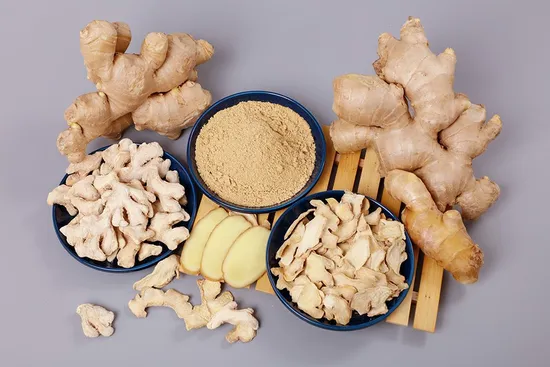
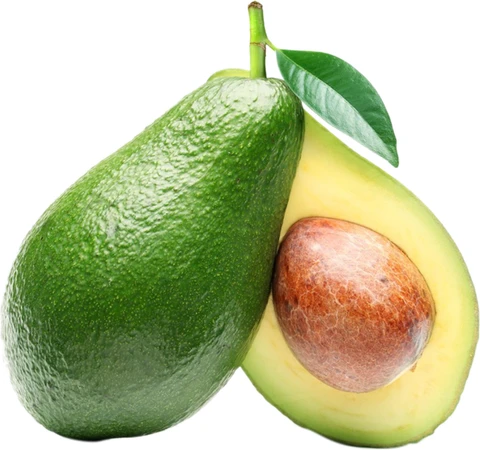
Thailand‑based Ralph Rapat International Co., Ltd. lists 53 active products across eight top categories, including Rice, Sesame Seeds, Other Fresh Fruits, Plants & Plant Extracts, Dehydrated Ginger, Mango, Corn and Spices. The catalogue enumerates items such as Fresh Baby Corn, White Rice, Glutinous Rice, Natural and Black Sesame, Pepper, Fresh Turmeric, Fresh Okra, Thai Jasmine Rice, Broken Rice and Rice Berry, as well as several fresh fruit entries that carry explicit HS codes, for example Avocado (HS 0803.90) and Rose Apple (HS 0808.10).
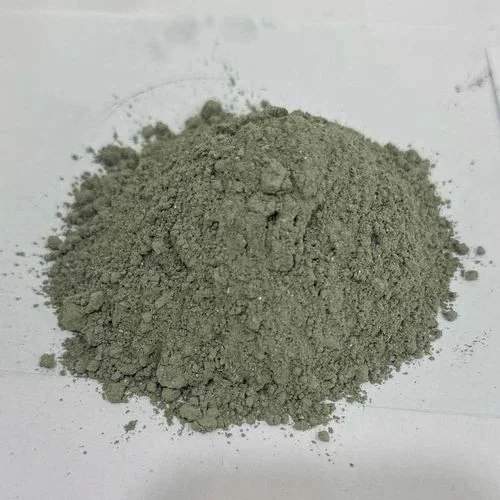
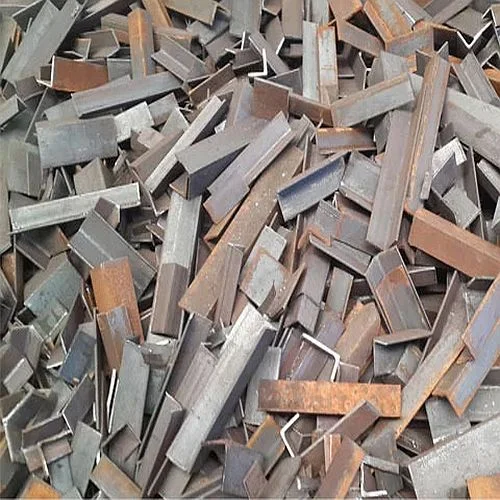
The supplier also records processed and bulk commodities like Cement Clinker (HS 2523.10) and a blended Thai‑Brazilian Sugar line with ICUMSA specifications. Each product entry follows the standard nomenclature used in international trade, linking material type to its HS‑code family where provided, which aids buyers in aligning customs documentation with the exact commodity.
Product Range and Specialties of Ralph Rapat International Co., Ltd.
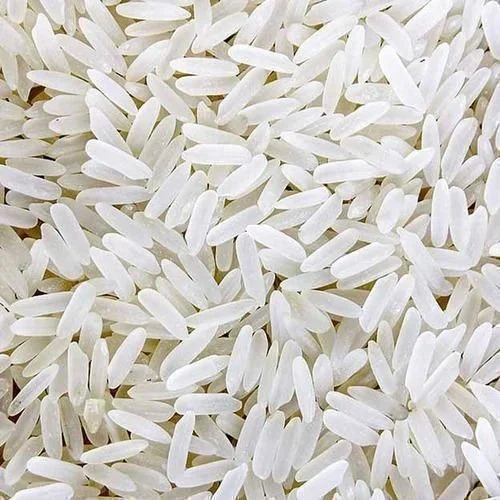
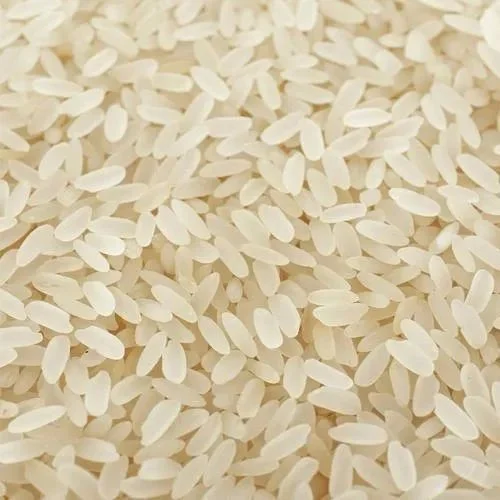
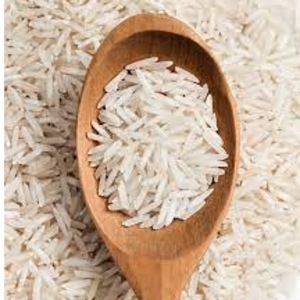
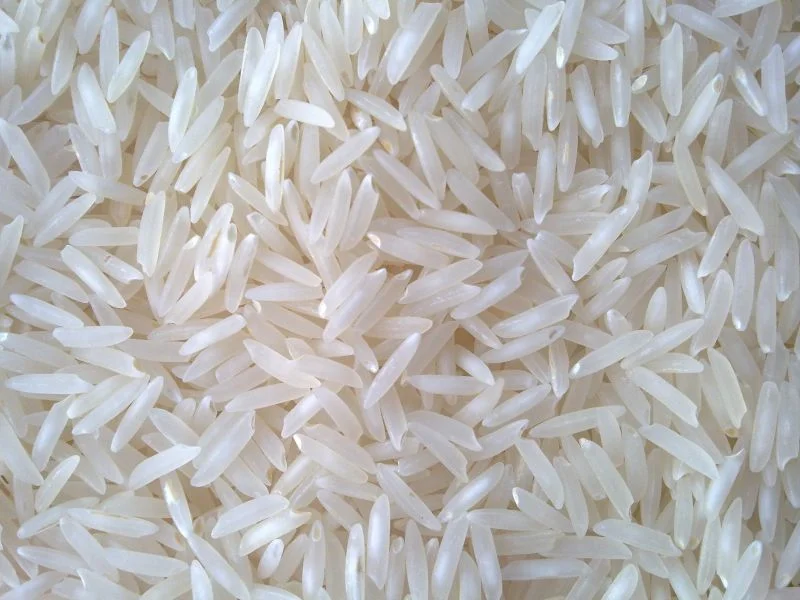
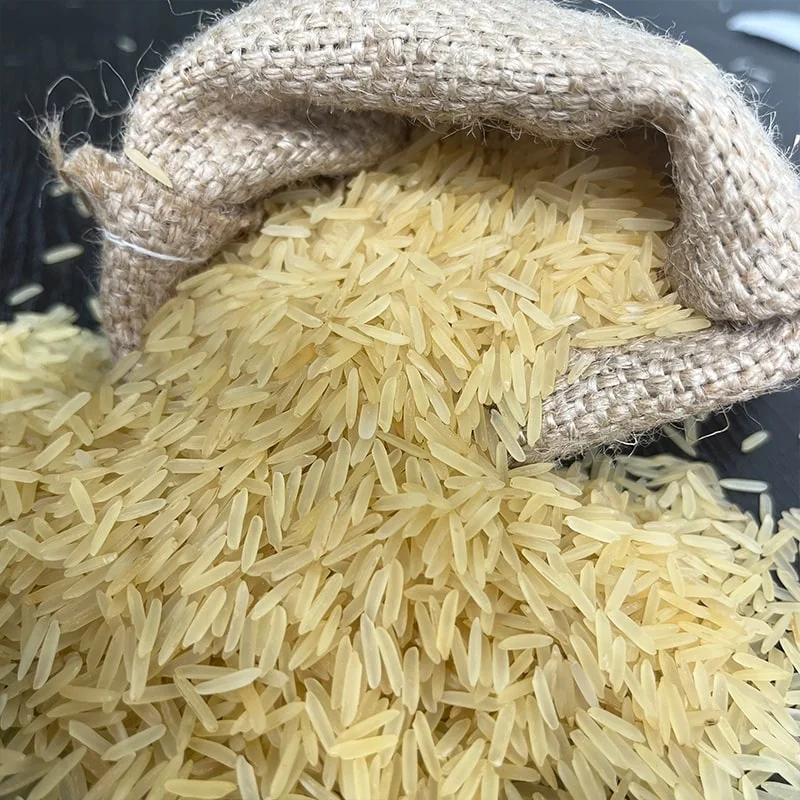
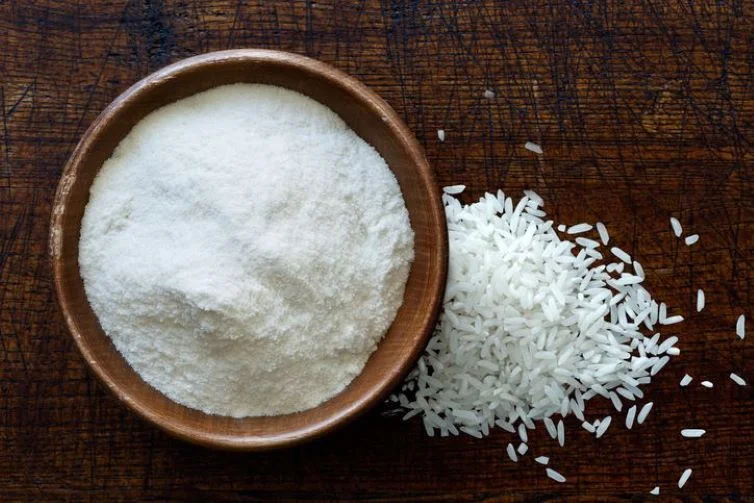
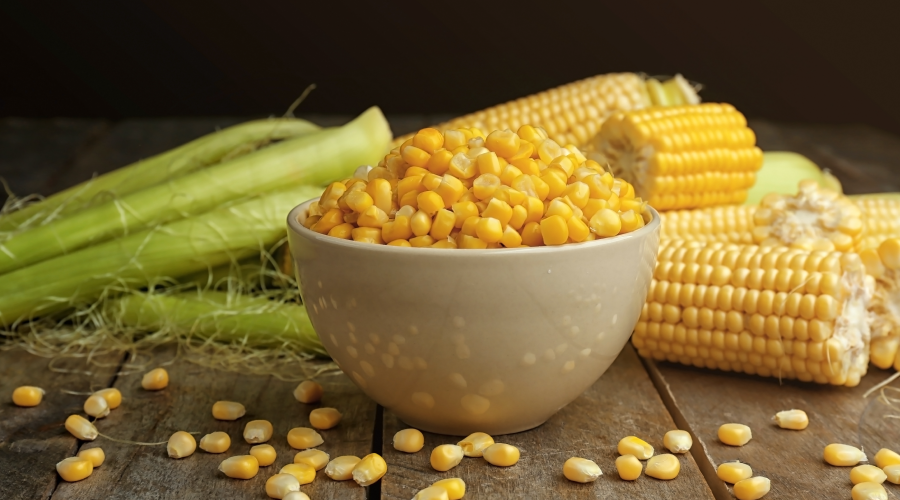
The rice portfolio covers milled varieties such as White Rice, Glutinous Rice and premium Thai Jasmine Rice, typically graded to national standards with moisture limits below 14 % and broken rice fractions reported in percentage. Sesame seed offerings include hulled, natural, black and white seeds, commonly assessed by hull removal rate, oil content (45‑55 %) and impurity limits under the ASEAN standards. Fresh fruit items - Avocado, Cavendish Banana, Rose Apple and Pomelo - are usually shipped in refrigerated containers, with grades defined by size, skin condition and absence of bruising, while IQF Sweet Corn follows frozen‑vegetable specifications for ice‑glaze thickness and microbial limits. Corn and spice products such as Pepper and Cumin Seed are generally classified by particle size (mesh 20‑40) and essential oil content, with common packaging in 20‑ft containers or 50 kg polypropylene bags.
Industry practice for these categories includes compliance with ISO 22000 or HACCP food safety systems, GlobalGAP for fresh produce, and specific phytosanitary certificates for fruit and vegetable exports. Typical export packaging involves vacuum‑sealed poly‑bags for rice (25 kg), bulk bags for sesame (1 ton), and insulated wooden crates for fresh fruit, all designed to meet the HS‑code family requirements and facilitate handling in 20‑ft or 40‑ft containers.
Trade and Export Information - Ralph Rapat International Co., Ltd.
Thailand ranks among the world’s top exporters of milled rice (HS 1006), sesame seeds (HS 1207) and tropical fresh fruit (HS 0803‑0808). Major import regions include East Asia (China, Japan, South Korea), the Middle East (UAE, Saudi Arabia), the European Union and the United States, where buyers frequently require phytosanitary certificates, origin certificates and compliance with Codex Alimentarius limits for pesticide residues. The HS‑code families represented in this catalogue - 0803, 0808, 1006, 1207, 2523 - are subject to routine customs inspections and may trigger additional documentation such as a Certificate of Origin under ASEAN‑China Free Trade Agreement.
Export logistics from Thai ports such as Laem Chabang commonly use FOB or CIF terms, with container loads ranging from a single 20‑ft box for high‑value fresh fruit to multiple 40‑ft containers for bulk rice or sesame. Buyers typically request moisture analysis reports for rice, oil content tests for sesame, and frozen‑vegetable quality certificates for IQF corn, while cement clinker shipments adhere to HS 2523.10 standards for hazardous material handling and may require a Material Safety Data Sheet (MSDS) in addition to standard customs paperwork.
Sourcing from Ralph Rapat International Co., Ltd. - Buyer Guidance
When sourcing from this supplier, buyers should request a full phytosanitary certificate for each fresh fruit item, a recent laboratory report confirming moisture content for rice (≤14 %) and oil content for sesame seeds (≥45 %). Verification of the HS‑code alignment with the product description is essential to avoid customs delays, and buyers are advised to obtain a Certificate of Origin to benefit from preferential tariffs where applicable. For cement clinker, an MSDS and a test report on the clinker’s chemical composition (CaO, SiO₂, Al₂O₃ percentages) are standard due diligence items.
Sample procurement is common practice: a 5 kg rice sample, a 2 kg sesame seed sample, or a 10 kg batch of fresh fruit are typical quantities for laboratory analysis before committing to a full order. Minimum order quantities generally start at 20 metric tonnes for rice and 5 metric tonnes for fresh fruit, with lead times of 30‑45 days from order confirmation to shipment, depending on seasonal harvest cycles and container availability.
Frequently Asked Questions About Ralph Rapat International Co., Ltd.
What HS codes are associated with the fresh fruit products listed?
Avocado and Cavendish Banana are classified under HS 0803.90 (fresh fruit), while Rose Apple falls under HS 0808.10 (fresh fruit of other categories).
Does the supplier provide certifications for food safety?
The facts do not list any certifications held by the supplier; buyers should request ISO 22000, HACCP or GlobalGAP certificates as appropriate for the product type.
What are the typical packaging formats for rice and sesame seeds?
Rice is commonly packed in 25 kg polypropylene bags, while sesame seeds are shipped in 1‑ton bulk bags or 50 kg polypropylene sacks, both suitable for 20‑ft or 40‑ft container loading.
Are phytosanitary certificates required for the fresh produce?
Yes, international buyers normally require a phytosanitary certificate for each shipment of fresh fruit such as avocado, banana or rose apple to meet import regulations.
What is the usual MOQ for cement clinker?
Cement clinker orders are typically measured in metric tonnes; a common minimum order is 10 tonnes, shipped in bulk bags or loose bulk as per HS 2523.10 requirements.
What lead time should be expected for IQF Sweet Corn?
Frozen corn is generally prepared for export within 30‑45 days after order confirmation, allowing time for processing, packaging in insulated containers and scheduling a refrigerated container.
Which markets does the supplier primarily target?
The supplier’s catalogue does not specify target markets; however, Thai exporters of rice, sesame and fresh fruit most frequently serve buyers in East Asia, the Middle East, the EU and North America.
How can a buyer request a sample?
Buyers should contact the supplier directly to arrange a sample shipment, specifying the product, desired quantity (e.g., 5 kg rice, 2 kg sesame) and requesting any relevant test reports along with the sample.




 , Thailand