Rajarajeswari Spinners — Supplier
About Rajarajeswari Spinners - Cotton Yarn Supplier in India
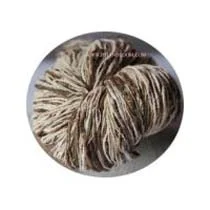
Rajarajeswari Spinners is based in India and currently lists five distinct product entries in its catalogue. The entries include Cotton Yarn, 100% Cotton Yarn, Cotton Weaving Yarn, Our Brands Cotton Weaving Yarn, and Cotton Weaving Yarn (noted with a trailing comma). All listed items fall under the single category of cotton yarn, which is a staple raw material for weaving and knitting operations. The supplier’s catalogue does not provide additional technical specifications, but the product names indicate a focus on plain‑woven and weaving‑grade yarns.
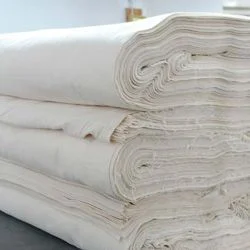
The five product lines collectively address the needs of textile manufacturers that require yarn for fabric construction, garment production, and home‑textile applications. By offering a “100% Cotton” label, the supplier signals that the yarn is composed solely of natural cotton fibers, without synthetic blends. The repeated reference to “Weaving Yarn” suggests a target market of warp and weft producers who demand consistent twist, strength, and uniformity for loom‑based processes.
Product Range and Specialties of Rajarajeswari Spinners
Rajarajeswari Spinners lists only cotton‑based yarns, with variations that emphasize purity (100% cotton) and end‑use (weaving). In the broader cotton yarn market, buyers typically encounter counts ranging from 30 Ne to 80 Ne, twist levels expressed in turns per meter (TPM), and tensile strengths measured in cN/tex. Common specifications include a moisture content below 8 %, a yarn uniformity index (U‑value) under 10 %, and compliance with ISO 105‑C06 for colourfastness when dyed. Export‑oriented Indian yarn producers often certify their products to ISO 9001 for quality management and may hold Oeko‑Tex Standard 100 or GOTS certificates when marketing organic or environmentally certified cotton.
Industry standards also reference the yarn’s linear density (denier or tex) and the presence of any mercerisation treatment, which improves strength and luster. Buyers frequently request test reports that detail breaking strength, elongation at break, and the number of twists per meter, as these parameters affect downstream weaving efficiency and fabric performance.
Trade and Export Information - Rajarajeswari Spinners
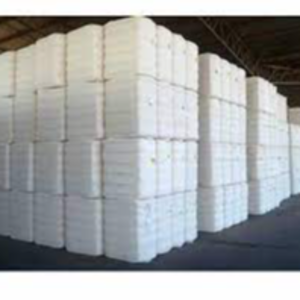
India is one of the world’s largest exporters of cotton yarn, supplying Asian garment hubs such as Bangladesh, Vietnam, and Pakistan, as well as European markets like Turkey and Italy. Shipments are typically loaded in 20‑foot or 40‑foot containers, with yarn packed in polypropylene‑lined bales or on spools, protected against moisture. Importers often require certificates of origin, lab test reports, and compliance with the destination country’s textile safety regulations, which may include REACH registration in the EU or the US Federal Trade Commission’s textile labeling rules.
Typical buyer‑side documentation includes a commercial invoice, packing list, and a phytosanitary certificate when required by the importing nation. Because cotton yarn is classified under HS chapter 52 (heading 5205) in most customs systems, customs duties and import controls are applied accordingly, although the supplier’s catalogue does not list a specific HS code. Export logistics from Indian ports such as Mumbai or Chennai follow standard Incoterms FOB or CIF, with freight forwarders handling container stuffing and customs clearance.
Sourcing from Rajarajeswari Spinners - Buyer Guidance
When evaluating Rajarajeswari Spinners, buyers should request a detailed yarn specification sheet that lists count (Ne or tex), twist per meter, tensile strength, and moisture content. A third‑party lab test report confirming compliance with ISO 105‑C06 and any requested organic or Oeko‑Tex certifications will help verify product quality before a bulk order. Buyers are advised to verify the sample’s uniformity and colour consistency, especially if the yarn will be dyed or printed downstream.
Typical minimum order quantities for Indian cotton yarn range from one to three metric tonnes, depending on the yarn count and packaging format. Lead times of 30‑45 days are common for production and quality inspection, after the supplier receives a confirmed purchase order and any required pre‑shipment samples. Ensure that the commercial invoice clearly states the yarn count, weight (kg per bale), and packaging type to avoid customs delays.
Frequently Asked Questions About Rajarajeswari Spinners
What types of cotton yarn does Rajarajeswari Spinners offer?
The catalogue lists Cotton Yarn, 100% Cotton Yarn, and several variants labelled as Cotton Weaving Yarn, indicating plain‑woven yarns suitable for warp or weft applications.
Does the supplier provide any quality certifications?
The supplied facts do not specify any certifications. Buyers should ask for ISO 9001, Oeko‑Tex Standard 100, or GOTS certificates if those are required for their market.
What technical specifications should I request for the yarn?
Ask for count (Ne or tex), twist per meter, tensile strength (cN/tex), moisture content (%), and a lab test report that follows ISO 105‑C06 for colourfastness.
How is the yarn packaged for export?
Indian yarn exporters typically pack yarn in polypropylene‑lined bales or on spools, loaded into 20‑ft or 40‑ft containers, with a packing list indicating weight per bale.
What are the common payment and Incoterm terms used?
Standard trade practices include FOB or CIF terms, with payment methods such as T/T in advance, LC at sight, or open account depending on the buyer’s credit history.
What is the typical lead time and minimum order quantity?
Lead times are usually 30‑45 days after order confirmation, and minimum orders often start at 1 tonne for standard counts, though exact MOQ should be confirmed with the supplier.
Which markets commonly import Indian cotton yarn?
Major importers include Bangladesh, Vietnam, Pakistan, Turkey, Italy, and the United States, driven by demand from garment and home‑textile manufacturers.
What documentation is needed for customs clearance?
A commercial invoice, packing list, certificate of origin, and any required lab test reports or phytosanitary certificates are standard for cotton yarn shipments.




 , India