Radharaman Industries — Verified Supplier
About Radharaman Industries - Food Ingredients Supplier in India
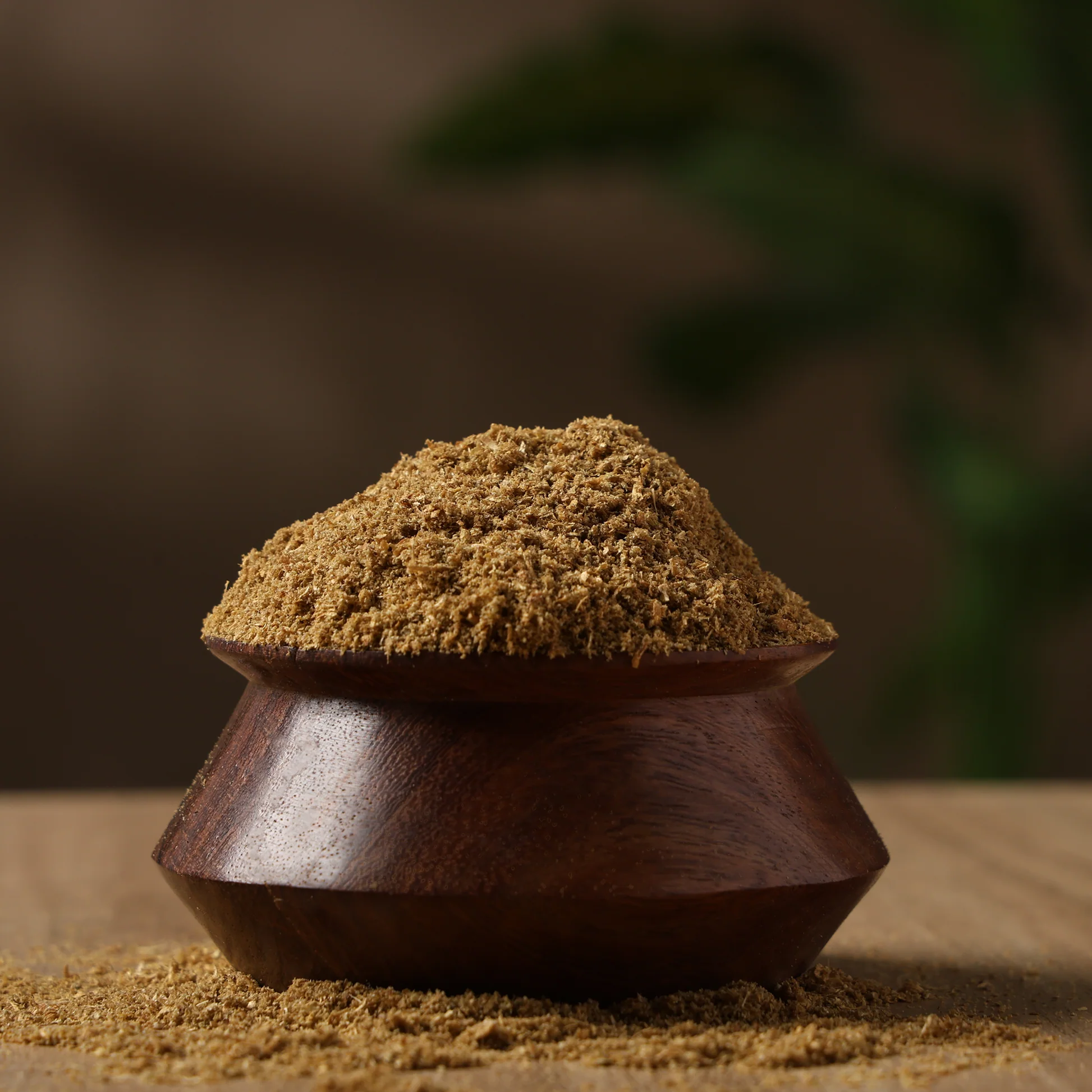
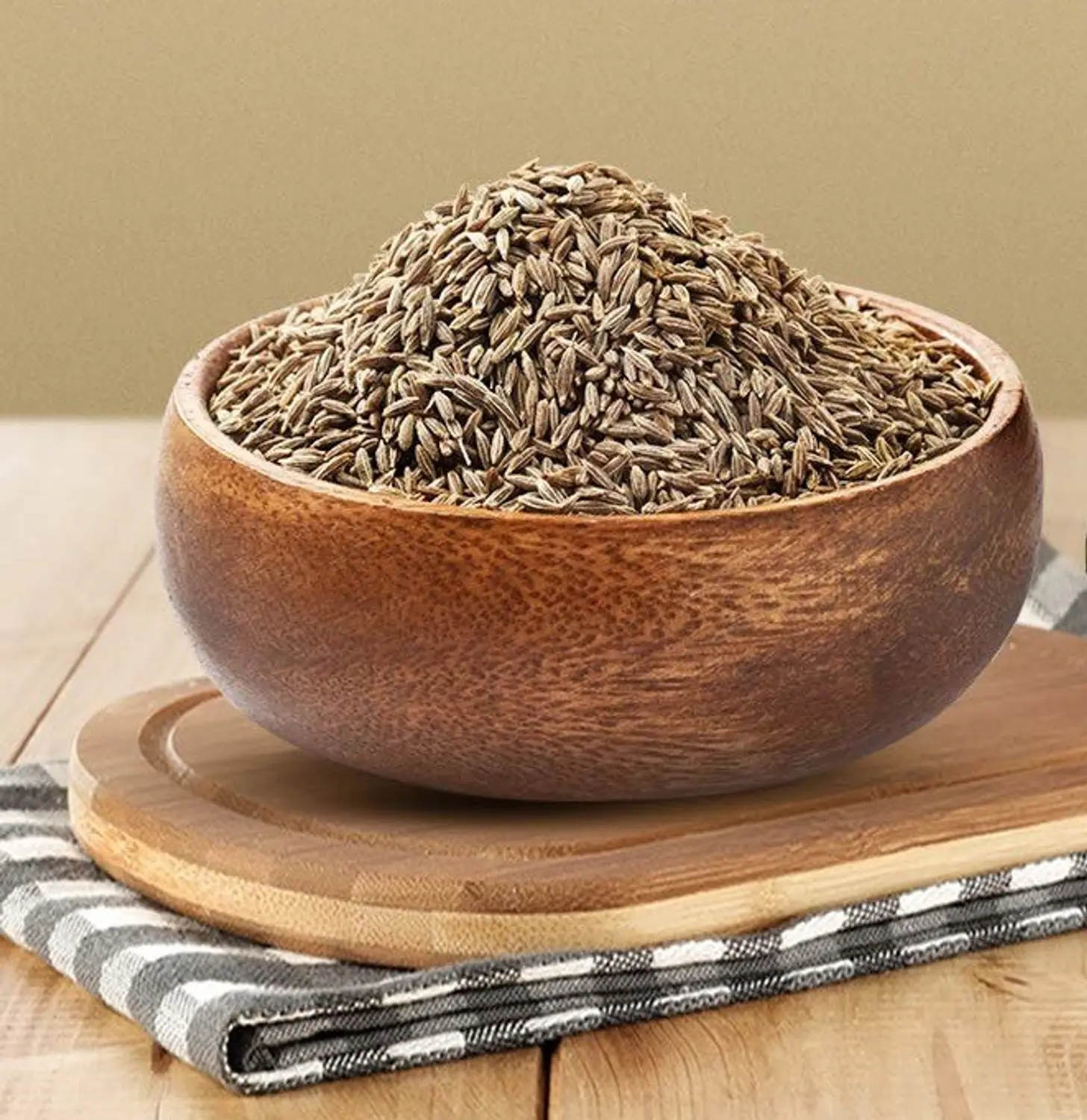
Radharaman Industries is based in India and currently lists nine active products across its catalogue. The supplier’s top categories include peanuts, peanut oil, coriander seeds, cumin seeds and sesame seeds, reflecting a focus on oil‑seed and spice commodities. The catalogue enumerates items such as Raw Peanuts, Blanched Peanuts Whole, Peanut Oil, Coriander Seed, Cumin Seeds, Sesame Seeds Natural, Blanched Peanuts Splits, Peanuts and Balanched Peanuts. Each product is recorded without additional HS‑code details, but the commodity types fall under commonly used HS chapters for oil seeds (chapter 12) and spices (chapter 09).
In the broader market, raw peanuts are typically classified under HS 1202 with quality grades based on size, moisture below 5 % and aflatoxin limits of 15 µg/kg for export to the EU. Peanut oil usually appears under HS 1507 and is evaluated by free‑fatty‑acid levels not exceeding 0.1 % and peroxide values under 10 meq O₂/kg. Coriander and cumin seeds are grouped under HS 0909, where standard specifications require seed purity above 95 % and moisture under 8 %. Sesame seeds are listed under HS 1207, with oil content around 50 % and foreign matter below 0.5 %. These industry benchmarks provide buyers with reference points when assessing Radharaman Industries’ product listings.
Product Range and Specialties of Radharaman Industries
The supplier’s catalogue presents nine distinct items, ranging from whole raw peanuts and blanched whole or split peanuts to refined peanut oil and three spice seeds. Raw and blanched peanuts are commonly offered in 25 kg jute bags or 1 ton bulk containers, while peanut oil is shipped in 200 L steel drums. Coriander, cumin and sesame seeds are typically packed in food‑grade polypropylene bags of 20 kg or 50 kg. Industry practice distinguishes grades such as "A" grade peanuts with low aflatoxin, "extra‑virgin" peanut oil with low acidity, and spice seeds meeting ISO 11092 standards for purity and moisture. Buyers can therefore expect specifications like moisture ≤5 % for peanuts, free fatty acid ≤0.1 % for oil, and seed size 2.5 - 3.5 mm for coriander and cumin.
Trade and Export Information - Radharaman Industries
India is a major exporter of oil‑seed products and spices, with shipments frequently destined for the European Union, the United States, the Middle East and Southeast Asian markets. Export transactions for peanuts and peanut oil generally use HS 1202 and 1507, while coriander, cumin and sesame seeds fall under HS 0909 and 1207, requiring phytosanitary certificates and, for EU destinations, compliance with EU Regulation No 1881 on contaminants. Commonly requested certifications include ISO 22000, HACCP and FSSC 22000, although Radharaman Industries does not list specific certifications in its data. Standard logistics involve 20‑ft or 40‑ft containers for bulk bags, and CFR or CIF Incoterms are typical for sea freight. Export documentation often comprises a Certificate of Origin, a laboratory Certificate of Analysis, and a sanitary inspection certificate issued by Indian authorities.
Sourcing from Radharaman Industries - Buyer Guidance
Prospective buyers should request a recent Certificate of Analysis for each product, confirming moisture content, aflatoxin levels for peanuts, free fatty acid and peroxide values for peanut oil, and seed purity for the spices. Verifying that the supplier can provide ISO 22000 or HACCP compliance documentation will align with most import requirements. Samples are usually supplied in 1 kg quantities for spices and 5 kg for peanuts, allowing buyers to test for sensory attributes and laboratory parameters before confirming larger orders. Typical minimum order quantities range from 2 ton for bulk peanuts to 500 kg for refined oil, with lead times of 30 - 45 days after order confirmation, dependent on seasonal harvest cycles.
Frequently Asked Questions About Radharaman Industries
What product categories does Radharaman Industries list?
The catalogue includes Raw Peanuts, Blanched Peanuts (whole and splits), Peanut Oil, Coriander Seed, Cumin Seeds and Sesame Seeds Natural, plus two generic Peanuts entries.
How many distinct products are active in the supplier’s listing?
Radharaman Industries currently lists nine active products across its catalogue.
Which certifications should a buyer request for these commodities?
Buyers typically ask for ISO 22000, HACCP or FSSC 22000 certificates, a phytosanitary certificate and a laboratory Certificate of Analysis covering moisture, aflatoxin (for peanuts) and free‑fatty‑acid (for oil).
What are the common HS codes for the listed items?
In international trade, raw peanuts fall under HS 1202, peanut oil under HS 1507, coriander and cumin seeds under HS 0909, and sesame seeds under HS 1207.
What packaging formats are standard for these products?
Peanuts are usually packed in 25 kg jute or woven bags, blanched peanuts in 20 kg polypropylene bags, peanut oil in 200 L steel drums, and the spice seeds in 20 - 50 kg food‑grade polypropylene bags.
Which regions import Indian peanuts and spices most frequently?
Key import markets include the European Union, the United States, the Gulf Cooperation Council states and Southeast Asian countries such as Vietnam and Malaysia.
What documentation is needed for customs clearance?
Customs typically require a Certificate of Origin, a sanitary inspection certificate, and a recent laboratory Certificate of Analysis that meets the destination country’s contaminant limits.
What are typical lead times and minimum order quantities?
Lead times are generally 30 - 45 days after order confirmation, with minimum orders around 2 ton for bulk peanuts and 500 kg for refined peanut oil, while spice seeds often have MOQ of 500 kg.




 , India