Purple Export — Verified Supplier

About Purple Export - Chickpeas Supplier in India

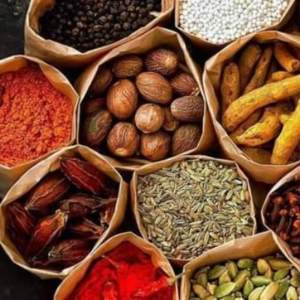
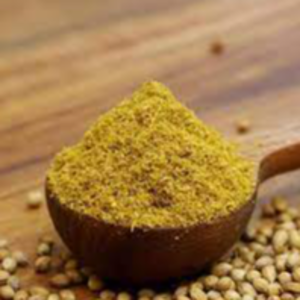
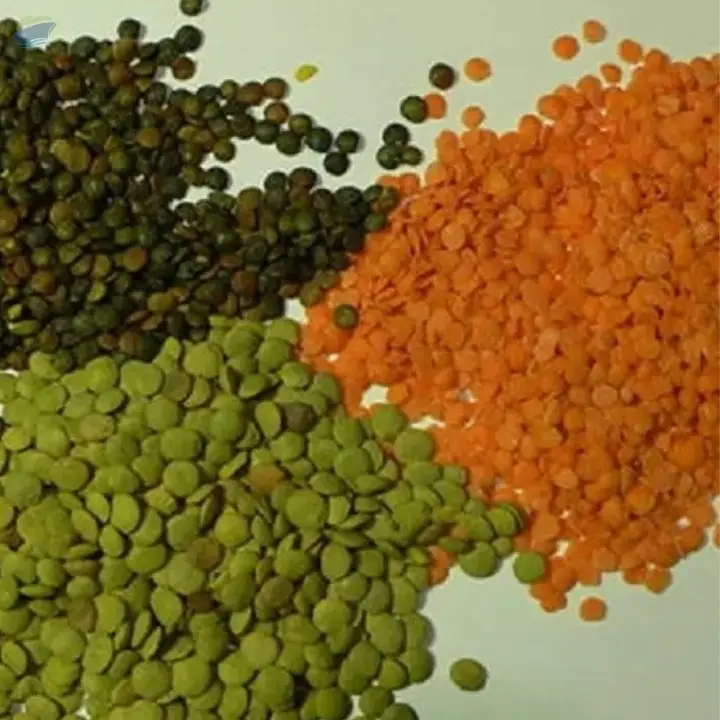
India supplies a catalogue of 17 listed agricultural products through Purple Export. The portfolio spans pulses such as chickpeas and red lentils, several spice seeds including fenugreek, fennel, cumin, coriander, dill, black cumin and basil seed, as well as cereals like maize and wheat. The supplier also lists herbal items such as Withania somnifera (ashwagandha) powder and whole root, and garlic. All items fall under standard HS chapters for legumes (07.13), spices (09.05), cereals (10.01) and herbs (09.09). The listing includes both raw seeds and processed forms such as powder.

Product Range and Specialties of Purple Export

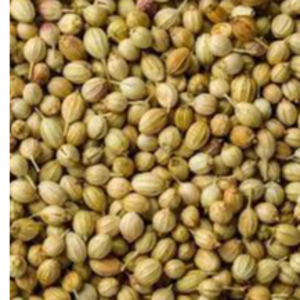
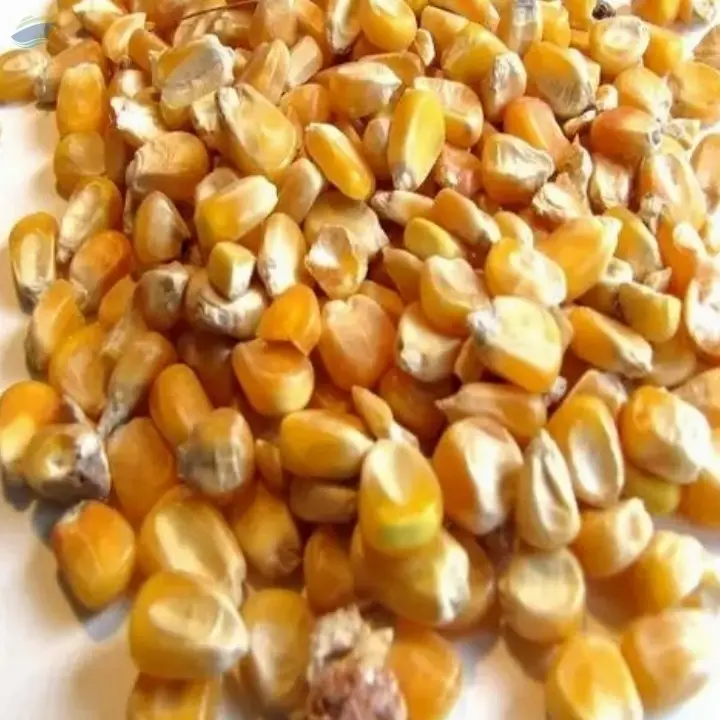
The pulse segment includes chickpeas (HS 0713.30) and red lentils (HS 0713.90), which are commonly graded by size (14‑18 mm for Kabuli chickpeas) and moisture below 12 %, with broken grain limits under 5 % and foreign matter under 0.2 %. Spice seeds such as fenugreek, fennel, cumin, coriander, dill, black cumin and basil seed are usually evaluated on oil content (fenugreek 2‑3 % oil), ash content, and microbial limits (E. coli <10 CFU/g). Maize and wheat are typically classified by kernel moisture (13‑14 % for maize, 12‑14 % for wheat) and impurity levels under 1 %.

Indian exporters normally ship these commodities in multi‑grain polypropylene bags of 25 kg or bulk bags (1 ton super‑sacks) for cereals, while spices are packed in 1 kg or 5 kg paper bags with inner liners. Quality assurance often follows ISO 22000 or FSSC 22000 food‑safety management systems, and many buyers request HACCP plans, pesticide‑residue certificates and phytosanitary certificates. For herbal powders such as Withania somnifera, standardisation to withanolide content (≥1.5 %) is a common specification.

Trade and Export Information - Purple Export

India is a major exporter of pulses, spices and cereals, with the European Union, United Arab Emirates, Saudi Arabia and the United States representing the largest import markets. HS chapter 07 (edible vegetables) and 09 (spices & herbs) are routinely inspected under the EU's Rapid Alert System for Food and Feed (RASFF) and the US FDA's Food Safety Modernisation Act (FSMA). Export shipments are typically arranged on CIF or FOB terms, using containerised bulk for grains and bagged cargo for spices. Buyers often require a phytosanitary certificate, a certificate of origin and, where applicable, an organic or non‑GMO declaration.

Typical certifications demanded by importers include ISO 22000, HACCP, and for organic products, USDA Organic or EU Organic certification. Indian exporters must comply with the Agricultural and Processed Food Products Export Development Authority (APEDA) guidelines, which incorporate Codex‑aligned pesticide‑residue limits. Inspection agencies such as SGS or Bureau Veritas frequently conduct pre‑shipment sampling for moisture, pesticide residues and microbiological limits.

Sourcing from Purple Export - Buyer Guidance

When sourcing from Purple Export, buyers should request a recent analysis report showing moisture, broken percentage, ash and pesticide residues for each seed lot. For spice seeds, a GC‑MS report confirming essential‑oil profile and a microbiological test for total plate count are standard. For pulses, a size‑distribution chart and a mycotoxin test (e.g., aflatoxin) are advisable.

Samples are usually supplied in 1 kg quantities, sealed in moisture‑proof poly‑bag, and should be evaluated against the buyer’s specifications before confirming the order volume. Verify that the supplier can provide a phytosanitary certificate, a certificate of analysis (CoA) and, if required, an organic certification. Lead times for bulk shipments from India range from 30 to 45 days after order confirmation, depending on the product and container size.

Frequently Asked Questions About Purple Export

What HS codes apply to Purple Export’s chickpeas and other pulses?

Chickpeas are generally classified under HS 0713.30, while red lentils fall under HS 0713.90. Importers should confirm the exact sub‑heading on the commercial invoice.

Which certifications should a buyer request for the spice seeds?

Buyers typically ask for ISO 22000 or FSSC 22000 compliance, a HACCP plan and a recent pesticide‑residue certificate. If the product is marketed as organic, an USDA or EU organic certificate is also required.

What are the typical packaging formats for maize and wheat?

Maize and wheat are usually shipped in 25 kg polypropylene bulk bags or 1‑ton super‑sacks for container loading. The bags are sealed with moisture‑proof liners to preserve grain quality.

How can a buyer obtain a sample of Withania somnifera powder?

Purple Export can dispatch a 1 kg sealed sample in a moisture‑proof poly‑bag after a signed sample request is received. The sample should be accompanied by a Certificate of Analysis showing withanolide content and moisture level.

What documentation is required for customs clearance of Indian herb and spice shipments?

Standard documents include a phytosanitary certificate, a certificate of origin, a commercial invoice with HS codes and, where applicable, a pesticide‑residue certificate. Some destinations also require an import permit or a sanitary certificate.

What are common quality parameters for fenugreek seeds?

Typical specifications for fenugreek seeds include oil content of 2‑3 %, moisture below 12 %, ash content under 5 % and microbiological limits such as total plate count ≤10 000 CFU/g and E. coli ≤10 CFU/g.

What is the usual lead time and minimum order quantity for bulk grain exports?

Lead time from order confirmation to shipment is usually 30‑45 days, depending on product and container size. Minimum order quantities are commonly 20 metric tons for maize or wheat, but can vary per buyer agreement.

Other Suppliers in Coriander Seeds

Top Trusted Suppliers

Related Products in Coriander Seeds

Trending in Parent Category

More Suppliers in Parent Category

Related Products

Other Suppliers

EximNext
58.4K+ live requirements
Register Free🎁 5 free buy-lead credits
Post Requirement
🌍 Trusted by 224.4K+ businesses in 200+ countries|
58.4K+ active requirements right now
✉️ [email protected]
|
Sell on EximNextPost Requirement
EximNext
AgricultureApparelConstructionElectronicFoodHomeIndustrialMineralsMiscellaneous
🔥 Deals|✨ AI Match|🏭 Suppliers|📋 Buy Leads|💰 Trade Finance|⭐ Upgrade
58.4K+ live RFQs·194.4K+ suppliers
🎁 5 free credits →
EximNext
EximNext
Register Free
🎁 5 free buy-lead credits
Sign In
📋Post Requirement💬Get QuotesAI Match📋RFQ Marketplace
All Categories
Services & Tools
🏭Supplier Directory🔥Today's Deals💰Trade FinanceMembership
Sell on EximNext
AboutContactBlogHelp
🏭

Purple Export

Harbor
Country flag , India
🛡️
79/100
Trust Score

Purple Export Product Catalog

Showing 12 of 17 products
View all products →
Wheat
Harbor
Wheat
Contact
MOQ: 1 Unit
Maize
Harbor
Maize
Contact
MOQ: 1 Unit
Basil seed
Harbor
Basil seed
Contact
MOQ: 1 Unit
Coriander seeds
Harbor
Coriander seeds
Contact
MOQ: 1 Unit
Cumin seed
Harbor
Cumin seed
Contact
MOQ: 1 Unit
Fennel seed
Harbor
Fennel seed
Contact
MOQ: 1 Unit
Chick peas
Harbor
Chick peas
Contact
MOQ: 1 Unit
Black cumin
Harbor
Black cumin
Contact
MOQ: 1 Unit
Dill seed
Harbor
Dill seed
Contact
MOQ: 1 Unit
Withania somnifera
Harbor
Withania somnifera
Contact
MOQ: 1 Unit
Garlic
Harbor
Garlic
Contact
MOQ: 1 Unit
Red whole lentils
Harbor
Red whole lentils
Contact
MOQ: 1 Unit

About Purple Export - Chickpeas Supplier in India

India supplies a catalogue of 17 listed agricultural products through Purple Export. The portfolio spans pulses such as chickpeas and red lentils, several spice seeds including fenugreek, fennel, cumin, coriander, dill, black cumin and basil seed, as well as cereals like maize and wheat. The supplier also lists herbal items such as Withania somnifera (ashwagandha) powder and whole root, and garlic. All items fall under standard HS chapters for legumes (07.13), spices (09.05), cereals (10.01) and herbs (09.09). The listing includes both raw seeds and processed forms such as powder.

Product Range and Specialties of Purple Export

The pulse segment includes chickpeas (HS 0713.30) and red lentils (HS 0713.90), which are commonly graded by size (14‑18 mm for Kabuli chickpeas) and moisture below 12 %, with broken grain limits under 5 % and foreign matter under 0.2 %. Spice seeds such as fenugreek, fennel, cumin, coriander, dill, black cumin and basil seed are usually evaluated on oil content (fenugreek 2‑3 % oil), ash content, and microbial limits (E. coli <10 CFU/g). Maize and wheat are typically classified by kernel moisture (13‑14 % for maize, 12‑14 % for wheat) and impurity levels under 1 %.

Indian exporters normally ship these commodities in multi‑grain polypropylene bags of 25 kg or bulk bags (1 ton super‑sacks) for cereals, while spices are packed in 1 kg or 5 kg paper bags with inner liners. Quality assurance often follows ISO 22000 or FSSC 22000 food‑safety management systems, and many buyers request HACCP plans, pesticide‑residue certificates and phytosanitary certificates. For herbal powders such as Withania somnifera, standardisation to withanolide content (≥1.5 %) is a common specification.

Trade and Export Information - Purple Export

India is a major exporter of pulses, spices and cereals, with the European Union, United Arab Emirates, Saudi Arabia and the United States representing the largest import markets. HS chapter 07 (edible vegetables) and 09 (spices & herbs) are routinely inspected under the EU's Rapid Alert System for Food and Feed (RASFF) and the US FDA's Food Safety Modernisation Act (FSMA). Export shipments are typically arranged on CIF or FOB terms, using containerised bulk for grains and bagged cargo for spices. Buyers often require a phytosanitary certificate, a certificate of origin and, where applicable, an organic or non‑GMO declaration.

Typical certifications demanded by importers include ISO 22000, HACCP, and for organic products, USDA Organic or EU Organic certification. Indian exporters must comply with the Agricultural and Processed Food Products Export Development Authority (APEDA) guidelines, which incorporate Codex‑aligned pesticide‑residue limits. Inspection agencies such as SGS or Bureau Veritas frequently conduct pre‑shipment sampling for moisture, pesticide residues and microbiological limits.

Sourcing from Purple Export - Buyer Guidance

When sourcing from Purple Export, buyers should request a recent analysis report showing moisture, broken percentage, ash and pesticide residues for each seed lot. For spice seeds, a GC‑MS report confirming essential‑oil profile and a microbiological test for total plate count are standard. For pulses, a size‑distribution chart and a mycotoxin test (e.g., aflatoxin) are advisable.

Samples are usually supplied in 1 kg quantities, sealed in moisture‑proof poly‑bag, and should be evaluated against the buyer’s specifications before confirming the order volume. Verify that the supplier can provide a phytosanitary certificate, a certificate of analysis (CoA) and, if required, an organic certification. Lead times for bulk shipments from India range from 30 to 45 days after order confirmation, depending on the product and container size.

Frequently Asked Questions About Purple Export

What HS codes apply to Purple Export’s chickpeas and other pulses?

Chickpeas are generally classified under HS 0713.30, while red lentils fall under HS 0713.90. Importers should confirm the exact sub‑heading on the commercial invoice.

Which certifications should a buyer request for the spice seeds?

Buyers typically ask for ISO 22000 or FSSC 22000 compliance, a HACCP plan and a recent pesticide‑residue certificate. If the product is marketed as organic, an USDA or EU organic certificate is also required.

What are the typical packaging formats for maize and wheat?

Maize and wheat are usually shipped in 25 kg polypropylene bulk bags or 1‑ton super‑sacks for container loading. The bags are sealed with moisture‑proof liners to preserve grain quality.

How can a buyer obtain a sample of Withania somnifera powder?

Purple Export can dispatch a 1 kg sealed sample in a moisture‑proof poly‑bag after a signed sample request is received. The sample should be accompanied by a Certificate of Analysis showing withanolide content and moisture level.

What documentation is required for customs clearance of Indian herb and spice shipments?

Standard documents include a phytosanitary certificate, a certificate of origin, a commercial invoice with HS codes and, where applicable, a pesticide‑residue certificate. Some destinations also require an import permit or a sanitary certificate.

What are common quality parameters for fenugreek seeds?

Typical specifications for fenugreek seeds include oil content of 2‑3 %, moisture below 12 %, ash content under 5 % and microbiological limits such as total plate count ≤10 000 CFU/g and E. coli ≤10 CFU/g.

What is the usual lead time and minimum order quantity for bulk grain exports?

Lead time from order confirmation to shipment is usually 30‑45 days, depending on product and container size. Minimum order quantities are commonly 20 metric tons for maize or wheat, but can vary per buyer agreement.

About Purple Export - Chickpeas Supplier in India

India supplies a catalogue of 17 listed agricultural products through Purple Export. The portfolio spans pulses such as chickpeas and red lentils, several spice seeds including fenugreek, fennel, cumin, coriander, dill, black cumin and basil seed, as well as cereals like maize and wheat. The supplier also lists herbal items such as Withania somnifera (ashwagandha) powder and whole root, and garlic. All items fall under standard HS chapters for legumes (07.13), spices (09.05), cereals (10.01) and herbs (09.09). The listing includes both raw seeds and processed forms such as powder.

Product Range and Specialties of Purple Export

The pulse segment includes chickpeas (HS 0713.30) and red lentils (HS 0713.90), which are commonly graded by size (14‑18 mm for Kabuli chickpeas) and moisture below 12 %, with broken grain limits under 5 % and foreign matter under 0.2 %. Spice seeds such as fenugreek, fennel, cumin, coriander, dill, black cumin and basil seed are usually evaluated on oil content (fenugreek 2‑3 % oil), ash content, and microbial limits (E. coli <10 CFU/g). Maize and wheat are typically classified by kernel moisture (13‑14 % for maize, 12‑14 % for wheat) and impurity levels under 1 %.

Indian exporters normally ship these commodities in multi‑grain polypropylene bags of 25 kg or bulk bags (1 ton super‑sacks) for cereals, while spices are packed in 1 kg or 5 kg paper bags with inner liners. Quality assurance often follows ISO 22000 or FSSC 22000 food‑safety management systems, and many buyers request HACCP plans, pesticide‑residue certificates and phytosanitary certificates. For herbal powders such as Withania somnifera, standardisation to withanolide content (≥1.5 %) is a common specification.

Trade and Export Information - Purple Export

India is a major exporter of pulses, spices and cereals, with the European Union, United Arab Emirates, Saudi Arabia and the United States representing the largest import markets. HS chapter 07 (edible vegetables) and 09 (spices & herbs) are routinely inspected under the EU's Rapid Alert System for Food and Feed (RASFF) and the US FDA's Food Safety Modernisation Act (FSMA). Export shipments are typically arranged on CIF or FOB terms, using containerised bulk for grains and bagged cargo for spices. Buyers often require a phytosanitary certificate, a certificate of origin and, where applicable, an organic or non‑GMO declaration.

Typical certifications demanded by importers include ISO 22000, HACCP, and for organic products, USDA Organic or EU Organic certification. Indian exporters must comply with the Agricultural and Processed Food Products Export Development Authority (APEDA) guidelines, which incorporate Codex‑aligned pesticide‑residue limits. Inspection agencies such as SGS or Bureau Veritas frequently conduct pre‑shipment sampling for moisture, pesticide residues and microbiological limits.

Sourcing from Purple Export - Buyer Guidance

When sourcing from Purple Export, buyers should request a recent analysis report showing moisture, broken percentage, ash and pesticide residues for each seed lot. For spice seeds, a GC‑MS report confirming essential‑oil profile and a microbiological test for total plate count are standard. For pulses, a size‑distribution chart and a mycotoxin test (e.g., aflatoxin) are advisable.

Samples are usually supplied in 1 kg quantities, sealed in moisture‑proof poly‑bag, and should be evaluated against the buyer’s specifications before confirming the order volume. Verify that the supplier can provide a phytosanitary certificate, a certificate of analysis (CoA) and, if required, an organic certification. Lead times for bulk shipments from India range from 30 to 45 days after order confirmation, depending on the product and container size.

Frequently Asked Questions About Purple Export
What HS codes apply to Purple Export’s chickpeas and other pulses?
Chickpeas are generally classified under HS 0713.30, while red lentils fall under HS 0713.90. Importers should confirm the exact sub‑heading on the commercial invoice.
Which certifications should a buyer request for the spice seeds?
Buyers typically ask for ISO 22000 or FSSC 22000 compliance, a HACCP plan and a recent pesticide‑residue certificate. If the product is marketed as organic, an USDA or EU organic certificate is also required.
What are the typical packaging formats for maize and wheat?
Maize and wheat are usually shipped in 25 kg polypropylene bulk bags or 1‑ton super‑sacks for container loading. The bags are sealed with moisture‑proof liners to preserve grain quality.
How can a buyer obtain a sample of Withania somnifera powder?
Purple Export can dispatch a 1 kg sealed sample in a moisture‑proof poly‑bag after a signed sample request is received. The sample should be accompanied by a Certificate of Analysis showing withanolide content and moisture level.
What documentation is required for customs clearance of Indian herb and spice shipments?
Standard documents include a phytosanitary certificate, a certificate of origin, a commercial invoice with HS codes and, where applicable, a pesticide‑residue certificate. Some destinations also require an import permit or a sanitary certificate.
What are common quality parameters for fenugreek seeds?
Typical specifications for fenugreek seeds include oil content of 2‑3 %, moisture below 12 %, ash content under 5 % and microbiological limits such as total plate count ≤10 000 CFU/g and E. coli ≤10 CFU/g.
What is the usual lead time and minimum order quantity for bulk grain exports?
Lead time from order confirmation to shipment is usually 30‑45 days, depending on product and container size. Minimum order quantities are commonly 20 metric tons for maize or wheat, but can vary per buyer agreement.

🏭
Purple Export
Country flag , India
Harbor
79/100
Trust Score
📦
17
Products
Free to contact — no commission
Escrow payment available
Verified business identity
Compare more suppliers
Post a requirement — get 10 quotes free
Let verified suppliers compete for your business. Free, fast, no commitment.
EximNext Verified Supplier
Business identity verified
Physical address confirmed
Financial history checked
Certifications authenticated
Trade references validated
Due Diligence
Verify this supplier's real shipping history.
Every shipment, every buyer, every port. Trade data that can't be faked.
Run due diligence →
Discover More

Related Suppliers & Products

Explore similar suppliers, related products and trending categories

Other Suppliers in Coriander Seeds

Top Trusted Suppliers

Related Products in Coriander Seeds

Trending in Parent Category

More Suppliers in Parent Category

Stay ahead in global trade
Weekly market insights & new supplier alerts.
EximNext
Exim Next is a leading global B2B marketplace, connecting over 205,000 verified suppliers and buyers across 200+ countries. As a trusted import export marketplace, it serves as the essential B2B portal for businesses worldwide, empowering them to expand their international reach. With Exim Next, businesses can trade smarter and grow faster.
SECURE PAYMENTS
VISAMastercardPayPalSWIFTL/CEscrow
Follow us
© 2026 EximNext