Pure Land For Agriculture Export — Verified Supplier
About Pure Land For Agriculture Export - Fresh Produce Supplier in Egypt
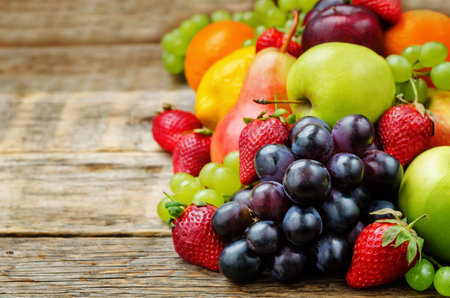
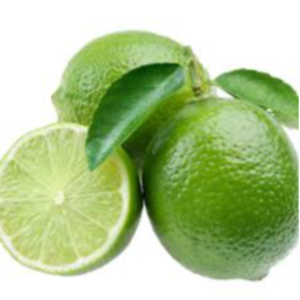
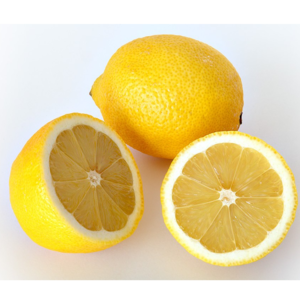
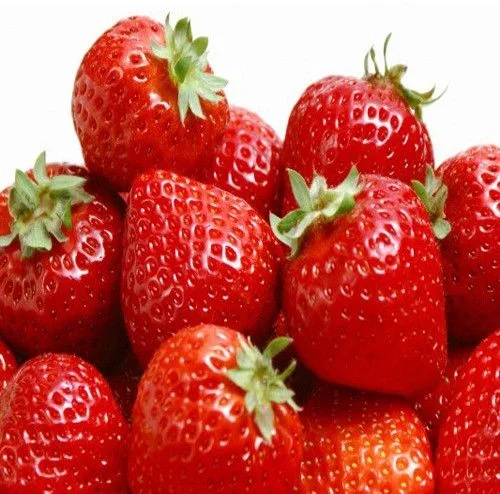
Pure Land For Agriculture Export operates from Egypt, a major producer in the North African Mediterranean basin, and lists twelve active fresh‑produce items. The catalogue includes strawberry, garlic, lemon, onion, iceberg lettuce, carrot, sweet potato, bell pepper, green peas, grapes, orange and pomegranate. Each product is identified under the relevant HS‑code families for perishable horticultural goods (e.g., HS chapter 07 for vegetables and HS chapter 08 for fruits). The supplier’s public listing does not provide specific certifications, so buyers should verify any required standards directly. The product set reflects typical Egyptian export crops that are seasonally harvested and packed for international shipment.
The listed items cover both fruit (strawberry, lemon, grapes, orange, pomegranate) and a range of vegetables (garlic, onion, lettuce, carrot, sweet potato, bell pepper, green peas). Egyptian growers generally apply post‑harvest cooling to maintain shelf life, and shipments are usually loaded in refrigerated containers (type “reefer”) to preserve quality. The catalogue does not mention processing levels, so all items are expected to be fresh, unprocessed produce suitable for fresh‑food markets. Buyers can expect standard packaging such as ventilated cartons for leafy items and mesh bags for root crops, matching common export practices.
Product Range and Specialties of Pure Land For Agriculture Export
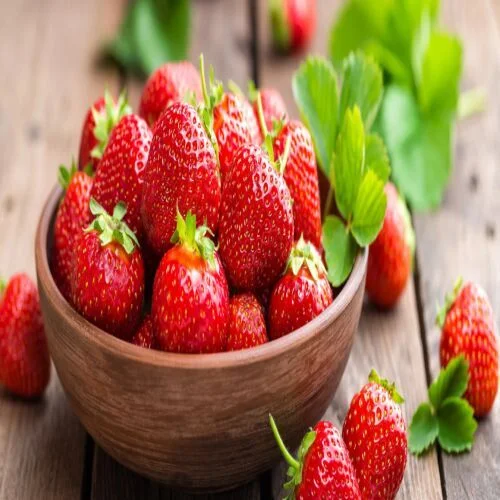
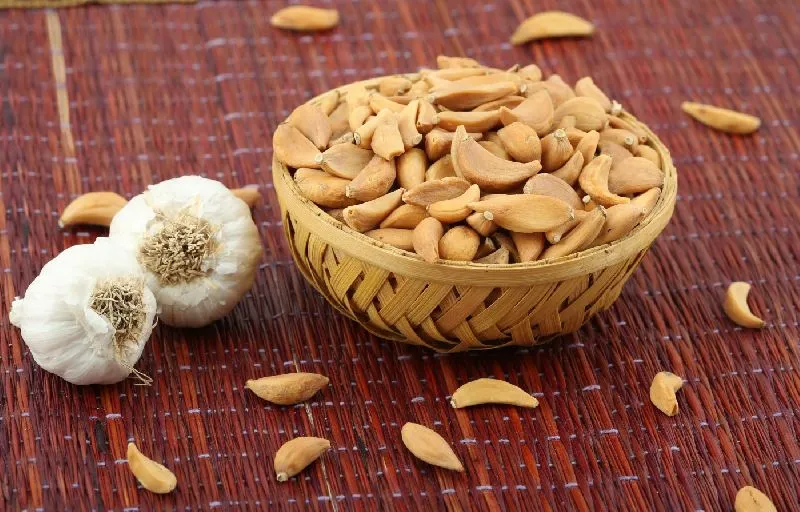
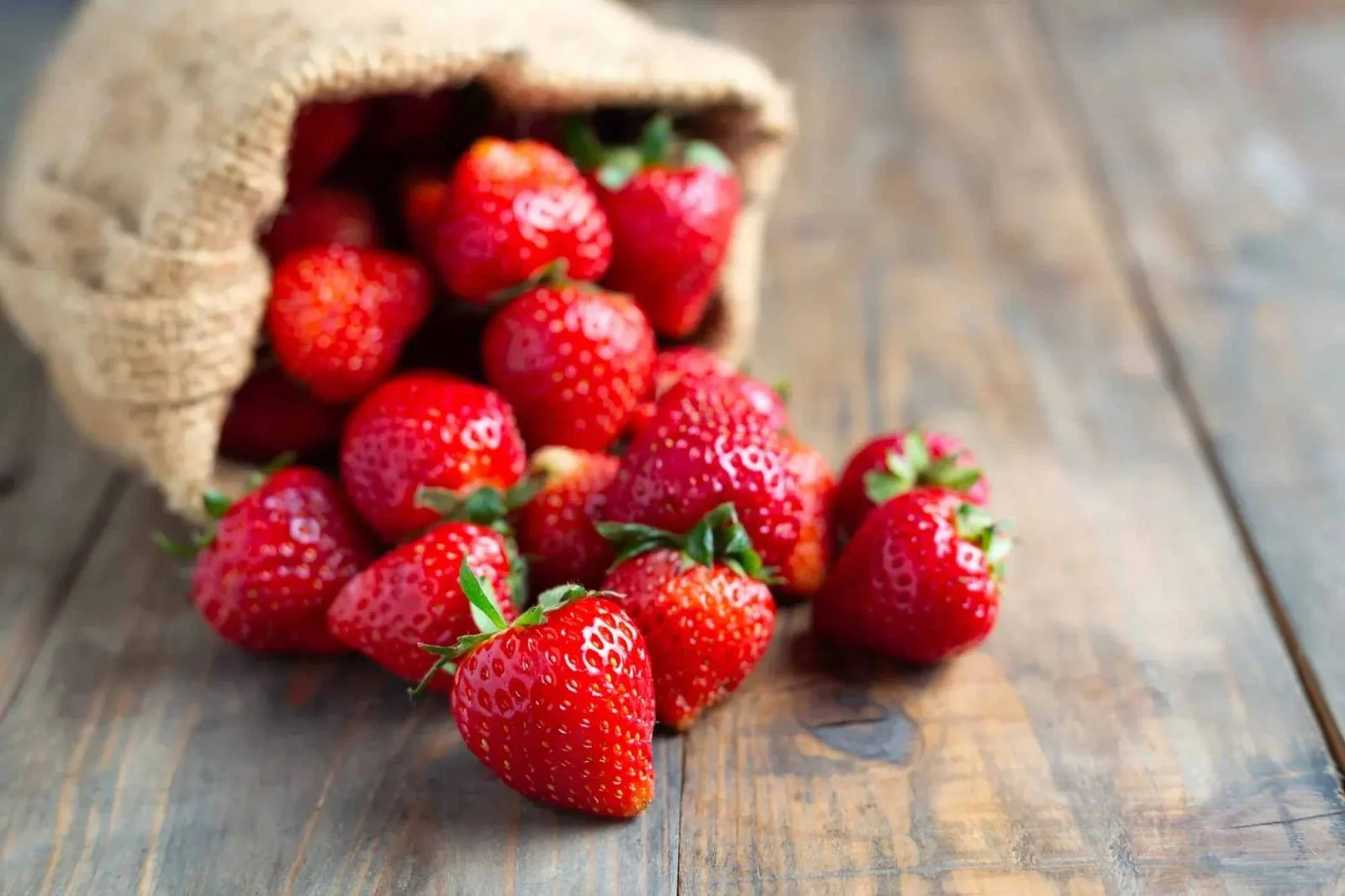
The catalogue presents twelve distinct fresh‑produce SKUs, each falling under the broader categories of berries, citrus, root vegetables, tubers, leafy greens and legumes. In the strawberry segment, exporters typically offer Grade A berries with average berry size 20‑25 mm and soluble solids content (Brix) of 8‑10 %. Garlic and onion are usually supplied as whole bulbs meeting size classes 2‑4 mm diameter for export, with moisture content below 15 %. Citrus such as lemon and orange are graded by weight (e.g., 150‑250 g per fruit) and acidity (4.5‑5.5 % citric acid). Carrots and sweet potatoes are commonly sorted by length (150‑200 mm) and firmness, while bell pepper and green peas are packed by count per box (e.g., 250 pcs / box). Egyptian grape varieties exported are often seedless, with berry size 18‑22 mm and sugar content above 15 % Brix. These specifications align with the quality parameters required by EU and Gulf importers.
Trade and Export Information - Pure Land For Agriculture Export
Egyptian fresh produce is routinely shipped to the European Union, the Gulf Cooperation Council states, and North‑American markets, driven by seasonal complementarity to local production. HS chapter 07 (vegetables) and chapter 08 (fruits) are the primary tariff classifications, with sub‑headings such as 0701 01 (fresh potatoes) and 0805 20 (citrus fruit). Importers usually request phytosanitary certificates, GlobalGAP compliance or equivalent food‑safety audits, and, for the EU, evidence of pesticide residue compliance with Regulation EC 1881/2006. Refrigerated sea freight (20‑ft or 40‑ft reefers) and air cargo for high‑value berries are the common logistics modes, with temperature set points of 0 °C for leafy greens and 2‑4 °C for most fruits. Egyptian exporters often benefit from the country's proximity to the Suez Canal, reducing transit times to Europe and the Middle East. Typical incoterms include FOB Alexandria Port or CIF destination, depending on buyer preference.
Sourcing from Pure Land For Agriculture Export - Buyer Guidance
When sourcing from Pure Land For Agriculture Export, buyers should request a recent phytosanitary certificate and, where applicable, a GlobalGAP audit report to confirm compliance with food‑safety standards. Sample requests should specify the required grade (e.g., Grade A strawberry, size class 2 mm) and be accompanied by laboratory analysis for pesticide residues, Brix, and moisture content. Verify the container type (reefers with temperature control) and confirm that the packing material meets the buyer’s market regulations, such as recyclable PET trays for lettuce or mesh bags for root crops. Buyers are advised to clarify the Incoterm, lead time for harvest window (typically 2‑4 weeks from order confirmation), and minimum order quantities, which for most fresh produce range from 5 MT to 15 MT depending on the commodity.
Frequently Asked Questions About Pure Land For Agriculture Export
What fresh‑produce items does Pure Land For Agriculture Export list in its catalogue?
The supplier lists twelve items: strawberry, garlic, lemon, onion, iceberg lettuce, carrot, sweet potato, bell pepper, green peas, grapes, orange and pomegranate.
Which HS code chapters cover the products offered by Pure Land For Agriculture Export?
The products fall under HS chapter 07 for edible vegetables and HS chapter 08 for edible fruit, with sub‑headings such as 0701 01 for fresh potatoes and 0805 20 for citrus fruits.
What quality parameters are typical for the strawberries in this catalogue?
Export‑grade strawberries are usually sized 20‑25 mm, classified as Grade A, and have a soluble solids content (Brix) between 8 % and 10 %.
Which certifications should a buyer request from this Egyptian supplier?
Buyers should request a phytosanitary certificate and, if required by the destination market, a GlobalGAP or equivalent food‑safety audit report.
What packaging formats are commonly used for the vegetable items?
Root vegetables such as carrots and sweet potatoes are often packed in ventilated cardboard boxes, while leafy items like iceberg lettuce are placed in insulated, breathable trays; bell peppers and green peas are typically packed in mesh bags.
What are the usual shipping methods for these fresh produce goods?
Refrigerated sea containers (20‑ft or 40‑ft reefers) are standard, with temperature settings of 0 °C for leafy greens and 2‑4 °C for most fruits; air freight is used for high‑value berries when faster delivery is needed.
What minimum order quantities (MOQ) are typical for these products?
MOQs generally range from 5 metric tonnes for bulk vegetables to 15 metric tonnes for premium fruits, depending on the specific commodity and season.
How can a buyer verify the pesticide residue compliance of the supplied produce?
Buyers should request the latest laboratory test report showing compliance with the destination country’s maximum residue limits (MRLs), often included in the GlobalGAP or separate analytical certificate.




 , Egypt