PT. Sakatoro Mandiri Sukses — Verified Supplier

About PT. Sakatoro Mandiri Sukses - Fruits Supplier in Indonesia

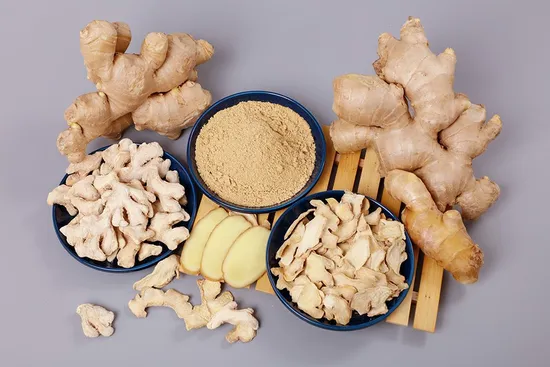
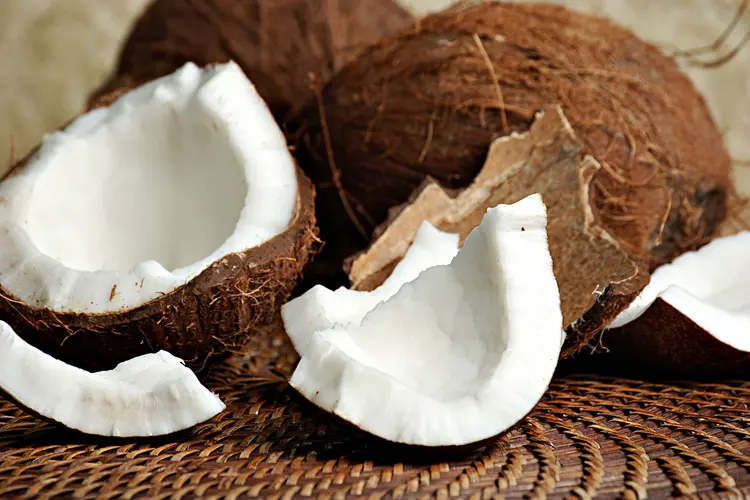
Indonesia hosts PT. Sakatoro Mandiri Sukses, which currently lists eleven distinct fruit and vegetable items in its catalogue. The product list includes fresh Rambutan, mature Coconut, fresh and frozen Mango varieties, Salacca (salak), Mangosteen, frozen seedless Durian, and fresh Ginger. Two mango entries are associated with specific HS codes: fresh whole mango under HS 0804.50 and frozen mango under HS 0811.90. The catalogue also repeats some items such as Salacca and Mangosteen under slightly different names, reflecting variations in market labeling. All items are categorized under the broader fruit sector, matching the supplier’s top category of Fruits. The supplier’s catalogue groups products by type rather than by processing level, covering both fresh whole fruits and frozen forms. Fresh Mango is described as Mangifera indica, while frozen Mango specifies a yellow‑flesh variety, indicating a focus on consumer‑preferred cultivars. The inclusion of mature Coconut and frozen Durian seedless suggests capability to handle both high‑moisture and dense fruit commodities. Fresh Ginger adds a root vegetable to the mix, expanding the range beyond typical tropical fruits. The HS code families (08 for fresh produce and 0811 for frozen) align with standard customs classifications for these commodities.

Product Range and Specialties of PT. Sakatoro Mandiri Sukses

PT. Sakatoro Mandiri Sukses offers a catalogue of eleven products: Rambutan, mature Coconut, fresh Mango (HS 0804.50), frozen Mango (HS 0811.90), Salacca (salak), Mangosteen, frozen seedless Durian, and fresh Ginger. In the mango segment, buyers commonly request fruits meeting Brix levels of 12‑14 % for fresh mango and a frozen pulp moisture content below 8 % for frozen mango. Coconut is typically evaluated for kernel moisture below 6 % and shell integrity, while Rambutan and Salacca are graded by skin color uniformity and fruit size, often expressed in millimetres (e.g., 50‑70 mm diameter). Mangosteen quality is measured by rind thickness and aril sweetness, and fresh ginger is assessed for fibrous content and gingerol concentration, usually reported as a percentage of dry weight. International buyers frequently require compliance with BRC Global Standard for Food, ISO 22000, and HACCP food safety plans for fresh and frozen fruit shipments. For frozen products, the International Safe Transit Association (ISTA) testing for temperature maintenance and the use of insulated, refrigerated containers are standard. Packaging for fresh mango and other whole fruits often uses 20 kg cartons stacked on pallets, while frozen mango is commonly packed in 25 kg insulated boxes suitable for 40 ft reefer containers. Export documentation typically includes a phytosanitary certificate and, where applicable, a certificate of origin.

Trade and Export Information - PT. Sakatoro Mandiri Sukses

Indonesia ranks among the top global exporters of tropical fruits, with the majority of shipments destined for the European Union, United States, China, and the Middle East. Products classified under HS chapter 08 (fresh produce) and HS 0811 (frozen fruit) are subject to phytosanitary inspections and must meet the importing country’s residue limits and pesticide regulations. Buyers usually request BRC or FSSC 22000 certification, as well as compliance with EU maximum residue limits (MRLs) for mango and coconut. Fresh mango and other high‑moisture fruits are typically shipped under FOB or CIF terms from Jakarta ports, using refrigerated containers that maintain 0‑4 °C to preserve shelf life. Frozen mango and frozen durian seedless require frozen containers (reefers) set at - 18 °C, with insulated packaging to prevent thawing during handling. Standard container loads range from 20 ft (approximately 12 metric tonnes of fresh fruit) to 40 ft reefers (up to 22 metric tonnes of frozen product).

Sourcing from PT. Sakatoro Mandiri Sukses - Buyer Guidance

Potential buyers should request a detailed product specification sheet that includes size ranges, Brix levels, moisture content, and any pesticide residue test results. For frozen mango, a freezer temperature log and a certificate confirming compliance with ISO 9001 or similar quality management systems are advisable. A phytosanitary certificate issued by the Indonesian Ministry of Agriculture is mandatory for all fresh fruit exports. Before placing a purchase order, verify that the supplier can provide batch‑specific lab reports for pesticide residues and microbial limits, as required by most EU and US import regulations. Confirm packaging dimensions and container type to ensure compatibility with your logistics chain, and clarify the Incoterm (e.g., FOB Jakarta) and expected lead time, which for fresh fruit is typically 2‑3 weeks after order confirmation.

Frequently Asked Questions About PT. Sakatoro Mandiri Sukses

What fruit products does PT. Sakatoro Mandiri Sukses list in its catalogue?

The catalogue contains eleven items: Rambutan, mature Coconut, fresh Mango (HS 0804.50), frozen Mango (HS 0811.90), Salacca (salak), Mangosteen, frozen seedless Durian, Mangosteen (listed again), Salacca (duplicate entry), Mango (Harum Manis), and fresh Ginger.

Which HS codes are associated with the mango products?

Fresh whole mango is classified under HS 0804.50, while frozen mango is classified under HS 0811.90, both falling within the HS chapter for fruit and vegetables.

What quality specifications are commonly required for fresh mango from Indonesia?

Buyers usually ask for a Brix level of 12‑14 %, uniform size (approximately 70‑100 mm length), low pesticide residues meeting EU MRLs, and a phytosanitary certificate.

How are frozen mango shipments typically packaged and shipped?

Frozen mango is packed in insulated 25 kg boxes and loaded into 40 ft refrigerated containers (reefers) maintained at - 18 °C, allowing a full container load of roughly 22 metric tonnes.

Which certifications are typically required for importing Indonesian fruit?

Importers often require a phytosanitary certificate, and may request BRC Global Standard for Food, FSSC 22000, or ISO 22000 compliance to verify food safety management.

What is the usual lead time for fresh fruit orders from this supplier?

Lead times for fresh fruit such as mango, rambutan, and coconut are generally 2‑3 weeks after order confirmation, depending on seasonal availability and export documentation processing.

What documentation should a buyer request before finalizing a purchase?

Buyers should obtain a product specification sheet, recent lab test reports for pesticide residues and microbial limits, a phytosanitary certificate, and, where applicable, a certificate of origin and quality management system certificate.


Featured Products from this Supplier

Other Suppliers in Primary Category

Top Trusted Suppliers

Related Products

Trending in Parent Category

More Suppliers in Category

Related Products

Other Suppliers

EximNext
58.7K+ live requirements
Register Free🎁 Reach verified global buyers
Post Requirement
🌍 Trusted by 224.9K+ businesses in 200+ countries|
58.7K+ active requirements right now
✉️ [email protected]
|
Sell on EximNextPost Requirement
EximNext
AgricultureApparelConstructionElectronicFoodHomeIndustrialMineralsMiscellaneous
🔥 Deals|✨ AI Match|🏭 Suppliers|📋 Buy Leads|💰 Trade Finance
58.7K+ live RFQs·194.8K+ suppliers
🎁 Reach global buyers →
EximNext
EximNext
Register Free
🎁 Reach verified global buyers
Sign In
📋Post Requirement💬Get Quotes✨AI Match📋RFQ Marketplace
All Categories
Services & Tools
🏭Supplier Directory🔥Today's Deals💰Trade Finance
Sell on EximNext →
AboutContactBlogHelp
Global Trade  ·  Indonesia
11
products listed

PT. Sakatoro Mandiri Sukses

⚓ Harbor
Country flag , Indonesia
🛡️
55/100
Trust Score

PT. Sakatoro Mandiri Sukses Product Catalog

Showing 11 of 11 products
View all products →
Fresh Ginger
⚓ Harbor
Fresh Ginger
Contact
MOQ: 1 Unit
Mango (Harum Manis)
⚓ Harbor
Mango (Harum Manis)
Contact
MOQ: 1 Unit
Salacca
⚓ Harbor
Salacca
Contact
MOQ: 1 Unit
Mangosteen
⚓ Harbor
Mangosteen
Contact
MOQ: 1 Unit
Salacca ( salak )
⚓ Harbor
Salacca ( salak )
Contact
MOQ: 1 Unit
Mangosteen (Garcinia mangostana)
⚓ Harbor
Mangosteen (Garcinia mangostana)
Contact
MOQ: 1 Unit
Frozen Durian Seedless
⚓ Harbor
Frozen Durian Seedless
Contact
MOQ: 1 Unit
Rambutan
⚓ Harbor
Rambutan
Contact
MOQ: 1 Unit
Mature Coconut
⚓ Harbor
Mature Coconut
Contact
MOQ: 1 Unit
Mango
⚓ Harbor
Mango
Contact
MOQ: 1 Unit
Frozen Mango
⚓ Harbor
Frozen Mango
Contact
MOQ: 1 Unit

About PT. Sakatoro Mandiri Sukses - Fruits Supplier in Indonesia

Indonesia hosts PT. Sakatoro Mandiri Sukses, which currently lists eleven distinct fruit and vegetable items in its catalogue. The product list includes fresh Rambutan, mature Coconut, fresh and frozen Mango varieties, Salacca (salak), Mangosteen, frozen seedless Durian, and fresh Ginger. Two mango entries are associated with specific HS codes: fresh whole mango under HS 0804.50 and frozen mango under HS 0811.90. The catalogue also repeats some items such as Salacca and Mangosteen under slightly different names, reflecting variations in market labeling. All items are categorized under the broader fruit sector, matching the supplier’s top category of Fruits. The supplier’s catalogue groups products by type rather than by processing level, covering both fresh whole fruits and frozen forms. Fresh Mango is described as Mangifera indica, while frozen Mango specifies a yellow‑flesh variety, indicating a focus on consumer‑preferred cultivars. The inclusion of mature Coconut and frozen Durian seedless suggests capability to handle both high‑moisture and dense fruit commodities. Fresh Ginger adds a root vegetable to the mix, expanding the range beyond typical tropical fruits. The HS code families (08 for fresh produce and 0811 for frozen) align with standard customs classifications for these commodities.

Product Range and Specialties of PT. Sakatoro Mandiri Sukses

PT. Sakatoro Mandiri Sukses offers a catalogue of eleven products: Rambutan, mature Coconut, fresh Mango (HS 0804.50), frozen Mango (HS 0811.90), Salacca (salak), Mangosteen, frozen seedless Durian, and fresh Ginger. In the mango segment, buyers commonly request fruits meeting Brix levels of 12‑14 % for fresh mango and a frozen pulp moisture content below 8 % for frozen mango. Coconut is typically evaluated for kernel moisture below 6 % and shell integrity, while Rambutan and Salacca are graded by skin color uniformity and fruit size, often expressed in millimetres (e.g., 50‑70 mm diameter). Mangosteen quality is measured by rind thickness and aril sweetness, and fresh ginger is assessed for fibrous content and gingerol concentration, usually reported as a percentage of dry weight. International buyers frequently require compliance with BRC Global Standard for Food, ISO 22000, and HACCP food safety plans for fresh and frozen fruit shipments. For frozen products, the International Safe Transit Association (ISTA) testing for temperature maintenance and the use of insulated, refrigerated containers are standard. Packaging for fresh mango and other whole fruits often uses 20 kg cartons stacked on pallets, while frozen mango is commonly packed in 25 kg insulated boxes suitable for 40 ft reefer containers. Export documentation typically includes a phytosanitary certificate and, where applicable, a certificate of origin.

Trade and Export Information - PT. Sakatoro Mandiri Sukses

Indonesia ranks among the top global exporters of tropical fruits, with the majority of shipments destined for the European Union, United States, China, and the Middle East. Products classified under HS chapter 08 (fresh produce) and HS 0811 (frozen fruit) are subject to phytosanitary inspections and must meet the importing country’s residue limits and pesticide regulations. Buyers usually request BRC or FSSC 22000 certification, as well as compliance with EU maximum residue limits (MRLs) for mango and coconut. Fresh mango and other high‑moisture fruits are typically shipped under FOB or CIF terms from Jakarta ports, using refrigerated containers that maintain 0‑4 °C to preserve shelf life. Frozen mango and frozen durian seedless require frozen containers (reefers) set at - 18 °C, with insulated packaging to prevent thawing during handling. Standard container loads range from 20 ft (approximately 12 metric tonnes of fresh fruit) to 40 ft reefers (up to 22 metric tonnes of frozen product).

Sourcing from PT. Sakatoro Mandiri Sukses - Buyer Guidance

Potential buyers should request a detailed product specification sheet that includes size ranges, Brix levels, moisture content, and any pesticide residue test results. For frozen mango, a freezer temperature log and a certificate confirming compliance with ISO 9001 or similar quality management systems are advisable. A phytosanitary certificate issued by the Indonesian Ministry of Agriculture is mandatory for all fresh fruit exports. Before placing a purchase order, verify that the supplier can provide batch‑specific lab reports for pesticide residues and microbial limits, as required by most EU and US import regulations. Confirm packaging dimensions and container type to ensure compatibility with your logistics chain, and clarify the Incoterm (e.g., FOB Jakarta) and expected lead time, which for fresh fruit is typically 2‑3 weeks after order confirmation.

Frequently Asked Questions About PT. Sakatoro Mandiri Sukses

What fruit products does PT. Sakatoro Mandiri Sukses list in its catalogue?

The catalogue contains eleven items: Rambutan, mature Coconut, fresh Mango (HS 0804.50), frozen Mango (HS 0811.90), Salacca (salak), Mangosteen, frozen seedless Durian, Mangosteen (listed again), Salacca (duplicate entry), Mango (Harum Manis), and fresh Ginger.

Which HS codes are associated with the mango products?

Fresh whole mango is classified under HS 0804.50, while frozen mango is classified under HS 0811.90, both falling within the HS chapter for fruit and vegetables.

What quality specifications are commonly required for fresh mango from Indonesia?

Buyers usually ask for a Brix level of 12‑14 %, uniform size (approximately 70‑100 mm length), low pesticide residues meeting EU MRLs, and a phytosanitary certificate.

How are frozen mango shipments typically packaged and shipped?

Frozen mango is packed in insulated 25 kg boxes and loaded into 40 ft refrigerated containers (reefers) maintained at - 18 °C, allowing a full container load of roughly 22 metric tonnes.

Which certifications are typically required for importing Indonesian fruit?

Importers often require a phytosanitary certificate, and may request BRC Global Standard for Food, FSSC 22000, or ISO 22000 compliance to verify food safety management.

What is the usual lead time for fresh fruit orders from this supplier?

Lead times for fresh fruit such as mango, rambutan, and coconut are generally 2‑3 weeks after order confirmation, depending on seasonal availability and export documentation processing.

What documentation should a buyer request before finalizing a purchase?

Buyers should obtain a product specification sheet, recent lab test reports for pesticide residues and microbial limits, a phytosanitary certificate, and, where applicable, a certificate of origin and quality management system certificate.

About PT. Sakatoro Mandiri Sukses - Fruits Supplier in Indonesia

Indonesia hosts PT. Sakatoro Mandiri Sukses, which currently lists eleven distinct fruit and vegetable items in its catalogue. The product list includes fresh Rambutan, mature Coconut, fresh and frozen Mango varieties, Salacca (salak), Mangosteen, frozen seedless Durian, and fresh Ginger. Two mango entries are associated with specific HS codes: fresh whole mango under HS 0804.50 and frozen mango under HS 0811.90. The catalogue also repeats some items such as Salacca and Mangosteen under slightly different names, reflecting variations in market labeling. All items are categorized under the broader fruit sector, matching the supplier’s top category of Fruits. The supplier’s catalogue groups products by type rather than by processing level, covering both fresh whole fruits and frozen forms. Fresh Mango is described as Mangifera indica, while frozen Mango specifies a yellow‑flesh variety, indicating a focus on consumer‑preferred cultivars. The inclusion of mature Coconut and frozen Durian seedless suggests capability to handle both high‑moisture and dense fruit commodities. Fresh Ginger adds a root vegetable to the mix, expanding the range beyond typical tropical fruits. The HS code families (08 for fresh produce and 0811 for frozen) align with standard customs classifications for these commodities.

Product Range and Specialties of PT. Sakatoro Mandiri Sukses

PT. Sakatoro Mandiri Sukses offers a catalogue of eleven products: Rambutan, mature Coconut, fresh Mango (HS 0804.50), frozen Mango (HS 0811.90), Salacca (salak), Mangosteen, frozen seedless Durian, and fresh Ginger. In the mango segment, buyers commonly request fruits meeting Brix levels of 12‑14 % for fresh mango and a frozen pulp moisture content below 8 % for frozen mango. Coconut is typically evaluated for kernel moisture below 6 % and shell integrity, while Rambutan and Salacca are graded by skin color uniformity and fruit size, often expressed in millimetres (e.g., 50‑70 mm diameter). Mangosteen quality is measured by rind thickness and aril sweetness, and fresh ginger is assessed for fibrous content and gingerol concentration, usually reported as a percentage of dry weight. International buyers frequently require compliance with BRC Global Standard for Food, ISO 22000, and HACCP food safety plans for fresh and frozen fruit shipments. For frozen products, the International Safe Transit Association (ISTA) testing for temperature maintenance and the use of insulated, refrigerated containers are standard. Packaging for fresh mango and other whole fruits often uses 20 kg cartons stacked on pallets, while frozen mango is commonly packed in 25 kg insulated boxes suitable for 40 ft reefer containers. Export documentation typically includes a phytosanitary certificate and, where applicable, a certificate of origin.

Trade and Export Information - PT. Sakatoro Mandiri Sukses

Indonesia ranks among the top global exporters of tropical fruits, with the majority of shipments destined for the European Union, United States, China, and the Middle East. Products classified under HS chapter 08 (fresh produce) and HS 0811 (frozen fruit) are subject to phytosanitary inspections and must meet the importing country’s residue limits and pesticide regulations. Buyers usually request BRC or FSSC 22000 certification, as well as compliance with EU maximum residue limits (MRLs) for mango and coconut. Fresh mango and other high‑moisture fruits are typically shipped under FOB or CIF terms from Jakarta ports, using refrigerated containers that maintain 0‑4 °C to preserve shelf life. Frozen mango and frozen durian seedless require frozen containers (reefers) set at - 18 °C, with insulated packaging to prevent thawing during handling. Standard container loads range from 20 ft (approximately 12 metric tonnes of fresh fruit) to 40 ft reefers (up to 22 metric tonnes of frozen product).

Sourcing from PT. Sakatoro Mandiri Sukses - Buyer Guidance

Potential buyers should request a detailed product specification sheet that includes size ranges, Brix levels, moisture content, and any pesticide residue test results. For frozen mango, a freezer temperature log and a certificate confirming compliance with ISO 9001 or similar quality management systems are advisable. A phytosanitary certificate issued by the Indonesian Ministry of Agriculture is mandatory for all fresh fruit exports. Before placing a purchase order, verify that the supplier can provide batch‑specific lab reports for pesticide residues and microbial limits, as required by most EU and US import regulations. Confirm packaging dimensions and container type to ensure compatibility with your logistics chain, and clarify the Incoterm (e.g., FOB Jakarta) and expected lead time, which for fresh fruit is typically 2‑3 weeks after order confirmation.

Frequently Asked Questions About PT. Sakatoro Mandiri Sukses
What fruit products does PT. Sakatoro Mandiri Sukses list in its catalogue?
The catalogue contains eleven items: Rambutan, mature Coconut, fresh Mango (HS 0804.50), frozen Mango (HS 0811.90), Salacca (salak), Mangosteen, frozen seedless Durian, Mangosteen (listed again), Salacca (duplicate entry), Mango (Harum Manis), and fresh Ginger.
Which HS codes are associated with the mango products?
Fresh whole mango is classified under HS 0804.50, while frozen mango is classified under HS 0811.90, both falling within the HS chapter for fruit and vegetables.
What quality specifications are commonly required for fresh mango from Indonesia?
Buyers usually ask for a Brix level of 12‑14 %, uniform size (approximately 70‑100 mm length), low pesticide residues meeting EU MRLs, and a phytosanitary certificate.
How are frozen mango shipments typically packaged and shipped?
Frozen mango is packed in insulated 25 kg boxes and loaded into 40 ft refrigerated containers (reefers) maintained at - 18 °C, allowing a full container load of roughly 22 metric tonnes.
Which certifications are typically required for importing Indonesian fruit?
Importers often require a phytosanitary certificate, and may request BRC Global Standard for Food, FSSC 22000, or ISO 22000 compliance to verify food safety management.
What is the usual lead time for fresh fruit orders from this supplier?
Lead times for fresh fruit such as mango, rambutan, and coconut are generally 2‑3 weeks after order confirmation, depending on seasonal availability and export documentation processing.
What documentation should a buyer request before finalizing a purchase?
Buyers should obtain a product specification sheet, recent lab test reports for pesticide residues and microbial limits, a phytosanitary certificate, and, where applicable, a certificate of origin and quality management system certificate.

PT. Sakatoro Mandiri Sukses
Country flag Indonesia
⚓ HarborGlobal Trade
55/100
Trust Score
11
Products
✓ Free to contact — no commission
✓ Escrow payment available
✓ Verified business identity
Compare more suppliers
Post a requirement — get 10 quotes free
Let verified suppliers compete for your business. Free, fast, no commitment.
EximNext Verified Supplier
Business identity verified
Physical address confirmed
Financial history checked
Certifications authenticated
Trade references validated
Due Diligence
Verify this supplier's real shipping history.
Every shipment, every buyer, every port. Trade data that can't be faked.
Run due diligence →
Discover More

Related Suppliers & Products

Explore similar suppliers, related products and trending categories

Featured Products from this Supplier

Other Suppliers in Primary Category

Top Trusted Suppliers

Related Products

Trending in Parent Category

More Suppliers in Category

Stay ahead in global trade
Weekly market insights & new supplier alerts.
EximNext
Exim Next is a leading global B2B marketplace, connecting over 205,000 verified suppliers and buyers across 200+ countries. As a trusted import export marketplace, it serves as the essential B2B portal for businesses worldwide, empowering them to expand their international reach. With Exim Next, businesses can trade smarter and grow faster.
SECURE PAYMENTS
VISAMastercardPayPalSWIFTL/CEscrow
Follow us
© 2026 EximNext