PT Nusantara Charcoal International Supplies — Verified Supplier
About PT Nusantara Charcoal International Supplies - Charcoal Briquette Supplier in Indonesia
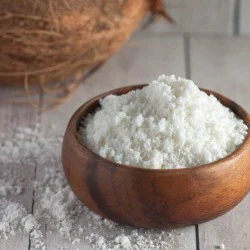
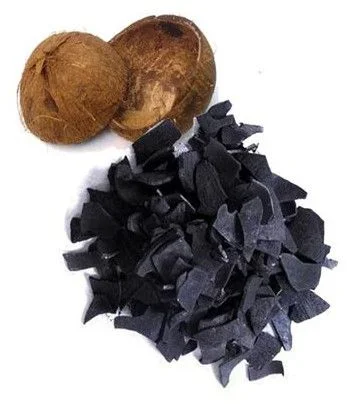
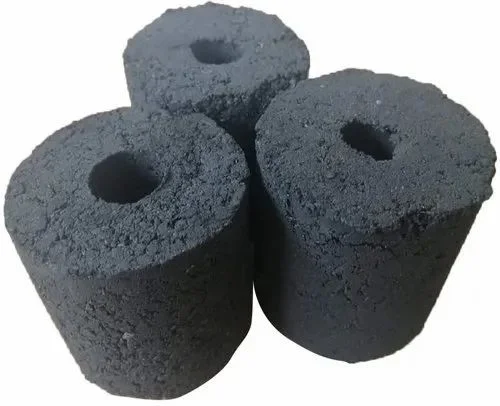
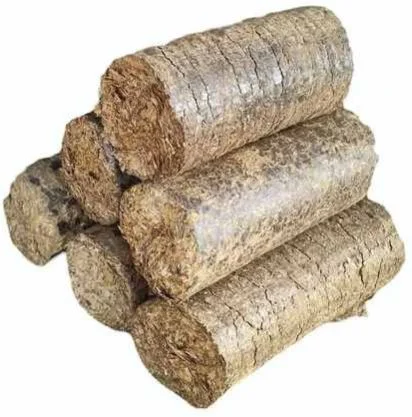
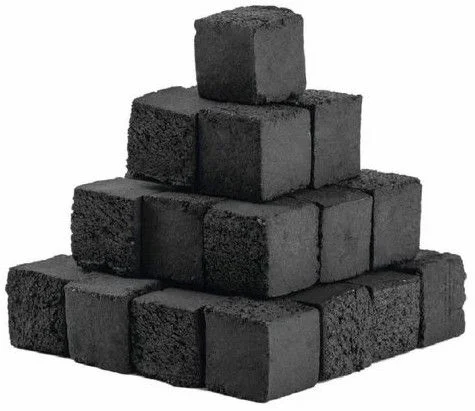
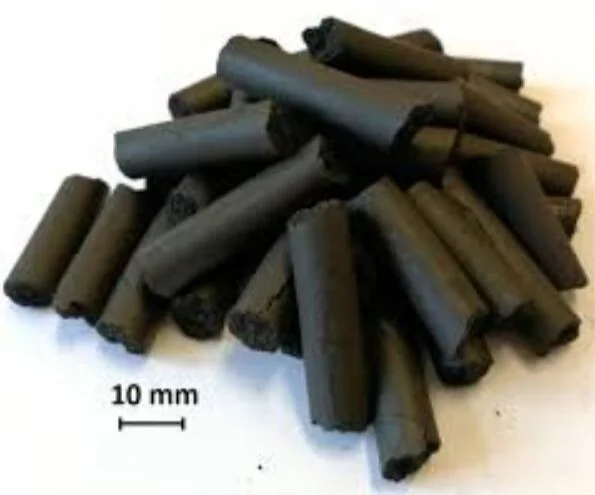
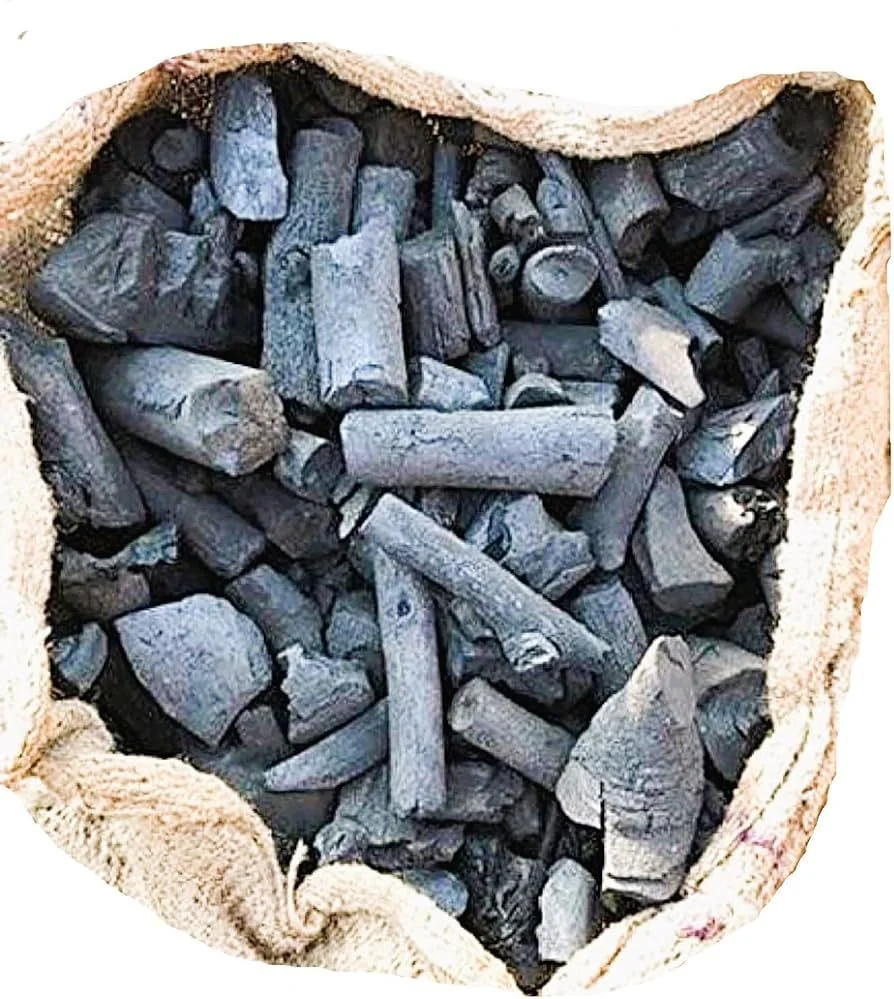
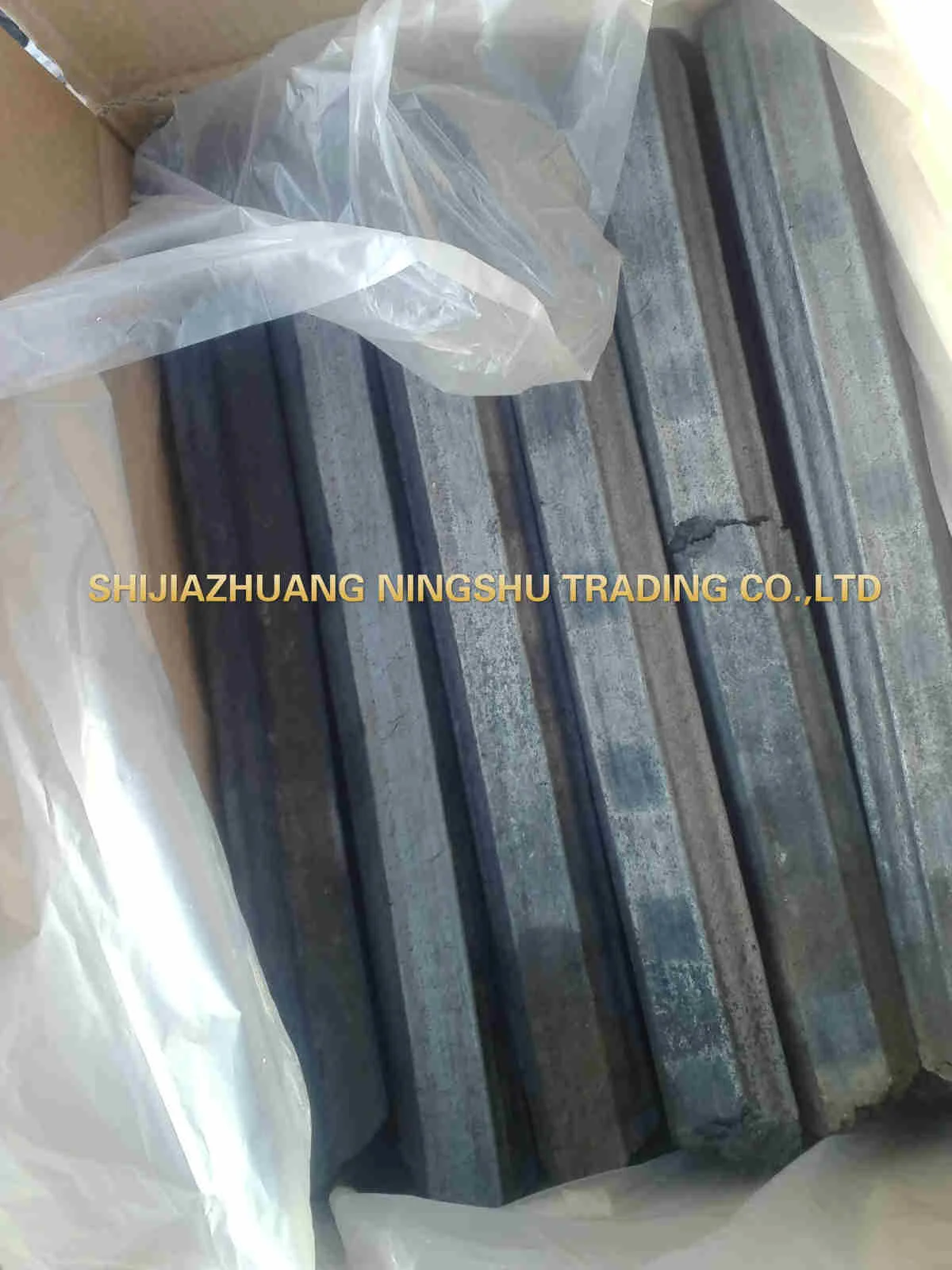
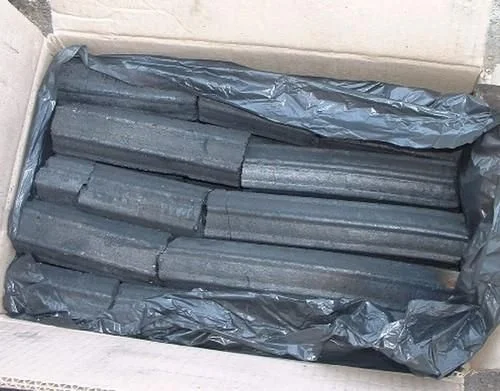
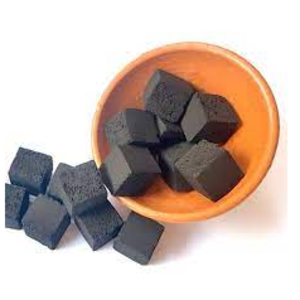
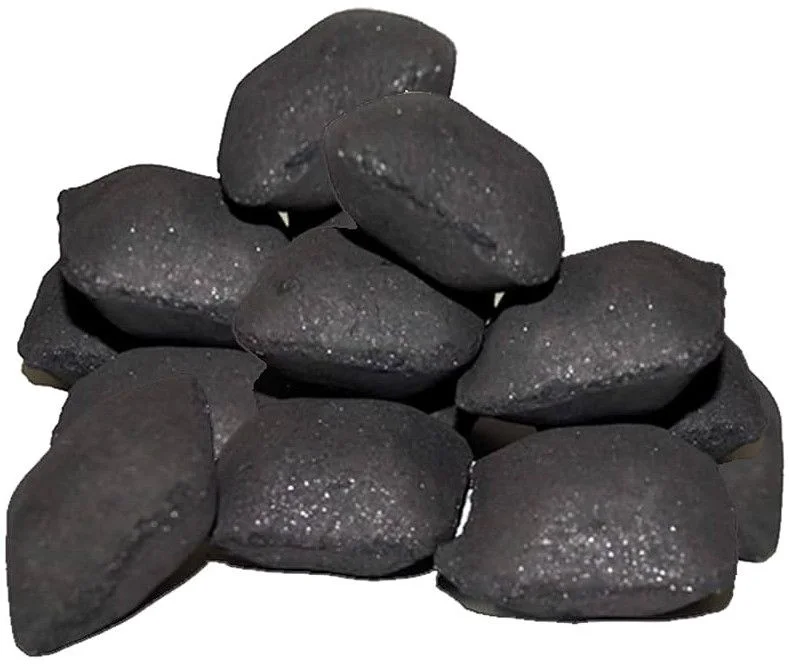
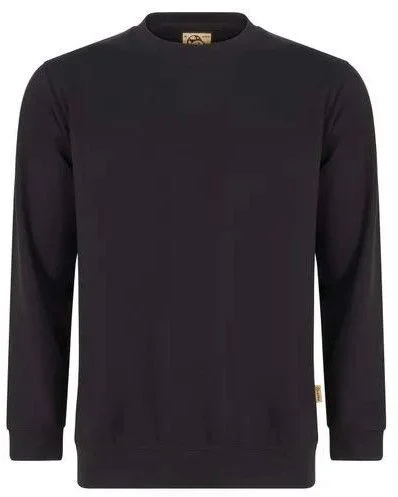
Indonesia is the base of PT Nusantara Charcoal International Supplies, which currently lists six active products in its catalogue. The catalogue covers two forms of charcoal, two grades of desiccated coconut, and a garment item. The charcoal items are Coconut Charcoal Briquettes and BBQ Charcoal Briquette, both derived from coconut shells. The desiccated coconut offerings are a fine‑grade low‑fat variant and a high‑fat variant. The remaining products are Coconut Shell Charcoal and an Oversized Shirt.
The charcoal products are classified under the HS chapter for charcoal and related products, while desiccated coconut falls under the HS chapter for coconut products, and the shirt under the HS chapter for knitted apparel. These categories are commonly exported from Indonesia to markets in Europe, North America, and the Middle East. The supplier’s portfolio of six items reflects a focused selection within these export‑oriented segments. Buyers typically encounter these product types when sourcing bulk raw materials or finished textile goods.
Product Range and Specialties of PT Nusantara Charcoal International Supplies
The catalogue lists Coconut Charcoal Briquettes, BBQ Charcoal Briquette, Coconut Shell Charcoal, Fine Grade Desiccated Coconut Low Fat, Desiccated Coconut High Fat, and an Oversized Shirt. The two charcoal briquette products are intended for fuel applications, while the coconut shell charcoal is a bulk charcoal used for industrial filtration. The desiccated coconut grades differ mainly in fat content, with the low‑fat variant suited for bakery and confectionery, and the high‑fat variant used in snack formulations. The Oversized Shirt is a single garment item made from woven fabric.
In the charcoal sector, briquettes are typically produced in sizes ranging from 30 mm to 50 mm, with carbon content above 80 % and ash content below 5 %, conforming to ASTM D1765 or ISO 17225‑2 specifications. Coconut shell charcoal used for industrial filtration often meets an iodine value of 15 - 25 mg g‑1 and a bulk density of 0.45 - 0.55 g cm‑3. Desiccated coconut is usually sold with moisture below 5 % and a fat content specification expressed as a percentage of the dry weight; fine‑grade products often have particle size under 1 mm. Garments such as the Oversized Shirt are commonly made from cotton or cotton‑blend fabrics with a weight of 150 - 180 gsm, and are packaged in bulk cartons suitable for container loading.
Trade and Export Information - PT Nusantara Charcoal International Supplies
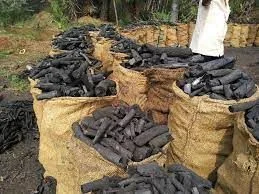
Indonesia ranks among the world’s top exporters of coconut‑derived charcoal and desiccated coconut, supplying markets in the European Union, the United States, and the Gulf Cooperation Council states. Export shipments are frequently handled in 20‑foot or 40‑foot containers, with charcoal packed in 1‑ton polypropylene bags and desiccated coconut in food‑grade 50 kg bulk bags. Standard Incoterms used by Indonesian exporters include FOB Jakarta Port and CIF destination ports in target regions.
Buyers of charcoal products usually request certification such as ISO 9001 quality management, as well as compliance with local air‑quality regulations. Desiccated coconut imports often require a phytosanitary certificate and may be subject to maximum residue limits (MRL) for pesticides under EU regulations. Textile shipments typically need a declaration of fiber content and may be inspected for compliance with the Harmonized System rules for apparel. Exporters from Indonesia commonly work with freight forwarders experienced in handling bulk agricultural and industrial commodities.
Sourcing from PT Nusantara Charcoal International Supplies - Buyer Guidance
When sourcing charcoal briquettes, request test reports that detail carbon content, ash percentage, moisture, and particle size distribution. Verify that the supplier can provide an ISO 9001 certificate or equivalent quality system documentation, and ask for a recent batch analysis report.
For desiccated coconut, buyers should obtain a moisture analysis, fat content specification, and a microbiological test report confirming compliance with a total plate count below 10,000 cfu g‑1. A phytosanitary certificate is standard for most importing countries, and the buyer may ask for a declaration of pesticide residue levels.
If the Coconut Shell Charcoal is intended for industrial filtration, request an iodine value test, bulk density measurement, and a certification that the product meets ISO 17225‑2. Confirmation of no added chemicals is also advisable.
For the Oversized Shirt, ask for a fabric composition sheet, GSM measurement, and a compliance statement with the relevant textile labeling regulations of the destination market. A pre‑production sample can verify stitching quality and size standards.
Frequently Asked Questions About PT Nusantara Charcoal International Supplies
What size and carbon content are typical for the coconut charcoal briquettes?
Briquettes are commonly produced in 30 mm to 50 mm diameters with a carbon content above 80 % and ash below 5 %, meeting ASTM D1765 or ISO 17225‑2 standards.
Which certifications should a buyer request for desiccated coconut imports?
Buyers usually request a phytosanitary certificate, a laboratory analysis for moisture and fat content, and confirmation that pesticide residues meet the limits set by the destination country's regulations.
What are the standard packaging formats for bulk charcoal shipments from Indonesia?
Charcoal is typically packed in 1‑ton polypropylene bags, stacked in 20‑foot or 40‑foot containers, and shipped under FOB Jakarta or CIF terms to the buyer’s port.
How is the quality of coconut shell charcoal for filtration verified?
Quality is verified through an iodine value test (15 - 25 mg g‑1), bulk density measurement (0.45 - 0.55 g cm‑3), and a certificate that the product complies with ISO 17225‑2.
What particle size is expected for fine‑grade desiccated coconut low fat?
Fine‑grade desiccated coconut is usually milled to a particle size of less than 1 mm, with moisture below 5 % and fat content specified as a percentage of dry weight.
Which markets commonly import Indonesian coconut products?
Major importers include the European Union, the United States, Japan, and Gulf Cooperation Council countries, which source both charcoal and desiccated coconut for fuel, food processing, and industrial uses.
What documentation is needed for the Oversized Shirt export?
Exporters should provide a fabric composition declaration, GSM measurement, and a compliance statement with the destination country’s textile labeling rules; a sample is advisable before full shipment.
What Incoterms are typically used for these product categories?
FOB from Jakarta Port is common for bulk charcoal and coconut products, while CIF is often used for finished garments to cover freight and insurance to the buyer’s port.




 , Indonesia