PT Indosunrise Group — Verified Supplier
About PT Indosunrise Group - Canned Fish Supplier in Indonesia
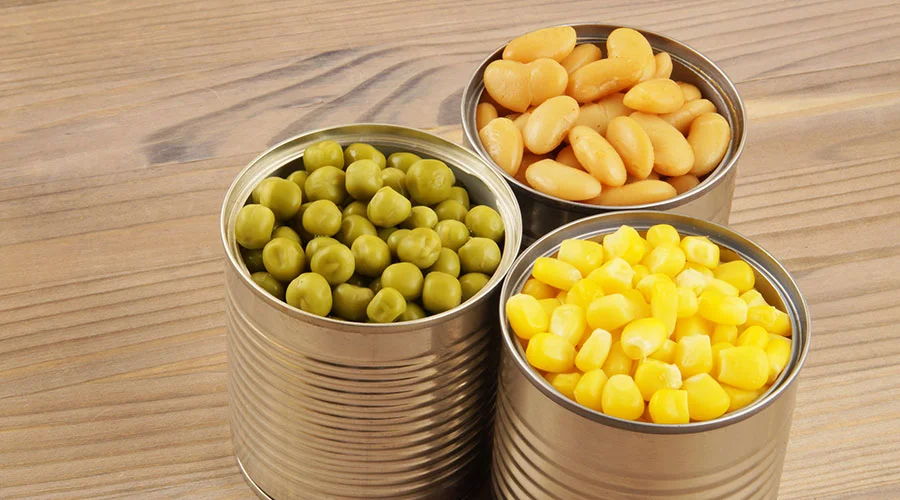
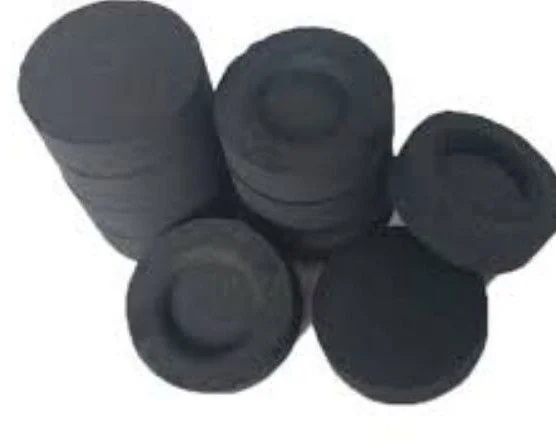
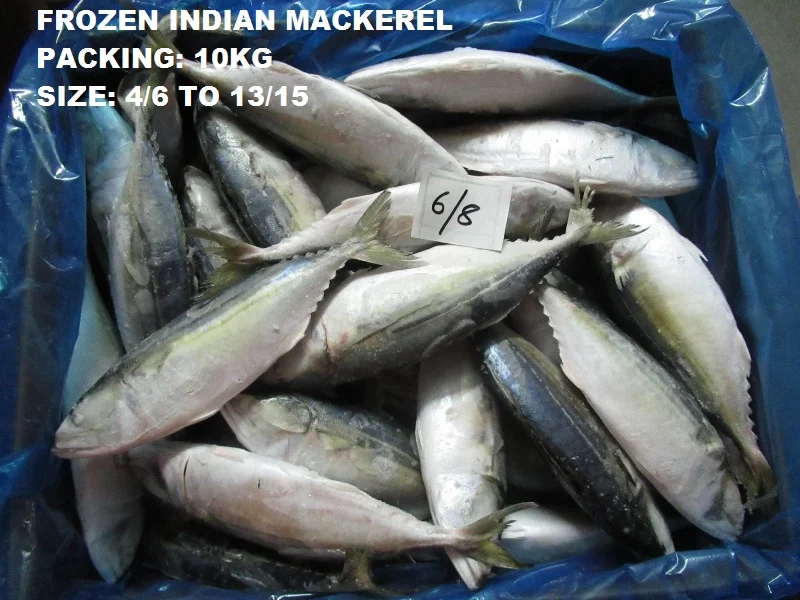
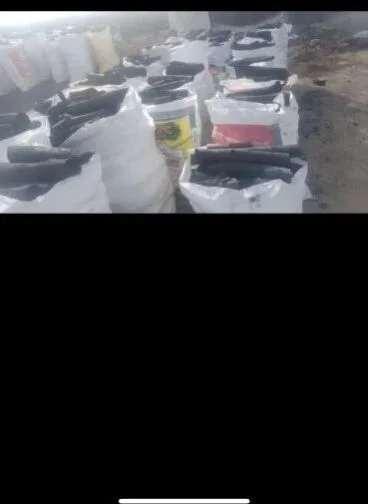
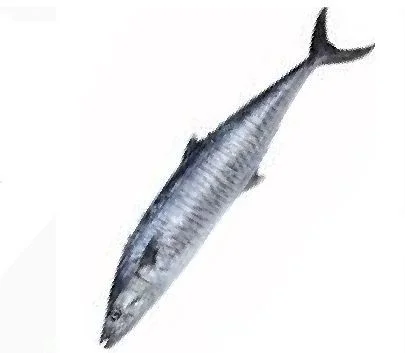
Indonesia hosts PT Indosunrise Group with six active product listings across canned fish, frozen mackerel, frozen squid and charcoal. The catalogue includes Canned Tuna (HS 1604.14) and Canned Tuna Chunks in Big Tins (HS 1604.14) that use fresh tuna fillets and a choice of soybean, vegetable, sunflower or olive oil, as well as Pacific Mackerel, Mackerel for Canning, Frozen Baby Squid and Mangrove Charcoal. The two canned tuna items share the same HS chapter for fish meat in oil, while the remaining four products are listed without HS codes in the supplied data. All products are sourced from Indonesian waters or local timber for the charcoal, reflecting the supplier’s focus on marine protein and renewable fuel sources.
The supplier’s product count of six is reflected in the catalogue, which groups items under the broader categories of Canned Fish, Frozen Mackerel Fish, Frozen Squid and Charcoal. No additional product lines or certifications are mentioned in the provided facts, and the description relies solely on the listed materials and HS code information.
Product Range and Specialties of PT Indosunrise Group
PT Indosunrise Group lists two canned tuna formats that are typical in the global market: whole‑piece canned tuna and chunk‑style cans. In the industry, whole‑piece cans often meet moisture limits of 70 % or less and oil content of 10 - 12 % by weight, while chunk cans are commonly sized at 150 g, 200 g or 425 g with a minimum of 60 % meat retention after cooking. Frozen Pacific Mackerel and Mackerel for Canning are usually flash‑frozen at - 30 °C to preserve texture; standard industry grades specify fillet length of 150 - 250 mm and ice‑glazing of 2 - 3 mm. Frozen Baby Squid is typically supplied in 10 kg vacuum‑packed bags, with mantle length of 6 - 10 cm and moisture content below 75 %. Mangrove Charcoal is normally produced as lump charcoal with a moisture content under 10 % and a bulk density of 0.5 - 0.6 t/m³, meeting BRI (Brazilian Retail Industry) grade standards.
Industry specifications such as HACCP compliance for fish processing, ISO 22000 for overall food safety and optional Halal certification for Muslim markets are common expectations for these product types. Buyers often request material safety data sheets for the carrier oils used in canned tuna and test reports for heavy metals in squid and charcoal.
Trade and Export Information - PT Indosunrise Group
Indonesia is a major exporter of canned tuna and other marine products, with the EU, United States and Southeast Asian markets accounting for the bulk of shipments. HS chapter 16 (1604.14) covers “Fish fillets, smoked, salted, or in brine; other” and is routinely inspected under the EU Rapid Alert System for Food and Safety (RASFF) and US FDA import requirements. Frozen fish products fall under HS 0306 and are subject to phytosanitary certificates and cold‑chain logistics, typically shipped in 20‑ft refrigerated containers (approximately 22 metric tons) or 40‑ft units for larger volumes. Charcoal exports from Indonesia are classified under HS 4401 and often require phytosanitary clearance for certain destination countries, with bulk shipments in 20‑ft dry containers (≈18 metric tons) or bagged loads for retail.
Buyers importing these goods usually request certificates of origin, HACCP or BRC audit reports, and where applicable Halal certificates for tuna. Packaging standards involve tin cans with BPA‑free linings for tuna, insulated cartons for frozen fish, and sealed polypropylene bags for charcoal. Incoterms such as CIF Shanghai or FOB Jakarta are common for these product groups.
Sourcing from PT Indosunrise Group - Buyer Guidance
When sourcing from PT Indosunrise Group, buyers should obtain a detailed product specification sheet that lists moisture, oil content, meat retention, and any added preservatives for the canned tuna lines. For frozen mackerel and squid, request flash‑freeze temperature logs, ice‑glazing thickness, and microbiological test results (e.g., total plate count, coliforms). Charcoal buyers should verify moisture percentage, bulk density, and the source of the mangrove wood, and request a BRI grade certificate.
Buyers are advised to ask for a recent HACCP audit report or ISO 22000 certification, and to confirm whether the canned tuna is produced under Halal supervision if required for the target market. Sample procurement is standard practice; a 10‑unit sample of each canned format and a 5 kg frozen fish sample allow verification of texture, flavor and compliance with size specifications before committing to a full order. Lead times reported for similar Indonesian exporters range from 30 to 45 days after sample approval.
Frequently Asked Questions About PT Indosunrise Group
What HS codes apply to the canned tuna products from PT Indosunrise Group?
Both Canned Tuna and Canned Tuna Chunks in Big Tins are classified under HS code 1604.14, which covers fish meat in oil or other liquids.
Are the frozen mackerel products subject to any specific quality standards?
Frozen mackerel for canning typically follows flash‑freezing at - 30 °C, with fillet lengths of 150 - 250 mm and ice‑glazing of 2 - 3 mm. Buyers usually request moisture content below 75 % and microbiological limits consistent with Codex Alimentarius.
What documentation should a buyer request for the frozen squid?
A buyer should request a phytosanitary certificate, a cold‑chain temperature log, and laboratory test results for heavy metals and microbial load, as these are standard for frozen cephalopod imports.
Does PT Indosunrise Group provide any certifications for its fish products?
The supplied facts do not list any certifications. Buyers should ask the supplier to provide HACCP, ISO 22000 or BRC audit reports, and Halal certificates if required for the destination market.
What are the typical packaging formats for the charcoal product?
Mangrove Charcoal is usually packed in bulk bags of 20 - 25 kg or in 0.5 t bulk bags, meeting BRI grade specifications for moisture (<10 %) and bulk density (0.5 - 0.6 t/m³).
What container sizes are used for shipping the frozen fish items?
Exporters from Indonesia commonly load frozen fish into 20‑ft refrigerated containers (≈22 metric tons) or 40‑ft units for larger volumes, maintaining a temperature of - 18 °C or lower throughout transit.
How can a buyer verify the origin of the tuna used in the canned products?
Buyers should request a certificate of origin and a recent catch‑report that identifies the species (e.g., Yellowfin or Skipjack) and fishing area, which are standard verification documents for tuna imports.
What are the usual minimum order quantities for the canned tuna lines?
While the facts do not specify MOQ, Indonesian canned tuna exporters typically set a minimum order of 10 metric tons per shipment, which can be confirmed directly with the supplier.




 , Indonesia