PT Aruna Indonesia — Verified Supplier
About PT Aruna Indonesia - Frozen Shrimps Supplier in Indonesia
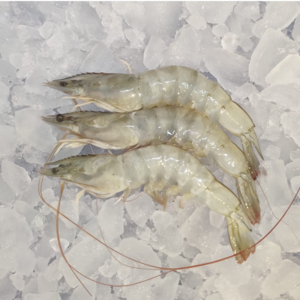
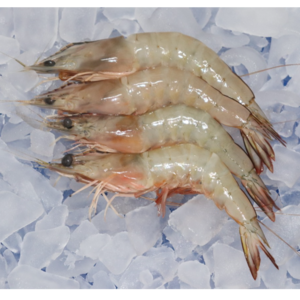
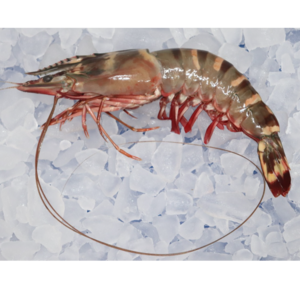
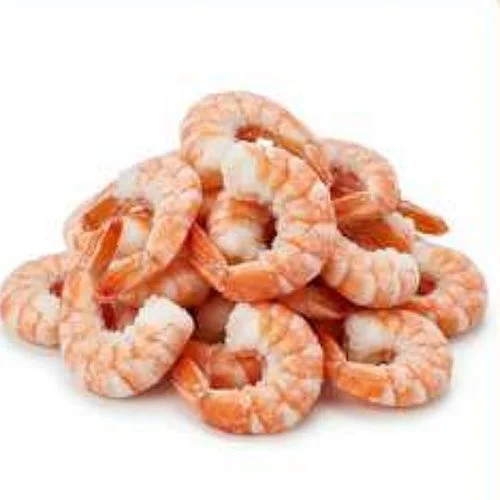
Indonesia is a major exporter of marine products, and PT Aruna Indonesia lists 18 active seafood items in its catalogue. The supplier’s portfolio covers both frozen and fresh categories, including frozen shrimps, frozen mackerel fish, frozen fish, fresh mackerel fish, fresh shrimps, and fresh crabs. Each product is identified by its common trade name, such as Vannamei shrimp in multiple size grades and King Fish Mackerel (Spanish Mackerel). The catalogue groups the items under the top categories of frozen shrimps, frozen mackerel fish, frozen fish, fresh mackerel fish, fresh shrimps and fresh crabs. The source country is Indonesia, which supplies these commodities to a range of international markets.
Product Range and Specialties of PT Aruna Indonesia
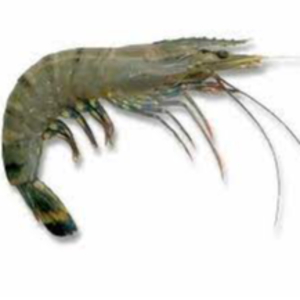
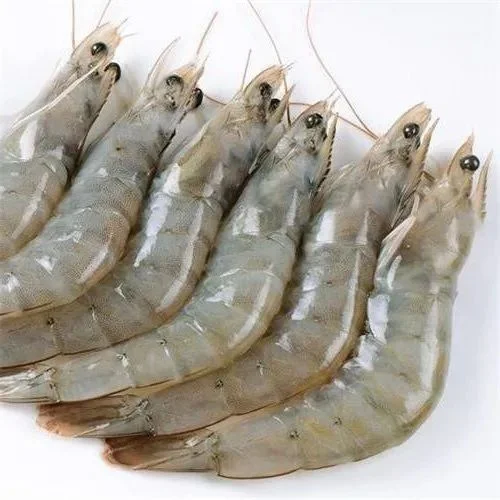
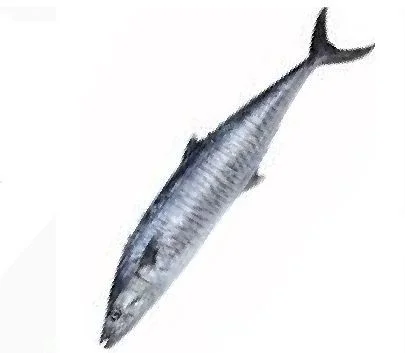
Specific entries include King Fish Mackerel, Parrot Fish, Tiger Sunu (Grouper), Sunu Papa, several size grades of Vannamei shrimp from 30 to 120 count per kilogram, live mud crab (green and black), White Snapper (padi‑padi) sized 500‑1 000 g, Emperor Fish (Lencam) and Sunu Gunting (Grouper). The shrimp sizes are presented as count per kilogram, a standard metric used by buyers to assess size and yield. Crabs are offered live, reflecting typical market demand for whole, unprocessed crustaceans. The fish varieties span both pelagic (mackerel) and reef‑associated species, which are commonly traded frozen or fresh depending on buyer specifications.
Within the frozen shrimp segment, Indonesian exporters usually provide Vannamei shrimp in count grades ranging from 30 to 120 per kilogram, frozen at - 18 °C or lower to preserve texture and moisture. Buyers often look for specifications such as total ash ≤ 1 %, moisture ≤ 70 %, and a minimum protein content of 16 % (wet basis). For frozen mackerel and other fish, common quality parameters include fillet yield of 55‑60 %, ice‑glazing thickness of 2‑3 mm, and a permissible total bacterial count below 5 × 10⁴ CFU/g. Fresh fish and crustaceans are typically delivered on ice with a core temperature not exceeding 4 °C, and live mud crabs are expected to arrive in breathable, insulated containers with water circulation to maintain viability.
Trade and Export Information - PT Aruna Indonesia
Indonesia ranks among the top global exporters of frozen seafood, with the European Union, United States, Japan and China accounting for the majority of shipments. HS Chapter 03 codes - such as 0304 for frozen fish and 0306 for crustaceans - are routinely applied to the products listed by PT Aruna Indonesia. Buyers typically require HACCP, BRC or ISO 22000 certifications, along with a health certificate issued by the Indonesian Ministry of Agriculture, to meet import regulations in these markets. Export logistics favor refrigerated containers (reefers) and insulated bulk boxes, with Incoterms like CIF or FOB commonly used for sea freight.
Sourcing from PT Aruna Indonesia - Buyer Guidance
Potential buyers should request a product specification sheet that details size grade, frozen temperature, moisture and ash content, as well as a recent laboratory analysis report for microbiological limits. Verifying the supplier’s HACCP or BRC compliance, and obtaining a copy of the export health certificate, helps confirm that the shipment will meet the destination country’s quarantine requirements. Samples of each shrimp size or fish fillet can be evaluated for texture, colour and odor before placing a full order, and a clear agreement on packaging (ice‑glazed, vacuum‑sealed) and container loading plan reduces the risk of temperature abuse during transit.
Frequently Asked Questions About PT Aruna Indonesia
What product sizes of Vannamei shrimp are offered?
PT Aruna Indonesia lists Vannamei shrimp in count grades of 30, 40, 50, 60, 70, 80, 90, 100, 110 and 120 per kilogram, which is the standard industry metric for shrimp sizing.
How are the frozen fish products packaged for export?
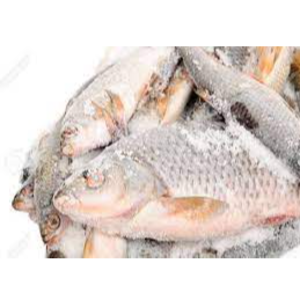
Frozen fish such as King Fish Mackerel and White Snapper are typically ice‑glazed and packed in insulated boxes or vacuum‑sealed bags, then loaded into refrigerated containers to maintain a temperature of - 18 °C or lower.
Which certifications should a buyer request from this supplier?
Buyers usually request HACCP, BRC or ISO 22000 certificates, along with an Indonesian Ministry of Agriculture health certificate and, where applicable, ASC or MSC sustainability certificates.
What are the typical HS codes for the listed items?
The products fall under HS Chapter 03, with frozen fish generally classified under 0304, fresh fish under 0302, frozen shrimp under 0304 90 and live mud crab under 0306 90.
What is the common minimum order quantity and lead time?
For most shrimp and fish items the minimum order is one 20‑ft refrigerated container (approximately 16 tonnes), and lead times range from 25 to 45 days after order confirmation, depending on product availability and season.
How are live mud crabs transported to preserve viability?
Live mud crabs are shipped in breathable, insulated containers with a layer of moist sawdust or seaweed, kept at 4‑6 °C, and the containers are loaded directly onto a refrigerated vessel to avoid temperature spikes.
Which markets commonly import these Indonesian seafood products?
Major importers include the European Union, United States, Japan, South Korea and China, where buyers in the foodservice, retail and processing sectors regularly source frozen shrimp, mackerel and live crabs from Indonesia.




 , Indonesia