Pom.rtm Consultancy — Verified Supplier
About Pom.rtm Consultancy - Organic Supplier in Papua New Guinea
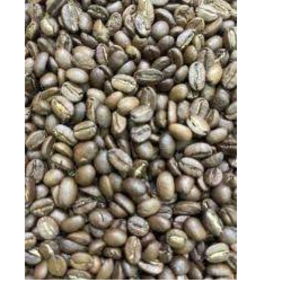
Papua New Guinea, National Capital District, lists six active products in its catalogue. The supplier’s inventory includes green coffee beans, cocoa beans, natural vanilla extract, coconut (copra) oil, natural balsa wood, and frozen taro. Each item is identified with its Harmonised System code: coffee under HS 0901.11, cocoa under HS 1801.00, vanilla extract under HS 2103.90, coconut oil under HS 1513.19, balsa wood under HS 4403.92, and frozen taro under HS 0714.90. The material descriptions specify Coffea arabica or Coffea canephora beans, Theobroma cacao beans, Vanilla planifolia extract, plant‑derived vegetable oil from copra, Ochroma pyramidale wood, and 100 % food‑grade Colocasia esculenta. The catalogue does not mention processed coffee forms such as powder, ground or instant, nor does it list tea or cacao nuts despite those being top‑category keywords.
The six products cover both agricultural commodities and a timber specialty. Coffee is presented as raw green beans, cocoa as whole beans, vanilla as a liquid extract, coconut oil as refined vegetable oil, balsa as natural timber, and taro as a frozen root vegetable. This mix reflects PNG’s capacity to supply primary tropical products that are commonly re‑processed in downstream markets. The HS code families correspond to Chapter 09 for coffee, Chapter 18 for cocoa, Chapter 21 for vanilla, Chapter 15 for coconut oil, Chapter 44 for timber, and Chapter 07 for frozen vegetables.
Product Range and Specialties of Pom.rtm Consultancy
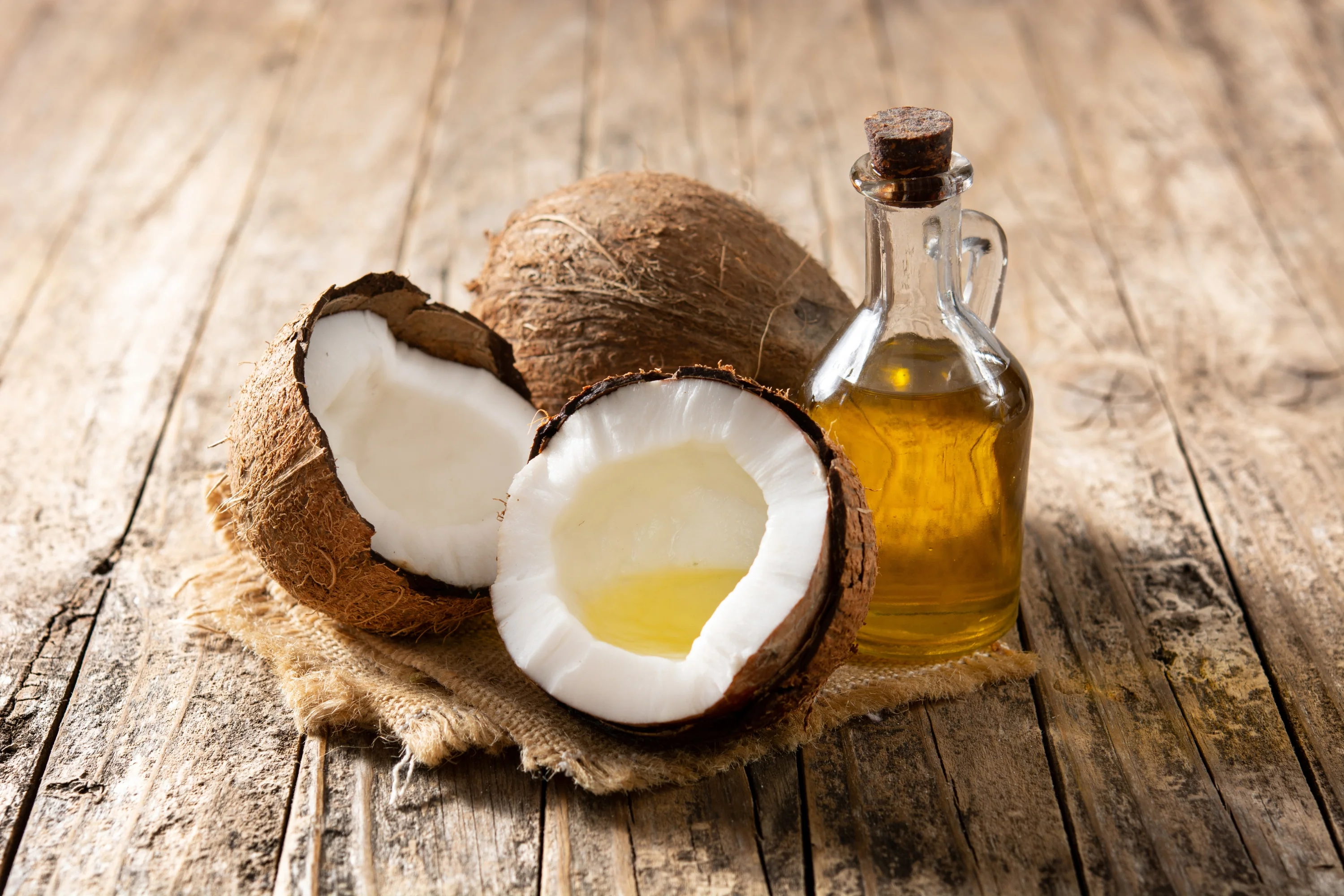
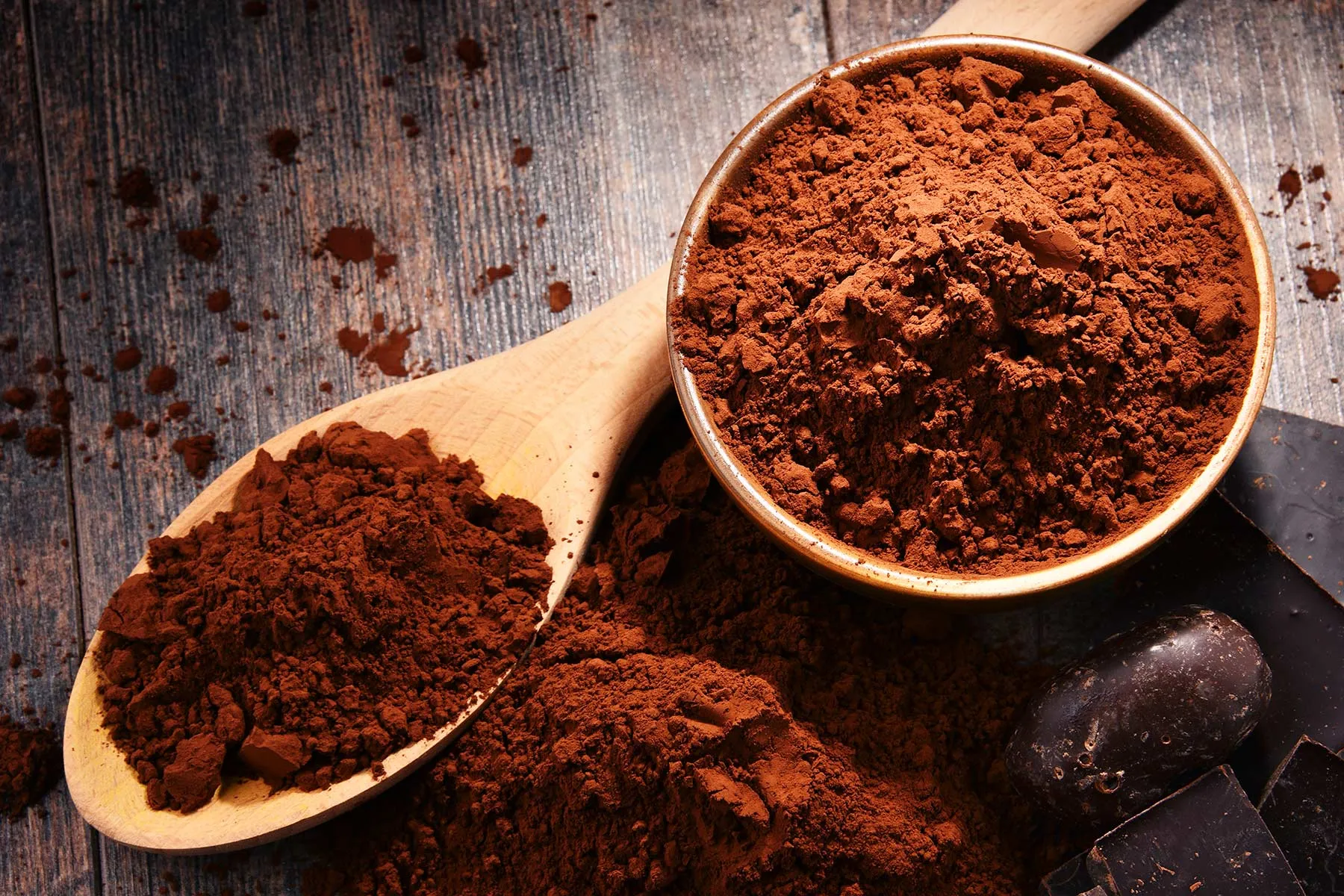
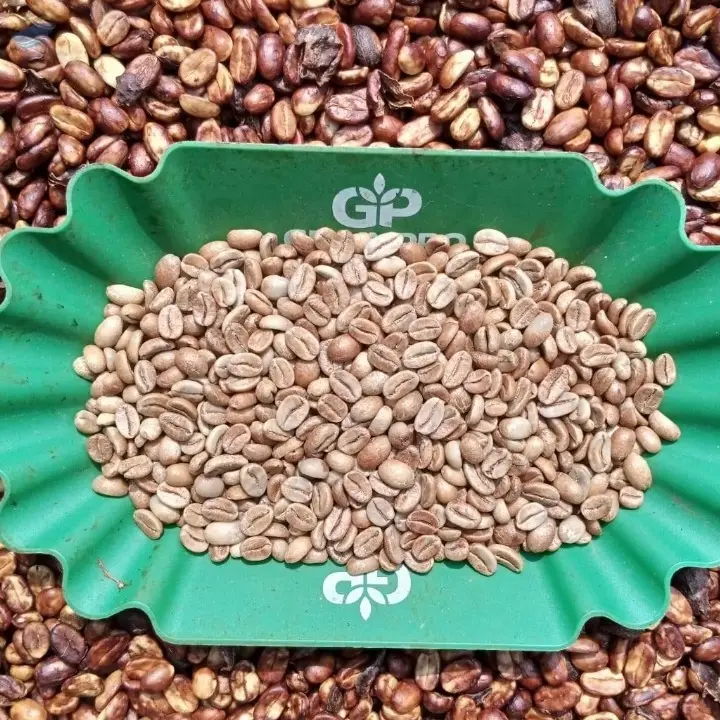
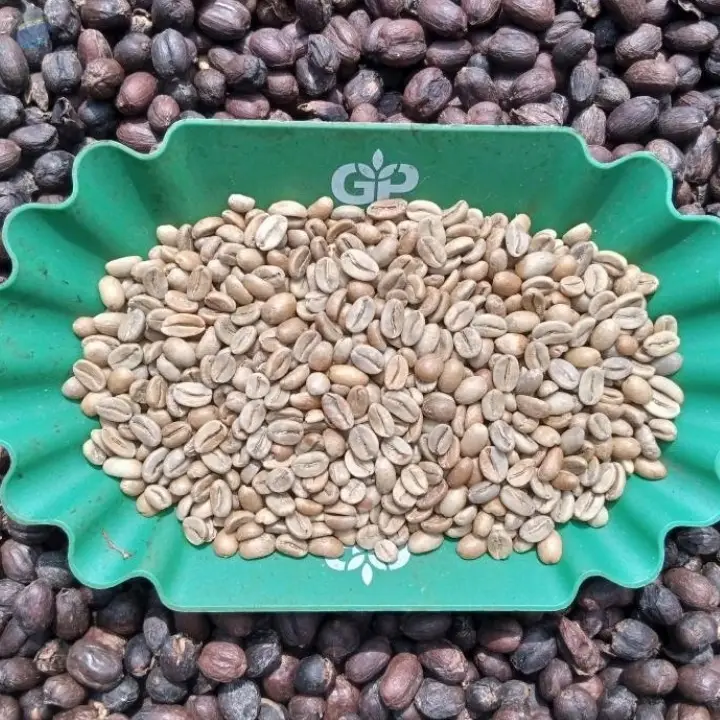
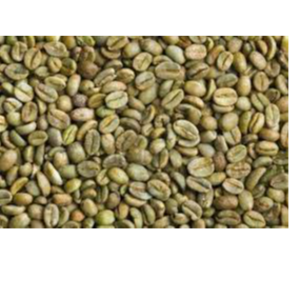
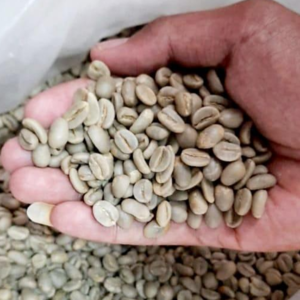
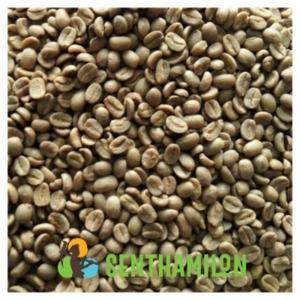
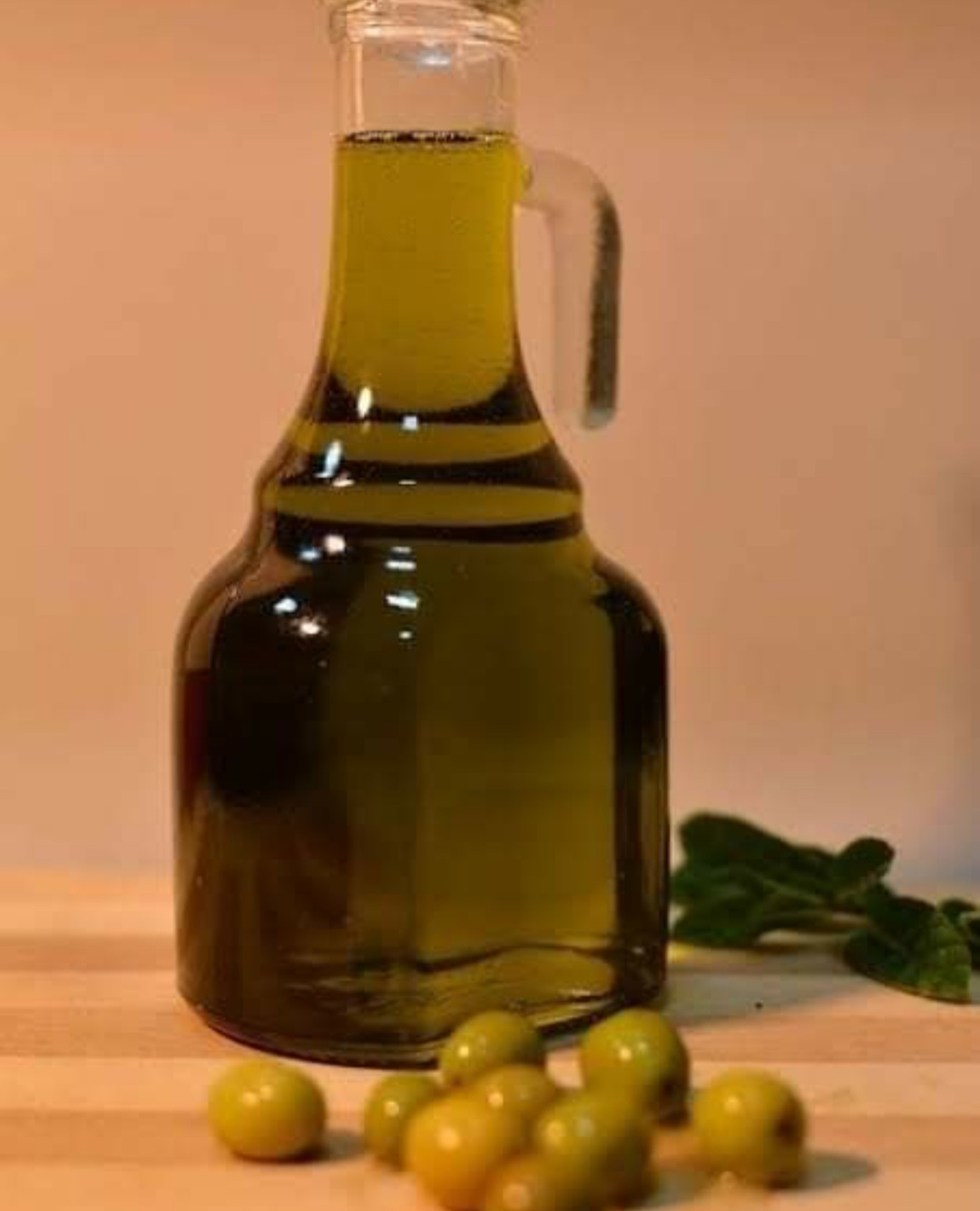
The catalogue’s coffee entry refers to green coffee beans of both Arabica and Robusta varieties, typically screened at 15 - 18 mm and containing 10 - 12 % moisture. In global trade, buyers often request cup‑grade specifications such as Specialty Grade (screen > 17 mm) or Commercial Grade (screen ≈ 15 mm). Cocoa beans are supplied as whole Theobroma cacao, where standard grades range from AA (largest beans, ≤ 7 % moisture) to lower grades with higher moisture and defects. Natural vanilla extract is usually measured by vanilla bean solids, with a common industry benchmark of 35 % vanilla content and compliance with food‑grade purity tests. Coconut oil under HS 1513.19 can be virgin (FFA < 0.1 %) or refined, and buyers frequently ask for peroxide value and iodine value results. Balsa wood, classified under HS 4403.92, is valued for its low density (0.12 - 0.16 g/cm³) and uniform grain, making it suitable for lightweight panels and model construction. Frozen taro is shipped at - 18 °C in bulk or 1 kg food‑grade bags, with typical specifications including moisture ≤ 85 % and absence of microbial spoilage.
Trade and Export Information - Pom.rtm Consultancy
Papua New Guinea exports tropical agricultural products primarily to the Asia‑Pacific region, the European Union, and North America. Coffee (HS 0901) from PNG is often destined for specialty roasters in the United States, Germany and Japan, where buyers look for organic or shade‑grown certifications. Cocoa beans (HS 1801) feed chocolate manufacturers in the EU and the US, and the supply chain usually requires phytosanitary certificates and ISO 22000 food safety compliance. Vanilla extract (HS 2103) is a high‑value commodity for the fragrance and gourmet food sectors in Europe, where buyers typically request a Certificate of Analysis confirming vanillin concentration. Coconut oil (HS 1513) is used in food, cosmetics and biodiesel; exporters normally provide a free‑fatty‑acid test and may need to meet EU vegetable oil standards. Balsa wood (HS 4403) is sourced for aircraft interior components and hobby models, with buyers in the US and China requiring moisture content reports and FSC‑type sustainability documentation. Frozen taro (HS 0714) is a niche product for Asian frozen‑food processors, shipped in refrigerated containers (20 ft or 40 ft) under CIF or FOB terms. PNG’s port facilities in Port Moresby handle containerised cargo, and exporters commonly use wooden pallets, jute bags for beans, and bulk drums for oil.
Sourcing from Pom.rtm Consultancy - Buyer Guidance
When sourcing green coffee beans from this supplier, request a sample analysis that includes screen size distribution, moisture content, and a cupping score if available. For cocoa beans, ask for a fermentation report, moisture test, and a mycotoxin screening result. Vanilla extract should be accompanied by a GC‑MS certificate showing vanilla bean solids percentage and absence of harmful solvents. Coconut oil buyers need a free‑fatty‑acid test, peroxide value, and a Certificate of Origin to satisfy import duties. Balsa wood purchasers should verify density, moisture content and a kiln‑drying report to ensure dimensional stability. Frozen taro orders should be supported by a cold‑chain temperature log, microbial test results, and a phytosanitary certificate. In all cases, confirm the HS code matches the product description, request the supplier’s organic status documentation if required, and clarify the preferred Incoterm (e.g., CIF Port Moresby) before finalising the contract.
Frequently Asked Questions About Pom.rtm Consultancy
What primary products does Pom.rtm Consultancy list in its catalogue?
The catalogue includes green coffee beans (HS 0901.11), cocoa beans (HS 1801.00), natural vanilla extract (HS 2103.90), coconut (copra) oil (HS 1513.19), natural balsa wood (HS 4403.92) and frozen taro (HS 0714.90). Each entry specifies the raw material source and the corresponding HS code.
How can I request a sample of the green coffee beans?
Contact the supplier to arrange a 5 kg sample shipped under FOB terms. Ask that the sample be accompanied by a laboratory report showing screen size, moisture level (10 - 12 %) and any cupping or defect grading.
Which certifications are typically required for the cocoa beans?
Importers usually ask for a phytosanitary certificate, an ISO 22000 or HACCP food‑safety audit report, and, if marketed as organic, an accredited organic certification such as USDA‑NOP or EU‑EUROPEAN ORGANIC.
What quality parameters should I verify for the vanilla extract?
Verify the vanilla bean solids content (commonly 35 % minimum), confirm the extract is food‑grade by checking a GC‑MS analysis, and ensure the product meets the FDA GRAS standard for natural flavorings.
Are there standard specifications for coconut oil shipments?
Typical specifications include free‑fatty‑acid content below 0.1 %, peroxide value under 2 meq O₂/kg, and an iodine value that matches the declared grade (virgin or refined). A Certificate of Analysis should be provided for each batch.
What packaging is used for balsa wood exports?
Balsa wood is usually packed in kiln‑dried bundles wrapped in breathable film, placed on wooden pallets, and secured with stretch film to protect the low‑density timber during sea freight.
What are the common Incoterms used for frozen taro from PNG?
Buyers typically use CIF (Cost, Insurance, Freight) to the destination port or FOB (Free on Board) from Port Moresby, with the cargo kept at - 18 °C in refrigerated containers.
What documentation should I request before placing an order?
Ask for a commercial invoice, packing list, Certificate of Origin, relevant phytosanitary certificates, any organic or sustainability certificates claimed, and a product‑specific Certificate of Analysis that matches the HS code and material description.




 , Papua New Guinea