Pertamina Lubricants — Supplier
About Pertamina Lubricants - Lubricants Supplier in Thailand
Pertamina Lubricants is based in Thailand and lists five distinct lubricant products in its current catalogue. The list includes an “All Variant Of Finish Lube” and four base‑oil grades identified as SN150, SN250, SN 500 and BS150. Each entry is presented without additional detail such as HS codes or certifications, reflecting the supplier’s focused product set. The catalogue format suggests the company targets buyers needing standard petroleum‑based lubricants for industrial or automotive applications. The active product count of five indicates a narrow but defined offering within the lubricant sector.
Product Range and Specialties of Pertamina Lubricants
The product set consists of a generic finish‑lubricant line and four base‑oil grades. SN (Solvent‑Neutral) base oils - SN150, SN250 and SN 500 - are typical petroleum distillates used as blending components; the numeric suffix generally denotes viscosity grade, with higher numbers indicating higher viscosity. BS150 is a benzene‑solvent‑based oil often employed where higher solvency is required. In the broader lubricant market, base oils are classified by API Group I‑III specifications and meet ASTM D975 standards for viscosity and flash point. Finish lubricants are usually formulated to meet equipment‑specific performance criteria such as load‑carrying capacity, wear protection and temperature stability.
Trade and Export Information - Pertamina Lubricants
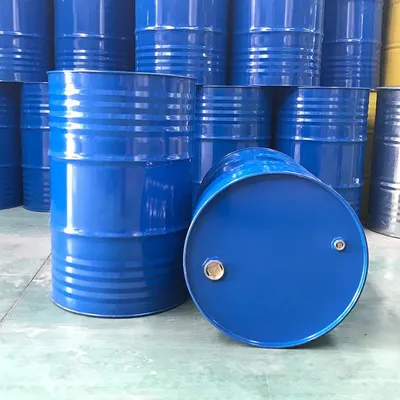
Thailand exports petroleum‑based lubricants to regions including Southeast Asia, the Middle East and Africa, where automotive, construction and machinery sectors are major importers. Base oils fall under HS Chapter 27 (petroleum oils and oils obtained from bituminous minerals), a classification that customs authorities worldwide recognize for tariff and inspection purposes. Buyers typically request compliance with ISO 9001 quality‑management systems and may require test reports aligned with ASTM or EN standards. Export logistics often involve 20‑ft or 40‑ft containers, with packaging in drums (200 L) or bulk tanker shipments, depending on order volume. The country’s port infrastructure supports CIF or FOB terms, and import regulations in destination markets commonly mandate safety data sheets and environmental compliance documentation.
Sourcing from Pertamina Lubricants - Buyer Guidance
When evaluating Pertamina Lubricants, buyers should request the specific viscosity (e.g., kinematic viscosity at 40 °C and 100 °C) and flash point values for each base‑oil grade. A certificate of analysis (CoA) referencing ASTM D975 or equivalent standards provides verification of the oil’s purity and sulfur content. For the finish‑lubricant line, inquire about the additive package, load‑capacity rating and any relevant OEM approvals. Request a material safety data sheet (MSDS) to confirm handling and storage requirements, and verify that the supplier can supply test samples before a full order. Confirm packaging details such as drum size, coating, and whether the product is shipped in bulk to ensure compatibility with the buyer’s receiving facilities.
Frequently Asked Questions About Pertamina Lubricants
What base‑oil grades does Pertamina Lubricants list?
The catalogue shows four base‑oil grades: SN150, SN250, SN 500 and BS150, each representing a different viscosity or solvency level.
Is a certificate of analysis available for the listed products?
Buyers should request a CoA that references ASTM D975 or the equivalent test method for each base‑oil grade to confirm viscosity, flash point and sulfur content.
What packaging options are typical for these lubricants?
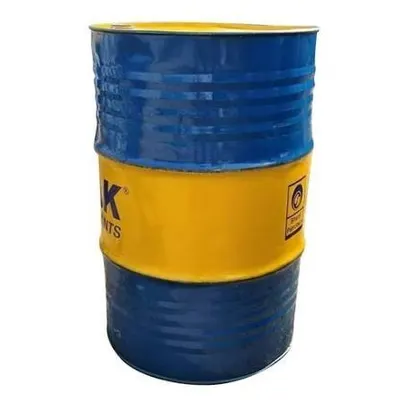
Base oils are commonly shipped in 200 L steel drums or bulk tanker containers; the finish‑lubricant line may use similar drum packaging, but the exact format should be confirmed with the supplier.
Which standards are relevant for the base oils?
Typical standards include API Group I‑III specifications, ISO VG viscosity grades and ASTM D975 for fuel‑oil and lubricant testing.
What documentation should be requested before purchase?
Request a material safety data sheet (MSDS), a certificate of analysis, and any applicable test reports that demonstrate compliance with ISO or ASTM specifications.
What are the common export terms for these products?
Export transactions often use FOB (Free on Board) or CIF (Cost, Insurance, Freight) terms, with shipping via container or bulk tanker depending on order size.




 , Thailand