Patel Jivram Madhavji — Verified Supplier
About Patel Jivram Madhavji - Spice Seeds Supplier in India
Patel Jivram Madhavji operates from India and currently lists six active products in its catalogue. The company focuses on seed commodities, covering cumin, fennel, coriander, fenugreek, mustard and sesame seeds. Each of the six items is presented under a distinct product name such as “Cumin Singapore” and “Sesame Natural Sortex”. The catalogue does not provide HS codes, but the items belong to the broader spice‑seed segment that is classified under HS chapter 09, typically HS 0909.90 for mixed spices and HS 0713 for oil seeds. The supplier’s trust tier is recorded as harbor, indicating a mid‑level verification status on trade platforms.
Product Range and Specialties of Patel Jivram Madhavji
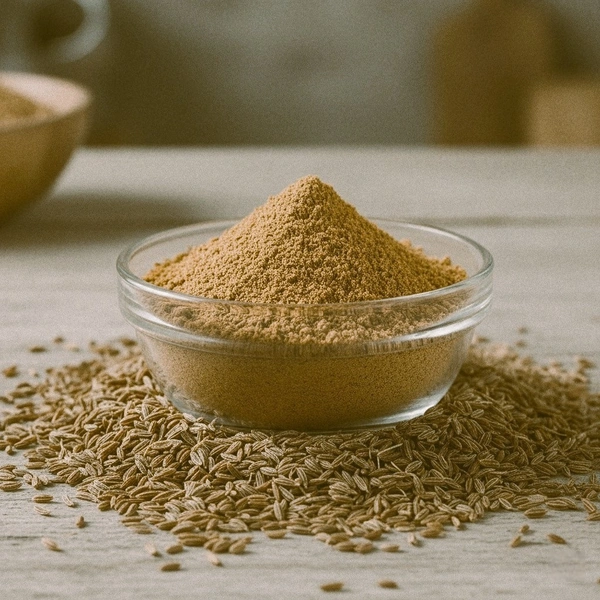
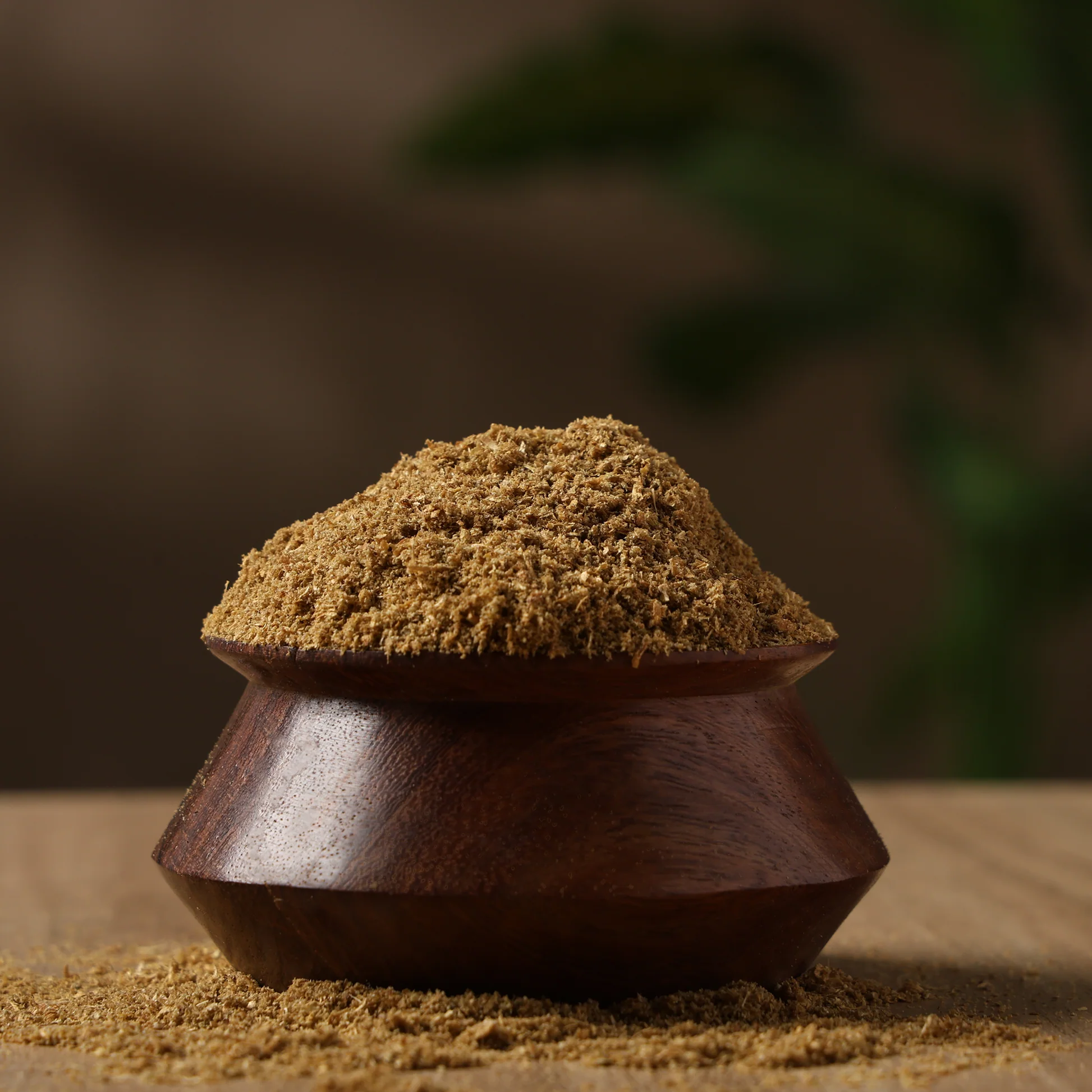
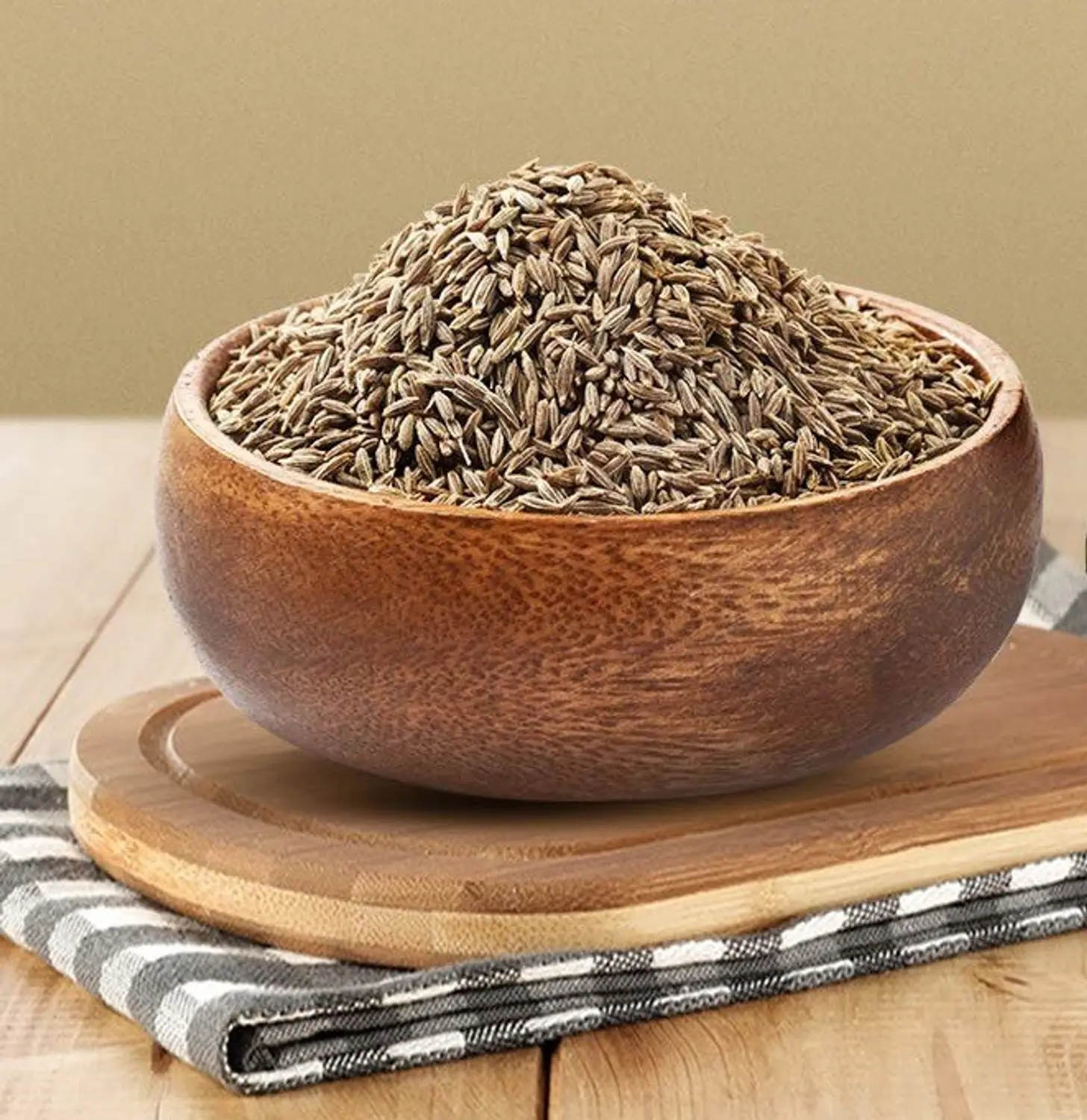
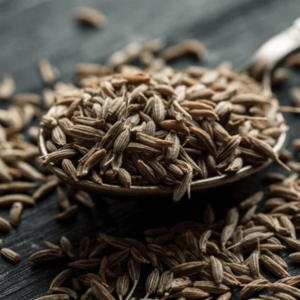
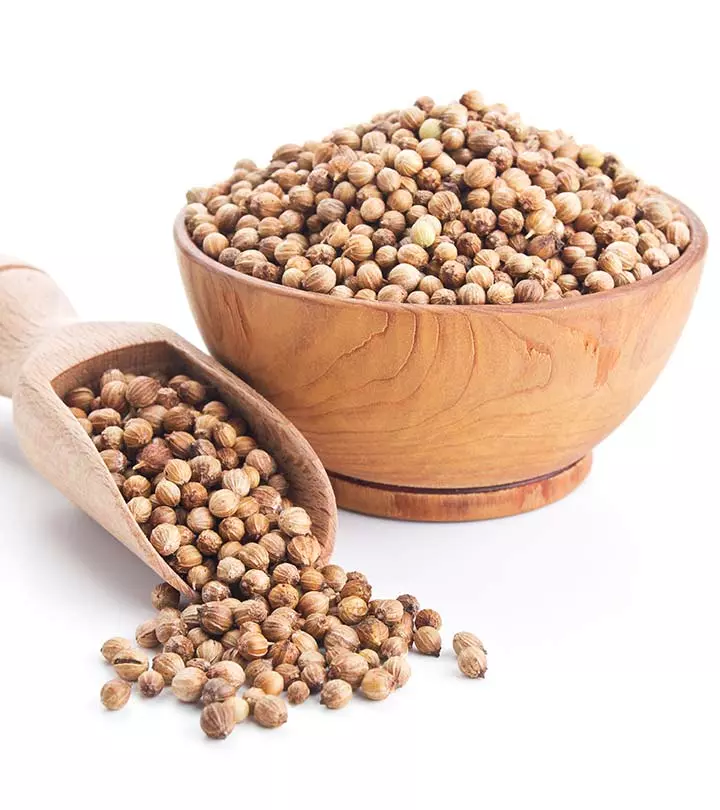
The catalogue offers six seed varieties: Cumin Singapore, Fennel Seed Singapore, Coriander Eagle, Fenugreek Sortex, Mustard Small and Sesame Natural Sortex. In the global spice‑seed market, cumin seeds are commonly graded by size (10‑14 mm) and moisture content below 12 %, fennel seeds are evaluated for oil content (typically 6‑7 %) and purity, coriander seeds for colour and absence of foreign matter, fenugreek for split versus whole forms, mustard seeds for kernel size (small, medium, large) and oil yield, and sesame seeds for hull‑free versus natural hull content. Buyers usually request specifications such as total ash < 5 %, pesticide residues within Codex limits, and microbial counts below 10⁴ CFU/g. The supplier’s product names suggest market‑oriented grades (e.g., “Small” mustard) that align with standard industry classifications.
Trade and Export Information - Patel Jivram Madhavji
India is a major exporter of spice and oil seeds, supplying the Middle East, European Union, United States and Southeast Asian markets. Export shipments of cumin, coriander, fennel and other seeds are typically packed in 25 kg jute bags or bulk 1 ton poly‑bags, loaded in 20 ft or 40 ft containers under CIF or FOB terms. Buyers commonly require certifications such as ISO 22000, HACCP, and where applicable organic or fair‑trade documents; these are not listed for this supplier and should be confirmed before contract. Indian seed exporters must comply with phytosanitary certification under the International Plant Protection Convention and may be subject to residue testing according to the EU Pesticide Residue Limits (MRLs). The HS code families involved are HS 0909 for spice seeds and HS 0713 for mustard and sesame, which determine duty rates and inspection procedures at destination ports.
Sourcing from Patel Jivram Madhavji - Buyer Guidance
When sourcing from Patel Jivram Madhavji, buyers should request a full product specification sheet that includes size distribution, moisture level, oil content, and any pesticide residue analysis performed by an accredited lab. A sample shipment of 5 kg per seed type is typical for quality verification before larger orders. Verify that the supplier can provide a phytosanitary certificate, a certificate of analysis (COA) and, if required by the destination market, an ISO 22000 or HACCP audit report. Confirm packaging details - 25 kg jute bags or bulk poly‑bags - and ensure that the container loading plan matches the buyer’s logistics preferences. Ask for lead‑time estimates; Indian seed exporters generally quote 25‑35 days from order confirmation to shipment, subject to seasonal harvest cycles.
Frequently Asked Questions About Patel Jivram Madhavji
What seed varieties does Patel Jivram Madhavji list in its catalogue?
The supplier lists six varieties: Cumin Singapore, Fennel Seed Singapore, Coriander Eagle, Fenugreek Sortex, Mustard Small and Sesame Natural Sortex.
Are HS codes provided for the listed seed products?
No HS codes are supplied in the catalogue; however, these seeds fall under the common HS chapters 09 (spice seeds) and 07 (oil seeds) used for customs classification.
What quality parameters are typical for cumin and coriander seeds?
Buyers usually check size (10‑14 mm for cumin), moisture below 12 %, total ash under 5 %, and pesticide residues within Codex limits.
Which certifications should a buyer request from this Indian seed supplier?
Typical certifications include ISO 22000, HACCP, a phytosanitary certificate, and any organic or fair‑trade certificates required by the buyer’s market.
What are the common packaging formats for these seeds?
Seeds are commonly packed in 25 kg jute bags or bulk 1 ton poly‑bags, suitable for loading into 20 ft or 40 ft containers.
What is a typical lead time for seed shipments from India?
Lead times generally range from 25 to 35 days after order confirmation, depending on harvest timing and container availability.
How can a buyer obtain a sample before placing a full order?
Buyers can request a 5 kg sample of each seed type; the supplier usually ships samples under express courier with a COA attached.
What are the usual destination markets for Indian spice and oil seeds?
Key import regions include the European Union, the United States, the Middle East and Southeast Asia, where the seeds are used in food processing and oil extraction.




 , India