Overseas For Trading — Verified Supplier
About Overseas For Trading - Herbs Supplier in Egypt
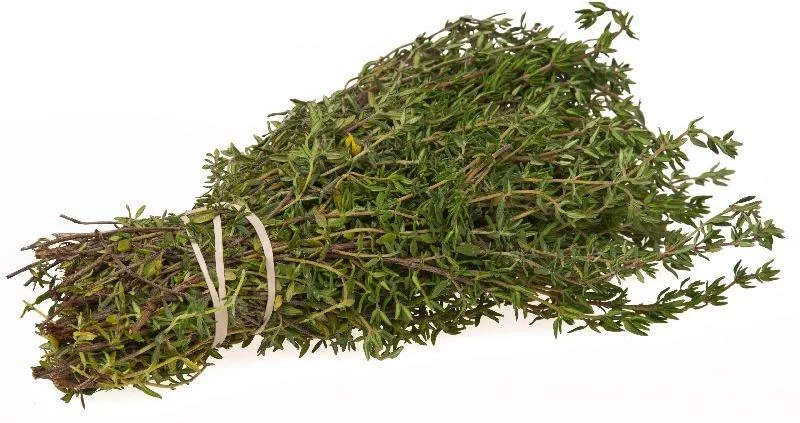
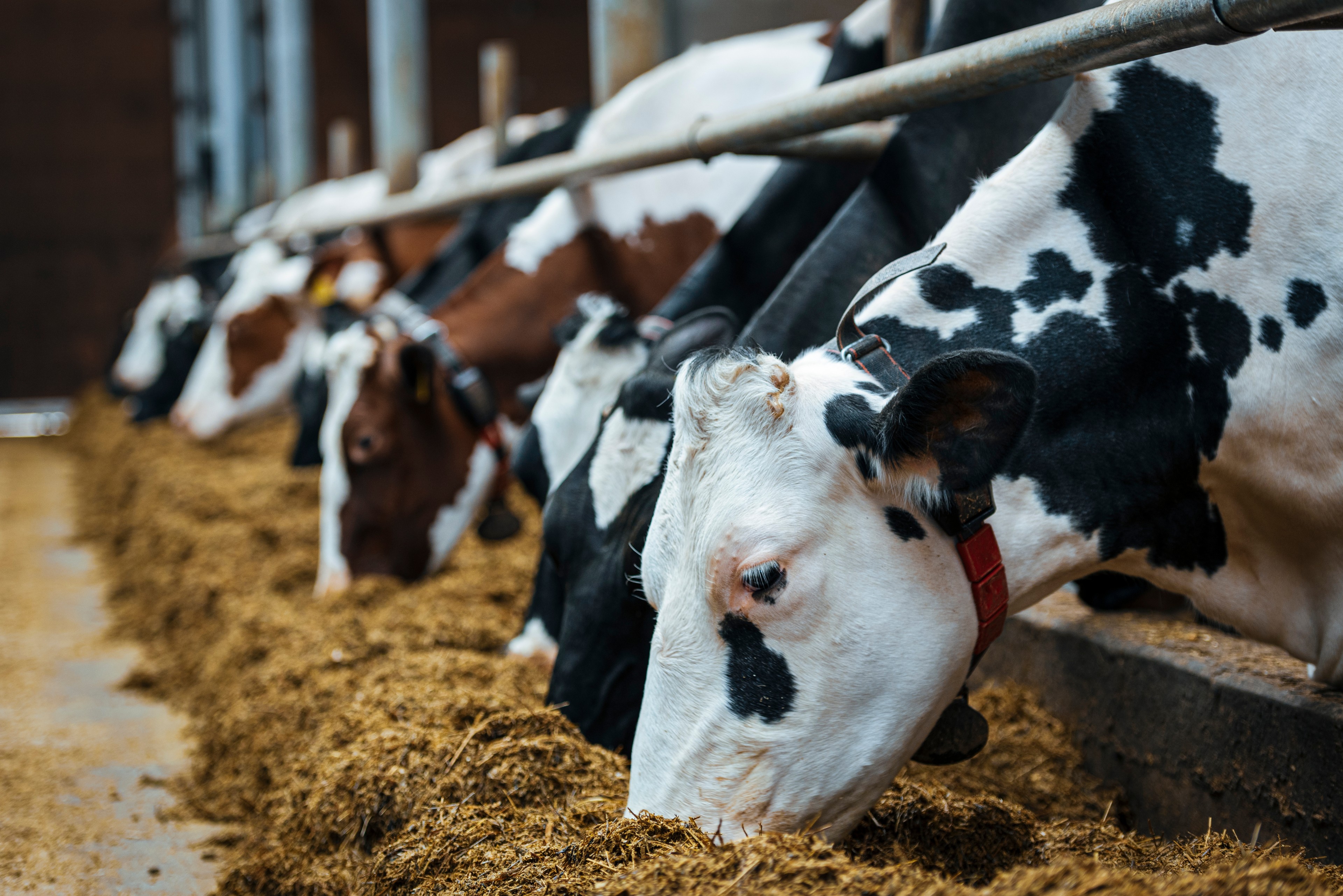
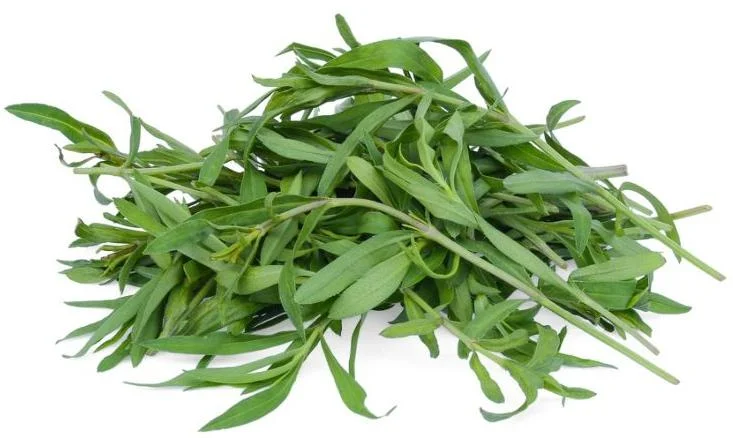
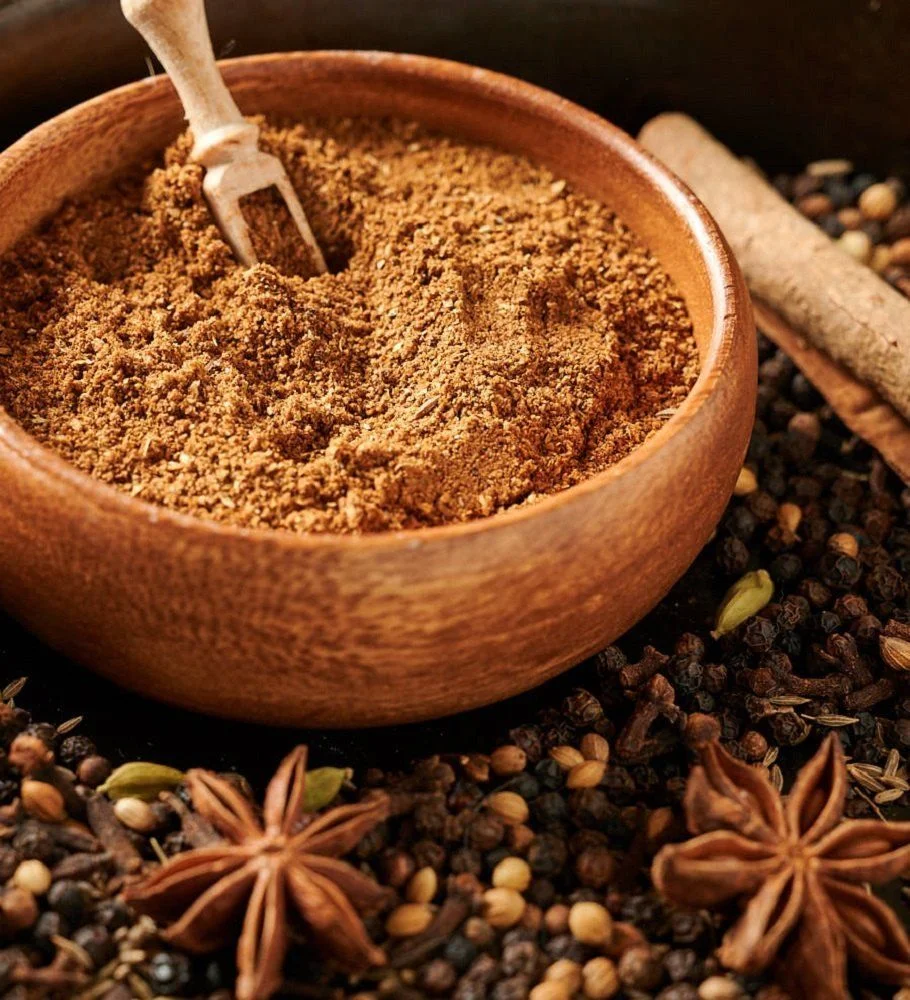
Egyptian supplier Overseas For Trading lists nine active products across herbs, spices, fresh flowers and animal feed. The catalogue includes cumin seeds, anise, red chillies, chamomile flower, hibiscus flower, lemongrass, marjoram, basil and alfalfa hay, reflecting the top categories reported for the company. Each item is positioned within the broader herb and spice segment that Egyptian exporters commonly target for food processing, culinary and feed applications.
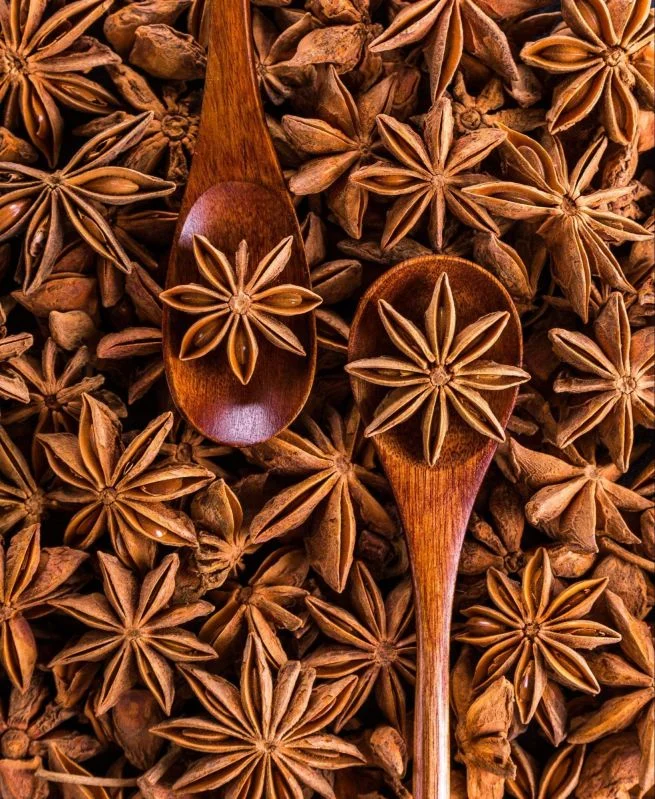
The active product count of nine is organized under the categories Herbs, Cumin Seeds, Star Anise, Red Chilli, Fresh Flowers, Hibiscus, Lemongrass, and Animal & Cattle Feed. While the supplier does not disclose certifications, the listed items are typical of Egyptian agricultural exports that meet international quality expectations for moisture, purity and contaminant limits.
Product Range and Specialties of Overseas For Trading
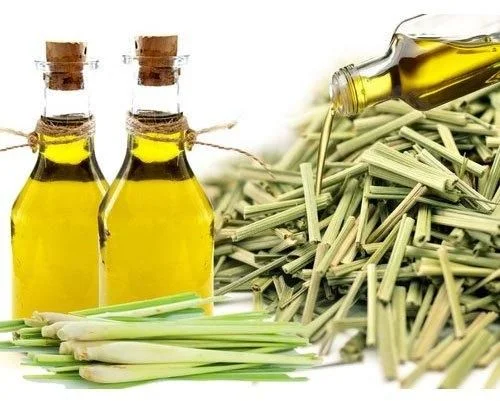
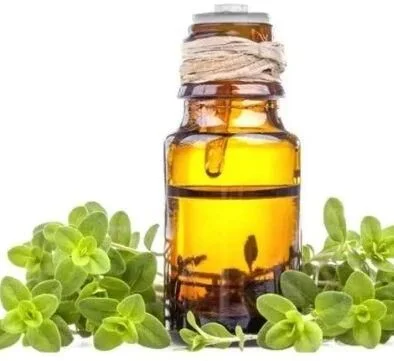
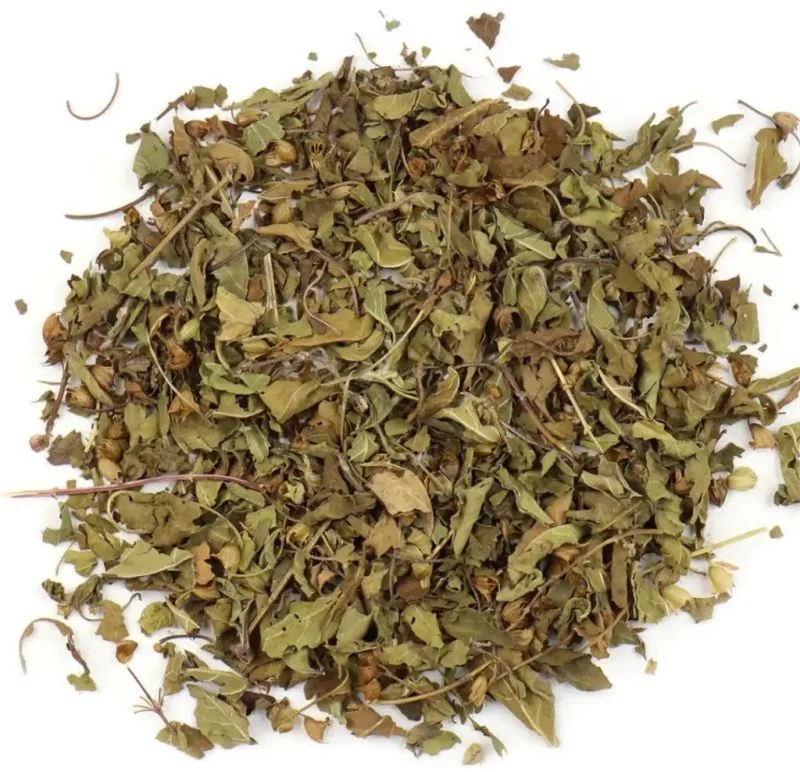
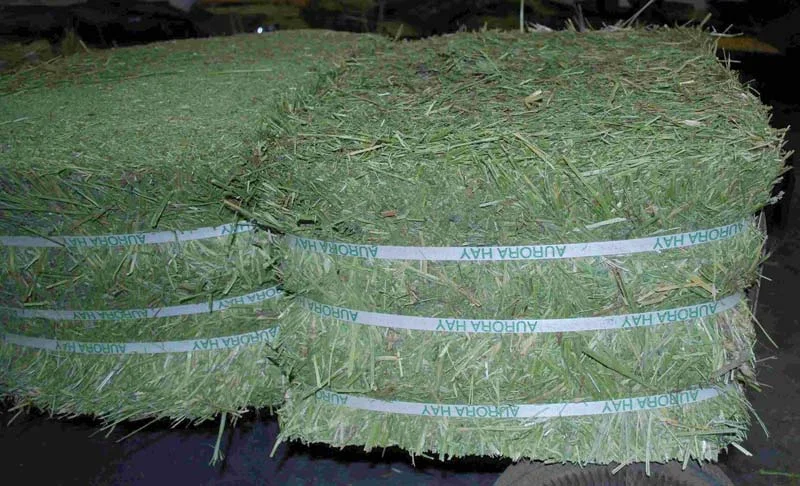
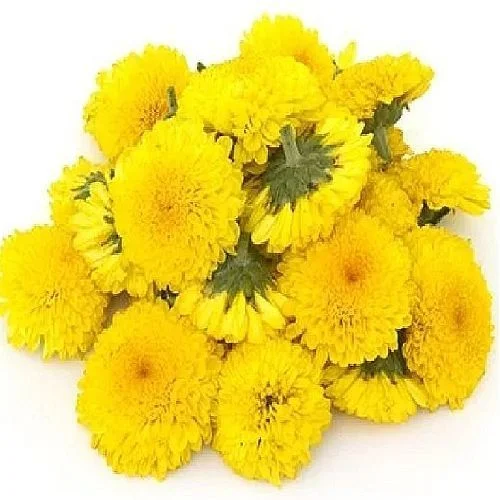
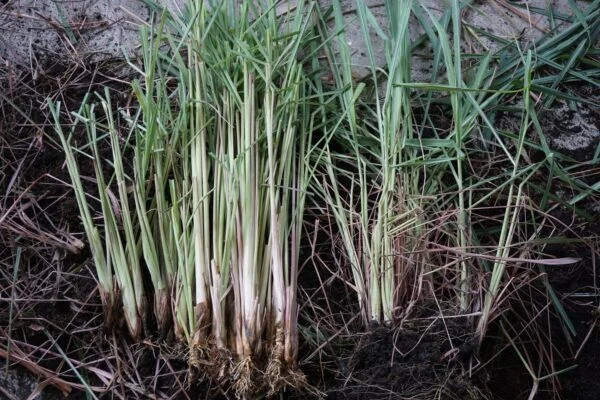
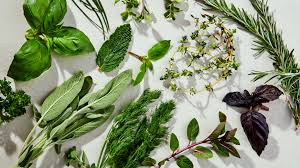
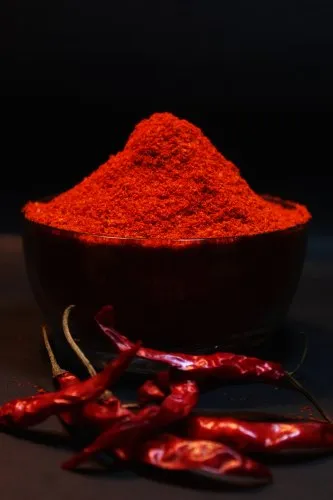
The catalogue focuses on dried spices (cumin seeds, anise, red chillies), aromatic herbs (lemongrass, marjoram, basil), dried flower material (chamomile, hibiscus) and a bulk animal feed (alfalfa hay). In the spice market, buyers usually specify grades such as “Grade A” for whole seeds, moisture ≤ 12 %, ash ≤ 5 % and aflatoxin < 10 µg/kg. Herbal flowers are often graded by colour intensity, petal integrity and microbial load (total plate count ≤ 10⁴ CFU/g). Alfalfa hay is typically evaluated by crude protein ≥ 18 % and low dust content for feed safety.
Industry standards for these categories include ISO 22000 for food safety management, HACCP plans for spices, and EU Regulation 2002/63 for feed hygiene. Buyers frequently request certificates of analysis (CoA) that list moisture, oil content, microbial limits and any pesticide residues.
Trade and Export Information - Overseas For Trading
Egypt exports a significant share of its spice and herb production to the European Union, the Gulf Cooperation Council, and Asian markets such as India and China. Shipping is commonly performed in 20‑ft or 40‑ft containers with products packed in food‑grade polypropylene bags (typically 25 kg for spices and 500 kg for alfalfa hay) or cardboard cartons for flower material. Standard Incoterms used are FOB Alexandria or CIF destination port, depending on buyer preference. Typical regulatory requirements include phytosanitary certificates, import permits for animal feed, and compliance with the EU pesticide residue limits (maximum residue limits - MRLs).
Exporters of Egyptian herbs and spices generally need to demonstrate compliance with ISO 9001 quality systems and may be audited under the GlobalGAP framework for agricultural produce. Buyers often request third‑party lab reports covering heavy metals, mycotoxins and pesticide residues before contract finalisation.
Sourcing from Overseas For Trading - Buyer Guidance
When sourcing from Overseas For Trading, request a recent Certificate of Analysis for each spice or herb batch, confirming moisture, ash, oil content and microbial limits. For alfalfa hay, ask for a feed analysis report showing crude protein, fibre, ash and any detected contaminants. Verify that the supplier can provide a phytosanitary certificate and, if required by the destination country, a Halal or organic certification, even though such certificates are not listed in the supplied facts.
Samples are typically supplied in 500 g sealed polyethylene bags for spices and 1 kg sealed bags for dried flowers; alfalfa hay samples are often provided in 5 kg bulk bags. Confirm the packaging material meets food‑grade standards and that the supplier can accommodate container loading plans (e.g., 800 kg of cumin seeds per 20‑ft container). Ensure that any requested certifications (ISO 22000, HACCP, GlobalGAP) are current and that the supplier can issue a full commercial invoice and packing list matching the HS‑code descriptions used for customs clearance.
Frequently Asked Questions About Overseas For Trading
What spice products does Overseas For Trading offer?
The supplier lists cumin seeds, anise and red chillies as dried spice products, each typically sold in 25 kg food‑grade bags and classified under the standard HS chapters for spices.
Are the herbal flowers sold fresh or dried?
Chamomile and hibiscus are offered as dried flower material, packed in sealed cartons of 1 kg each, which is the common format for international buyers.
What documentation should I request before ordering alfalfa hay?
Ask for a feed analysis report, a phytosanitary certificate, and a certificate of origin. These documents verify protein content, safety from pests and compliance with import regulations.
Which certifications are normally required for Egyptian spices?
Buyers usually require ISO 22000 or HACCP compliance, a recent Certificate of Analysis, and, where applicable, an organic or Halal certificate issued by an accredited body.
What are the typical minimum order quantities (MOQ) for the listed herbs?
Spice items such as cumin seeds and red chillies often have an MOQ of one 20‑ft container (≈ 800 kg), while dried flowers may be ordered in multiples of 500 kg.
What is the usual lead time for exporting these products from Egypt?
Lead times range from 15 to 30 days after order confirmation, depending on product availability, packaging preparation and the issuance of phytosanitary certificates.
How are the products packaged for sea freight?
Spices and herbs are packed in polypropylene bags (25 kg) placed inside wooden pallets; dried flowers use cardboard cartons; alfalfa hay is loaded in bulk bags (500 kg) and secured on pallets for container loading.




 , Egypt