Organifly Living Products — Supplier
About Organifly Living Products - Curtains Supplier in India
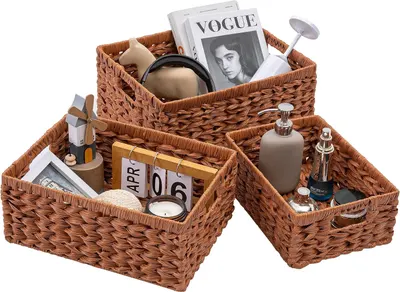
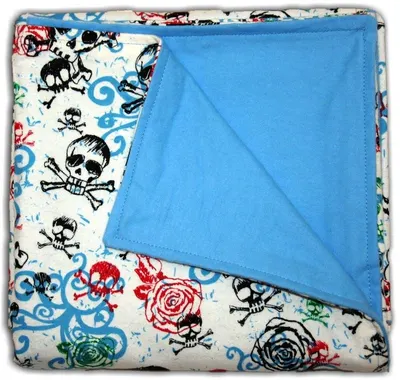
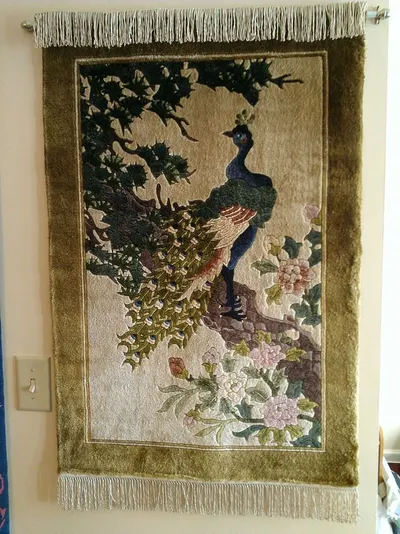
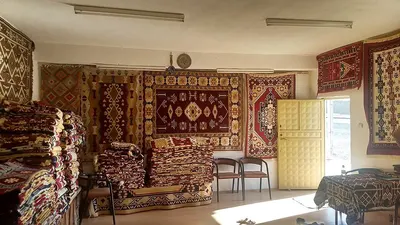
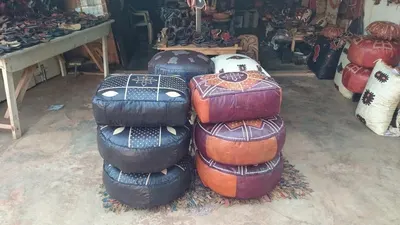
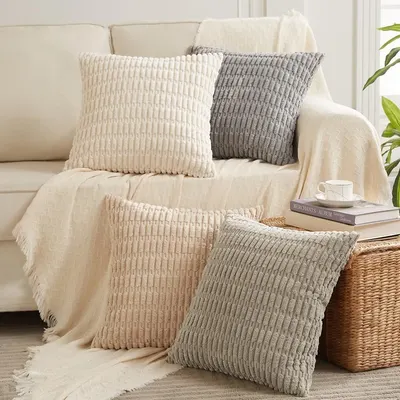
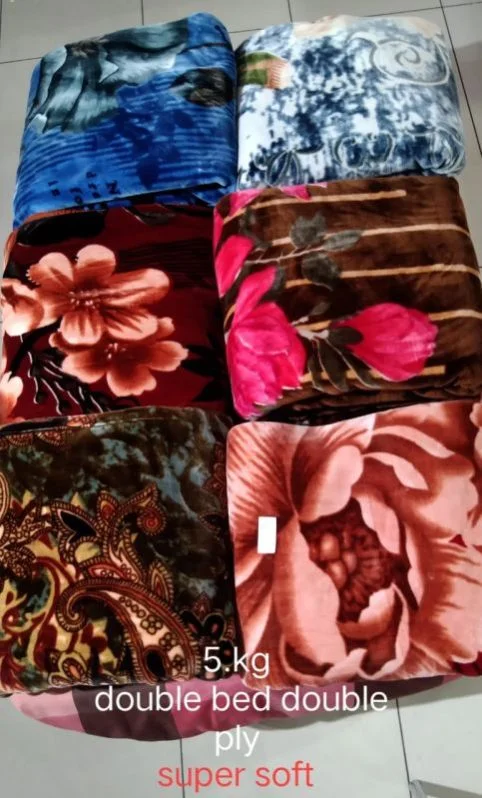
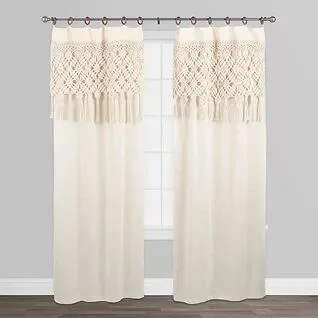
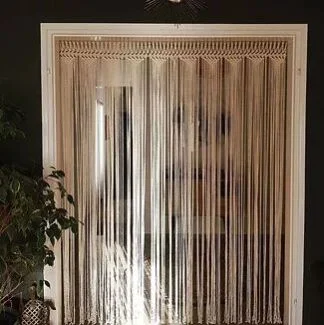
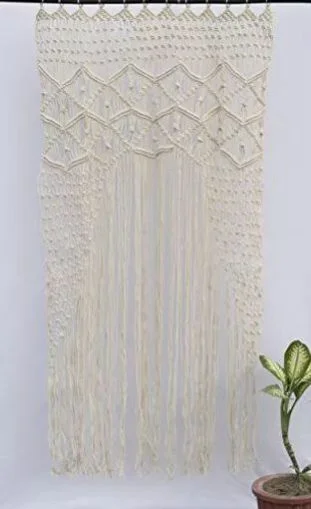
India hosts Organifly Living Products, a supplier that lists ten active home‑decor items across its catalogue. The company’s top categories include Curtains, Cushions & Pillows, Bath Mats, Household Baskets, Blankets, Wall Finishes, Rugs and Furniture, reflecting a focus on textile and woven household accessories. Each entry in the catalogue corresponds to a specific product type, such as Decorative Pillows made from a cotton‑polyester blend and Throws & Blankets constructed from acrylic/fleece or polyester blends. The supplier also lists Room Curtains, Shower Curtains, Bathmats, Baskets, Wall Hangings, Area Rugs, Carpets and Poufs, providing a broad selection for interior décor buyers.
The catalogue assigns HS code 9404.90 to the Decorative Pillows, placing them in the chapter for furniture and other manufactured articles. Throws & Blankets carry HS code 6301.40, the code for blankets and traveling blankets of other textile materials. The remaining items are listed without explicit HS codes, but they fall under standard HS chapters such as 6302 for curtains, 6303 for bath linen, 6305 for other floor coverings, and 6304 for blankets. This structure enables buyers to locate the appropriate customs classifications when importing these Indian‑origin goods.
Product Range and Specialties of Organifly Living Products
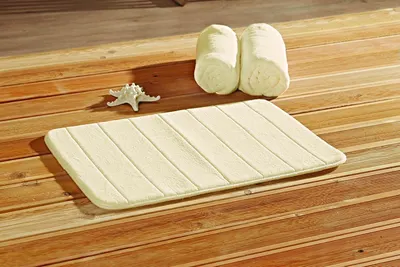
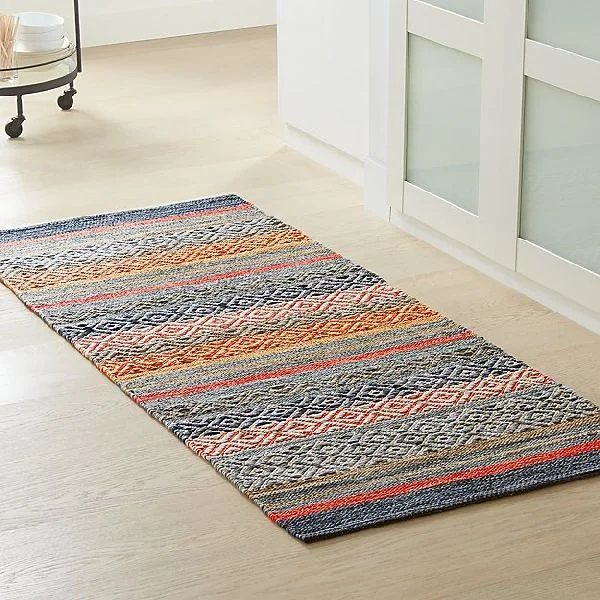
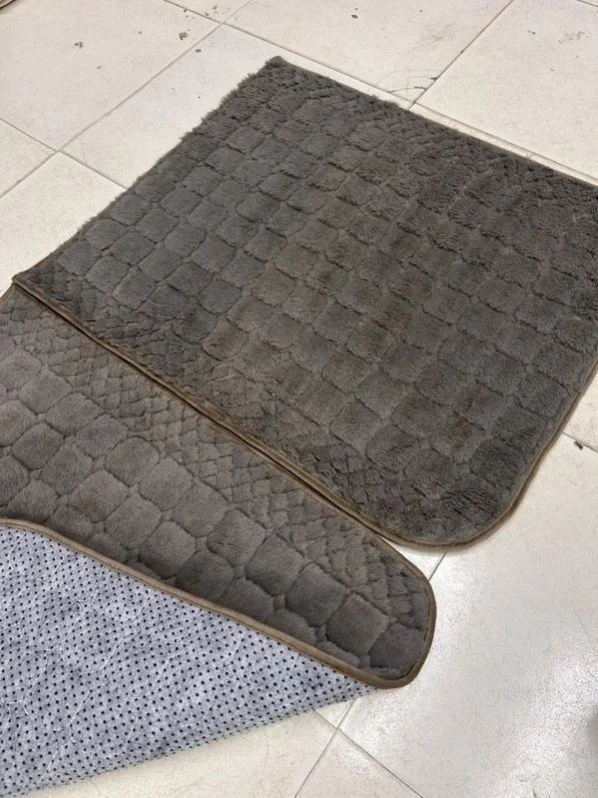
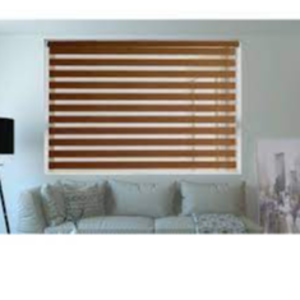
Organifly Living Products lists textile and woven items that are typical of the home‑decor segment. The Decorative Pillows combine cotton and polyester, a blend that balances softness with durability and is common in medium‑weight pillow fills. Throws & Blankets are offered in acrylic/fleece or polyester blends, materials that provide thermal insulation and are usually graded by GSM (grams per square metre) ranging from 250 g/m² to 350 g/m² for standard household blankets. Curtains and Shower Curtains are generally manufactured from polyester or polyester‑cotton blends, often finished with water‑repellent coatings; industry standards frequently cite a weight of 120‑150 gsm and a tear strength of 10‑15 N. Bathmats typically use microfiber or cotton loops with anti‑slip backing, and are measured by loop height (4‑6 mm) and absorbency (200‑300 g water per kg). Baskets and poufs are commonly woven from natural fibers such as jute or synthetic rattan, with load‑bearing capacities reported in kilograms. Area Rugs and Wall Hangings follow typical textile floor‑covering specifications, with pile height of 5‑10 mm and backing weight of 150‑200 gsm.
Trade and Export Information - Organifly Living Products
India is a major exporter of home‑textile products, and buyers in the United States, European Union, and the Middle East regularly import items such as curtains, bath accessories and decorative textiles from the region. HS chapter 63 (textiles) and chapter 94 (furniture) cover the majority of Organifly’s catalogue, requiring importers to provide certificates of origin, product safety data sheets and, where applicable, Oeko‑Tex Standard 100 or ISO 9001 compliance. Fire‑safety testing (e.g., NFPA 701) is often requested for curtains and wall hangings, while anti‑slip test reports are typical for bath mats. Standard Incoterms used for Indian textile exports include FOB Mumbai and CIF Dubai, with container loading in 20‑ft or 40‑ft units depending on volume. Export documentation usually includes a commercial invoice, packing list, bill of lading and, for textile items, a phytosanitary certificate if natural fibers are involved.
Sourcing from Organifly Living Products - Buyer Guidance
When sourcing from Organifly Living Products, buyers should request material composition certificates for each textile item, confirming the exact cotton, polyester or acrylic ratios. Samples should be evaluated for GSM, colorfastness (ISO 105‑B02) and, for curtains, fire‑retardancy compliance (NFPA 701). Verify that the supplier can provide Oeko‑Tex or ISO 9001 certificates if required by the importing market, and check that HS codes 9404.90 and 6301.40 match the invoiced descriptions. Confirm packaging details such as poly‑bag dimensions, carton weight limits and whether the goods are shipped on pallets, which affects freight planning. Finally, ensure that lead times, minimum order quantities and payment terms are documented before finalising purchase orders.
Frequently Asked Questions About Organifly Living Products
What textile categories does Organifly Living Products list in its catalogue?
The catalogue includes Decorative Pillows (cotton‑polyester blend, HS 9404.90), Room and Shower Curtains, Bathmats, Baskets, Throws & Blankets (acrylic/fleece or polyester blend, HS 6301.40), Wall Hangings, Area Rugs, Carpets and Poufs.
Which HS codes are assigned to the supplier’s products?
HS 9404.90 is used for Decorative Pillows and HS 6301.40 for Throws & Blankets. Other items fall under standard textile chapters such as 6302 for curtains, 6303 for bath linen and 6305 for floor coverings, although the supplier’s listing does not specify those codes.
What material specifications should a buyer verify for the curtains?
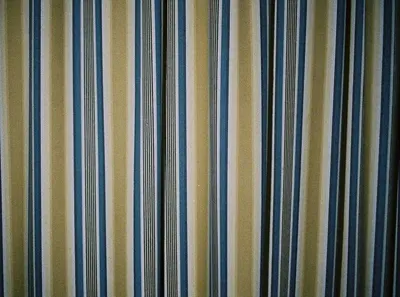
Buyers should confirm whether the curtains are polyester or polyester‑cotton blends, check the fabric weight (typically 120‑150 gsm), and request fire‑safety test results (NFPA 701) and colorfastness reports.
Are there standard certifications commonly required for these home‑textile products?
Importers often require Oeko‑Tex Standard 100 for textile safety, ISO 9001 for quality management, and fire‑safety certifications such as NFPA 701 for curtains and wall hangings. These should be requested from the supplier.
What is the typical packaging method for the blankets and throws?
Blankets and throws are usually packed in sealed poly‑bags, placed inside double‑wall cartons sized to fit standard 20‑ft or 40‑ft containers. Carton dimensions are often 120 cm × 80 cm × 60 cm with a gross weight not exceeding 1,200 kg per container.
What documentation is needed for customs clearance of the decorative pillows?
Customs clearance generally requires a commercial invoice, packing list, bill of lading, certificate of origin and the HS code 9404.90 on the invoice. If the buyer requires, a product safety data sheet and Oeko‑Tex certificate should also be provided.
How can a buyer request a sample and what lead time is typical?
Buyers can request a sample by specifying the product name, material composition and desired dimensions. Sample lead times from India are usually 2‑3 weeks for textile items, depending on production scheduling.
What are the common minimum order quantities for these items?
Minimum order quantities vary by product; for decorative pillows and throws the MOQ is often 500 pieces, while curtains and bathmats may start at 300 pieces per style. Exact MOQs should be confirmed with the supplier before placing an order.




 , India