Naza Lanka Trading Pvt. Ltd. — Verified Supplier
About Naza Lanka Trading Pvt. Ltd. - Spice and Fresh Fruit Supplier in Sri Lanka
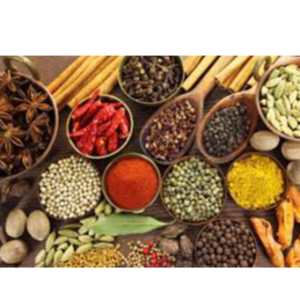
Naza Lanka Trading Pvt. Ltd. is based in Sri Lanka and presently lists five distinct products in its catalogue. The active product count of five includes pepper, cinnamon, clove, papaya and lime. These items fall under the commodity groups for spices and fresh fruit, which are commonly recorded under HS Chapter 09 for spices and HS Chapter 08 for fruit. The supplier sources each commodity from local growers and processors within Sri Lanka.
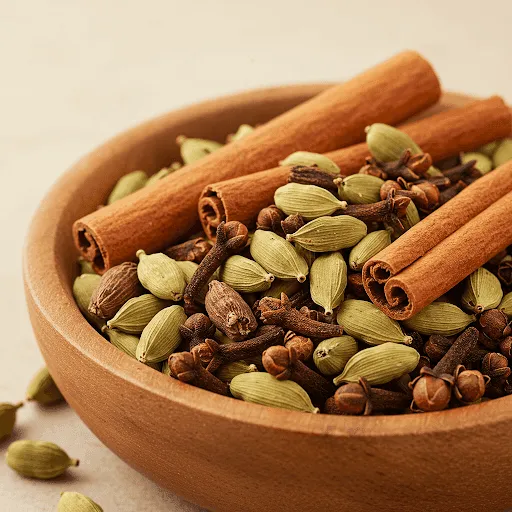
Pepper is offered as whole dried berries, while cinnamon is listed as rolled quills typical of Ceylon‑type bark. Clove appears as whole dried buds, papaya as fresh whole fruit, and lime as fresh whole fruit as well. The catalogue does not specify further grades, so buyers normally evaluate standard quality parameters such as moisture < 12 % for spices, oil content ≈ 45 % for pepper, and Brix ≈ 10‑12 % for papaya. Packaging is generally in 25 kg jute bags for spices and 20 kg cartons for fresh fruit, matching common export practices from Sri Lanka. All products are intended for bulk international trade.
Product Range and Specialties of Naza Lanka Trading Pvt. Ltd.
Pepper from Sri Lanka is typically graded by size (0‑2 mm, 2‑4 mm) and oil content, with quality defined by moisture below 12 % and pungency measured in Scoville units. Ceylon cinnamon is distinguished from cassia by its thin, aromatic quills, a moisture level under 10 % and a cinnamaldehyde content above 3 %.
Clove buds are commonly classified by leaf‑bud ratio and essential‑oil content, with premium grades containing 15‑20 % oil. Fresh papaya exported from Sri Lanka usually meets a minimum weight of 1 kg per fruit, a firmness index of 2‑3, and a soluble solids content of 10‑12 % Brix. Lime is graded by size (average diameter 40‑55 mm), acidity (≈ 5 % citric acid), and external blemish limits, and is often packed in ventilated cartons of 20 kg for sea freight.
Trade and Export Information - Naza Lanka Trading Pvt. Ltd.
Sri Lankan spice and fruit exporters primarily serve markets in the Middle East, Europe and North America, where buyers often require ISO 9001, HACCP and, for organic claims, EU organic certification. HS Chapter 09 and Chapter 08 commodities are subject to phytosanitary inspection under the International Plant Protection Convention, and a phytosanitary certificate is standard for each shipment.
Containerized sea freight is the dominant mode, with 20‑foot containers holding up to 18 tons of dried pepper or cinnamon, while fresh fruit such as papaya and lime is commonly shipped in refrigerated containers (40‑ft reefer) to preserve shelf life. Incoterms such as FOB Colombo or CIF Dubai are frequently used in contracts for these product groups.
Sourcing from Naza Lanka Trading Pvt. Ltd. - Buyer Guidance
Buyers should request a recent laboratory analysis covering moisture and oil content for pepper, cinnamaldehyde percentage for cinnamon, and essential‑oil content for clove, together with a phytosanitary certificate and any applicable organic or fair‑trade documentation. A sample batch of 5 kg per spice and a single fruit specimen per fresh product is typical for quality verification.
Prior to placing a bulk order, verify that the supplier can provide ISO 9001 or HACCP audit reports, and confirm packaging specifications such as 25 kg jute bags for spices and ventilated 20 kg cartons for fruit. Lead times for dried spices range from 30 to 45 days, while fresh papaya and lime usually require 10‑14 days from harvest to shipment.
Frequently Asked Questions About Naza Lanka Trading Pvt. Ltd.
What product varieties does Naza Lanka Trading offer?
The catalogue lists five items - whole dried pepper, rolled cinnamon quills, whole clove buds, fresh papaya and fresh lime - each sourced from Sri Lankan growers. These represent the full range currently available from the supplier.
Which certifications are available for the spices?
The supplier can provide ISO 9001 and HACCP audit reports upon request. Buyers should also obtain a current phytosanitary certificate and, if required, organic certification for the specific batch.
What are the typical packaging formats for the spices?
Pepper, cinnamon and clove are normally packed in 25 kg woven jute bags that are sealed to protect against moisture. This packaging is standard for bulk sea‑freight shipments of dried spices.
How are the fresh fruits packaged for export?
Papaya and lime are packed in ventilated cardboard cartons of 20 kg each to allow airflow and reduce bruising. For long‑distance shipping, the cartons are placed in refrigerated containers to maintain freshness.
What is the usual lead time for orders?
Dried spices generally require 30‑45 days from order confirmation to shipment, reflecting processing and quality testing. Fresh papaya and lime are typically shipped within 10‑14 days after harvest.
What documentation should a buyer request before payment?
Buyers should ask for a laboratory test report (moisture, oil or Brix), a phytosanitary certificate, and the supplier’s ISO 9001 or HACCP compliance documents. These documents verify product quality and regulatory conformity.
Which markets commonly import these Sri Lankan products?
The primary import regions are the Middle East, the European Union and North America, where buyers apply consistent quality standards and certification requirements for spices and tropical fruit. Exporters from Sri Lanka often target these markets for pepper, cinnamon, clove, papaya and lime.




 , Sri Lanka