Namashram Industries — Verified Supplier
About Namashram Industries - Essential Oils Supplier in India
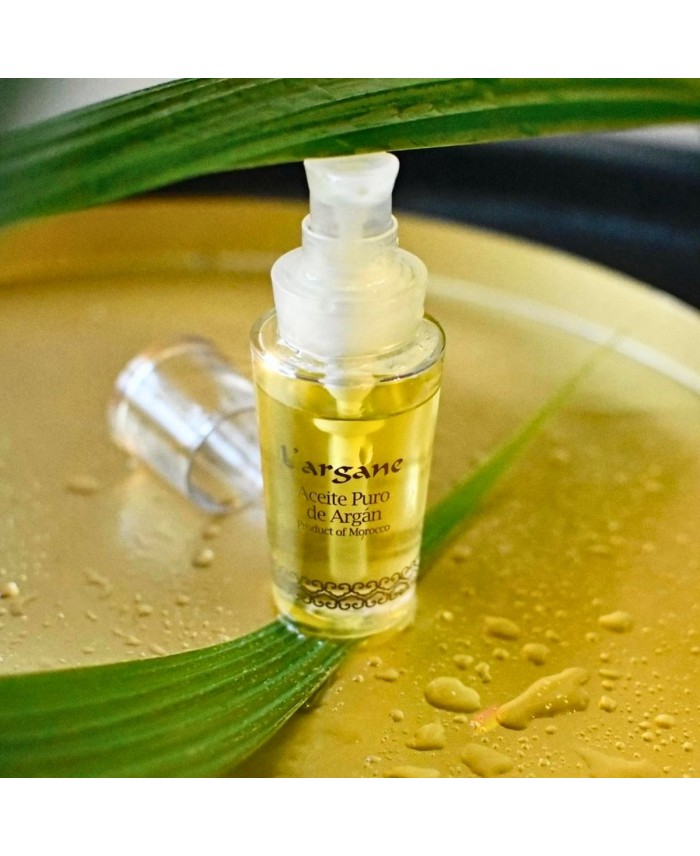
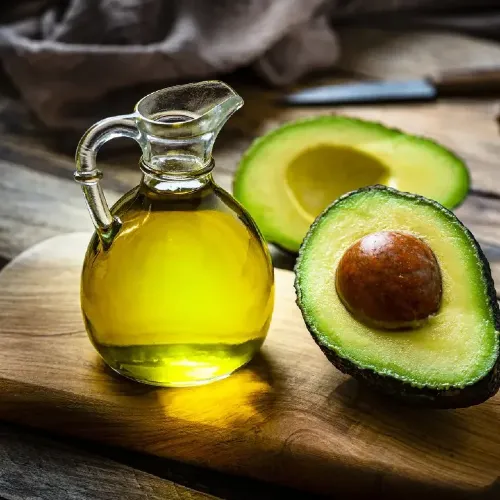
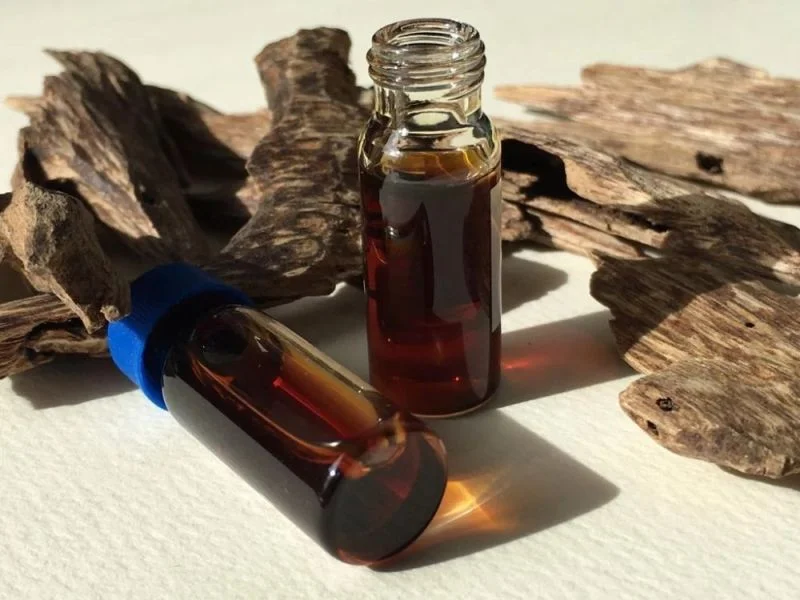
Namashram Industries is based in India and currently lists 183 active products across its portfolio. The company’s catalogue is organized under top categories such as Essential Oils, Herbal Products, Spices Powder, Industrial Chemicals, Fruit Powder, Cosmetics & Beauty Products, Vegetable Powder, and Menthol Crystals. Within the Essential Oils segment the supplier offers a variety of botanical extracts, including Holy Basil, Eucalyptus Oil, Lotus Oil, Peppermint Oil, Rose Oil, Sandalwood Oil, Bergamot Oil, Camphor Oil, Chamomile Oil, Clove Oil, Cedarwood Oil, Frankincense Oil, Gardenia Oil, Jasmine Oil, Lavender Oil, Lemon Oil, Marjoram Oil, Myrrh Oil, Patchouli Oil, Sage Oil, Tea Tree Oil, Vanilla Oil, Vetiver Oil, Ylang Ylang Oil, Onion Hair oil, Panch Tulsi Oil, Ajwain Oil, and Saw Palmetto Oil. Additionally, two vegetable oil products - Argan Oil and Avocado Oil - are listed with HS code 1515.90 and detailed material descriptions. The product list reflects a focus on natural extracts and specialty oils used in fragrance, flavor, cosmetics, and nutraceutical applications.
Product Range and Specialties of Namashram Industries
Namashram Industries’ product range comprises primarily essential oils extracted from aromatic plants and two cold‑pressed vegetable oils. Essential oils are typically sold in 100 ml to 1 L glass bottles or 5 kg aluminum drums, and buyers often require specifications such as GC‑MS chromatograms, optical rotation, and a minimum purity of 95 % by weight, corresponding to ISO 9235 grade A. Common quality grades for oils like Lavender, Rose, and Sandalwood are ICUMSA 45‑type clarity for colour‑less liquids, and specifications may include a maximum of 0.5 % residual solvents. For vegetable oils such as Argan and Avocado, industry standards reference Codex Alimentarius limits for peroxide value (< 10 meq O₂/kg), free fatty acid (< 0.5 %), and iodine value, with typical packaging in 200 kg HDPE drums or 25 kg food‑grade tins.
Trade and Export Information - Namashram Industries
India is a major exporter of essential and specialty oils, with the European Union, United States, United Arab Emirates, and Southeast Asian markets accounting for the largest import volumes. HS chapter 33 products are routinely inspected under the EU REACH regulation and the US FDA’s food additive rules when used in flavour, while vegetable oils under HS 1515 are subject to phytosanitary certification and, where applicable, organic certification under the National Programme for Organic Production (NPOP) in India. Buyers typically request a Certificate of Origin, a GMP compliance statement, and a third‑party laboratory analysis report (e.g., SGS or Eurofins) before shipment. Logistics for 100 ml bottles usually involve air freight for small orders, whereas 200 kg drums of Argan or Avocado oil are shipped in 20‑ft containers under CIF terms, with palletised loading and moisture‑resistant inner liners.
Sourcing from Namashram Industries - Buyer Guidance
When sourcing from Namashram Industries, buyers should ask for a recent Certificate of Analysis that includes GC‑MS profile, specific gravity, and any declared allergens. For essential oils, a minimum sample size of 10 ml is standard to verify aroma and purity, and buyers often request a stability test at 40 °C for six months. For the vegetable oils, request peroxide value, free fatty acid, and heavy‑metal test results, as well as a declaration of any pesticide residues. Verify that the supplier can provide GMP or ISO 9001 documentation if required by the buyer’s compliance programme, and confirm packaging details (e.g., amber glass bottles, HDPE drums) and the ability to meet typical minimum order quantities of 500 ml for oils or 100 kg for bulk vegetable oil.
Frequently Asked Questions About Namashram Industries
What essential oil categories does Namashram Industries offer?
The catalogue lists a broad set of botanical oils such as Holy Basil, Eucalyptus, Lotus, Peppermint, Rose, Sandalwood, Bergamot, Camphor, Chamomile, Clove, Cedarwood, Frankincense, Gardenia, Jasmine, Lavender, Lemon, Marjoram, Myrrh, Patchouli, Sage, Tea Tree, Vanilla, Vetiver, Ylang Ylang, Onion Hair oil, Panch Tulsi, Ajwain and Saw Palmetto. All of these fall under HS chapter 33 for essential oils and perfumery products.
How can I request a sample of an essential oil?
Buyers can request a 10 ml sample shipped in a sealed amber glass vial, accompanied by a Certificate of Analysis that includes GC‑MS data and the declared purity percentage. The sample is usually dispatched under air freight to ensure product integrity.
Which certifications should I verify for the vegetable oils?
Typical certifications include GMP, ISO 9001 and, where applicable, organic certification under India’s NPOP scheme. Buyers should also ask for a recent Certificate of Analysis showing peroxide value and free‑fatty‑acid limits that meet Codex standards.
What HS codes are associated with the listed products?
The two vegetable oils - Argan Oil and Avocado Oil - are listed under HS code 1515.90. The essential oils are generally classified under HS codes 3301‑3307 for essential oils and perfumery products, although specific sub‑codes are not provided in the catalogue.
What are the common packaging options for the oils?
Essential oils are commonly packed in 100 ml or 500 ml amber glass bottles and 5 kg aluminum drums. Vegetable oils are typically supplied in 200 kg HDPE drums or 25 kg food‑grade tins, with inner liners to protect against oxidation.
What documentation is needed for customs clearance?
Buyers should obtain a Certificate of Origin, a commercial invoice that specifies the correct HS code, and a recent Certificate of Analysis. For food‑grade applications, a phytosanitary certificate may also be required by the importing country.
What are typical lead times and minimum order quantities?
Lead times are usually 2‑4 weeks after order confirmation. Minimum order quantities are typically 500 ml for essential oils and 100 kg for bulk vegetable oil, although larger shipments can be arranged in 20‑ft or 40‑ft containers.




 , India