Mayan Blue LLC — Supplier
About Mayan Blue LLC - Seafood Supplier in Mexico
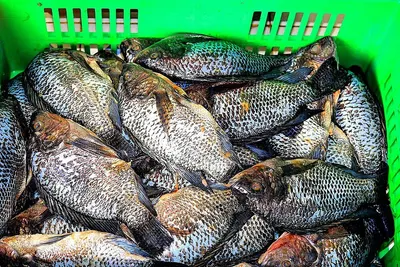
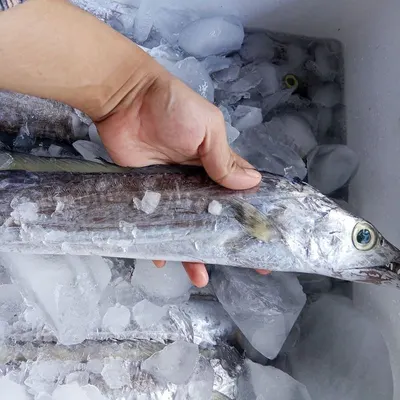
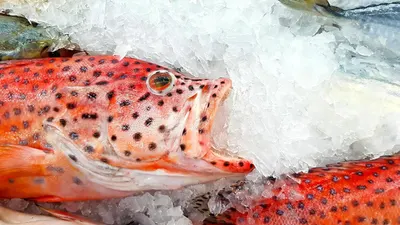
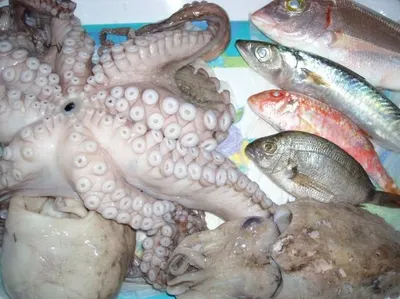
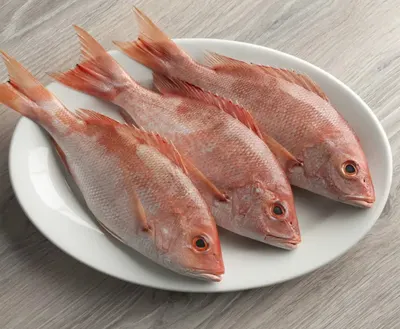
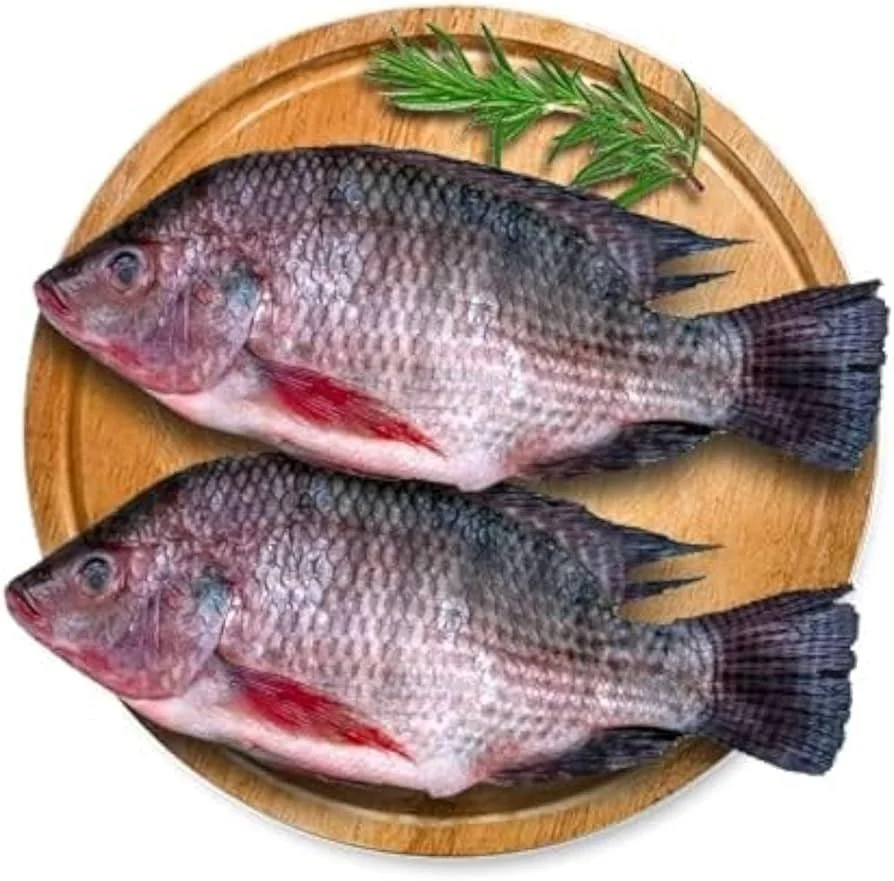
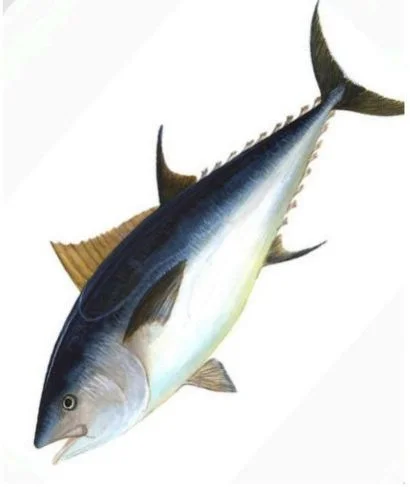
Mayan Blue LLC operates out of Mexico and currently lists six active seafood products in its catalogue. The supplier’s portfolio includes both frozen and fresh marine species, covering snapper, sardine, grouper, mackerel, octopus and tilapia. Each product is identified by its common name without additional sub‑varieties in the provided data. The catalogue separates the fish into frozen (snapper, mackerel, octopus, tilapia) and fresh (sardine, grouper) categories as indicated by the top‑category list. The company is classified in the “harbor” trust tier, indicating a mid‑level verification status.
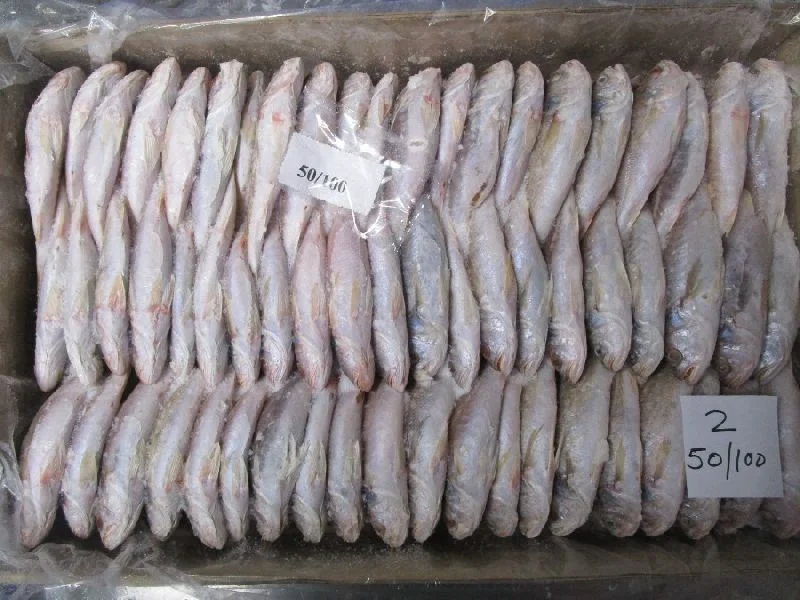
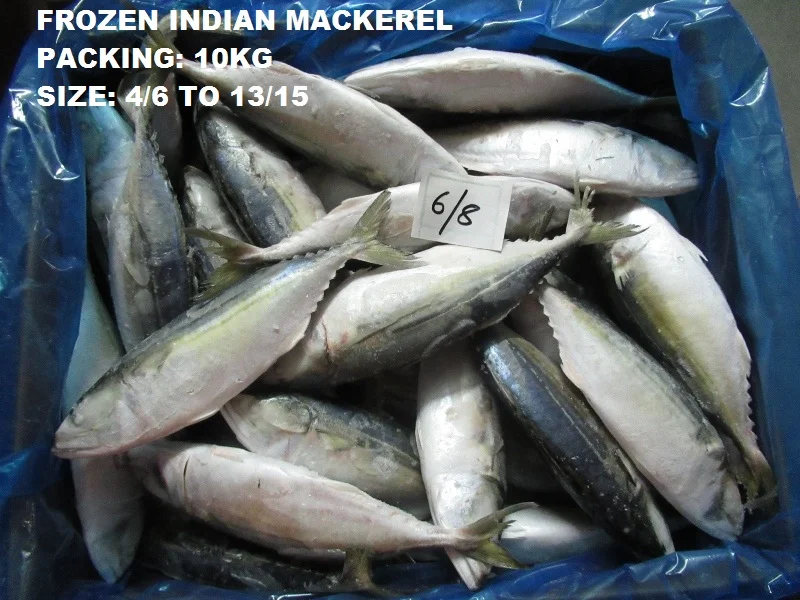
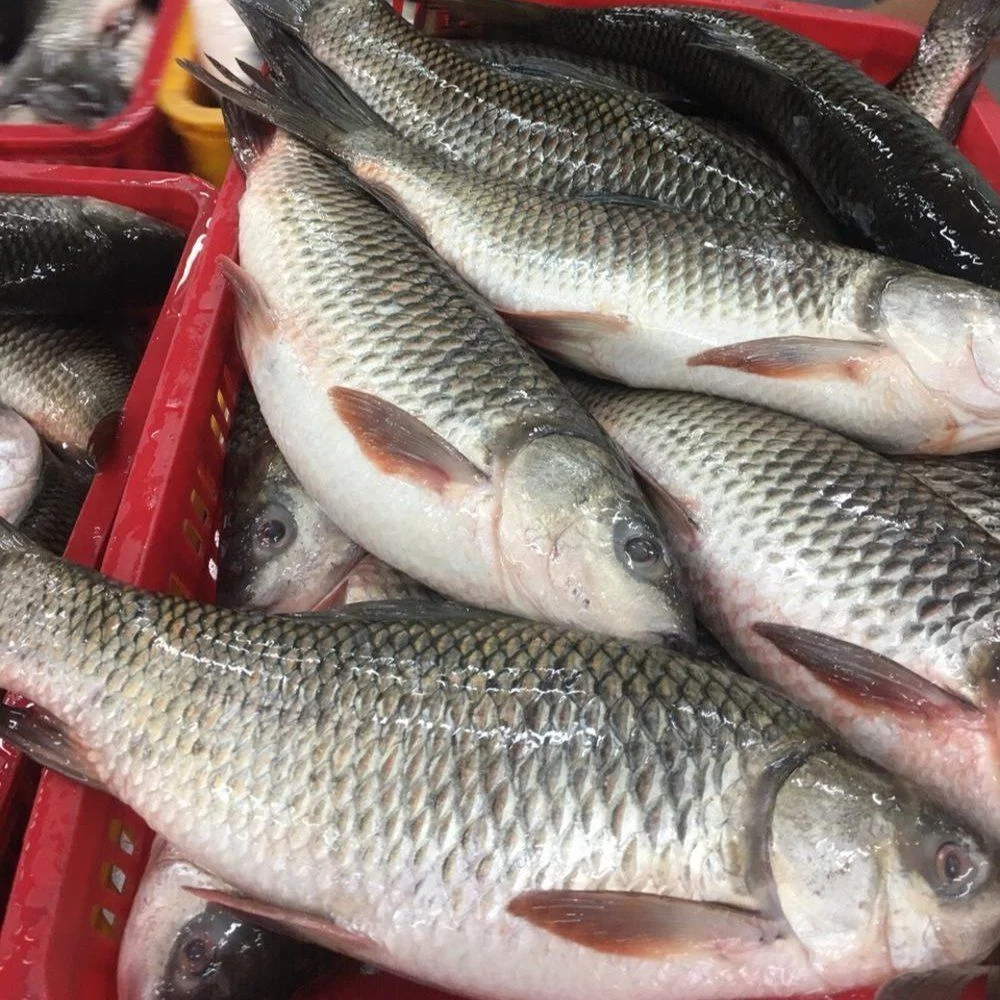
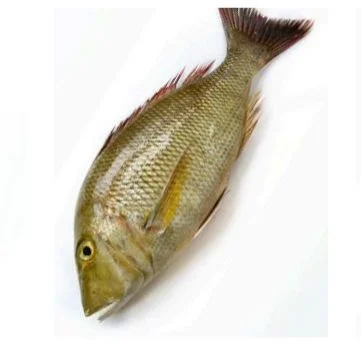
Snappers are offered as a frozen product, typically flash‑frozen to preserve texture. Fresh sardine is listed as a fresh commodity, commonly packed on ice for rapid transport. Frozen grouper appears in the top categories, suggesting a flash‑frozen or IQF format. Mackerel and tilapia are also supplied in frozen form, while octopus is provided as a whole frozen cephalopod. The product list does not include detailed specifications such as size or weight, but the categories align with standard HS Chapter 03 seafood headings.
Product Range and Specialties of Mayan Blue LLC
From the catalogue, Mayan Blue LLC offers six distinct seafood items: Snappers, Sardine, Grouper, Mackerel, Octopus and Tilapia. In the frozen fish segment, industry practice commonly requires flash‑freezing at - 18 °C or lower, an ice glaze of 2 - 3 mm, and packaging in 10 kg polyethylene bags or vacuum‑sealed cartons suitable for 20 ft containers. Fresh fish such as sardine and grouper are typically shipped on chilled ice, maintaining core temperatures between 0 °C and 4 °C, and are packed in insulated boxes with a maximum of 15 kg per crate. Quality grades for these species often reference size ranges (e.g., snapper fillet length 150 - 250 mm) and moisture content below 80 % for frozen products. Buyers also look for compliance with HACCP plans and, where applicable, MSC or BAP sustainability certifications.
Trade and Export Information - Mayan Blue LLC
Mexico is a major exporter of both frozen and fresh seafood to North America, the European Union and Asian markets such as Japan and South Korea. Typical HS codes for the products listed fall under Chapter 03: frozen fish (HS 0302) and fresh fish (HS 0303), while frozen octopus is classified under HS 0304 for other crustaceans and molluscs. Export shipments are frequently handled in 20 ft or 40 ft containers with insulated liners for fresh fish and standard dry containers for frozen goods.
Importers commonly require health certificates issued by the Mexican Ministry of Agriculture, as well as compliance with the FDA’s Fish and Fishery Products regulations for U.S. entry and EU Regulation 834/2007 for traceability. Standard quality audits include BRC Global Standards for food safety, and many buyers request a Certificate of Origin and a recent laboratory analysis for contaminants such as mercury and histamine. Incoterms such as CIF or FOB are typical for bulk sea freight, with loading ports in Veracruz, Altamira or Manzanillo handling the majority of seafood exports.
Sourcing from Mayan Blue LLC - Buyer Guidance
Prospective buyers should request a product specification sheet that details freezing method, temperature control, ice glaze thickness and packaging dimensions for each seafood item. A recent sanitary inspection report and a HACCP certification copy are essential to verify compliance with international food‑safety standards. Prior to placing a large order, obtain a sample batch and request laboratory test results for microbiological limits (e.g., total plate count < 5 × 10⁴ CFU/g) and heavy‑metal residues to ensure the product meets buyer‑specific thresholds.
Frequently Asked Questions About Mayan Blue LLC
What seafood products does Mayan Blue LLC supply?
The supplier lists six products - Snappers, Sardine, Grouper, Mackerel, Octopus and Tilapia - with snapper, mackerel, octopus and tilapia offered frozen, and sardine and grouper offered fresh.
Which HS codes are typically used for these products?
Frozen fish such as snapper, mackerel, tilapia and frozen octopus are generally classified under HS 0302, while fresh fish like sardine and grouper fall under HS 0303. Octopus, as a mollusc, may also appear under HS 0304.
What quality standards should buyers verify?
Buyers should look for HACCP compliance, BRC food‑safety audit results, and, where sustainability is required, MSC or BAP certification. Laboratory analyses for moisture content, ice glaze thickness and contaminant limits are also standard.
What documentation is needed for import clearance?
Typical documents include a health certificate from the Mexican authority, a Certificate of Origin, a recent sanitary inspection report, and any required phytosanitary or FDA import permits for the destination market.
What are the common packaging formats and container sizes?
Frozen fish are usually packed in 10 kg polyethylene bags or vacuum‑sealed cartons, placed in 20 ft or 40 ft dry containers. Fresh fish are shipped on ice in insulated boxes, also loaded into 20 ft refrigerated containers when longer transit times are expected.
What are typical minimum order quantities and lead times?
For frozen products, a minimum order of one 20 ft container (approximately 12‑15 metric tons) is common, with lead times of 25‑35 days from order confirmation. Fresh fish orders generally require smaller volumes, with lead times of 10‑15 days to accommodate ice logistics.
How can a buyer request a sample?
Buyers can submit a sample request through the supplier’s trade platform, specifying the desired product, quantity (usually 5 - 10 kg), and required testing parameters. Samples are typically dispatched on ice for fresh fish or in insulated packaging for frozen items, with shipping costs borne by the buyer unless otherwise agreed.




 , Mexico