Mader Shoes — Supplier
About Mader Shoes - Shoes (Personal) Supplier in South Korea (Republic Of Korea)
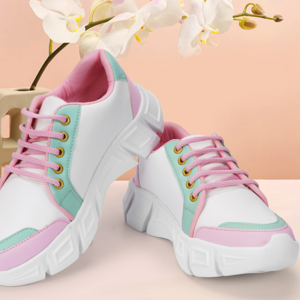
Mader Shoes operates from South Korea (Republic Of Korea) and currently lists five active footwear products in its catalogue. The catalogue includes Health Shoes, Boots, Healing Shoes, Men’s Shoes and Beauty Shoes, each classified under the personal footwear category. No additional product types or HS codes are provided in the source data, so the description is limited to the listed items. The supplier is identified with a harbor trust tier, indicating a moderate level of verification on the platform. All product entries fall within the broader HS Chapter 64 family that covers footwear and related parts.
The five products cover a range of functional and style segments, from therapeutic health-oriented models to conventional boots and fashion‑oriented men’s and beauty shoes. Each item is presented as a distinct SKU without further specification of material or construction in the supplied data. The catalogue does not disclose any certifications, production capacities or client references. Consequently, the information remains strictly limited to the product names and the count of active listings.
Product Range and Specialties of Mader Shoes
Mader Shoes’ catalogue comprises Health Shoes, Boots, Healing Shoes, Men’s Shoes and Beauty Shoes, all falling under the personal footwear category. In the global footwear market, products in this segment are typically manufactured from leather, synthetic uppers, textile meshes, or blended composites, and are finished with rubber or PU soles. Common quality grades for health‑oriented shoes include ergonomic footbed design, shock‑absorbent midsoles and anti‑slip outsole ratings such as ASTM F2413. For boots, buyers often look for water‑resistance, ankle support and abrasion‑resistant uppers, while men’s and beauty shoes are evaluated on style conformity, fit range (EU/US size charts) and material breathability.
Industry standards for footwear frequently reference ISO 9001 quality management, CE marking for safety in the EU, and REACH compliance for chemical restrictions. Buyers also request material composition percentages (e.g., 100 % leather, 70 % PU sole) and durability test results like Martindale abrasion cycles or flex fatigue. These specifications help differentiate product tiers and align with buyer expectations across retail, wholesale and corporate procurement channels.
Trade and Export Information - Mader Shoes
South Korea is a recognized exporter of finished footwear, with the majority of shipments classified under HS code 6401‑6405 for leather, textile and plastic shoes. Typical destination markets include the United States, European Union member states, Japan and Southeast Asian countries, where demand for both functional health shoes and fashion footwear remains strong. Export logistics commonly involve 20‑foot or 40‑foot containers packed in cardboard cartons, each carton holding 20‑30 pairs depending on box size, and shipments are often arranged on CIF or FOB terms.
Importers of South Korean shoes generally require compliance documentation such as a Certificate of Origin, CE declaration (for EU markets), and test reports for slip resistance, tensile strength of uppers and chemical safety (e.g., REACH). Customs authorities may also request a detailed packing list indicating HS codes, quantity per carton and gross weight. The Korean footwear sector adheres to strict quality control regimes, and buyers frequently ask for third‑party inspection reports prior to loading to mitigate risk.
Sourcing from Mader Shoes - Buyer Guidance
When sourcing from Mader Shoes, buyers should request detailed product specifications for each listed item, including material breakdown, size range, weight per pair and any ergonomic features claimed for health or healing models. Sample requests should be accompanied by a test report covering slip resistance (ASTM F1677), abrasion resistance (Martindale) and any relevant comfort metrics such as arch support pressure distribution.
Buyers are advised to verify that the supplier can provide the standard certifications typically required for footwear imports, such as CE marking, ISO 9001 quality system certificates, and REACH compliance statements. Confirm the minimum order quantity (MOQ) per style, as well as lead times for production and shipping, which for South Korean footwear manufacturers often range from 30 to 60 days after sample approval. Ensure that packaging details (carton dimensions, weight per carton, and labeling) align with the buyer’s logistics and customs documentation needs.
Frequently Asked Questions About Mader Shoes
What types of footwear does Mader Shoes list in its catalogue?
The catalogue includes Health Shoes, Boots, Healing Shoes, Men’s Shoes and Beauty Shoes, all classified under personal footwear.
How many active product listings does Mader Shoes have?
Mader Shoes currently has five active product listings.
Which HS code chapter applies to the products offered by Mader Shoes?
All listed footwear items fall under HS Chapter 64, which covers shoes, boots and other footwear.
What certifications should a buyer request for South Korean footwear?
Buyers typically request CE marking for EU markets, ISO 9001 quality management certificates, and REACH compliance documentation for chemical safety.
What standard tests are relevant for health or healing shoes?
Relevant tests include slip‑resistance (ASTM F1677), Martindale abrasion cycles, and ergonomic footbed pressure distribution assessments.
What are the common packaging and shipping formats for these shoes?
Footwear is usually packed in cardboard cartons (20 - 30 pairs per carton) and shipped in 20‑foot or 40‑foot containers, often under CIF or FOB terms.
What information should a buyer verify before placing an order?
Verify material composition, size range, compliance certificates, MOQ, lead time, and obtain sample test reports covering durability and safety standards.
How can a buyer request a sample from Mader Shoes?
A buyer can submit a sample request through the trade platform, specifying the desired product type, size and any particular test reports needed for evaluation.




 , South Korea (Republic Of Korea)