LSNP Import & Export Co., Ltd — Verified Supplier
About LSNP Import & Export Co., Ltd - Multi‑Category Supplier in Cambodia
LSNP Import & Export Co., Ltd operates out of Cambodia and currently lists five distinct product lines in its online catalogue. The active product count of five covers staple grains, spice, nut, fuel and medicinal categories, reflecting a diversified export portfolio that is typical for Cambodian traders. The catalogue entries are Rice, Black Pepper, Raw Cashew Nut, Wood Pellets and Turmeric Fingers, each grouped under its respective commodity family. Cambodian exporters of these goods often ship in bulk bags or pallets, complying with regional packaging standards for agricultural products.
The supplier’s catalogue does not include additional sub‑categories, but the five listed items correspond to major export segments from Cambodia. Rice is offered as bulk milled grain, Black Pepper as whole dried berries, Raw Cashew Nut as in‑shell kernels, Wood Pellets as compressed biomass fuel, and Turmeric Fingers as dried rhizome segments. All products are listed without explicit certifications, which is common for many import‑oriented Cambodian firms that rely on buyer‑requested documentation. The company’s tier is recorded as “imported” with a “harbor” trust rating, indicating that it primarily serves overseas buyers through standard trade channels.
Product Range and Specialties of LSNP Import & Export Co., Ltd
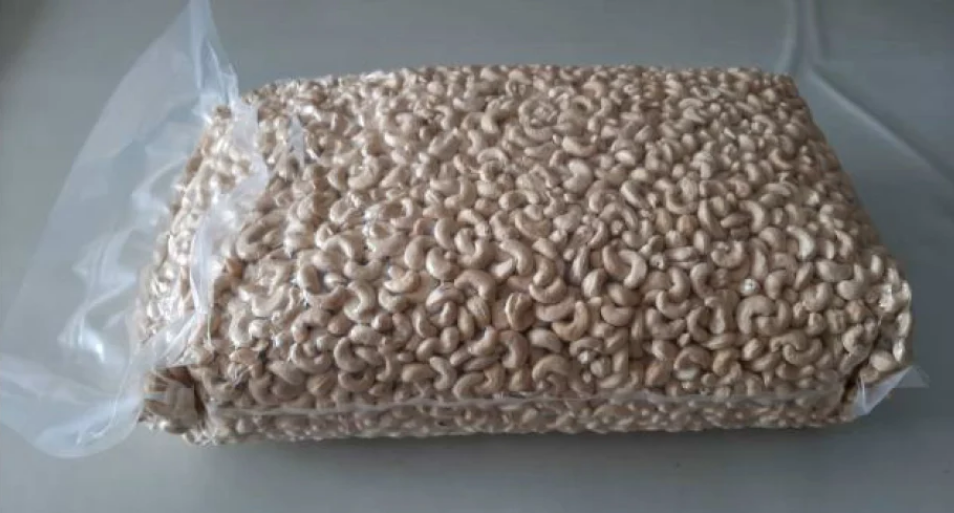
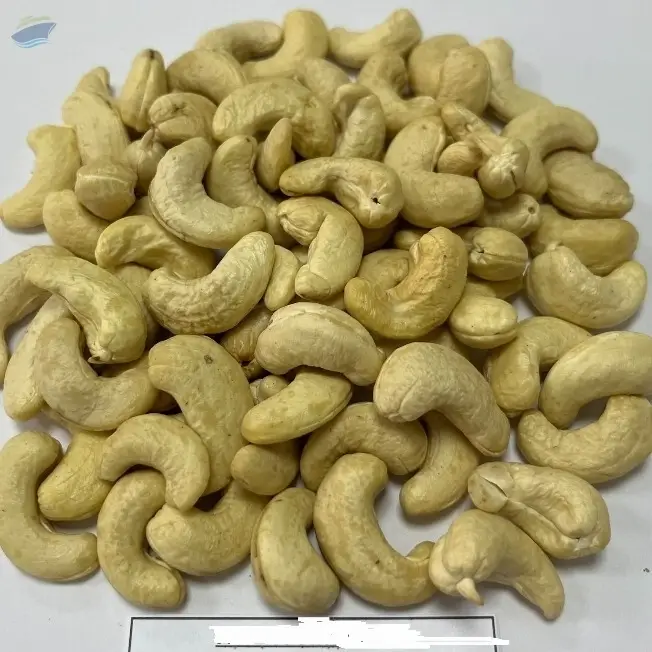
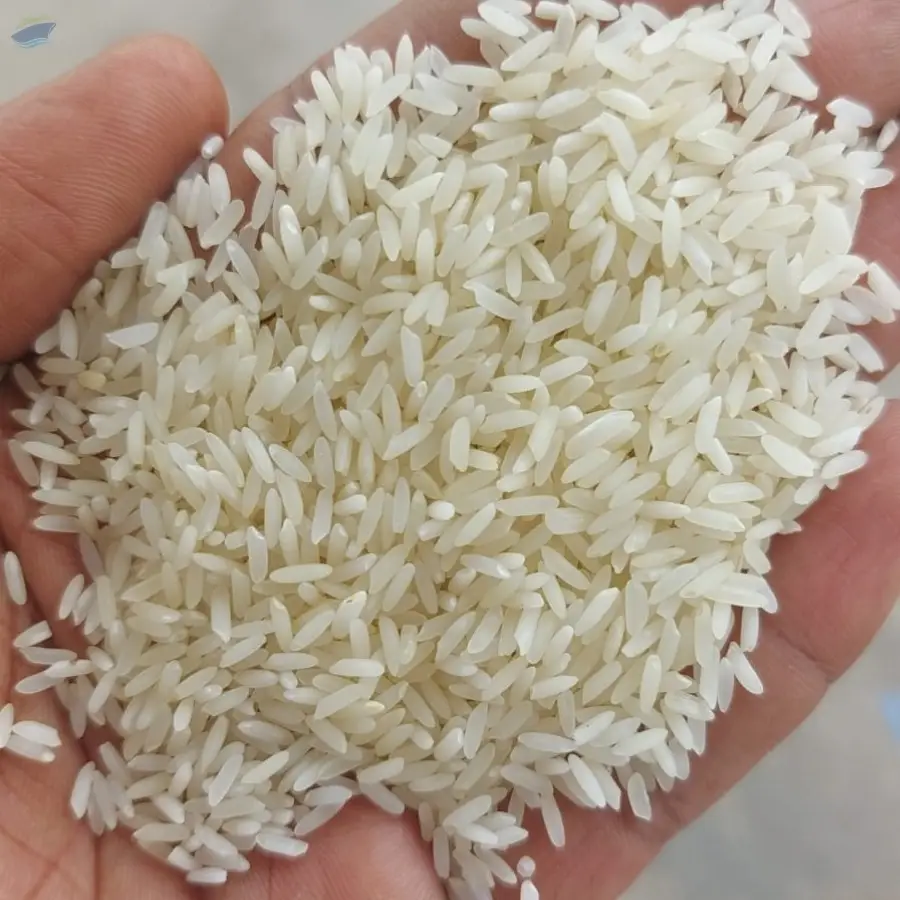
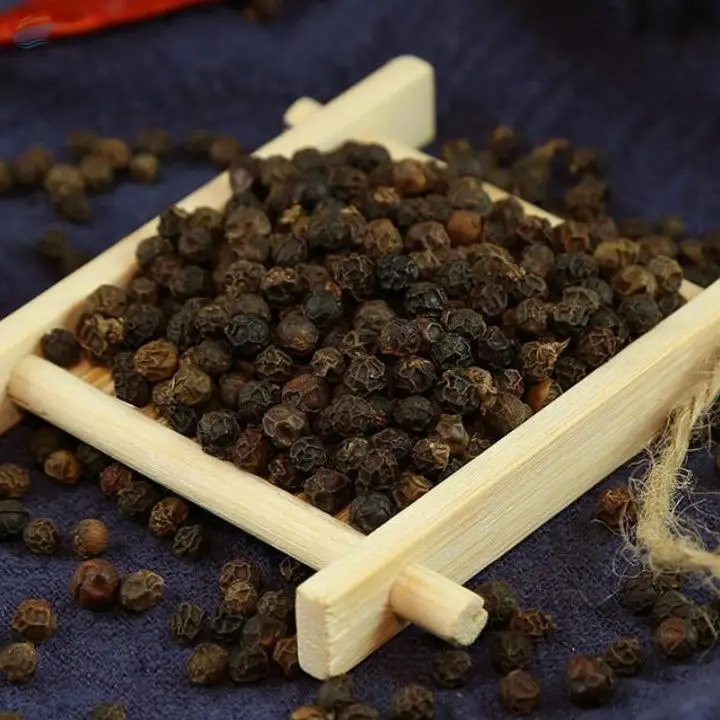
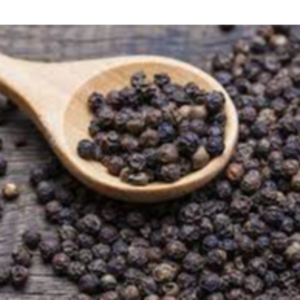
The product range spans primary agricultural commodities and a renewable energy feedstock. In the rice segment, Cambodian exporters typically provide IRRI‑graded milled rice with moisture content around 12 % and broken grain percentages below 5 %. Black Pepper from the region is usually classified as S4‑S5 whole peppercorns, sized 30‑35 mesh, with essential oil content near 45 % by weight. Raw Cashew Nut is commonly supplied as W180 grade, shelled or in‑shell, containing 2‑4 % moisture and meeting aflatoxin limits of 5 µg/kg. Wood Pellets are produced from sawdust or agricultural residues, targeting an average calorific value of 4 500 kcal/kg, ash content below 1.5 % and a bulk density of 650 kg/m³. Turmeric Fingers are dried rhizome pieces with a dry matter of 10‑12 % and curcumin concentration typically 3‑5 % by weight. Packaging for these commodities generally follows bulk bag (25‑50 kg) or palletized drum formats, which align with standard handling procedures in Southeast Asian export logistics.
Trade and Export Information - LSNP Import & Export Co., Ltd
Cambodia’s agricultural export infrastructure channels rice to ASEAN markets, the Middle East and North Africa, while Black Pepper is frequently shipped to the European Union and United States under phytosanitary certificates. Cashew nuts from Cambodia find demand in EU food processors and Middle Eastern confectionery manufacturers, often requiring a certificate of origin and compliance with EU pesticide residue limits. Wood Pellets serve the European renewable‑energy market, where buyers typically request testing for calorific value, ash content and moisture, and shipments are handled in 1‑ton bulk bags or 20‑ft containers. Turmeric Fingers are exported to India, the EU and GCC states, with buyers usually asking for curcumin assay reports and heavy‑metal testing. Across these categories, standard documentation includes a phytosanitary certificate, a certificate of origin, and, where applicable, a laboratory analysis report. Common Incoterms used by Cambodian exporters are FOB Phnom Penh Port or CIF to destination ports, reflecting the country’s maritime trade routes.
Sourcing from LSNP Import & Export Co., Ltd - Buyer Guidance
Prospective buyers should request sample shipments of each commodity and verify laboratory analysis results for moisture, impurity levels and any pesticide residues that apply to the target market. For rice, confirm the milling grade, broken grain ratio and moisture content; for pepper, check the oil content and mesh size; for cashews, request aflatoxin and moisture data; for wood pellets, ask for calorific value, ash and bulk density measurements; and for turmeric fingers, obtain curcumin percentage and heavy‑metal test results. Buyers are advised to ensure that the supplier can provide a phytosanitary certificate and a certificate of origin for each shipment, and to clarify the preferred Incoterm (FOB or CIF) before finalizing the order. Verifying the supplier’s “harbor” trust tier through independent trade references can further reduce risk in the sourcing process.
Frequently Asked Questions About LSNP Import & Export Co., Ltd
What grades of rice does LSNP Import & Export Co., Ltd typically offer?
The supplier lists rice without a specific grade, but Cambodian exporters usually supply IRRI‑graded milled rice with moisture around 12 % and broken grain below 5 %.
Are the Black Pepper shipments whole or ground, and what size are they?
The catalogue mentions Black Pepper, which in Cambodian exports is generally whole peppercorns sized 30‑35 mesh and classified as S4‑S5 grade.
What documentation is required for Raw Cashew Nut purchases?
Buyers should request a phytosanitary certificate, a certificate of origin, and a laboratory report covering moisture (2‑4 %) and aflatoxin limits (≤5 µg/kg).
What are the typical specifications for Wood Pellets from this supplier?
Wood Pellets are usually produced with a calorific value of about 4 500 kcal/kg, ash content under 1.5 % and a bulk density near 650 kg/m³, packed in 1‑ton bulk bags.
How is the quality of Turmeric Fingers verified?
Quality is commonly verified by measuring dry matter (10‑12 %), curcumin content (3‑5 % by weight) and testing for heavy metals such as lead and arsenic.
Which Incoterms does LSNP Import & Export Co., Ltd commonly use?
The supplier works with FOB Phnom Penh Port or CIF to the buyer’s destination port, reflecting standard Cambodian export practices.
What are the typical packaging formats for the listed products?
Rice, pepper, cashew nuts and turmeric fingers are usually shipped in 25‑50 kg bulk bags, while wood pellets are packed in 1‑ton bulk bags or pallets for container loading.
What certifications should a buyer request before ordering?
Buyers should request a phytosanitary certificate, a certificate of origin, and any product‑specific lab reports (e.g., moisture, pesticide residues, aflatoxin, calorific value) that align with the importing country’s regulations.




 , Cambodia

.jpg.png)