Lanzhou Long All Trading Co., Ltd. — Supplier
About Lanzhou Long All Trading Co., Ltd. - Lentils Supplier in China
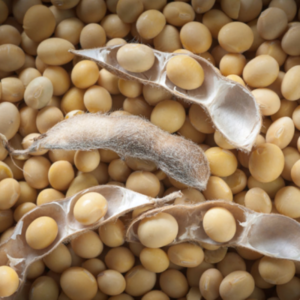
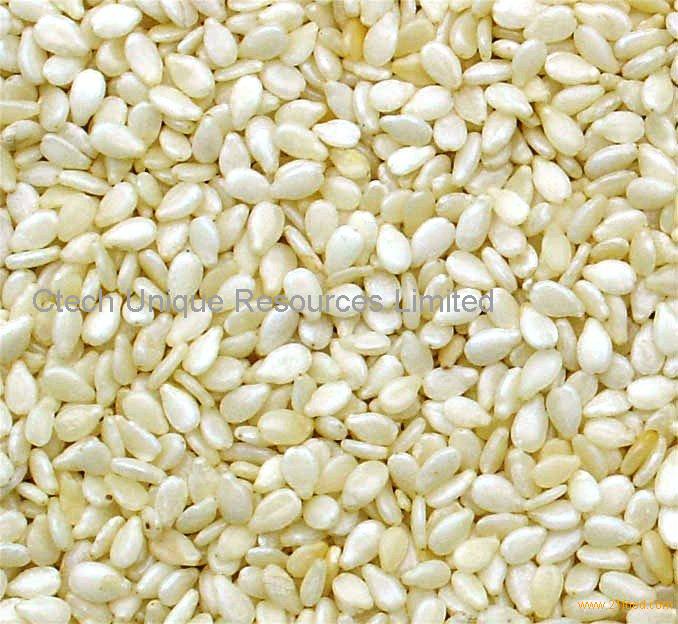
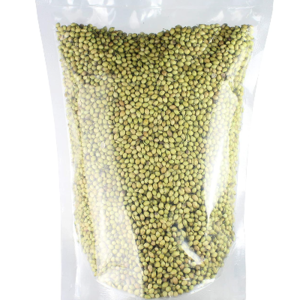
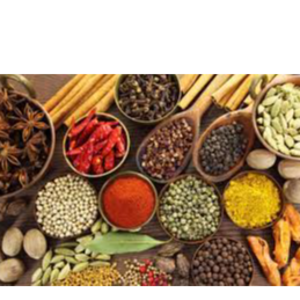
China hosts Lanzhou Long All Trading Co., Ltd., which currently lists seven distinct agricultural products. The catalogue includes broad beans, peeled broad beans, lentils, sunflower seed kernels, cumin seeds, millet in husk, and hempseed. These items are grouped under the supplier’s top categories of Lentils, Cumin Seeds, and Agriculture Seeds. All products are presented as unprocessed or minimally processed seed forms suitable for bulk handling. The list reflects a focus on staple legumes, oilseeds, spices and cereal grains for international trade.
Broad beans and peeled broad beans fall under the legume group covered by HS chapter 07, while sunflower seed kernels and hempseed are classified as oilseeds within HS chapter 12. Cumin seeds are a spice commodity typically recorded under HS chapter 09, and millet in husk is a cereal grain listed under HS chapter 10. Together the range spans legumes, oilseeds, spices and cereals, offering buyers a diversified seed portfolio from a single Chinese source. The product set aligns with standard bulk export practices for agricultural commodities.
Product Range and Specialties of Lanzhou Long All Trading Co., Ltd.
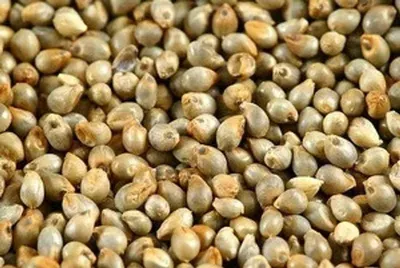
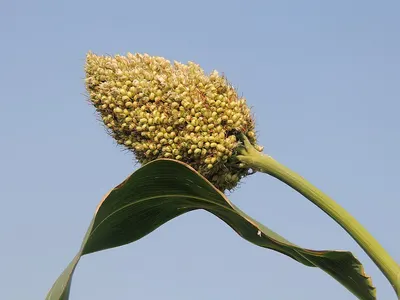
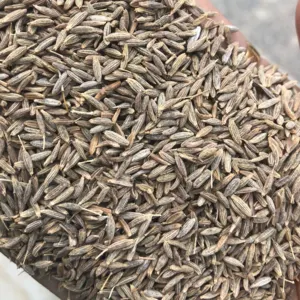
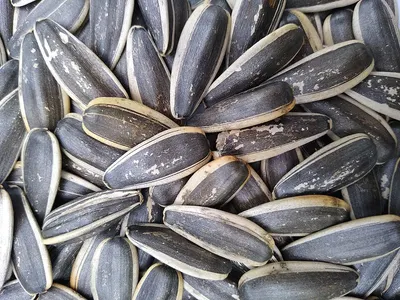
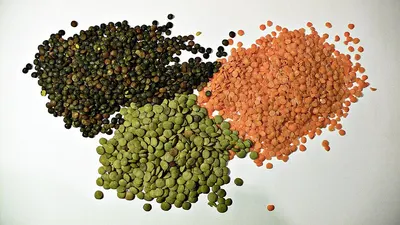
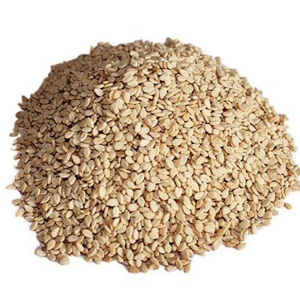
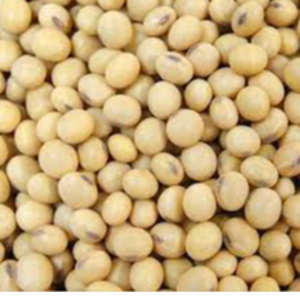
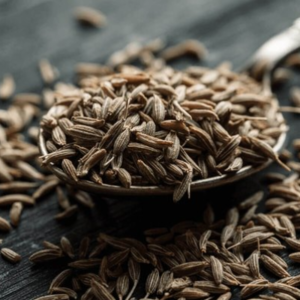
The supplier’s catalogue offers broad beans (whole) and peeled broad beans, both of which are commonly supplied in Grade A condition with moisture not exceeding 12 % and kernel size between 15 mm and 25 mm. Lentils are generally offered in whole‑seed form, meeting industry specifications of 12 % ± 2 % moisture and a uniform size of 3 mm to 4 mm. Sunflower seed kernels are provided as de‑hulled kernels, typically meeting a 5 % ± 1 % moisture level and a 2 mm to 3 mm thickness, conforming to standard oilseed export grades. Cumin seeds are usually supplied as whole spice seeds meeting a purity of 98 % and moisture ≤8 %, which aligns with common spice quality standards. Millet in husk is offered as whole grain with a moisture content of 12 % ± 2 % and a length of 5 mm to 7 mm, matching typical cereal grain export specifications. Hempseed is exported as whole seed with a fat content of around 30 % and moisture ≤10 %, fitting standard hempseed quality parameters.
Across these categories, buyers frequently encounter packaging such as 25 kg polypropylene bags, 1 ton bulk bags, or 20 ft containers for larger shipments. Standard industry grades - such as ICUMSA 45 for sugar‑related commodities - are not applicable here, but legumes and oilseeds often adhere to ISO 22000 food safety management and HACCP protocols, which many Chinese exporters implement as a baseline.
Trade and Export Information - Lanzhou Long All Trading Co., Ltd.
China is a major exporter of legumes, oilseeds, spices and cereals, supplying markets in the Middle East, North Africa, Europe and Southeast Asia. Bulk shipments of broad beans, lentils and millet are typically loaded in 20 ft or 40 ft containers, while smaller orders may use 25 kg polypropylene bags or 1 ton bulk bags. Export documentation commonly includes a phytosanitary certificate, a certificate of origin and, where required, a fumigation certificate for seed products. Buyers in the EU and GCC often request compliance with ISO 22000 or HACCP, and may also require a laboratory analysis report for pesticide residues and mycotoxins. The Chinese export framework for seed commodities generally follows the regulations of the General Administration of Customs, which mandates proper labeling of HS chapter, net weight and country of origin on all packaging. Typical Incoterms used by Chinese seed exporters are FOB (Port of Shanghai, Tianjin or Qingdao) and CIF to major destination ports.
The supplier’s target markets are not explicitly listed, so buyers should verify whether the company has experience shipping to their region. In practice, Chinese legume exporters have established logistics routes to the United Arab Emirates, Saudi Arabia, Egypt, Italy and South Korea, among others, and they often work with freight forwarders familiar with cold‑chain or moisture‑controlled handling when required.
Sourcing from Lanzhou Long All Trading Co., Ltd. - Buyer Guidance
When sourcing from this supplier, buyers should request a recent phytosanitary certificate and a laboratory test report covering moisture content, pesticide residues and any relevant mycotoxin limits for each product. It is advisable to verify whether the supplier follows ISO 22000 or HACCP food safety standards, and to ask for a copy of the relevant certification if available. Buyers should also confirm the exact HS code applicable to each commodity, as legume and oilseed codes differ by processing level, and ensure the code aligns with the import requirements of the destination country.
Typical minimum order quantities for bulk legumes and oilseeds from Chinese exporters range from 5 ton to 20 ton, with lead times of 25 to 45 days from order confirmation to shipment. Samples are usually supplied in 1 kg quantities, and buyers should request a certified analysis for each sample before placing a larger order. Packaging options can be negotiated, but standard export packaging includes 25 kg polypropylene bags or 1 ton bulk bags, sealed and labeled according to the destination’s customs requirements.
Frequently Asked Questions About Lanzhou Long All Trading Co., Ltd.
What product categories does Lanzhou Long All Trading Co., Ltd. offer?
The company lists seven products: broad beans, peeled broad beans, lentils, sunflower seed kernels, cumin seeds, millet in husk and hempseed, covering legumes, oilseeds, spices and cereals.
Are the legumes supplied in a specific grade?
Broad beans and lentils are typically offered in Grade A condition with moisture not exceeding 12 % for legumes and 12 % ± 2 % for lentils, meeting common export specifications.
Which certifications should a buyer request for these seed products?
Buyers should ask for a phytosanitary certificate, a laboratory analysis report for moisture and pesticide residues, and evidence of ISO 22000 or HACCP food safety compliance if the supplier holds them.
What are the usual packaging formats for the listed commodities?
Exports are commonly packed in 25 kg polypropylene bags, 1 ton bulk bags, or loaded directly into 20 ft or 40 ft containers for larger volumes, with clear labeling of net weight and HS chapter.
What is the typical lead time and minimum order quantity?
Lead times range from 25 to 45 days after order confirmation, and minimum order quantities usually start at 5 ton for bulk legumes and oilseeds, though exact figures depend on the product and destination.
Which HS chapters generally apply to these products?
Legumes such as broad beans and lentils fall under HS chapter 07, oilseeds like sunflower kernels and hempseed under chapter 12, spices such as cumin under chapter 09, and cereals like millet under chapter 10; the exact six‑digit code should be confirmed with the supplier.
How can a buyer obtain a sample before placing a full order?
The supplier can provide 1 kg sample packs, accompanied by a certified analysis report; buyers should request the sample in writing and allow a few days for laboratory results.
Which regions most commonly import these Chinese seed commodities?
Major import regions include the Middle East, North Africa, the European Union, and Southeast Asian countries, where demand for legumes, oilseeds, spices and cereals remains strong.




 , China