Agriculture›
 Apparel and fashion accessories›
 Construction & real estate›💡Electronic & Electrical›🍎Food & Beverages›🛋️Home furnishing & supplies›⚗️Industrial goods & chemical›🪨Minerals & metals›📦Miscellaneous›Agriculture›Apparel and fashion accessories›Construction & real estate›💡Electronic & Electrical›🍎Food & Beverages›🛋️Home furnishing & supplies›⚗️Industrial goods & chemical›🪨Minerals & metals›📦Miscellaneous›
DNUMS INTERNATIONAL Product Catalog


About DNUMS INTERNATIONAL - Agro Products & Paper Supplier in India
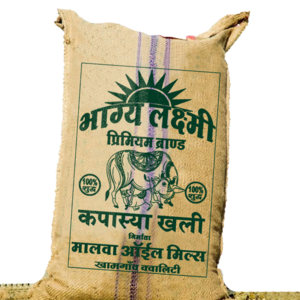
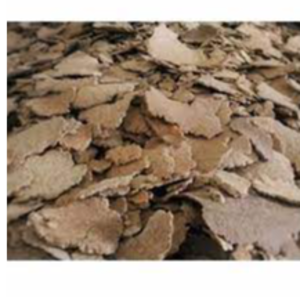
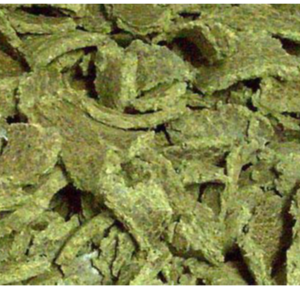
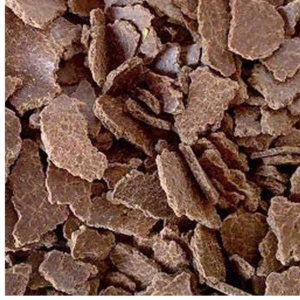
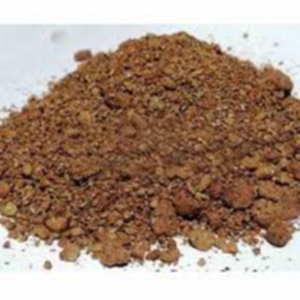
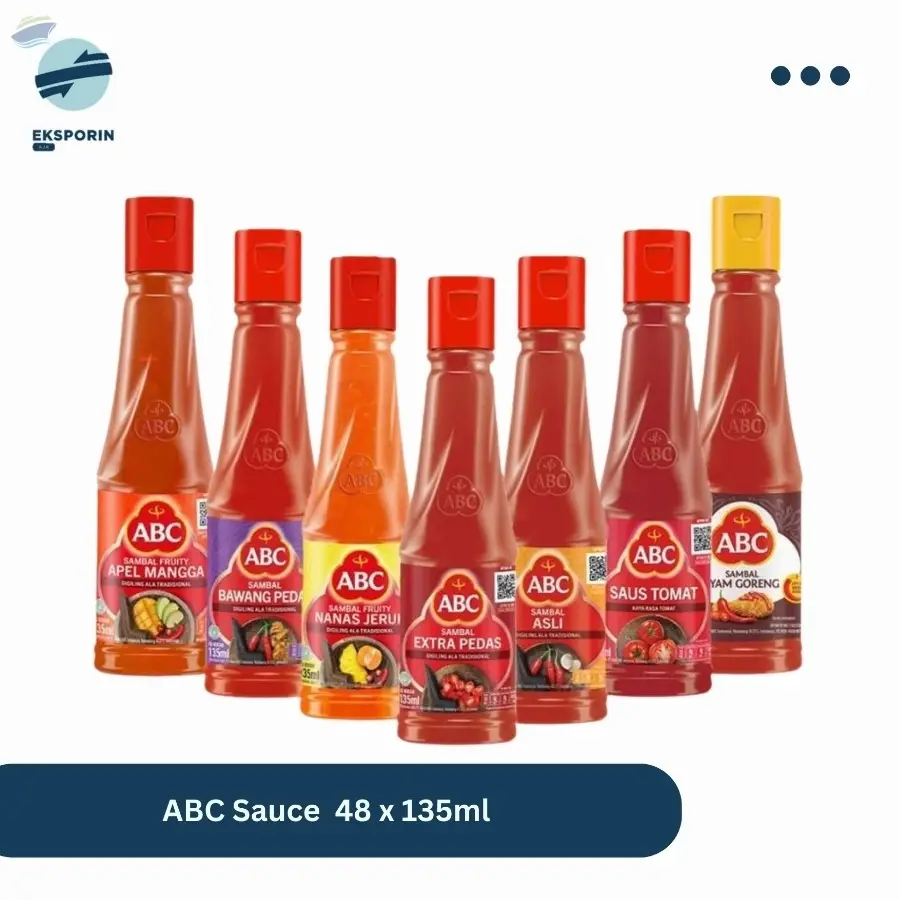
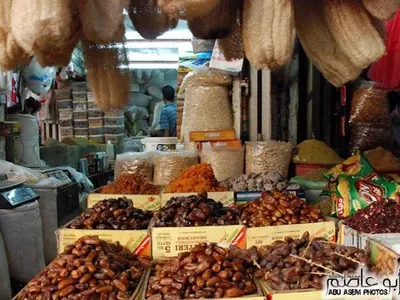
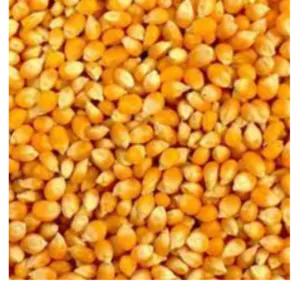
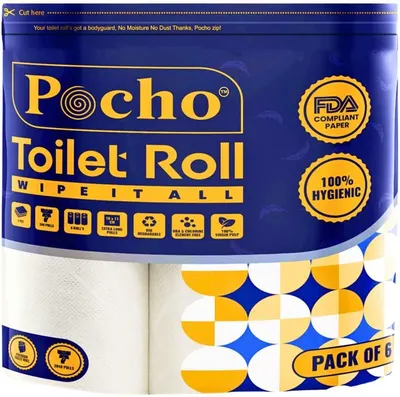
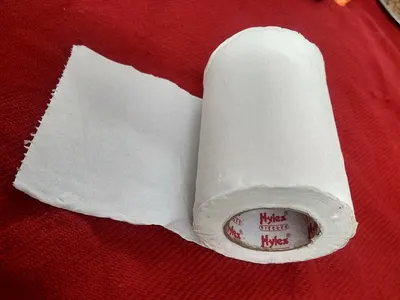
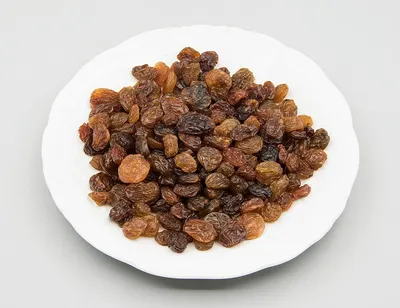
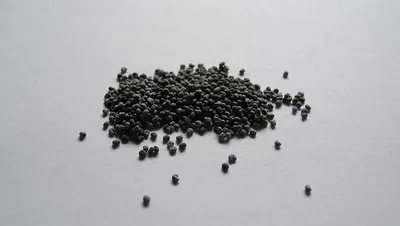
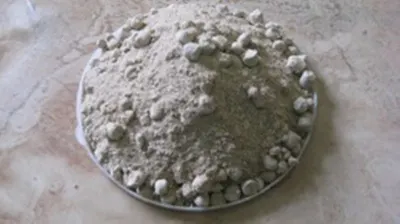
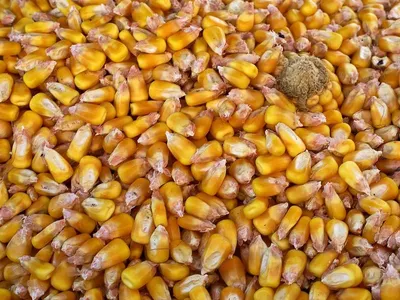
India, specifically Mumbai City in the state of Maharashtra, is the base of DNUMS INTERNATIONAL, which currently lists twelve active products in its export catalogue. The catalogue spans agricultural commodities such as yellow maize seeds (HS 1005.10), groundnut oil seed cake (HS 2304.00), cotton and soybean oil seed cakes (HS 2306.30 and 2304.00), castor oil seed cake (HS 2306.90), and a generic oil seed cake for animal feed (HS 1208.90). It also includes processed food items like dry raisins (HS 0806.20), organic jaggery (HS 1701.90), and tomato ketchup and sauces (HS 2103.20). Paper products are represented by tissue paper (HS 4803.00) and toilet paper (HS 4818.10). The listing further contains yellow maize corn (HS 1005.90) for grain trade. All listed items fall under standard HS code families for cereals, oilseed meals, dried fruit, sugar products, processed tomato preparations, and cellulose paper. The supplier’s product set reflects common Indian export categories that serve feed manufacturers, food processors, and paper distributors. No additional product lines beyond those twelve are indicated in the supplied data. The catalogue does not specify certifications, but the products are described as organic for certain items and as suitable for animal feed.
Product Range and Specialties of DNUMS INTERNATIONAL
The catalogue’s agricultural segment includes hybrid yellow maize seeds (Zea mays) typically marketed with moisture content below 14 % and germination rates above 85 % for HS 1005.10 and 1005.90. Oilseed cakes such as groundnut (HS 2304.00), cotton (HS 2306.30), soybean (HS 2304.00) and castor (HS 2306.90) are standard feed ingredients with protein levels ranging from 35 % to 48 % and low residual oil, while the generic oil‑seed cake (HS 1208.90) is often used as a bulk protein source. Dry raisins (HS 0806.20) are usually sold with moisture below 15 % and a minimum soluble solids content of 18 °Brix. Organic jaggery (HS 1701.90) is produced from sugarcane or palm and commonly graded by moisture (≤20 %) and purity (≥95 %). Paper products listed under HS 4803.00 and 4818.10 are typically supplied in rolls or reams with basis weights from 40 g m‑2 to 80 g m‑2 for tissue paper and 15 g m‑2 to 30 g m‑2 for toilet paper. The tomato ketchup and sauce (HS 2103.20) generally conforms to a Brix level of 28‑30 % and includes standard preservative limits for acidity and sodium. These industry specifications provide buyers with reference points for quality verification.
Frequently Asked Questions About DNUMS INTERNATIONAL
What HS codes are used for the maize seeds offered by DNUMS INTERNATIONAL?
Yellow maize seeds are listed under HS 1005.10, while yellow maize corn is under HS 1005.90. Both fall within the cereal grain chapter 10.
Can DNUMS INTERNATIONAL ship to the European Union under CIF terms?
Yes, the supplier can arrange CIF shipments from the port of Mumbai to EU ports; buyers should confirm the Incoterm and ensure that any EU-specific import permits are obtained in advance.
Which certifications should a buyer request for the oil‑seed cakes?
Buyers should request a phytosanitary certificate, a laboratory analysis showing protein content (35‑48 %) and moisture (<12 %), and, if organic claims are important, an organic certification document.
How are the paper products packaged for export?
Tissue paper (HS 4803.00) is typically packed in reams or bulk rolls, and toilet paper (HS 4818.10) in reams or multi‑pack cartons, with standard basis weights ranging from 40 g m‑2 to 80 g m‑2 for tissue and 15 g m‑2 to 30 g m‑2 for toilet paper.
What quality parameters are common for dry raisins?
Dry raisins are usually assessed for moisture content below 15 % and a soluble solids content of at least 18 °Brix, which are indicated on the certificate of analysis.
 Mumbai City, India
Related Suppliers & Products
Explore similar suppliers, related products and trending categories