Agriculture›
 Apparel and fashion accessories›
 Construction & real estate›💡Electronic & Electrical›🍎Food & Beverages›🛋️Home furnishing & supplies›⚗️Industrial goods & chemical›🪨Minerals & metals›📦Miscellaneous›Agriculture›Apparel and fashion accessories›Construction & real estate›💡Electronic & Electrical›🍎Food & Beverages›🛋️Home furnishing & supplies›⚗️Industrial goods & chemical›🪨Minerals & metals›📦Miscellaneous›
Jatin Enterprises Product Catalog


About Jatin Enterprises - Rice Supplier in India
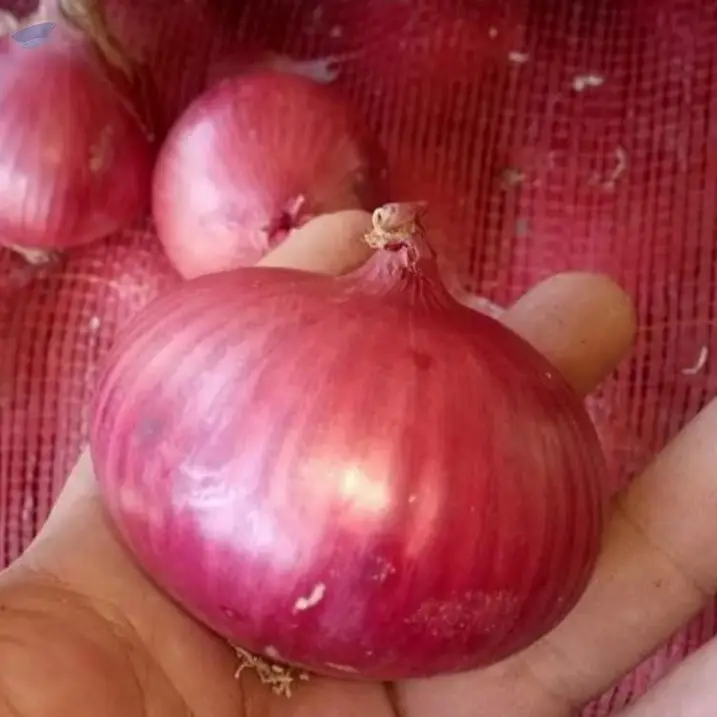
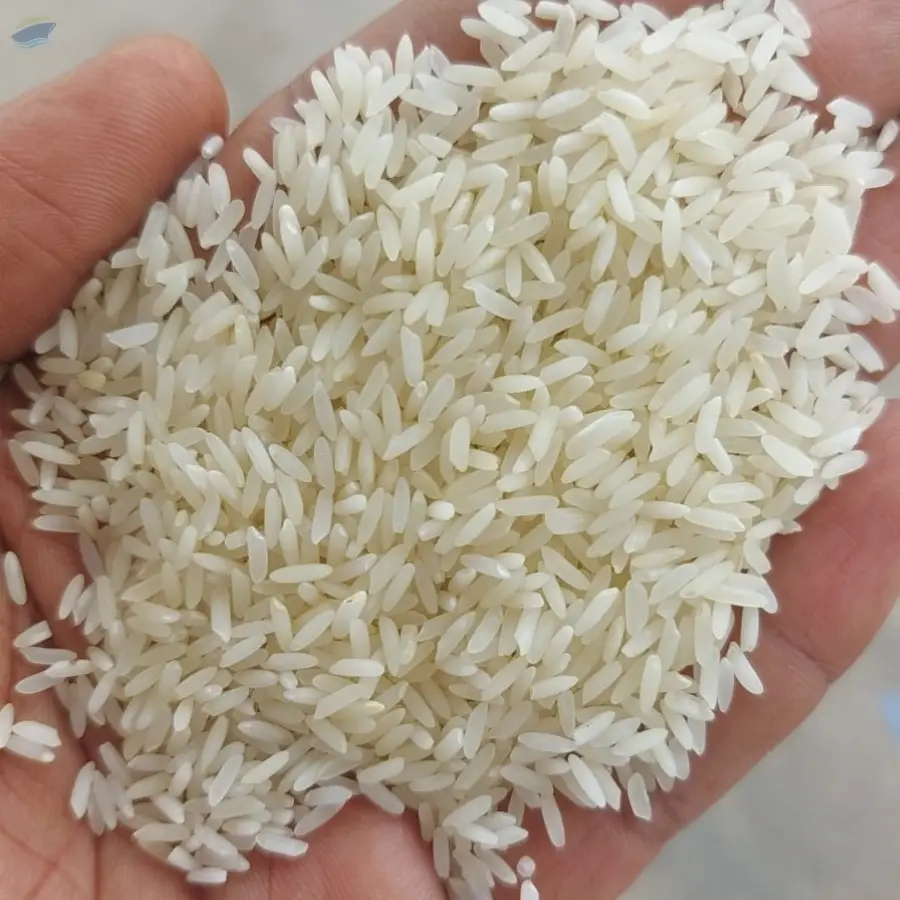
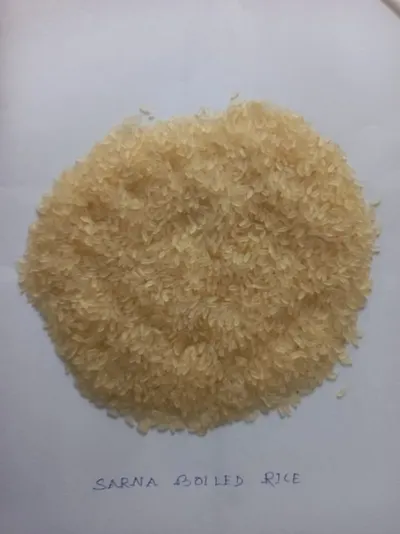
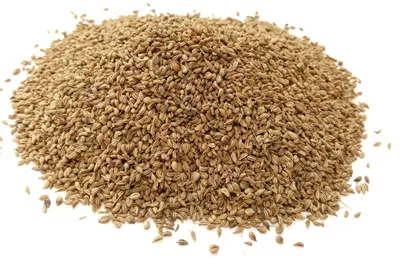
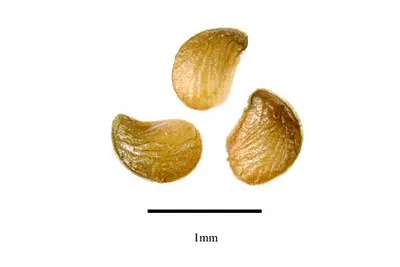
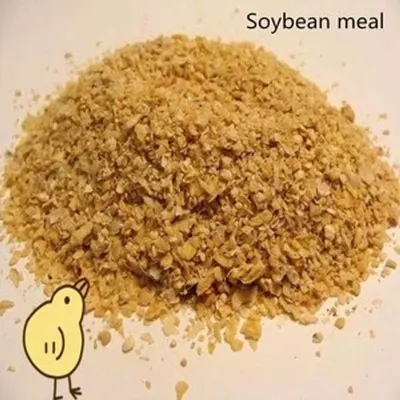
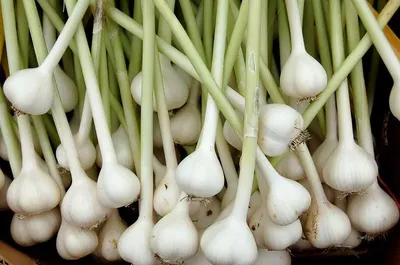
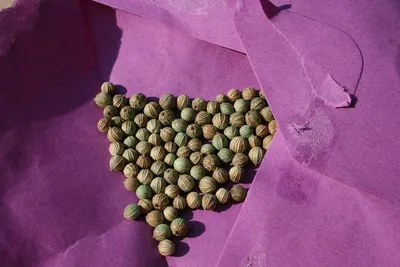
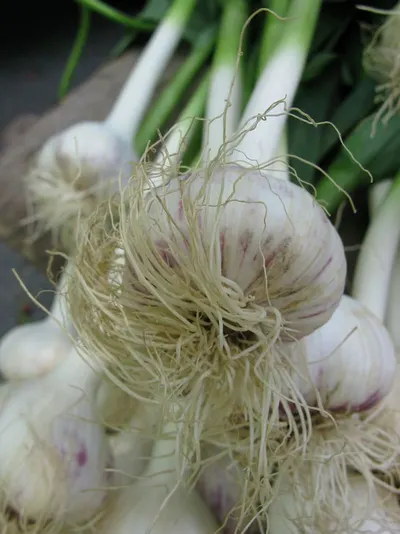
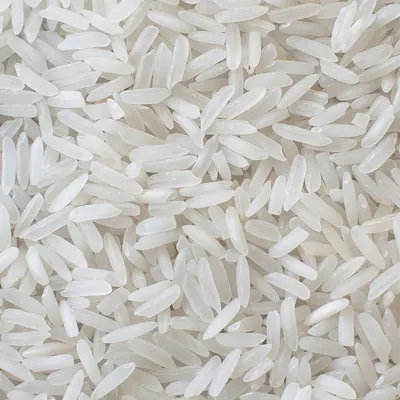
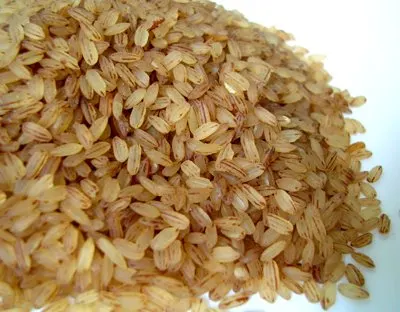
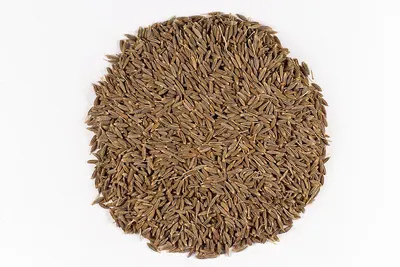
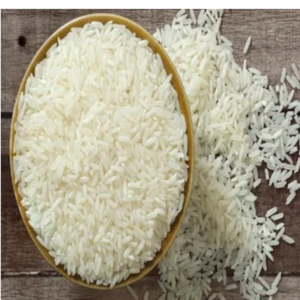
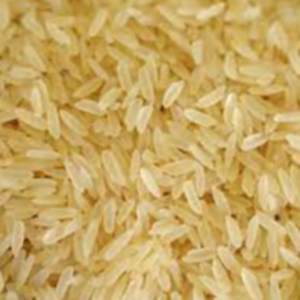
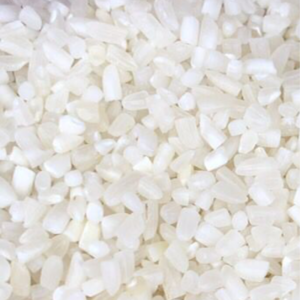
Jatin Enterprises operates from Pratapgarh in Rajasthan, India and currently lists 14 distinct agricultural products. The catalogue includes two rice items - IR64 variety and 100 % broken rice - as well as a selection of spices and seeds such as cumin, fenugreek, mustard, coriander, carom and soybeans. Fresh vegetable commodities are represented by red onion, white garlic and fresh garlic, while the herbal line adds Ashwagandha (Withania somnifera). Each product is identified by its common commercial name without additional branding or proprietary grades.
The listed commodities fall under standard HS‑code chapters used for Indian agricultural exports: rice (HS 1006), cumin and other spice seeds (HS 1207‑1209), mustard and coriander seeds (HS 1206‑1208), onion (HS 0703), garlic (HS 0704) and soybeans (HS 1202). The supplier’s catalogue does not specify individual HS codes, but the products align with these widely recognised tariff headings. This classification guides customs clearance and duty assessment for buyers importing the goods.
Product Range and Specialties of Jatin Enterprises
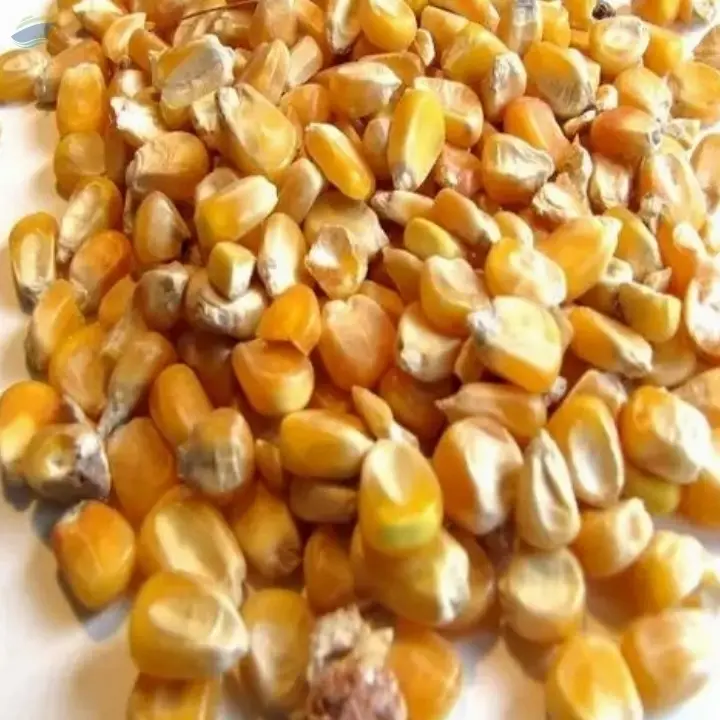
The product set covers staple cereals, spice seeds and fresh horticultural produce typical of Indian export portfolios. Rice IR64 is a medium‑grain, high‑yield variety commonly graded for moisture below 14 % and broken rice for particle size under 2 mm. Cumin, fenugreek, mustard, coriander, carom and soybeans are usually sold as whole seed, with industry grades requiring moisture under 13 % and absence of visible foreign matter. Fresh garlic and red onion are traded in size categories (e.g., garlic cloves >15 mm) and are often packed in 25 kg polypropylene bags or wooden crates for bulk shipment.
Buyers generally expect these items to meet Indian FSSAI standards and, for international markets, certifications such as ISO 22000 or HACCP. Typical packaging for bulk spices includes 50 kg jute bags, while rice is often shipped in 25 kg or 50 kg polypropylene bags. A 20 ft container can accommodate roughly 20 metric tons of rice or 18 tons of bulk spice seeds, and a 40 ft container roughly doubles those volumes.
Frequently Asked Questions About Jatin Enterprises
What HS codes are applicable to the products listed by Jatin Enterprises?
Rice and broken rice fall under HS 1006, cumin, fenugreek, mustard, coriander, carom and soybeans under HS 1207‑1209, red onion under HS 0703 and garlic under HS 0704. These codes are used for customs clearance and duty assessment.
Which certifications should a buyer request from the supplier?
Buyers should ask for a current phytosanitary certificate, FSSAI registration, and, if available, ISO 22000 or HACCP certification. These documents confirm compliance with food safety and export regulations.
What are the typical moisture limits for the spice seeds and rice?
Industry standards usually require moisture below 14 % for rice and below 13 % for dried spice seeds such as cumin, mustard and coriander. Moisture is verified by laboratory analysis before shipment.
How are fresh garlic and red onion typically packed for export?
Fresh garlic and red onion are commonly packed in ventilated wooden crates or polypropylene boxes, often with insulation to maintain temperature and prevent sprouting during sea transit.
What container size is standard for shipping the listed commodities?
A 20 ft container can hold approximately 20 metric tons of rice or 18 tons of bulk spice seeds; a 40 ft container roughly doubles those capacities. Container loading is planned according to bag weight and volume.
 Pratapgarh, India
Related Suppliers & Products
Explore similar suppliers, related products and trending categories
.jpg.png)