Agriculture›
 Apparel and fashion accessories›
 Construction & real estate›💡Electronic & Electrical›🍎Food & Beverages›🛋️Home furnishing & supplies›⚗️Industrial goods & chemical›🪨Minerals & metals›📦Miscellaneous›Agriculture›Apparel and fashion accessories›Construction & real estate›💡Electronic & Electrical›🍎Food & Beverages›🛋️Home furnishing & supplies›⚗️Industrial goods & chemical›🪨Minerals & metals›📦Miscellaneous›
Neeraj Traders Product Catalog
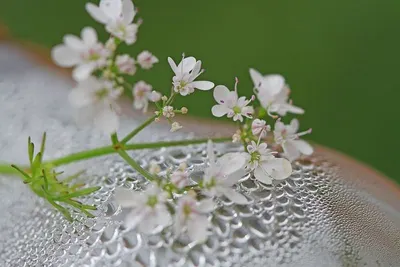
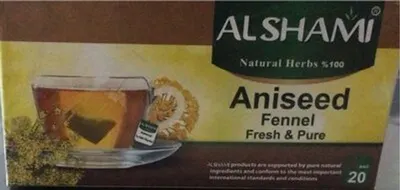
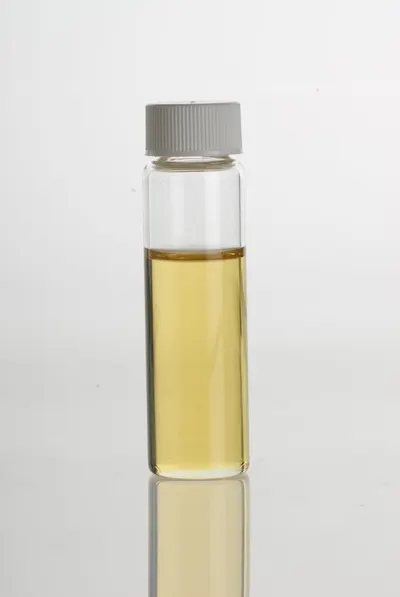
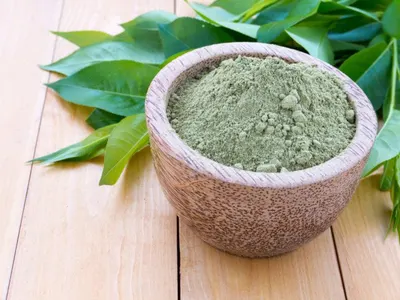
About Neeraj Traders - Herbs Supplier in India
Neeraj Traders operates from Jaipur in the state of Rajasthan, India and currently lists 181 distinct products across its catalogue. The supplier’s top categories include Herbs, Medicinal Herbs, Herbal Products, Essential Oils, Dried Flowers, Resin, Gum Resin, and Cumin Seeds. Each product entry is identified by its specific material type, such as essential oils, powdered clays, dried botanical resins, and various seed varieties. The catalogue also contains items without HS codes, reflecting a broad assortment of raw and processed botanical goods. This overview reflects only the categories and product types explicitly provided in the supplier data.
The detailed product list features items such as Essential Oil, Ratan Jot Alkanet Root, Natural Shellac, and Ayurvedic Bhasma among others. Three entries include HS codes: Bentonite Clay Powder (HS 2508.10, natural montmorillonite), White Kaolin Clay Powder (HS 2507.00, refined white kaolin), and Spicy Dried Asafoetida (HS 0910.99, dried gum resin). Additional products include Pure Menthol Crystal, White and Black Sesame Seeds, Ashoka Bark, and various dried leaves and seeds. The supplier’s catalogue also mentions agricultural inputs like Square Cocopeat Block and food items such as Moong Dal Masala Pappadam. All product references are taken directly from the supplied facts.
Product Range and Specialties of Neeraj Traders
Neeraj Traders’ catalogue covers essential oils, botanical powders, dried herbs, seeds, and resinous gums. In the essential oil market, buyers typically look for ISO 9235 compliance, with purity grades expressed as a percentage of active constituents such as linalool or eucalyptol. Dried herbs and flowers are usually graded by moisture content (often below 12%) and foreign matter limits defined in USP or WHO monographs. The two clay powders fall under standard mineral specifications: bentonite is commonly sold with a minimum 85% montmorillonite content, while white kaolin is graded by brightness (ISO 9276) and impurity limits below 1% iron oxide. Dried asafoetida resin is generally evaluated for volatile oil content, which industry standards place at 30‑40% for premium grades.
Frequently Asked Questions About Neeraj Traders
What product categories does Neeraj Traders list?
The supplier lists Herbs, Medicinal Herbs, Herbal Products, Essential Oils, Dried Flowers, Resin, Gum Resin, and Cumin Seeds, with individual items ranging from essential oils to powdered clays.
Which HS codes are associated with the catalogue items?
Three products have HS codes: Bentonite Clay Powder (2508.10), White Kaolin Clay Powder (2507.00), and Spicy Dried Asafoetida (0910.99). Other items are listed without HS codes.
What specifications are typical for the clay powders?
Bentonite is usually required to contain at least 85% montmorillonite, while white kaolin is graded for brightness and impurity levels below 1% iron oxide, with particle size under 2 µm.
Which certifications should a buyer request for herbal products?
Buyers commonly ask for ISO 9001, GMP, and, where relevant, organic certification, as well as a Certificate of Analysis covering moisture, ash, and active ingredient content.
What are common packaging formats for seeds and spices?
Seeds and spices are typically packed in food‑grade polypropylene bags of 25 kg, while bulk shipments may be palletized in 1 ton cartons for container loading.
 Jaipur, India
Related Suppliers & Products
Explore similar suppliers, related products and trending categories