KSD Interfoods Vietnam Co., Ltd — Verified Supplier
About KSD Interfoods Vietnam Co., Ltd - Canned Fish Supplier in Viet Nam
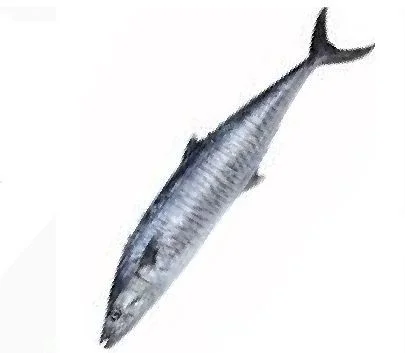
KSD Interfoods Vietnam Co., Ltd operates in Viet Nam and lists seven active products. The catalogue focuses on canned fish, including tuna and bonito, classified under the HS‑code 1604.14 family for fish canned in oil or sauce. The supplier’s top categories are Canned Fish, Fish and Canned Food. All listed items fall within the canned fish segment that is subject to standard food safety regulations for processed seafood. The company’s product set includes both skipjack tuna and bonito varieties, primarily packed in oil.
The product list comprises Canned Tuna in Olive Oil, Light Meat Tuna Chunk with Chilli, Canned Bonito in Oil, Canned Skipjack Tuna Chunk in Vegetable Oil, Canned Solid Tuna, Canned Bonito (tinplate can, oil) and Salad Tuna. Where HS codes are provided, each aligns with 1604.14, indicating sealed containers with added oil. Materials specified include Skipjack Tuna (Katsuwonus pelamis), Bonito (Sarda spp.) and Tuna (Thunnus albacares). Some entries lack explicit HS code or material details, but they remain within the same canned fish classification.
Product Range and Specialties of KSD Interfoods Vietnam Co., Ltd
The catalogue presents seven canned fish SKUs, all falling under the 1604.14 HS code for fish canned in oil. Products are based on skipjack tuna, yellowfin tuna (Thunnus albacares) and bonito, typically packed in tinplate cans with oil types such as olive oil or vegetable oil. In the canned tuna market, common grades include moisture content below 2 % and a typical net weight ranging from 140 g to 250 g per can. Buyers often encounter variants such as solid chunks, flaked meat, and seasoned versions like the chilli‑spiced tuna chunk.
Industry standards for canned fish require compliance with HACCP‑based safety plans, limits on histamine (≤200 mg kg⁻¹) and mercury (≤0.5 ppm) as per Codex Alimentarius. Common certifications sought by importers include ISO 22000, BRC Global Standard for Food Safety and SQF Level 2. Packaging specifications frequently call for tinplate cans with a minimum wall thickness of 0.2 mm, equipped with easy‑open pull tabs, and sealed to ensure a shelf life of 24 - 36 months.
Trade and Export Information - KSD Interfoods Vietnam Co., Ltd
Vietnam is a major exporter of canned tuna and bonito, with the majority of shipments destined for the European Union, United States, Japan and Middle‑East markets. The 1604.14 HS code is routinely inspected by customs authorities for compliance with food safety documentation, including health certificates, origin declarations and, where required, a certificate of free sale. Export logistics typically involve 20‑ft or 40‑ft containers, each holding between 1,800 and 2,200 standard 185 g cans, and are shipped under Incoterms such as FOB or CIF.
Importers generally require proof of HACCP implementation, ISO 22000 or BRC certification, and laboratory test reports covering microbiological limits, heavy‑metal residues and oil quality. Vietnamese canned fish producers often work with local certification bodies to obtain these documents, facilitating smoother customs clearance. Buyers should also verify that the tinplate cans meet ASTM A240 specifications and that oil used complies with EU regulations on edible oils.
Sourcing from KSD Interfoods Vietnam Co., Ltd - Buyer Guidance
When sourcing canned tuna or bonito from KSD Interfoods, buyers should request the latest HACCP plan, ISO 22000 or BRC audit reports, and product test certificates for histamine, mercury and microbiological criteria. Samples of each SKU - for example the olive‑oil tuna or chilli‑spiced chunk - allow verification of oil flavor, meat texture and can integrity before a full order is placed.
Confirm the can dimensions, net weight and oil type match the buyer’s market specifications, and ensure that the packaging includes the required label information such as country of origin, nutrition facts and best‑before date. Lead times for Vietnamese canned fish typically range from 30 to 45 days after order confirmation, subject to production scheduling and container availability.
Frequently Asked Questions About KSD Interfoods Vietnam Co., Ltd
What canned fish products does KSD Interfoods Vietnam offer?
The supplier lists seven SKUs, including Canned Tuna in Olive Oil, Light Meat Tuna Chunk with Chilli, Canned Bonito in Oil, Canned Skipjack Tuna Chunk in Vegetable Oil, Canned Solid Tuna, Canned Bonito (tinplate can, oil) and Salad Tuna. All products fall under HS code 1604.14 and are based on skipjack tuna, bonito or yellowfin tuna.
Which HS code applies to the listed canned fish items?
Each product that specifies a code uses HS 1604.14, which covers fish canned in oil or sauce in sealed containers. Items without an explicit HS code are still classified in the same 1604.14 family based on product description.
What oil types are used in the canned fish products?
The catalogue mentions olive oil for the tuna in olive oil, vegetable oil for the skipjack chunk and bonito in oil, and a generic oil for other variants. Oil type influences flavor profile and may affect compliance with regional edible‑oil standards.
What certifications should a buyer request from KSD Interfoods?
The supplier’s facts do not list any certifications, so buyers should request HACCP, ISO 22000, BRC or SQF certificates that are standard for processed seafood. Additional certificates such as Halal or Kosher may be needed depending on the target market.
What are typical packaging specifications for these canned fish products?
Cans are described as tinplate (EOE) and are commonly produced with a wall thickness of at least 0.2 mm, equipped with pull‑tab lids, and packed in 20‑ft or 40‑ft containers. Standard net weights range from 140 g to 250 g per can, with a typical shelf life of 24 - 36 months.
Which markets commonly import Vietnamese canned tuna and bonito?
Main import destinations include the European Union, United States, Japan, Middle‑East countries and other ASEAN members. These regions usually require food‑safety certificates and compliance with Codex limits for histamine and heavy metals.




 , Viet Nam