Krupa Exporter — Verified Supplier
About Krupa Exporter - Tiles Supplier in India
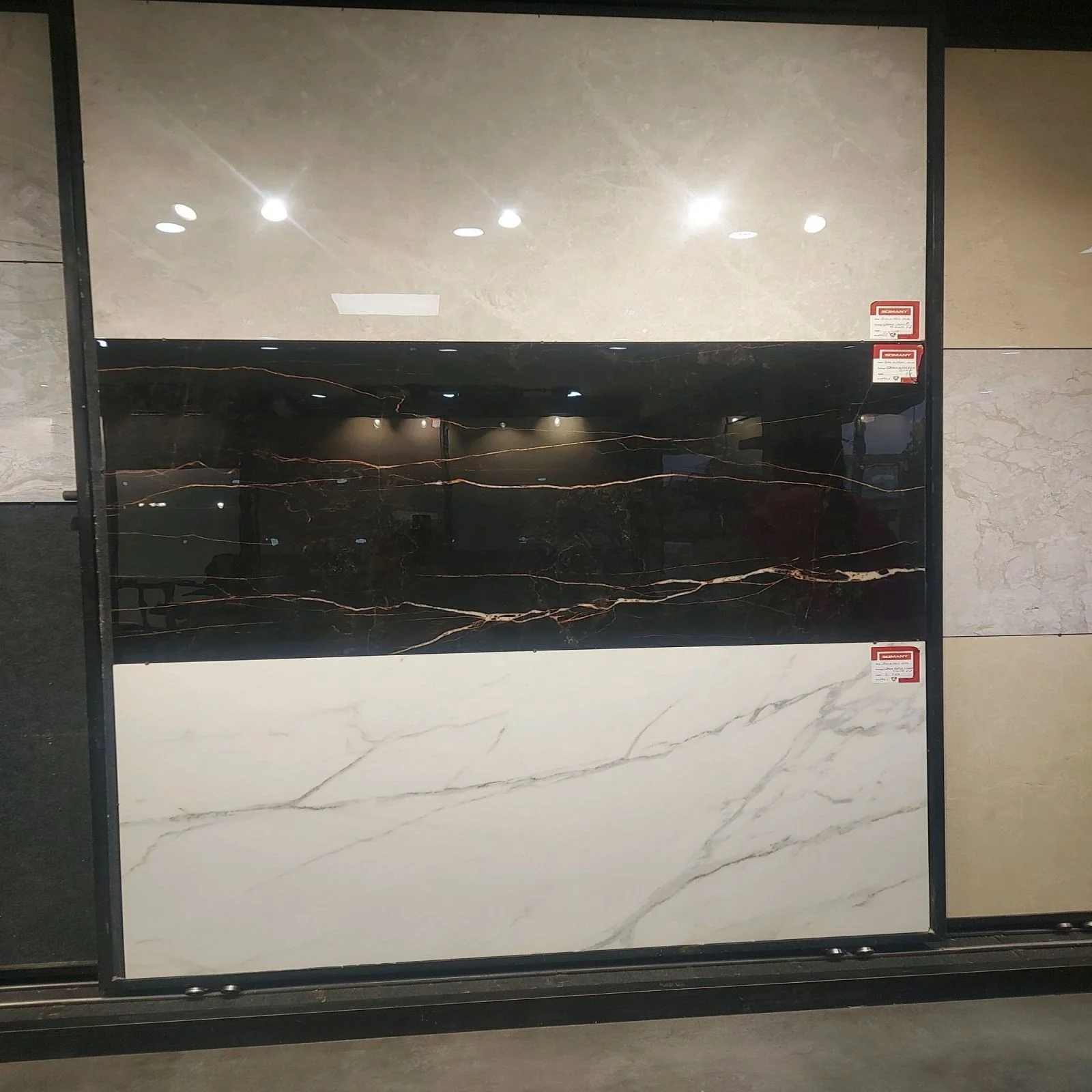
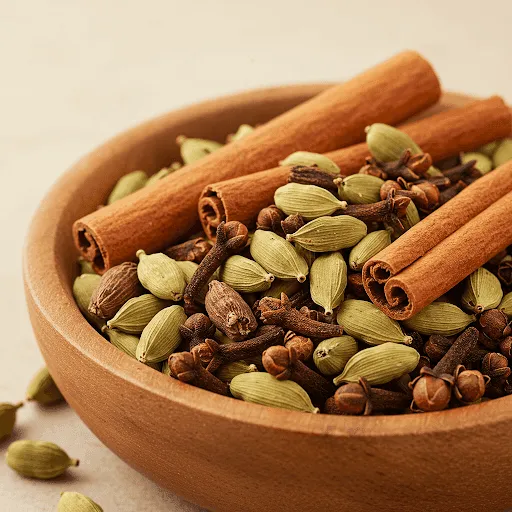
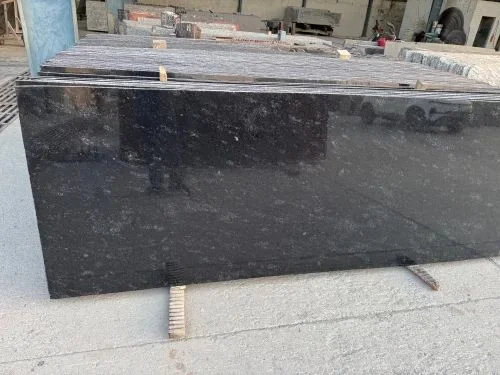
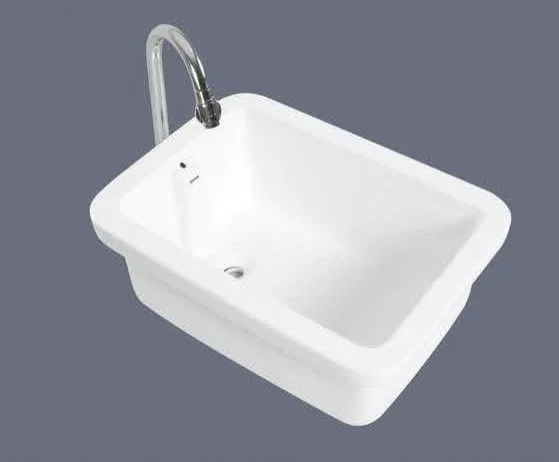
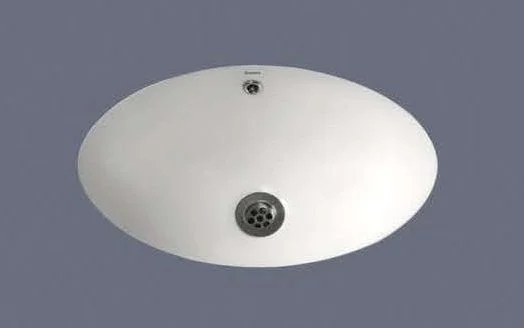
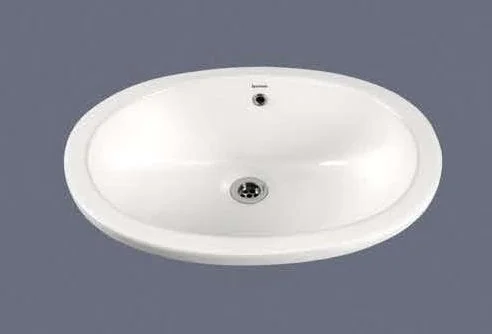
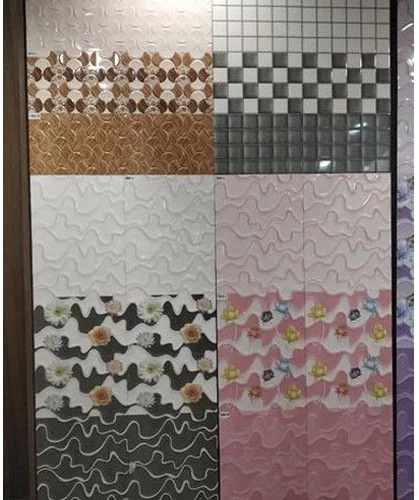
Krupa Exporter, located in India, offers a diverse range of products, with 67 active products in its catalogue. The company's primary product categories include Tiles, Sinks, Washbasins, Countertops, Floor Tiles, Sesame Seeds, Spices, Toilet Seats, Nutmegs, and Porcelain Tiles. The catalogue features various tile products, such as 300X600MM High Depth Elevation and 600X1200MM Glazed Porcelain Tiles, as well as sink and washbasin products like New Collection 536 Wash Basin. Krupa Exporter's product range also includes a variety of spice seeds, including Coriander Seed, Black Sesame Seed, and Organic Jeera Cumin Seeds.
Krupa Exporter's product range is characterized by its diversity, with products catering to different industries and regions. The company's tile products, for instance, are suitable for flooring and wall decoration, while its sink and washbasin products are designed for bathroom fixtures. The spice seeds, on the other hand, are used in various culinary and medicinal applications. Exporters of tiles and sanitary ware from India typically supply their products to regions like the Middle East, Africa, and Southeast Asia, where there is a high demand for construction and renovation materials.
Product Range and Specialties of Krupa Exporter
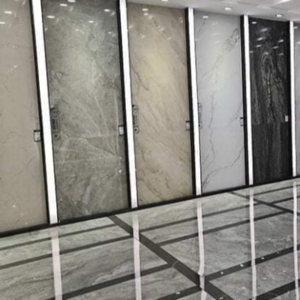
Krupa Exporter's product range includes various types of tiles, such as porcelain, ceramic, and glazed tiles, which are commonly used in flooring, wall decoration, and bathroom fixtures. The company's tile products are available in different sizes, including 300X600MM, 600X600MM, and 600X1200MM, and are characterized by their quality and durability. Buyers of tiles and sanitary ware typically require certifications like ISO 9001 and ISO 14001, which ensure that the products meet international quality and environmental standards.
The spice seeds offered by Krupa Exporter are also of quality, with specifications like moisture content, purity, and germination rate being critical factors in determining their quality. Buyers of spice seeds usually require test reports and certificates of origin to ensure that the products meet their requirements. The company's product range is enriched by its knowledge of the industry, with typical grades and standard specifications for the categories being well-established.
Trade and Export Information - Krupa Exporter
Exporters of tiles and sanitary ware from India, like Krupa Exporter, typically use Incoterms like FOB and CIF, which determine the delivery and payment terms. The HS code families involved in the export of these products include 6907, 6910, and 7324, which cover ceramic and porcelain products, as well as sanitary ware. The certifications commonly required for these products include ISO 9001, ISO 14001, and CE marking, which ensure that the products meet international quality, environmental, and safety standards.
The regions that typically import tiles and sanitary ware from India include the Middle East, Africa, and Southeast Asia, where there is a high demand for construction and renovation materials. The packaging and logistics norms for these products usually involve palletization, containerization, and sea freight, with the origin country's export context being critical in determining the shipping terms and delivery schedules.
Sourcing from Krupa Exporter - Buyer Guidance
When sourcing from Krupa Exporter, buyers should request specifications, test reports, and certificates of origin to ensure that the products meet their requirements. The company's product range is diverse, and buyers should verify the quality and durability of the products before ordering. The certifications and documents required for the products, like ISO 9001 and CE marking, should also be confirmed before placing an order.
Buyers should also be aware of the typical quality parameters and tests for the products, like moisture content, purity, and germination rate for spice seeds, and water absorption and bending strength for tiles. The MOQ and lead time for the products should also be confirmed, with the packaging and shipping terms being critical in determining the delivery schedules and costs.
Frequently Asked Questions About Krupa Exporter
What is the primary product category of Krupa Exporter?
The primary product category of Krupa Exporter is Tiles, with the company offering a diverse range of tile products, including porcelain, ceramic, and glazed tiles.
What are the typical grades and standard specifications for tiles?
The typical grades and standard specifications for tiles include water absorption, bending strength, and slip resistance, with certifications like ISO 9001 and CE marking being commonly required.
What is the HS code family for ceramic and porcelain products?
The HS code family for ceramic and porcelain products is 6907, which covers a broad selection of products, including tiles, sanitary ware, and tableware.
What are the regions that typically import tiles and sanitary ware from India?
The regions that typically import tiles and sanitary ware from India include the Middle East, Africa, and Southeast Asia, where there is a high demand for construction and renovation materials.
What are the certifications commonly required for spice seeds?
The certifications commonly required for spice seeds include ISO 9001, ISO 14001, and organic certification, which ensure that the products meet international quality, environmental, and safety standards.
What is the MOQ for Krupa Exporter's products?
The MOQ for Krupa Exporter's products varies depending on the product category, with the company's sales team being able to provide more information on the minimum order quantities and lead times.
How do I request a sample or test report from Krupa Exporter?
Buyers can request a sample or test report from Krupa Exporter by contacting the company's sales team, who will be able to provide more information on the sampling and testing procedures.
What is the packaging and shipping norm for Krupa Exporter's products?
The packaging and shipping norm for Krupa Exporter's products usually involves palletization, containerization, and sea freight, with the origin country's export context being critical in determining the shipping terms and delivery schedules.




 , India