Krishi Enterprises — Verified Supplier
About Krishi Enterprises - Turmeric Supplier in India
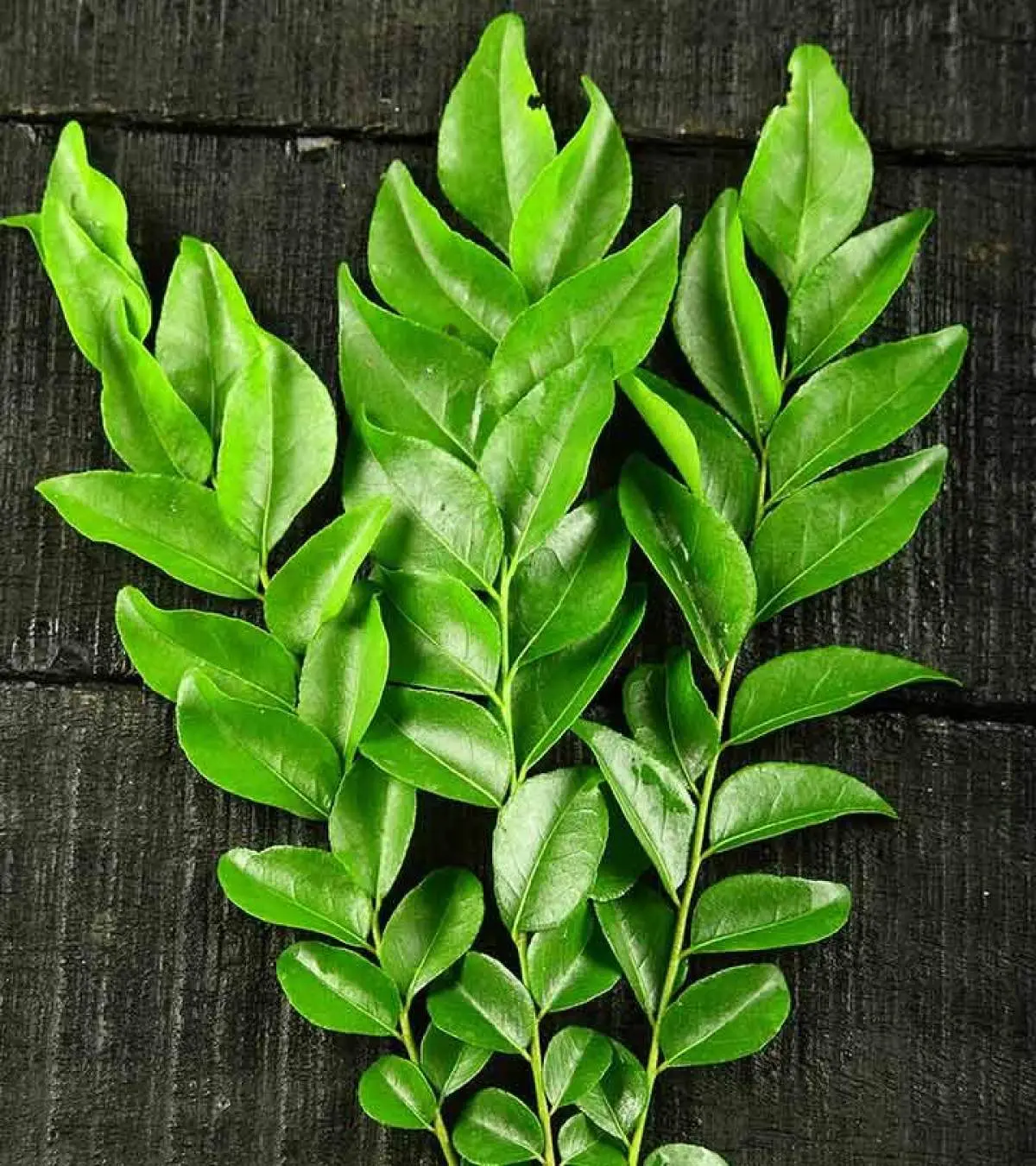
Krishi Enterprises operates from India and currently lists six active products in its catalogue. The portfolio includes chilli, turmeric, pepper, curry powder or paste, mango pulp and green cardamom, which are grouped under the spice and fruit pulp categories. These items are classified in HS Chapter 09 for spices and HS Chapter 20 for fruit pulp, the standard tariff headings used by customs authorities worldwide. The supplier is recorded as an imported tier with a harbor trust rating, indicating that it is sourced through established trade channels.
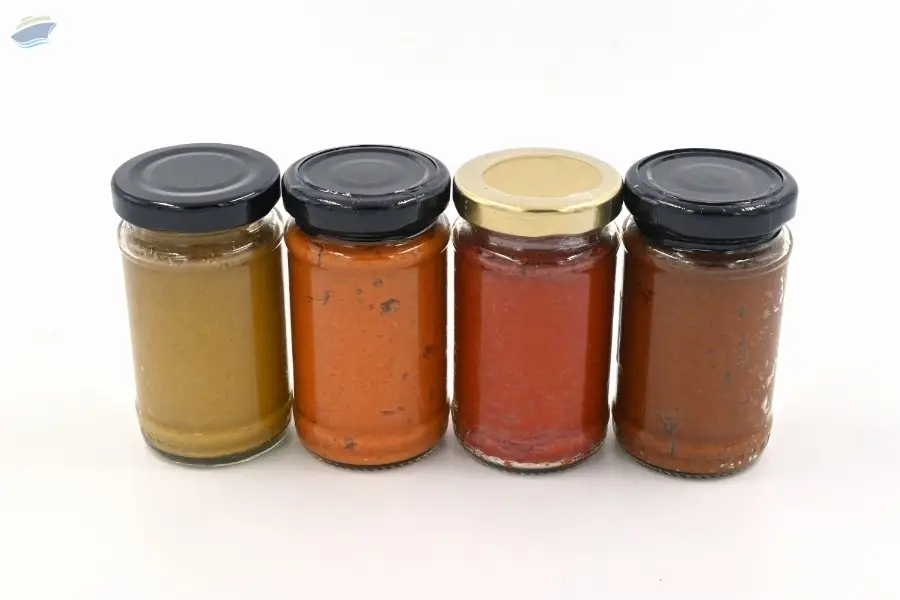
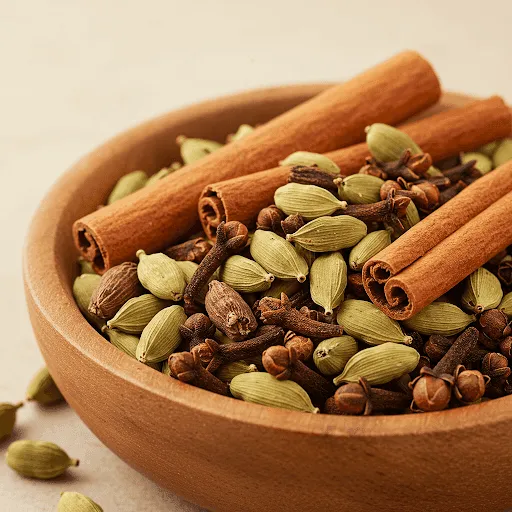
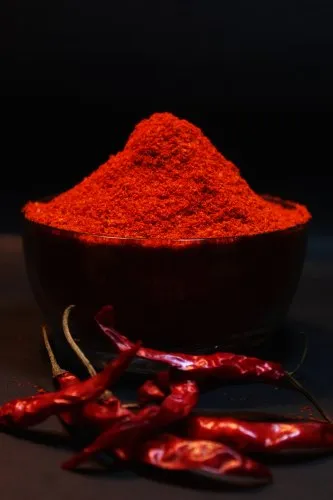
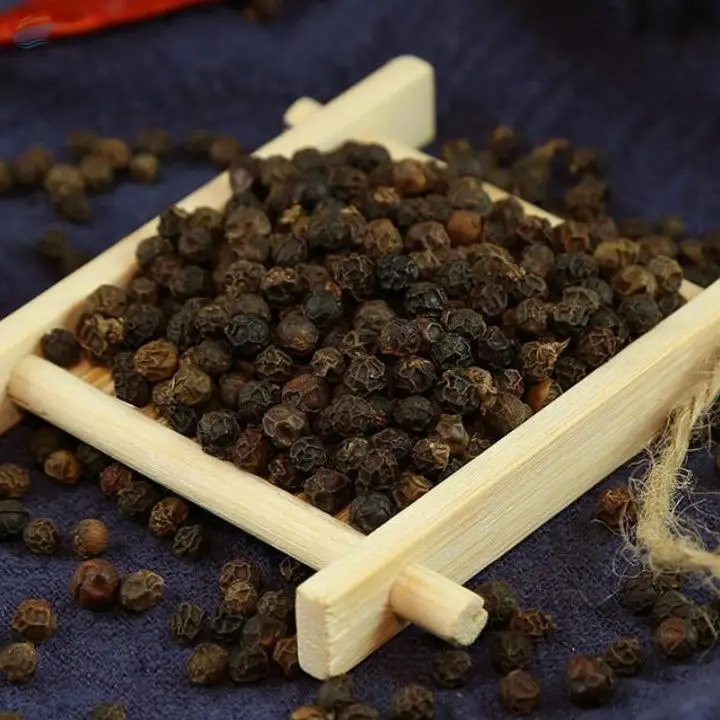
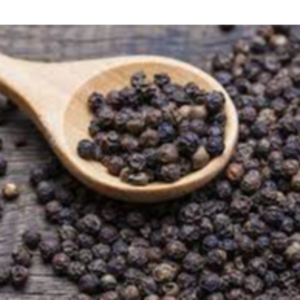
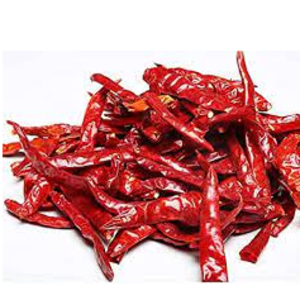
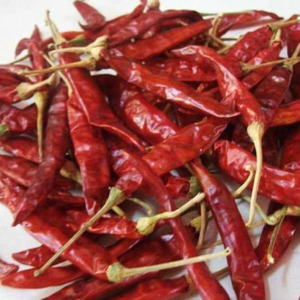
The catalogue reflects a focus on both whole and processed spice ingredients. Chilli is offered as dried pods, turmeric appears as ground powder, and pepper is listed as whole black peppercorns. Curry powder or paste is presented as a blended spice preparation, while mango pulp is supplied as a concentrated fruit puree. Green cardamom is provided as whole pods, a premium form used in both culinary and pharmaceutical applications. Each product aligns with typical export documentation requirements for Indian spice producers, such as phytosanitary certificates and origin declarations.
Product Range and Specialties of Krishi Enterprises
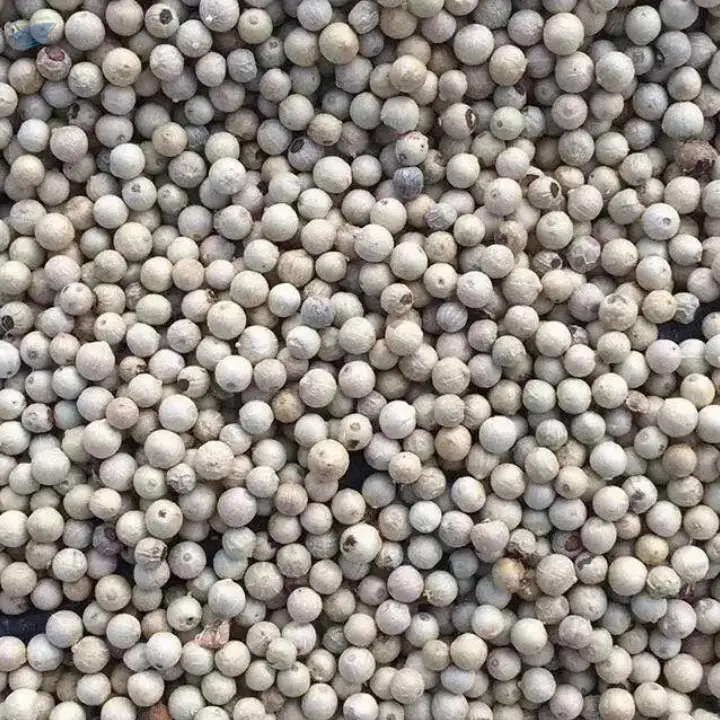
Krishi Enterprises’ product list covers the main segments of the Indian spice market. In the spice sector, chilli grades are often described by Scoville heat units, moisture content below 12 % and a uniform red colour. Turmeric powder is commonly evaluated on curcumin content (typically 3 - 5 %), ash level under 10 % and moisture below 8 %. Black pepper is graded by size (e.g., S, M, L) and moisture under 13 %, with a characteristic pungency measured by piperine content. Curry powder blends usually combine multiple ground spices and are assessed for blend uniformity and microbial limits. Mango pulp is exported as a concentrated puree with soluble solids around 20 % Brix, low acidity and a shelf‑life of 12 months in aseptic packaging. Green cardamom is traded as whole pods, with moisture under 10 % and a distinctive essential oil content of 5 - 8 % for flavor applications.
Trade and Export Information - Krishi Enterprises
Indian spice exporters typically serve markets in the European Union, the United States, the Middle East and Southeast Asia, where demand for authentic flavor ingredients remains strong. HS 0904 covers chilli, pepper and other dried spices, while HS 0910 applies to turmeric, and HS 2009 to fruit pulps such as mango. Buyers often require certifications such as ISO 22000, FSSC 22000, HACCP and, where applicable, organic or fair‑trade verification. Standard export packaging includes multi‑wall jute bags (25 kg) for bulk spices, PET drums for mango pulp and sealed cartons for blended products, with container loads ranging from 20‑ft (≈18 tonnes) to 40‑ft (≈35 tonnes). Incoterms most frequently used are FOB Indian ports (e.g., Mumbai, Nhava Sheva) and CIF to destination ports, with freight forwarders handling phytosanitary inspections at the point of entry.
Sourcing from Krishi Enterprises - Buyer Guidance
When sourcing from Krishi Enterprises, buyers should request a Certificate of Analysis for each spice batch, confirming moisture, ash, piperine or curcumin levels and microbial limits. A recent phytosanitary certificate and a declaration of origin are standard documents for customs clearance. For mango pulp, a Brix measurement report and a shelf‑life stability test are advisable before confirming large volumes. Samples in the same packaging as the commercial lot (e.g., 1 kg jute bag for spices, 1 L PET container for pulp) enable verification of colour, aroma and particle size. Verify that the supplier can provide traceability records linking the product to the specific Indian state of cultivation, which is commonly required by EU and US import regulators.
Frequently Asked Questions About Krishi Enterprises
What spice products does Krishi Enterprises list in its catalogue?
The catalogue includes dried chilli pods, ground turmeric powder, whole black peppercorns, a blended curry powder or paste, mango fruit pulp and whole green cardamom pods.
Which HS codes are applicable to the listed products?
Chilli, pepper and curry blends fall under HS 0904, turmeric under HS 0910, and mango pulp under HS 2009, which are the standard tariff headings used for customs classification.
What quality parameters should a buyer verify for turmeric?
Typical verification includes curcumin content (3 - 5 %), moisture below 8 %, ash content under 10 % and compliance with microbiological limits such as total plate count <10⁴ CFU/g.
How is mango pulp usually packaged for export?
Exporters commonly use aseptic PET drums or multilayer cartons with a Brix level around 20 %, sealed to prevent oxidation and labeled with batch and origin details.
What certifications are commonly required for Indian spices?
Buyers often request ISO 22000 or FSSC 22000 food safety certification, HACCP compliance and, where relevant, organic or fair‑trade certificates, in addition to a phytosanitary certificate.
What are typical container sizes for shipping the listed spices?
A 20‑foot container can hold approximately 18 tonnes of bulk spices in 25 kg jute bags, while a 40‑foot container can accommodate about 35 tonnes, depending on product density and packaging.
What documentation should be obtained before placing an order?
Buyers should obtain a Certificate of Analysis, phytosanitary certificate, origin declaration and, if required by the destination market, any specific import permits or compliance certificates.




 , India




.jpg.png)