Agriculture›
 Apparel and fashion accessories›
 Construction & real estate›💡Electronic & Electrical›🍎Food & Beverages›🛋️Home furnishing & supplies›⚗️Industrial goods & chemical›🪨Minerals & metals›📦Miscellaneous›Agriculture›Apparel and fashion accessories›Construction & real estate›💡Electronic & Electrical›🍎Food & Beverages›🛋️Home furnishing & supplies›⚗️Industrial goods & chemical›🪨Minerals & metals›📦Miscellaneous›
Kizuna Trading Company Limited
⚓ Harbor , Viet NamNew supplier / no reviews yet
Kizuna Trading Company Limited Product Catalog
About Kizuna Trading Company Limited - Dehydrated Fruits Supplier in Viet Nam
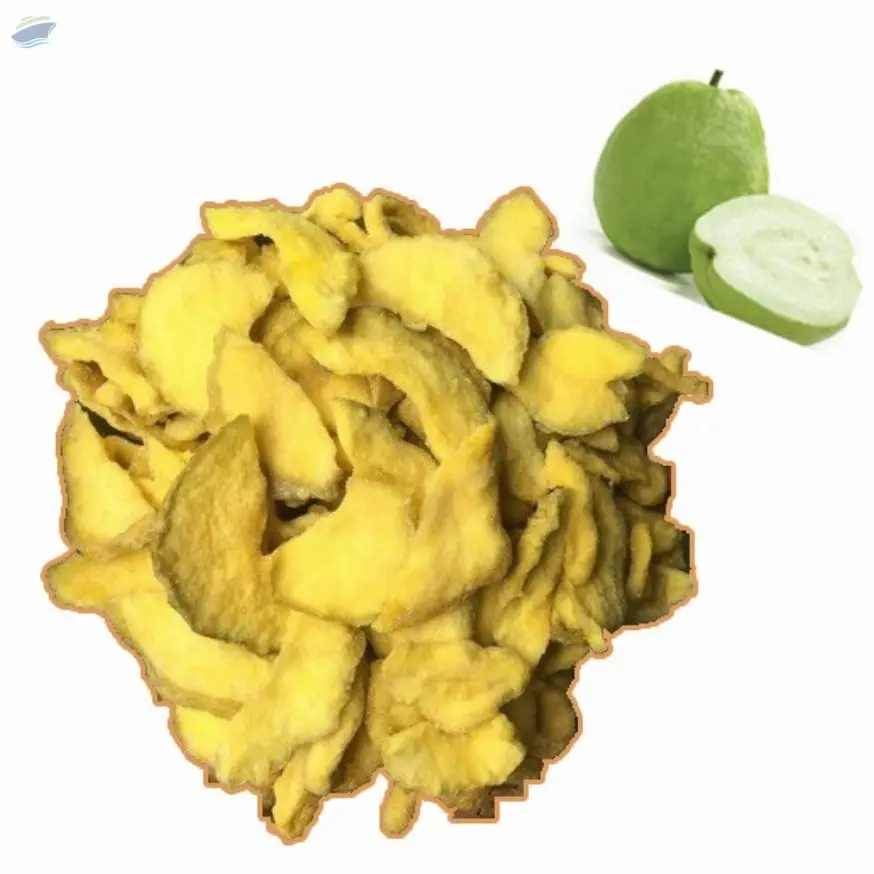
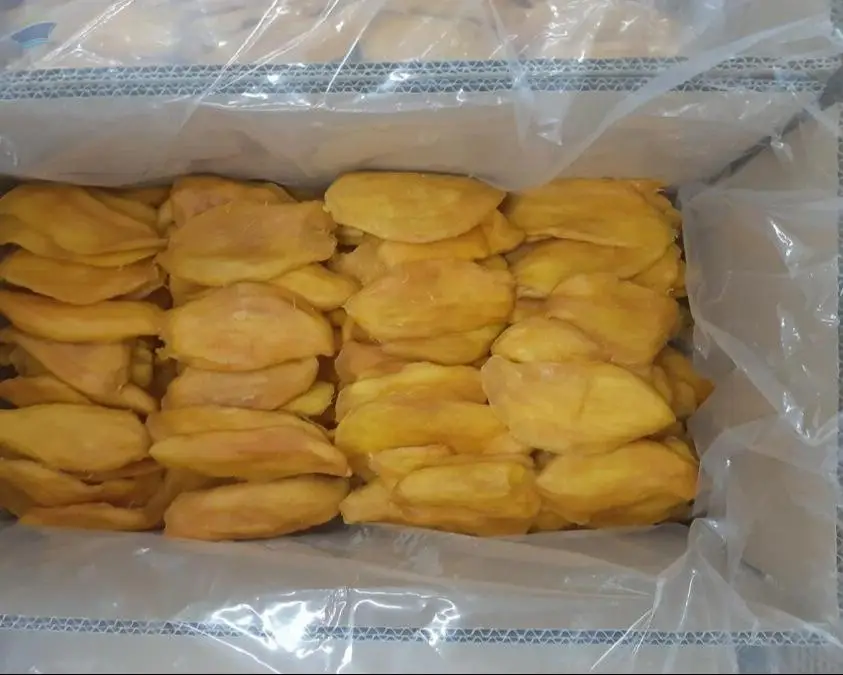
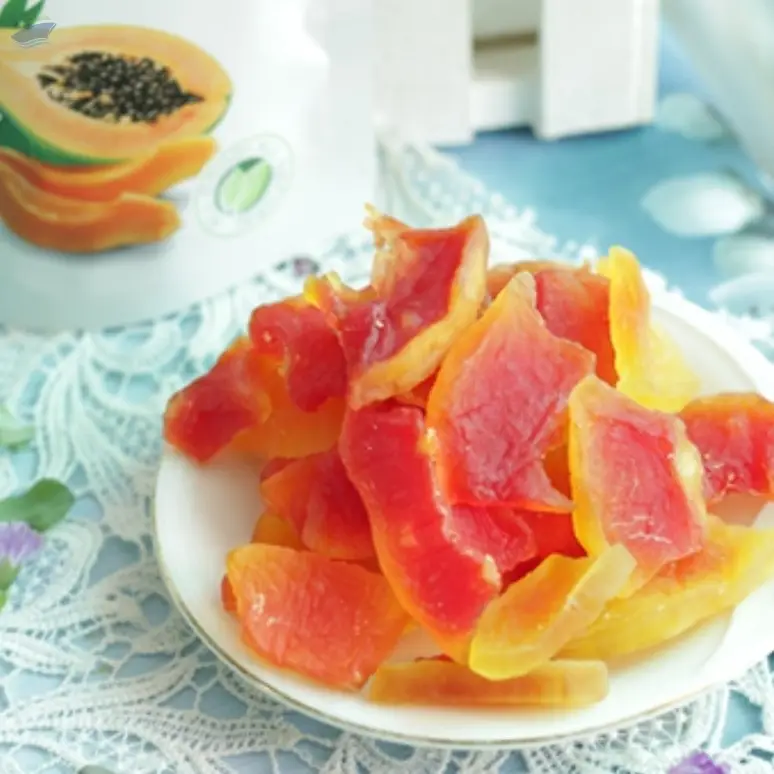
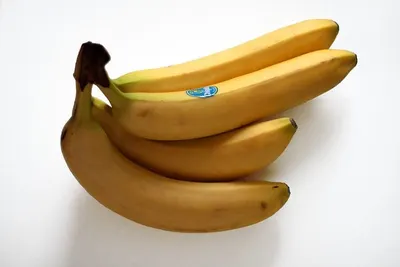
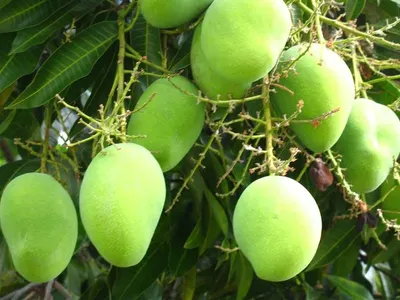
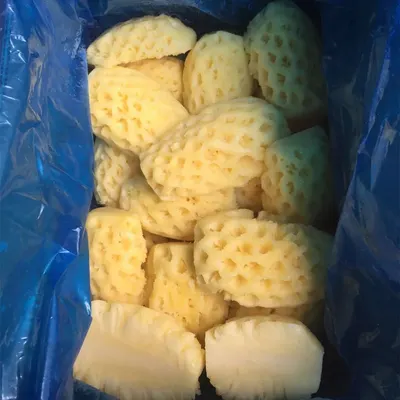
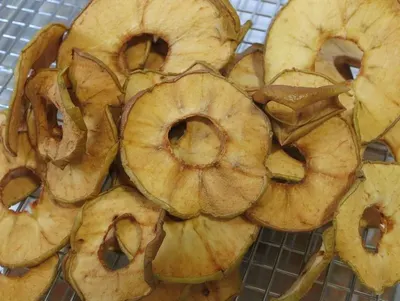
Based in Thành phố Hồ Chí Minh, Viet Nam, Kizuna Trading Company Limited lists 12 active products across dehydrated fruit and processed fruit categories. The catalogue includes natural dried mango (HS 0804.50), dried pineapple (HS 0803.00), dried papaya (HS 0807.20) and dried guava (HS 0810.90), all sourced from fresh low‑sugar fruit. It also offers crispy dried banana (HS 2008.99) and jackfruit (HS 0813.50) where a small proportion of vegetable oil is used for texture. In addition, the supplier lists soft‑dried mango, pineapple, papaya, guava and crispy‑dried banana and jackfruit without HS codes in the published data. These items fall under the broader HS chapters 08 (fresh fruit) and 20 (prepared fruit).
The product set reflects a focus on low‑sugar, natural fruit snacks that meet typical organic‑tier expectations. Each dried fruit is described as natural, with moisture levels generally below 15 % to ensure shelf stability. The crispy variants are indicated as containing 98 % fresh fruit and 2 % vegetable oil, a formulation common in snack‑grade fruit chips. The range spans tropical fruits such as mango, pineapple, papaya, guava, banana and jackfruit, which are major export items from Vietnam. The supplier’s listing does not include explicit certifications, so buyers should verify organic and food‑safety documentation before purchase.
Product Range and Specialties of Kizuna Trading Company Limited
Kizuna Trading’s catalogue covers dried mango, pineapple, papaya, guava, banana and jackfruit, classified under HS codes 0804.50, 0803.00, 0807.20, 0810.90, 2008.99 and 0813.50. The material descriptions note fresh fruit as the primary ingredient, with the crispy banana and jackfruit products containing a 2 % vegetable‑oil coating. The soft‑dried variants are listed without HS codes but are typically processed by low‑temperature dehydration to retain color and flavor.
In the dried fruit industry, common quality grades refer to moisture content (≤13 % for crisp products, ≤15 % for soft‑dried), sugar reduction levels, and microbial limits such as ≤10 CFU/g for total plate count. Buyers often require compliance with ISO 22000, HACCP plans and, for organic claims, certification to EU organic or US NOP standards. Standard packaging includes vacuum‑sealed bags of 5 kg to 25 kg, or bulk 20‑ft containers holding up to 18 metric tons. Exported tropical dried fruits from Vietnam are typically inspected under phytosanitary regulations and may be subject to EU pesticide residue limits (maximum residue limits, MRLs).
Frequently Asked Questions About Kizuna Trading Company Limited
What types of dried fruit does Kizuna Trading Company Limited offer?
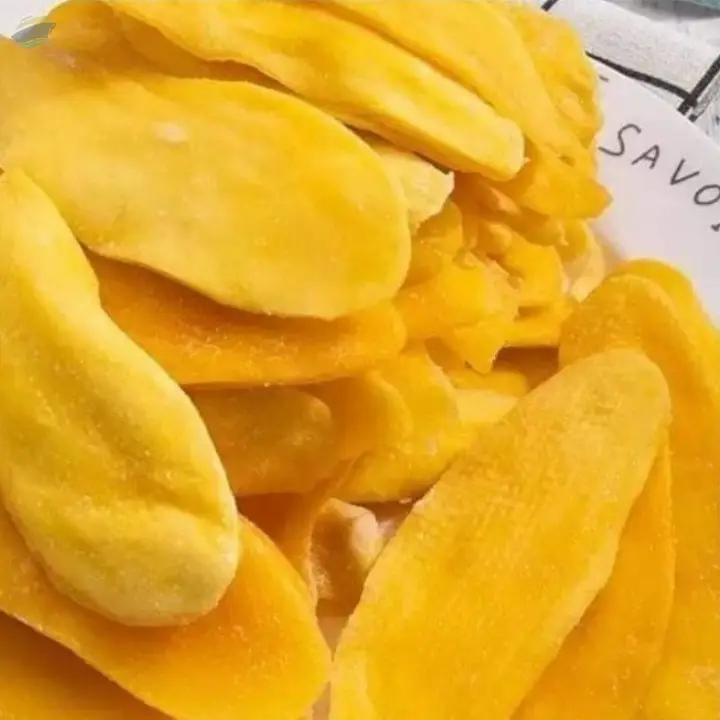
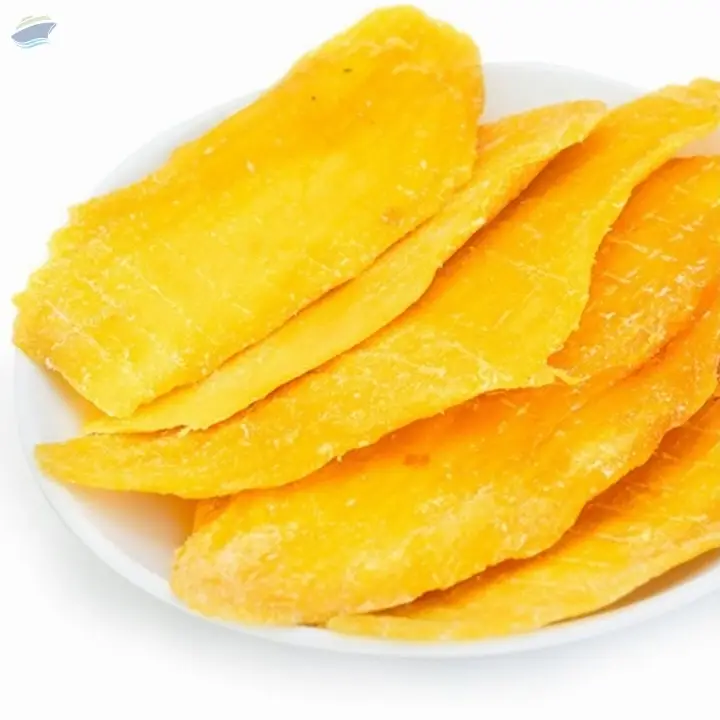
The supplier lists natural dried mango, pineapple, papaya, guava, crispy dried banana and jackfruit, as well as soft‑dried versions of mango, pineapple, papaya and guava. All items are derived from fresh low‑sugar fruit and are classified under HS codes 0804.50, 0803.00, 0807.20, 0810.90, 2008.99 and 0813.50 where specified.
Which HS codes apply to the listed products?
Dried mango - 0804.50; dried pineapple - 0803.00; dried papaya - 0807.20; dried guava - 0810.90; crispy dried banana - 2008.99; crispy dried jackfruit - 0813.50. The soft‑dried variants are mentioned without HS codes in the catalogue.
What quality parameters are typical for these dried fruits?
Industry standards usually require moisture ≤13 % for crispy snacks and ≤15 % for soft‑dried fruit, total plate count ≤10 CFU/g, and pesticide residues below the EU MRL limits. Organic products also need to meet the corresponding organic‑certification criteria.
Which certifications should a buyer request from Kizuna Trading?
Buyers should ask for a current Certificate of Analysis, a phytosanitary certificate, and, if the organic claim is required, an accredited organic certification (e.g., EU organic or US NOP). Food‑safety management certificates such as ISO 22000 or HACCP are also commonly requested.
What are the typical packaging options and container capacity?
Dried fruit is commonly packed in vacuum‑sealed bags ranging from 5 kg to 25 kg, which can be palletized for sea freight. A 40‑ft container can hold approximately 18 metric tons of product, depending on packaging density.
Viet NamRelated Suppliers & Products
Explore similar suppliers, related products and trending categories