Agriculture›
 Apparel and fashion accessories›
 Construction & real estate›💡Electronic & Electrical›🍎Food & Beverages›🛋️Home furnishing & supplies›⚗️Industrial goods & chemical›🪨Minerals & metals›📦Miscellaneous›Agriculture›Apparel and fashion accessories›Construction & real estate›💡Electronic & Electrical›🍎Food & Beverages›🛋️Home furnishing & supplies›⚗️Industrial goods & chemical›🪨Minerals & metals›📦Miscellaneous›
Kiot Foods Pvt. Ltd. Product Catalog
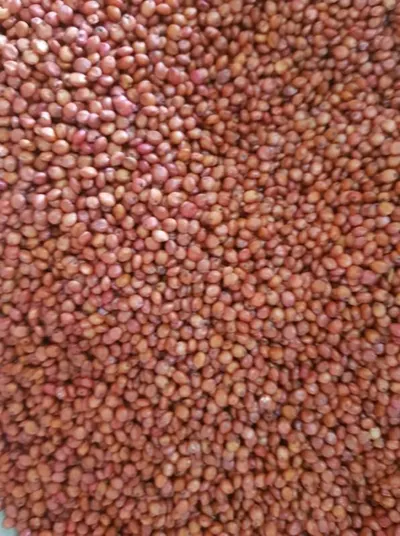
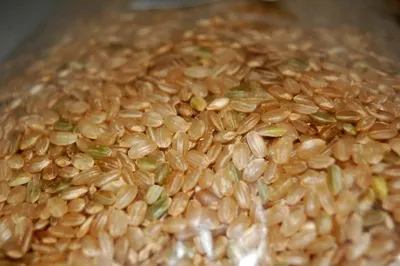
About Kiot Foods Pvt. Ltd. - Spices Supplier in India
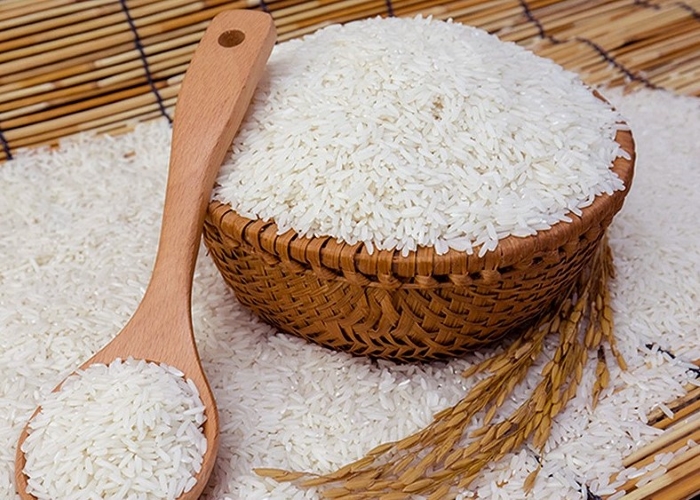
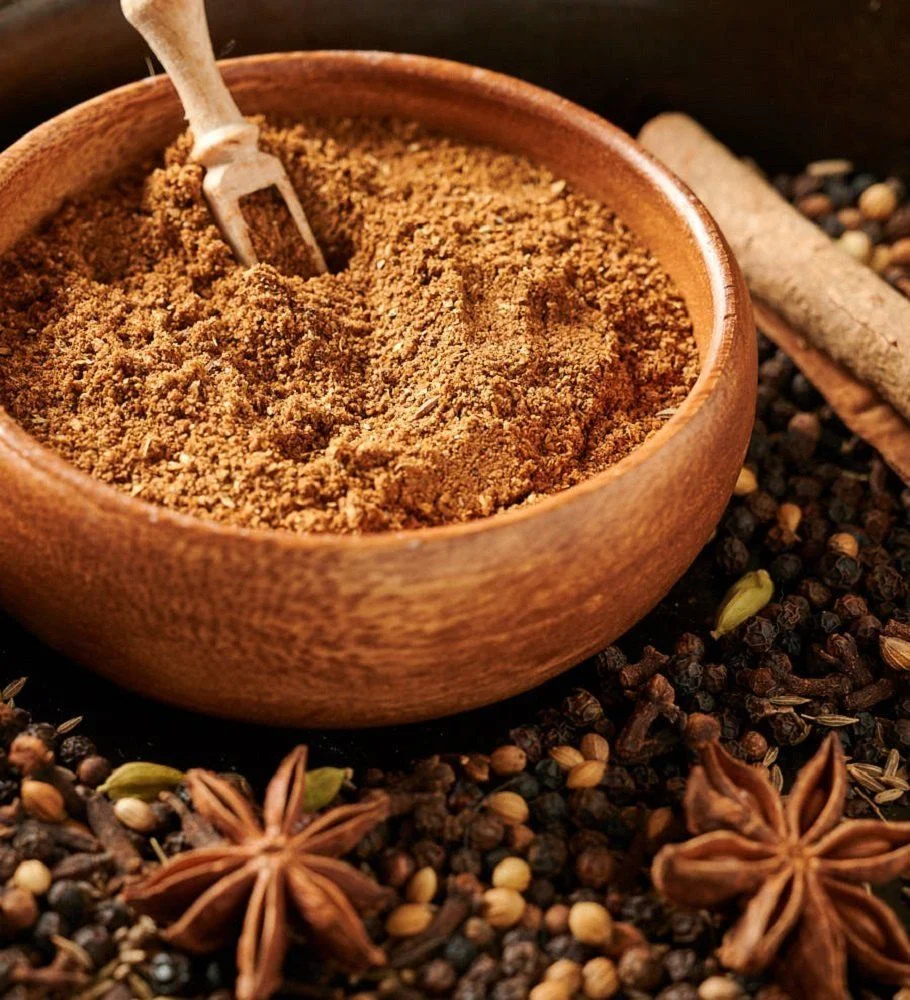
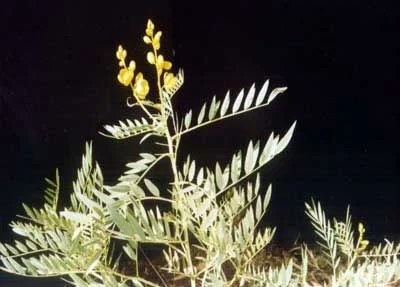
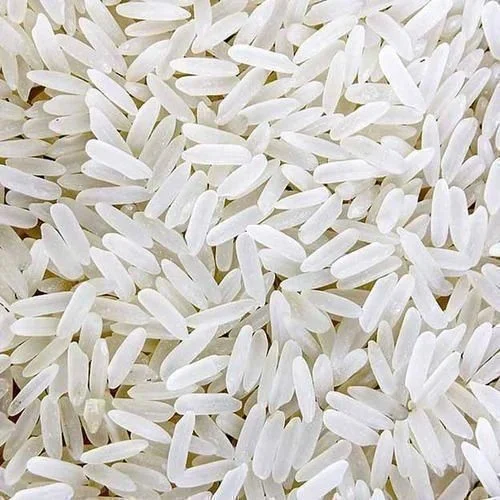
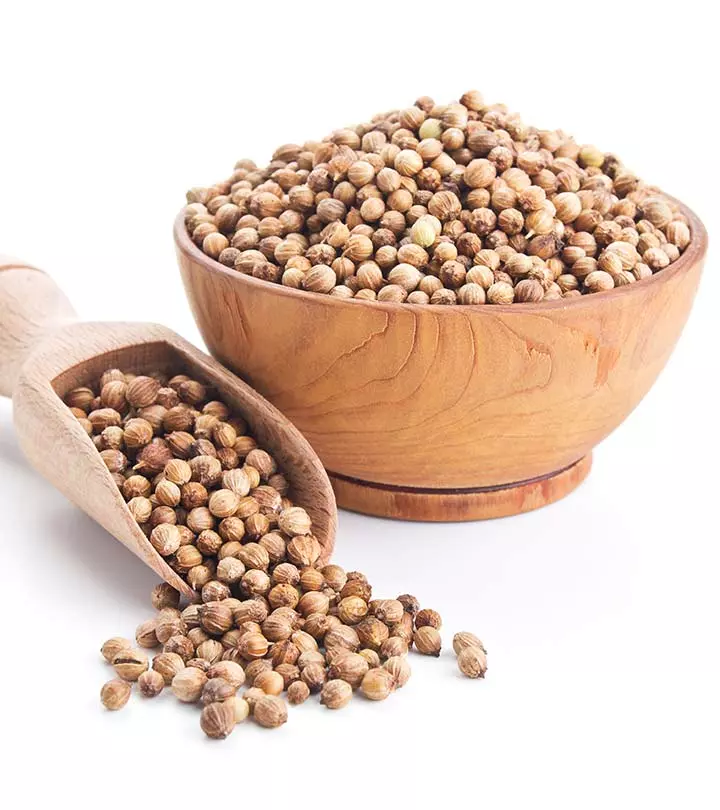
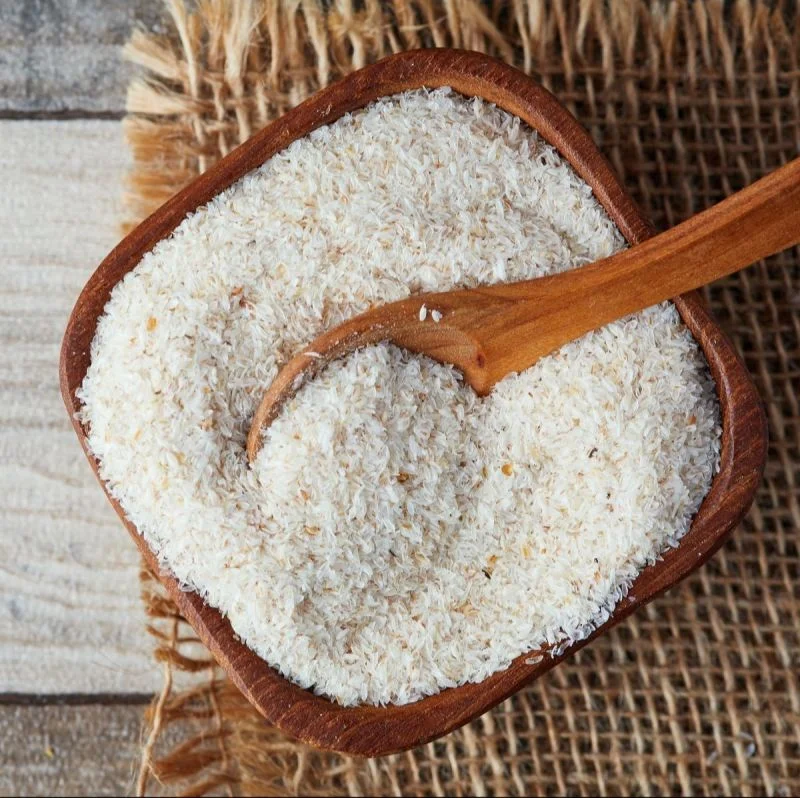
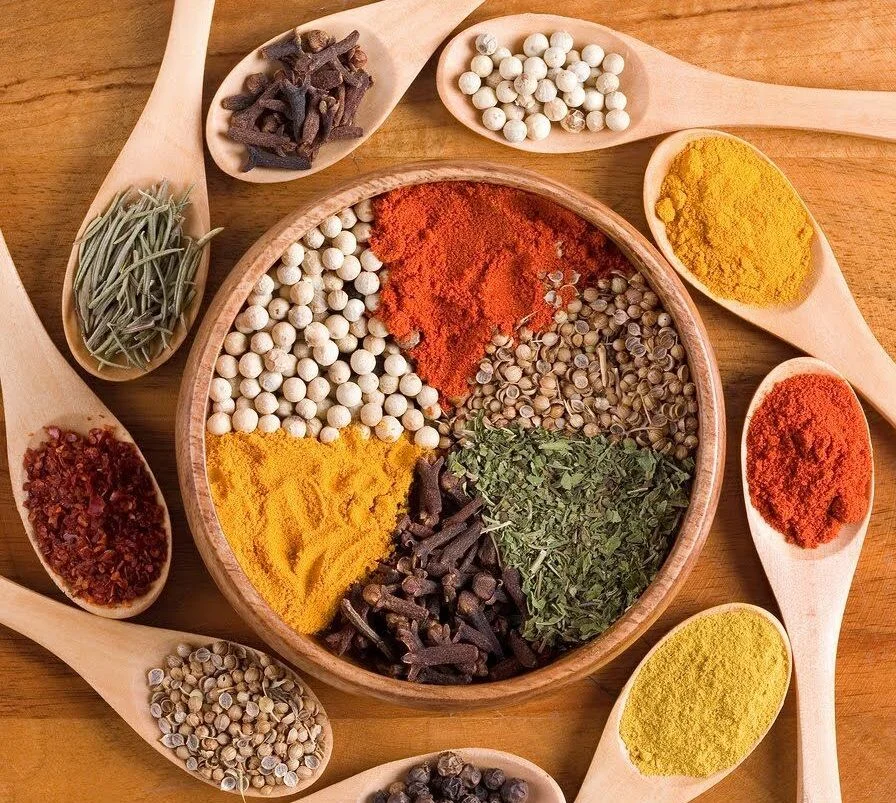
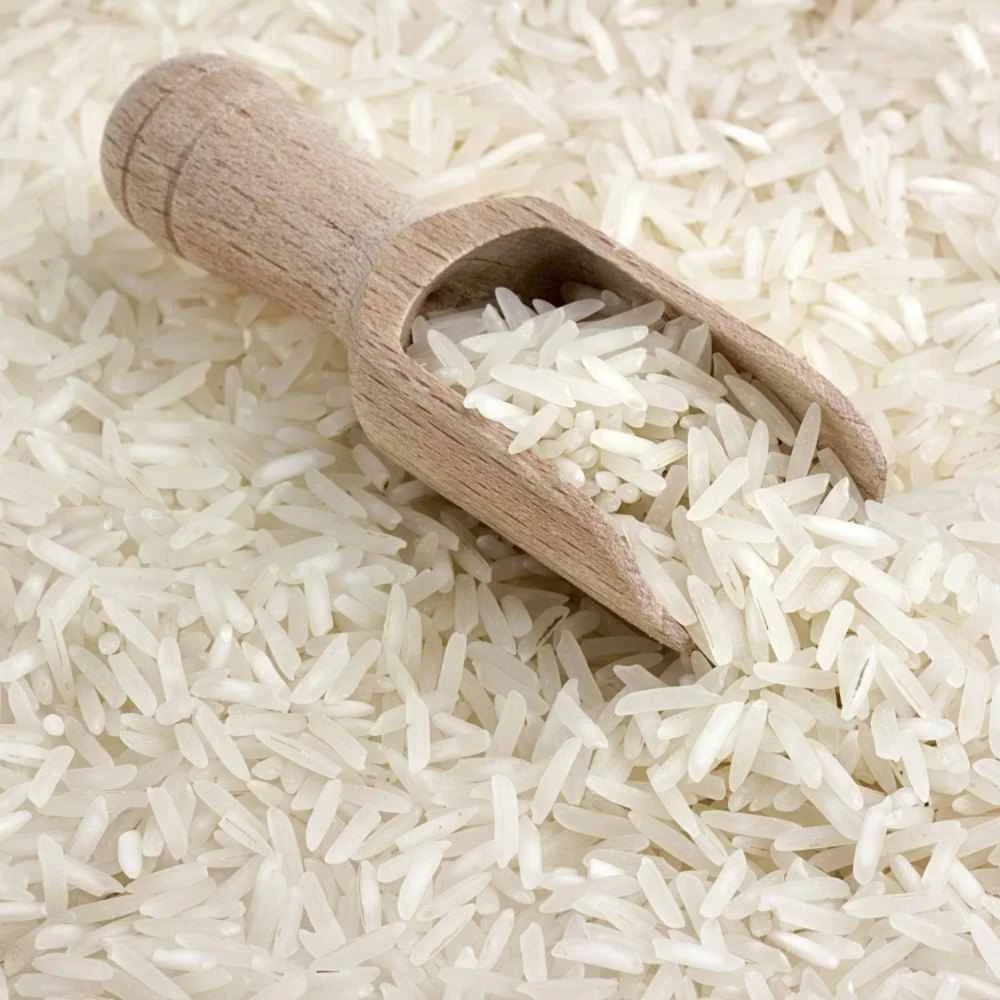
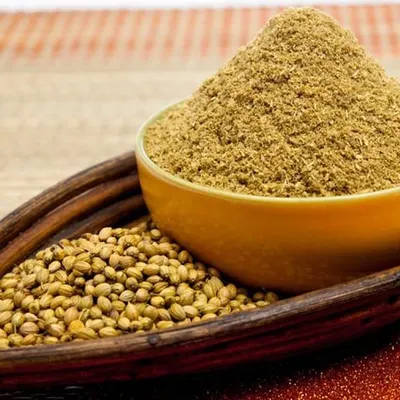
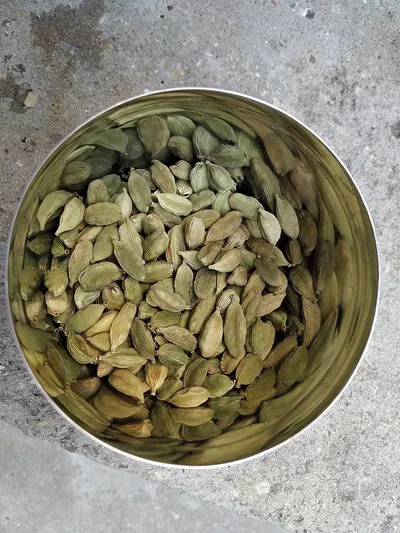
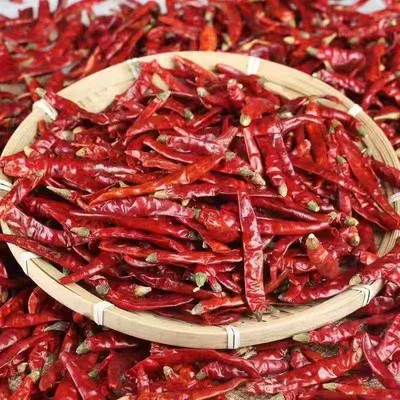
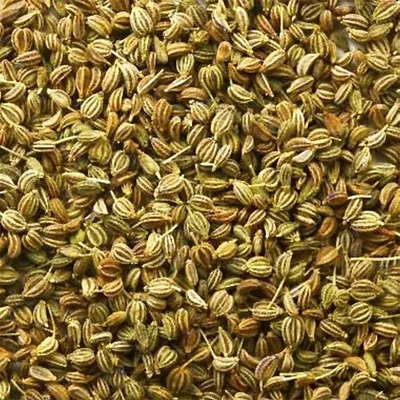
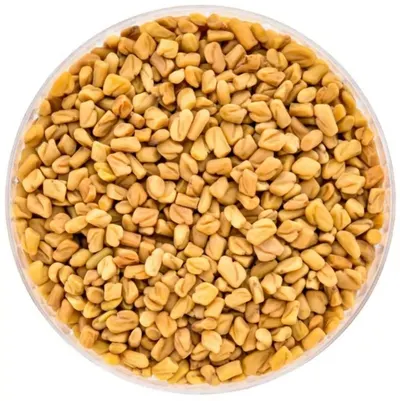
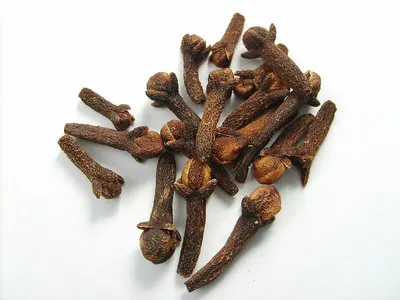
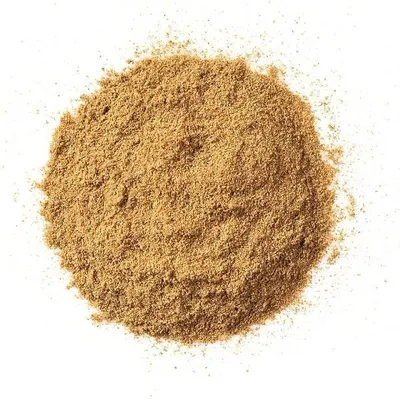
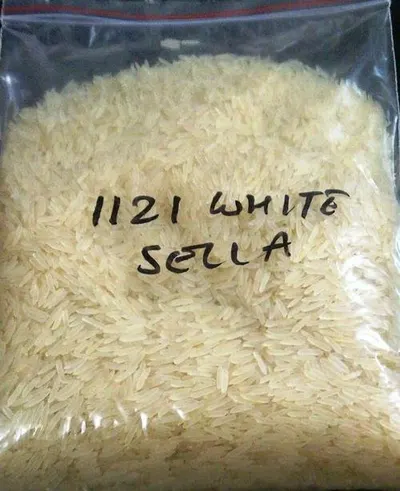
India hosts Kiot Foods Pvt. Ltd., which lists 40 active products across herbs, pepper, spices, rice and related items. The catalogue includes single‑ingredient items such as Turmeric, Black Pepper, Dill Seeds, Nutmeg, Dry Ginger Pieces and Ashwagandha, as well as processed forms like Turmeric Powder and Curry Powder. Grain offerings cover IR 64 Rice, Sugandha Basmati Rice, Brown 1509 Rice, Sona Masouri Rice, and a specifically coded entry for Brown Basmati Rice 1121 (HS 1006.20, Oryza sativa with bran layer intact). Additional seed and legume products comprise Coriander Seeds, Mustard Seeds, Fenugreek Seeds, Fennel Seeds, Pulses, Groundnuts and Sesame Seeds. The list also contains specialty items such as Psyllium Husk, Senna Leaves, Moringa, Raisins, Red Chilli and Red Chilli Powder, each recorded under the relevant HS chapters for spices (0904) or cereals (1006).
Product Range and Specialties of Kiot Foods Pvt. Ltd.
The product set spans primary spice categories (turmeric, black pepper, red chilli, clove, nutmeg) that are commonly graded by color, essential‑oil content and moisture, with export standards such as ICUMSA 45 for powdered spices and ISO 22000 for hygienic handling. Rice varieties are typically classified by grain length, amylose content and polishing level; Basmati grades range from 1 mm to 1.2 mm kernel length and 70 % head‑rice recovery, while brown rice is evaluated on bran integrity and moisture below 14 %. Legume and seed items (pulses, groundnuts, sesame) are measured by size (mm), oil content and aflatoxin limits, and herbs like coriander and fenugreek are assessed for volatile‑oil percentage and foreign‑matter limits. Buyers can expect packaging in food‑grade polypropylene bags (25 kg for spices, 50 kg for rice) or bulk containers, with labeling that meets the Codex Alimentarius specifications for country of origin and net weight.
Frequently Asked Questions About Kiot Foods Pvt. Ltd.
What product categories does Kiot Foods Pvt. Ltd. offer?
The supplier lists 40 items covering spices such as Turmeric, Black Pepper, Red Chilli and Clove; rice varieties including Basmati and brown rice; seeds like Coriander, Mustard and Sesame; as well as herbs, pulses, groundnuts and specialty ingredients like Psyllium Husk.
Which HS codes are associated with the rice products?
The only HS code provided is 1006.20 for Brown Basmati Rice 1121. Other rice items fall under HS chapter 1006 (e.g., 1006.30 for milled rice, 1006.40 for semi‑milled rice) in typical export documentation.
How are the spice products usually graded for export?
Export‑grade spices are commonly assessed by color, moisture (usually ≤12 % for powders), essential‑oil percentage and foreign‑matter limits, with standards such as ICUMSA 45 for powdered forms and ISO 22000 for hygienic processing.
What documentation should a buyer request before placing an order?
Buyers should obtain a commercial invoice, packing list, certificate of origin, phytosanitary certificate, and a laboratory analysis report covering moisture, ash, pesticide residues and, where relevant, aflatoxin levels.
What are typical minimum order quantities (MOQ) and lead times?
MOQs vary by product; bulk spices are often sold in 25 kg bags with a typical MOQ of 500 kg, while rice may require a 20‑ton container load. Lead times in India generally range from 30 to 45 days after order confirmation, depending on harvest season and customs clearance.
 India
Related Suppliers & Products
Explore similar suppliers, related products and trending categories