Kevser Sanayi — Verified Supplier
About Kevser Sanayi - Mixed Chemical & Plastic Raw Materials Supplier in Turkey
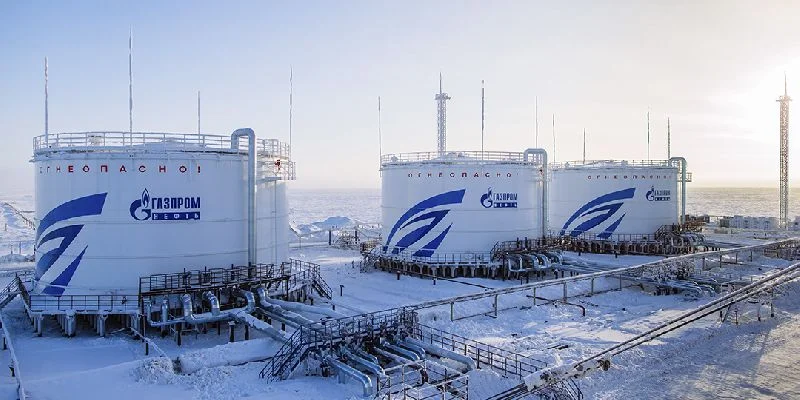
Kevser Sanayi is based in Turkey and lists eleven active products across several chemical and polymer categories. The catalogue includes plastic raw materials, urea, soda ash, bitumen, sulphur, industrial chemicals, petroleum by‑products, talc and coal. Each product is identified by its trade name and, where provided, by an HS‑code family.
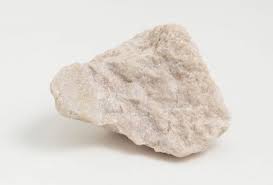
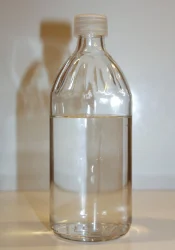
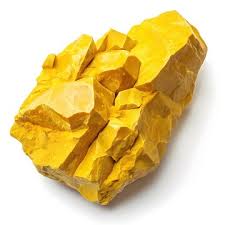
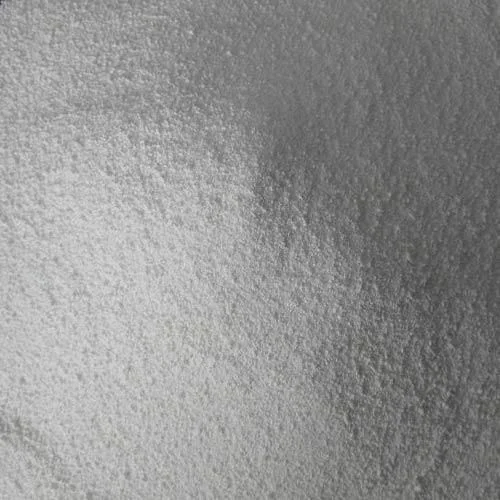
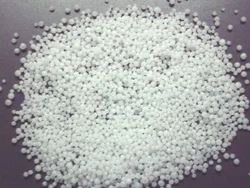
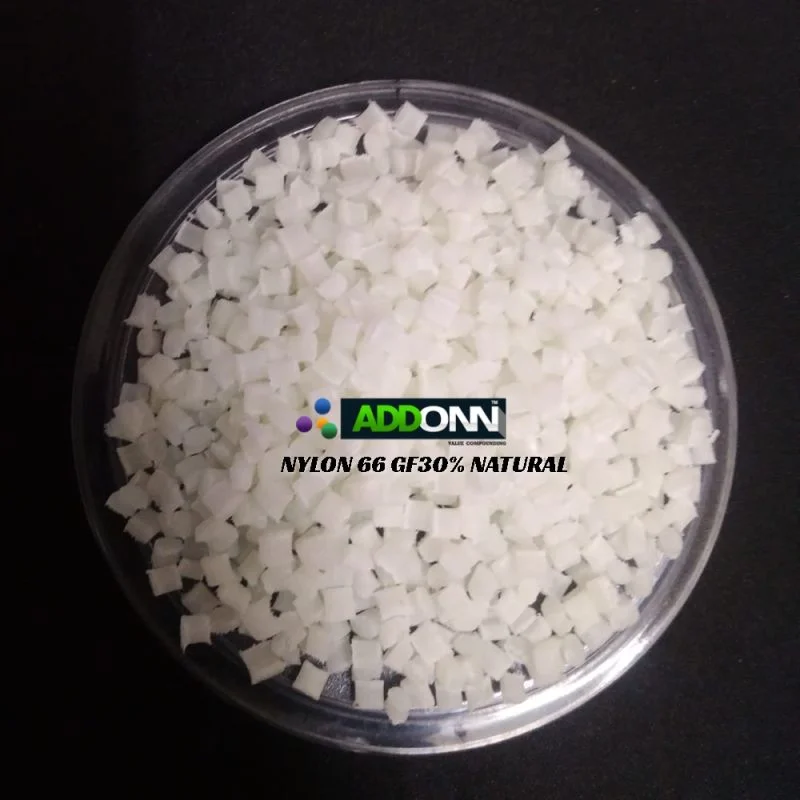
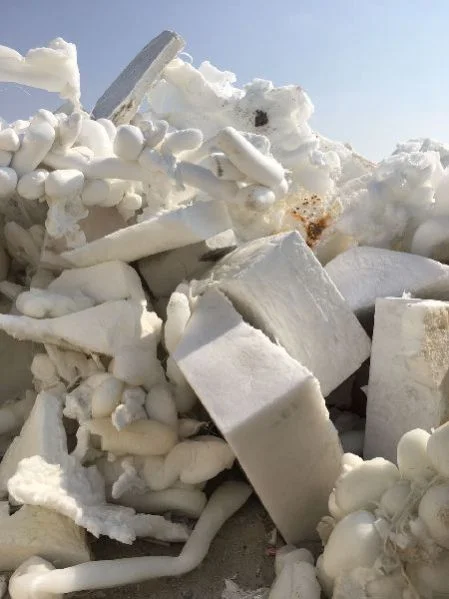
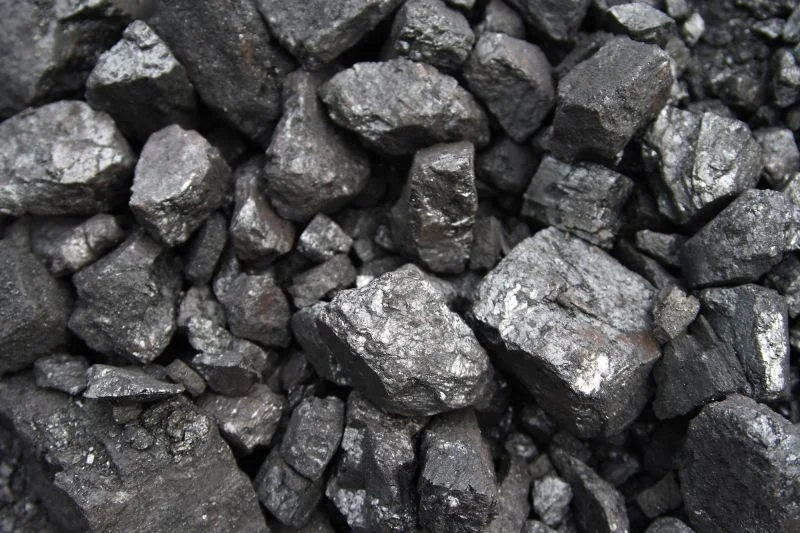
The specific items offered are Urea N46 % (grade fertilizer/automotive), dense light soda ash, 60/70 penetration bitumen, sulphur granules and lumps, Muriate of Potash (MOP), assorted petroleum products, high‑density polyethylene (HDPE), low‑density polyethylene (LDPE), linear low‑density polyethylene (LLDPE), talc mineral (HS 2526.20, hydrous magnesium silicate) and coal. No additional product details are supplied beyond these identifiers.
Product Range and Specialties of Kevser Sanayi
Kevser Sanayi’s catalogue covers standard grades that are widely traded in the global chemicals market. Urea N46 % corresponds to a nitrogen content of 46 % and meets typical fertilizer specifications such as particle size 2‑4 mm and low moisture (<0.5 %). Soda ash dense light is usually supplied with a purity of 99.5 % Na₂CO₃ and bulk density around 1.0 t/m³. Bitumen grade 60/70 denotes a penetration value of 60‑70 × 0.1 mm at 25 °C, a common specification for road paving binders. Sulphur granules and lumps are graded by particle size and sulfur content (>99.5 %). MOP (Muriate of Potash) is typically 60 % K₂O. HDPE, LDPE and LLDPE are offered in standard melt flow index ranges (HDPE 0‑10 g/10 min, LDPE 0‑2 g/10 min, LLDPE 0‑4 g/10 min) and densities between 0.94‑0.97 g/cm³. Talc mineral is supplied as hydrous magnesium silicate with a typical particle size distribution of 0‑100 µm and moisture below 1 %. Coal is generally classified by calorific value and ash content, but no further detail is given.
Trade and Export Information - Kevser Sanayi
Turkey is a major exporter of bulk chemicals and polymer resins to the EU, the Middle East, North Africa and parts of Asia. The products listed fall under several HS‑code families: urea (3102), soda ash (2836), bitumen (2710), sulphur (2501), MOP (3105), petroleum products (2710), polyethylene resins (3901), talc (2526) and coal (2701). Importers commonly require certificates of analysis, material safety data sheets (MSDS), and compliance with ISO 9001 or REACH registration for chemicals. Shipping is usually performed in 20‑ or 40‑ft containers; bulk chemicals such as soda ash and urea are packed in 25 kg or 1‑ton bags, bitumen in steel drums, polyethylene in bulk bags or pallets, and talc in 20‑kg bags. Standard Incoterms for Turkish exporters include FOB Istanbul Port and CIF to destination ports.
Sourcing from Kevser Sanayi - Buyer Guidance
When sourcing from Kevser Sanayi, buyers should request a current Certificate of Analysis for each chemical, an MSDS, and any available REACH or ISO 9001 documentation. For polymers, a melt flow index test report and density measurement are typical verification documents. Sample sizes of 25 kg for urea, 20 kg for talc, and a 5 kg polymer pellet batch are standard for quality assessment before a full order. Verify the HS code on the commercial invoice matches the product description and confirm packaging dimensions to ensure container loading efficiency. Minimum order quantities for bulk chemicals are often expressed in metric tonnes (e.g., 5 t for soda ash), so clarify MOQ and lead time with the supplier prior to contract finalisation.
Frequently Asked Questions About Kevser Sanayi
Which HS codes apply to the products offered by Kevser Sanayi?
Typical HS codes are 3102 for Urea N46 %, 2836 for dense light soda ash, 2710 for 60/70 penetration bitumen and petroleum products, 2501 for sulphur granules/lumps, 3105 for Muriate of Potash, 3901 for HDPE/LDPE/LLDPE, 2526 for talc mineral, and 2701 for coal.
What certifications should I request before purchasing chemicals from this supplier?
Buyers usually ask for a Certificate of Analysis, an MSDS, and evidence of ISO 9001 quality management or REACH registration. Any third‑party inspection report (e.g., SGS) also adds confidence.
What are the common packaging formats for the listed chemicals?
Urea and soda ash are commonly packed in 25 kg or 1‑ton bulk bags, bitumen in 200‑L steel drums, petroleum products in ISO tanks, polyethylene resins in bulk bags or on pallets, talc in 20 kg bags, and coal in bulk bags or loose bulk shipments.
What is the typical minimum order quantity (MOQ) for these products?
MOQs vary by product; bulk chemicals such as soda ash and urea are often ordered in multiples of 5 metric tonnes, while polymers may have a MOQ of 1 tonne and talc a MOQ of 2 tonnes.
Which regions usually import the type of products Kevser Sanayi supplies?
European Union countries, Middle Eastern states, North African markets and several Asian economies are the main importers of Turkish chemical and polymer raw materials.
How should I arrange sampling before a full purchase?
Request a 25 kg sample of urea, a 20 kg bag of talc, and a 5 kg polymer pellet batch. The supplier should provide the same batch test reports as for the commercial shipment.
What Incoterms are most frequently used for shipments from Turkey?
FOB Istanbul Port and CIF to the buyer’s destination port are the most common Incoterms used by Turkish chemical exporters.
What regulatory documents are typically needed for importing bitumen and petroleum products?
Importers generally need a Certificate of Origin, a Certificate of Analysis, an MSDS, and compliance with local fuel standards such as ASTM D977 for bitumen or EN‑14214 for diesel, depending on the end‑use.




 , Turkey