Agriculture›
 Apparel and fashion accessories›
 Construction & real estate›💡Electronic & Electrical›🍎Food & Beverages›🛋️Home furnishing & supplies›⚗️Industrial goods & chemical›🪨Minerals & metals›📦Miscellaneous›Agriculture›Apparel and fashion accessories›Construction & real estate›💡Electronic & Electrical›🍎Food & Beverages›🛋️Home furnishing & supplies›⚗️Industrial goods & chemical›🪨Minerals & metals›📦Miscellaneous›
Karnelyan International Trade And Brokerage
⚓ Harbor , TurkeyNew supplier / no reviews yet
Karnelyan International Trade And Brokerage Product Catalog




About Karnelyan International Trade And Brokerage - Petroleum By Products Supplier in Turkey
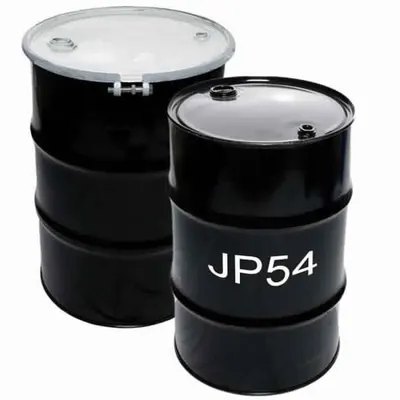
Turkey hosts Karnelyan International Trade And Brokerage, which currently lists nine active products in its catalogue. The product list comprises Jet Fuel JET A1, Diesel EN590 with a 10 ppm sulfur limit, Light Cycle Oil (LCO), gasoline, kerosene, mazut, fuel oil, crude oil offered exclusively to refineries, and refined white sugar meeting the ICUMSA 45 specification. Each entry is recorded under the supplier’s top categories of Petroleum By Products, Crude Oil, Diesel, Kerosene Oil and Sugar, reflecting a focus on both energy and food‑grade commodities.
The nine items fall within the HS‑code families commonly used for these goods: chapter 27 for petroleum oils and related fuels, and chapter 17 for sugar products. The supplier’s catalogue does not provide individual HS codes, but the product types align with standard international tariff headings such as 2710 for crude petroleum and 2711 for refined petroleum products, and 1701 for sugar. This classification supports clear customs handling for buyers importing from Turkey.
Product Range and Specialties of Karnelyan International Trade And Brokerage
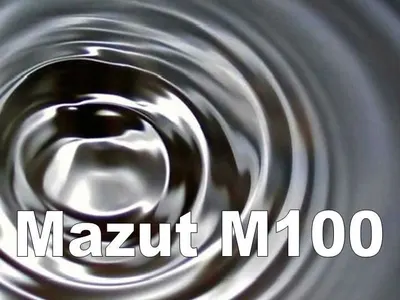
The catalogue’s petroleum line includes Jet Fuel JET A1, typically conforming to ASTM D1655 specifications with a flash point above 38 °C and a density around 0.80 kg/m³ at 15 °C. Diesel EN590 10 ppm meets the European Union’s EN 590 standard, limiting sulfur to 10 ppm, cetane number ≥51, and a cold filter plugging point suitable for temperate climates. Light Cycle Oil is a petro‑chemical feedstock with an API gravity of 30‑35 and a typical sulfur content below 0.5 %. Gasoline listed is generally blended to achieve an octane rating of 95 RON, while kerosene matches the Jet A‑1 grade used for aviation and heating applications. Mazut and fuel oil are heavy fuel grades with viscosities in the range of 180‑300 cSt at 50 °C and a calorific value near 40 MJ/kg. Crude oil offered for refineries is described only as a feedstock, implying standard API gravity and sulfur ranges for light to medium crudes. The sugar product is ICUMSA 45, a refined white sugar with moisture ≤0.10 % and ash ≤0.02 %, suitable for confectionery and beverage manufacturing.
Frequently Asked Questions About Karnelyan International Trade And Brokerage
What specifications should I verify for Jet Fuel JET A1 from Karnelyan?
Check that the fuel meets ASTM D1655, with a flash point above 38 °C, a density near 0.80 kg/m³ at 15 °C, and that a recent SGS inspection report is provided.
Does the Diesel EN590 supplied contain the required sulfur limit?
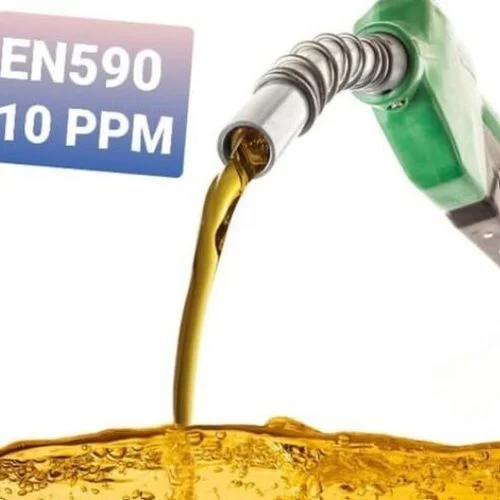
The catalogue states Diesel EN590 10 ppm, which aligns with the EU EN 590 standard limiting sulfur to 10 ppm. Request a laboratory certificate confirming the sulfur content before loading.
What documentation is typical for importing mazut or fuel oil?
Buyers usually ask for a Certificate of Origin, an ISO 9001 quality management certificate, and a third‑party inspection report detailing viscosity, calorific value and sulfur content.
Is the sugar product suitable for food‑grade applications?
The sugar is listed as ICUMSA 45, a standard grade for food processing with moisture ≤0.10 % and ash ≤0.02 %, and it should be accompanied by an ICUMSA certificate and a phytosanitary certificate for many markets.
Which HS codes are relevant for the petroleum products offered?
Petroleum oils fall under HS chapter 27, typically headings 2710 for crude oil and 2711 for refined products such as diesel, kerosene, mazut and fuel oil. The exact sub‑heading depends on the final product grade.
TurkeyRelated Suppliers & Products
Explore similar suppliers, related products and trending categories