Kanara Global Enterprises — Supplier
About Kanara Global Enterprises - Sugar Supplier in India
India hosts Kanara Global Enterprises, which currently lists five active products in its catalogue. The product set includes generic "Sugar", "Cane sugar", "White rice", "Red onion" and "Black tiger shrimp". Each entry is recorded under the broader categories of sugar, rice, onion and shrimp without further sub‑classification. The supplier is classified as an imported tier with a harbor trust tier, indicating that it operates through third‑party logistics for cross‑border shipments.
The catalogue reflects two primary food‑grain categories - sugar and white rice - plus two horticultural items and a seafood product. While the facts do not provide HS codes, the listed items correspond to common HS chapters such as 1701 for sugar, 1006 for milled rice, 0703 for onions and 0306 for frozen shrimp. Kanara Global Enterprises therefore presents a mixed portfolio that spans staple commodities and protein sources, all sourced from India.
Product Range and Specialties of Kanara Global Enterprises
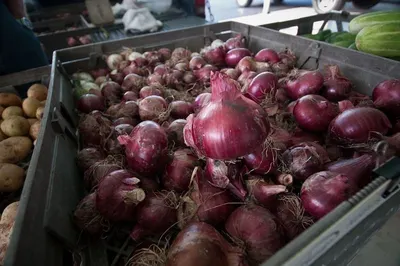
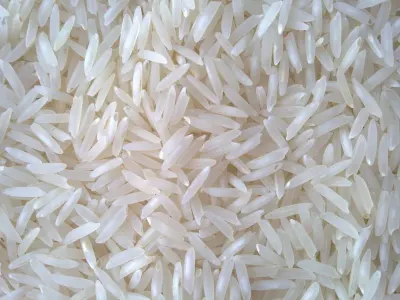
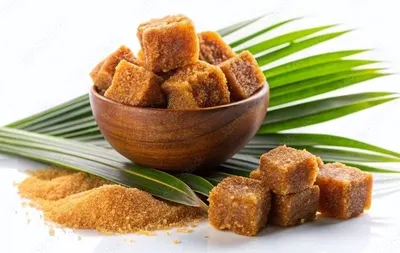
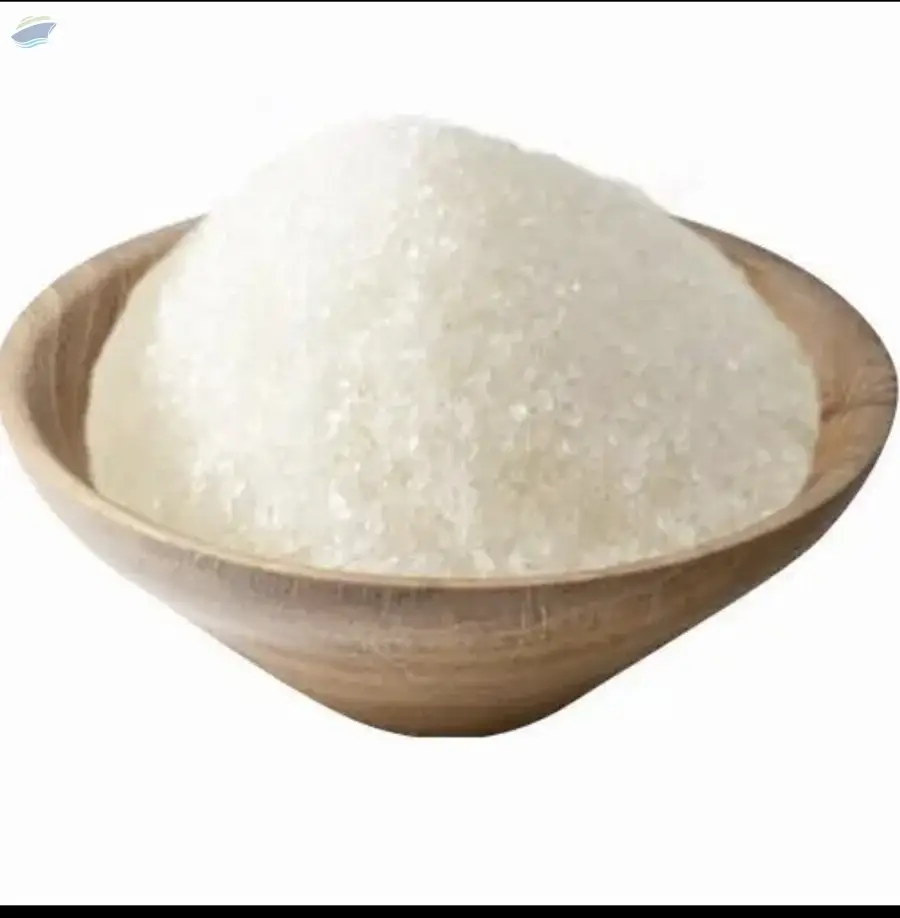
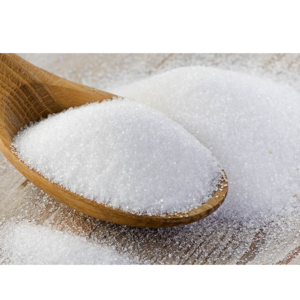
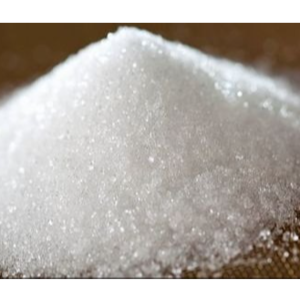
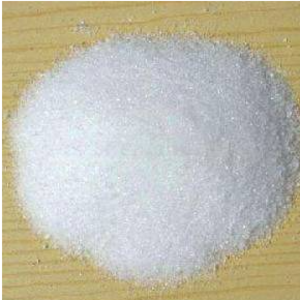
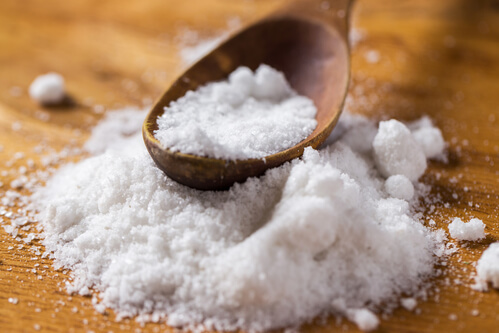
Kanara Global Enterprises lists both "Sugar" and "Cane sugar" which in international trade are typically offered in ICUMSA 45 (white, 99.8 % sucrose) or ICUMSA 70 (standard) grades. Buyers often request moisture ≤ 0.1 % and ash ≤ 0.02 % for premium grades. The "White rice" entry aligns with long‑grain milled rice, commonly supplied in 5 kg or 25 kg bags, with moisture ≤ 14 % and broken grain ≤ 5 %. "Red onion" is usually traded in 10 kg mesh bags, with size ≥ 30 mm, moisture ≤ 8 % and total soluble solids around 8‑10 %. "Black tiger shrimp" (Penaeus monodon) is generally frozen head‑less, graded by count‑per‑kg (e.g., 30/40 count) and required to meet a minimum protein content of 18 % and total ash ≤ 2 %. Typical industry specifications such as ISO 22000 or HACCP are applied across these categories.
Trade and Export Information - Kanara Global Enterprises
India is a major exporter of sugar, milled rice, onions and shrimp, with key destination regions including the Middle East, East Africa, Southeast Asia and the European Union. HS chapter 17 (sugar) and chapter 10 (rice) are subject to customs duties that vary by destination, while HS 0703 (onions) and 0306 (shrimp) often require phytosanitary certificates and a health certificate from the Indian Food Safety and Standards Authority. Commonly required certifications for these commodities are ISO 22000, FSSC 22000 and HACCP, especially for processed shrimp and refined sugar. Export logistics typically use 20‑ft or 40‑ft containers; rice and sugar are palletized in bulk bags, onions in mesh bags, and shrimp in insulated cartons with dry ice or gel packs. Incoterms such as FOB Mumbai or CIF Dubai are frequently negotiated for these product families.
Sourcing from Kanara Global Enterprises - Buyer Guidance
When sourcing from Kanara Global Enterprises, buyers should request a recent laboratory analysis that confirms ICUMSA grade for sugar, moisture and broken grain percentages for rice, and size‑distribution data for onions. For shrimp, a microbial test report (e.g., total plate count, coliforms) and a freezer temperature log are standard. Verify that the supplier can provide ISO 22000 or HACCP audit reports, as these are typical prerequisites for food‑grade imports. Confirm packaging details - bulk bags for sugar and rice, mesh bags for onions and insulated cartons for shrimp - and ensure that the proposed container load matches the buyer’s freight plan.
Frequently Asked Questions About Kanara Global Enterprises
What HS codes apply to the products listed by Kanara Global Enterprises?
Sugar and cane sugar are generally classified under HS 1701, white rice under HS 1006, red onion under HS 0703 and black tiger shrimp under HS 0306. The exact sub‑heading depends on processing level and packaging.
Which quality grades should a buyer request for the sugar products?
Buyers typically ask for ICUMSA 45 (refined white) or ICUMSA 70 (standard) grades, with moisture not exceeding 0.1 % and ash not exceeding 0.02 %.
What specifications are common for white rice shipments?
Standard specifications include moisture ≤ 14 %, broken grain ≤ 5 %, and packaging in 5 kg or 25 kg polypropylene bags.
What documentation is needed for importing black tiger shrimp?
Importers usually require a health certificate, a HACCP or ISO 22000 audit report, and a microbiological test report covering total plate count and coliforms.
Are there typical minimum order quantities for these commodities?
Bulk commodities such as sugar and rice often have MOQ of one 20‑ft container (≈ 20 tons), while onions may be ordered in multiples of 10 tons and shrimp in 5‑ton pallets, depending on buyer requirements.
What packaging formats are used for the listed products?
Sugar and rice are palletized in bulk bags, red onion is shipped in 10 kg mesh bags, and black tiger shrimp is packed in insulated cartons with dry ice or gel packs for frozen transport.
Which certifications should a buyer verify before purchase?
For food safety, buyers should confirm ISO 22000, FSSC 22000 or HACCP certification, and for shrimp also a fisheries sustainability certificate if required by the destination market.
What Incoterms are commonly applied to shipments from India?
FOB Mumbai and CIF Dubai are frequently used for these product categories, allowing buyers to choose between port‑origin responsibility and delivered‑cost arrangements.




 , India