Agriculture›
 Apparel and fashion accessories›
 Construction & real estate›💡Electronic & Electrical›🍎Food & Beverages›🛋️Home furnishing & supplies›⚗️Industrial goods & chemical›🪨Minerals & metals›📦Miscellaneous›Agriculture›Apparel and fashion accessories›Construction & real estate›💡Electronic & Electrical›🍎Food & Beverages›🛋️Home furnishing & supplies›⚗️Industrial goods & chemical›🪨Minerals & metals›📦Miscellaneous›

Kae Hwa Industrial Co., LtdKae Hwa Industrial Co., Ltd
🚢 Voyage , TaiwanEst. 1961-01-01New supplier / no reviews yet
Kae Hwa Industrial Co., LtdKae Hwa Industrial Co., Ltd Product Catalog

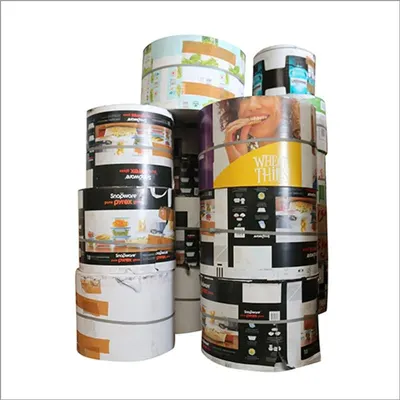
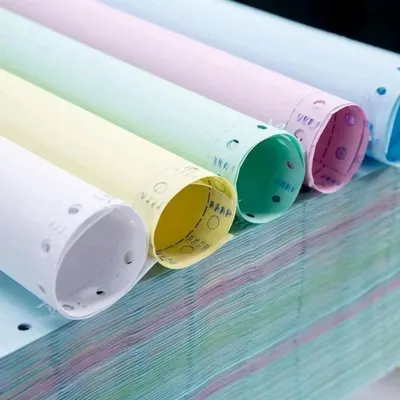
About Kae Hwa Industrial Co., LtdKae Hwa Industrial Co., Ltd - Plastic Sheets, Laminates Supplier in Taiwan
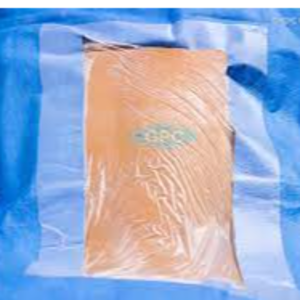
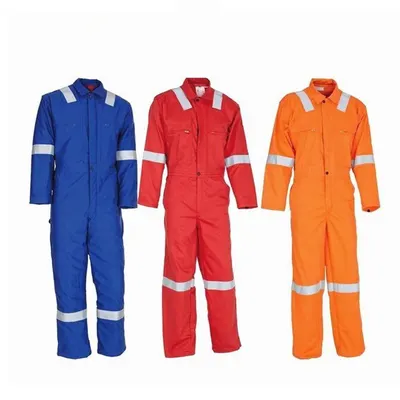
Taiwan‑based Kae Hwa Industrial Co., LtdKae Hwa Industrial Co., Ltd lists ten active products across plastic sheets, laminates and medical disposable categories. Operating since 1998, the company develops breathable resin‑based films, laminates and compounded fabrics at facilities in Taiwan, Malaysia and China. The catalogue includes Colorful Breathable PE Film, Printing PP Film, Embossed Biodegradable Film, Breathable Medical Isolation Gown Fabric, Industrial Coverall - Type 4b Coverall, Isolation Gown, Protective Jacket, Recycled PET Breathable Fabric, Medical Coverall and Agricultural Mulch Fabric. These items fall under HS chapter 39 for plastic films and HS chapter 59 for textile fabrics, reflecting the blend of polymer and non‑woven materials. The product set targets applications such as diaper backsheet, industrial protective clothing, rainwear, desiccant covers and agricultural mulching.
The ten items span both polymer film formats (PE and PP) and engineered non‑woven fabrics used in medical isolation gowns and agricultural mulch. Each product is described in the catalogue without specific dimensions, but typical industry specifications include film thickness from 15 µm to 50 µm for breathable PE films and WVTR values above 1500 g/m²·24h. The medical isolation gown fabric is generally produced to meet ISO 10993 biocompatibility and ASTM F 1670 barrier performance, while the agricultural mulch fabric is commonly supplied in widths of 1.0 - 1.5 m and lengths up to 100 m per roll. The company's organic supplier tier indicates a focus on environmentally friendly material choices, exemplified by the biodegradable film and recycled PET fabric.
Product Range and Specialties of Kae Hwa Industrial Co., LtdKae Hwa Industrial Co., Ltd
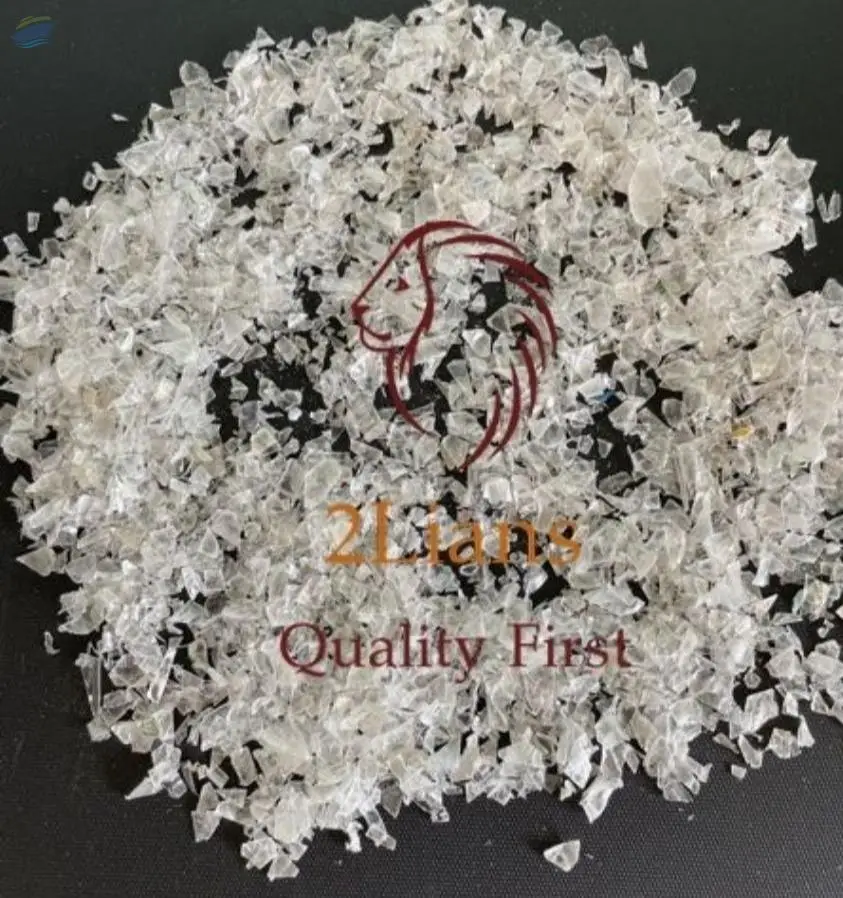
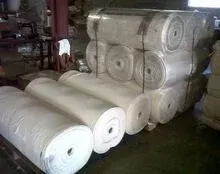
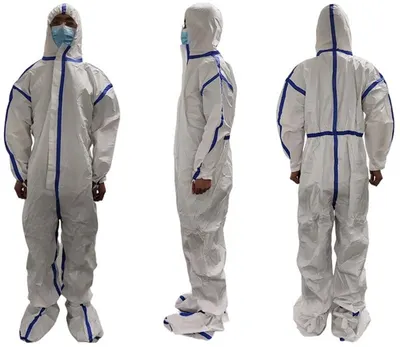
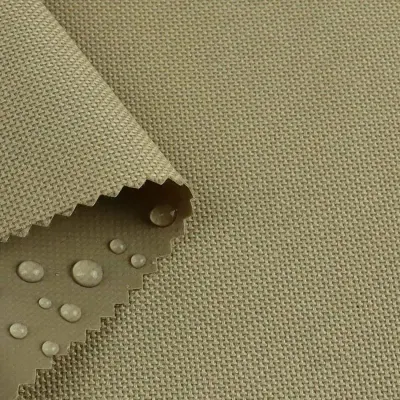
The catalogue’s Colorful Breathable PE Film is a low‑density polyethylene laminate designed for high water‑vapor transmission while maintaining mechanical strength; industry grades range from 30‑50 µm thickness with WVTR 1500‑2500 g/m²·24h. Printing PP Film is a polypropylene substrate coated for offset or flexographic printing, normally supplied in 0.05‑0.1 mm thickness and surface gloss 80‑120 GU. Embossed Biodegradable Film conforms to EN 13432 or ASTM D6400, degrading within 12‑24 months in composting conditions. Breathable Medical Isolation Gown Fabric typically combines a non‑woven polypropylene spunbond with a breathable membrane, meeting ASTM F 1670 (≥0.5 g/cm²·min water penetration) and AAMI PB70 Level 2 barrier. Industrial Coverall - Type 4b and the generic Medical Coverall are polyester‑cotton blends or spunbond‑meltblown‑spunbond (SMS) fabrics, frequently rated to ISO 11611 for flame resistance. Protective Jackets often incorporate high‑denier polyester with water‑repellent finishes, meeting ISO 11612 for heat and flame protection. Recycled PET Breathable Fabric uses reclaimed PET fibers, usually achieving tensile strength 30‑45 MPa and breathability comparable to virgin PET. Agricultural Mulch Fabric is a UV‑stabilized polyethylene or polypropylene non‑woven, commonly supplied in 30‑70 g/m² weight and perforated for soil aeration.
Frequently Asked Questions About Kae Hwa Industrial Co., LtdKae Hwa Industrial Co., Ltd
What product categories does Kae Hwa offer?
Kae Hwa lists ten items covering breathable polyethylene and polypropylene films, biodegradable embossable film, recyclable PET fabric, medical isolation and protective gowns, industrial coveralls and agricultural mulch non‑woven fabric.
How can I obtain a sample of the Colorful Breathable PE Film?
Buyers can request a single roll of approximately 100 m; the supplier will ship the sample on FOB terms after confirming the intended test specifications and providing a prepaid freight arrangement.
Which certifications should I verify for the Breathable Medical Isolation Gown Fabric?
Typical certifications include ISO 10993 biocompatibility, AAMI PB70 Level 2 barrier performance, and a mill test report showing tensile strength and water‑vapor transmission; buyers should ask the supplier to provide these documents.
What are the usual HS codes for Kae Hwa’s film and fabric products?
Plastic films such as PE and PP are classified under HS 3919, while non‑woven medical and agricultural fabrics fall under HS 5903; the exact sub‑heading depends on thickness and composition.
What are the standard packaging methods for the polymer films?
Films are wound on cardboard or plastic cores of 1 m or 1.2 m diameter, shrink‑wrapped in protective film, and loaded in 20‑ft or 40‑ft containers; bulk orders may also be palletized.
TaiwanRelated Suppliers & Products
Explore similar suppliers, related products and trending categories