Agriculture›
 Apparel and fashion accessories›
 Construction & real estate›💡Electronic & Electrical›🍎Food & Beverages›🛋️Home furnishing & supplies›⚗️Industrial goods & chemical›🪨Minerals & metals›📦Miscellaneous›Agriculture›Apparel and fashion accessories›Construction & real estate›💡Electronic & Electrical›🍎Food & Beverages›🛋️Home furnishing & supplies›⚗️Industrial goods & chemical›🪨Minerals & metals›📦Miscellaneous›
Jyot Overseas Pvt. Ltd. Product Catalog
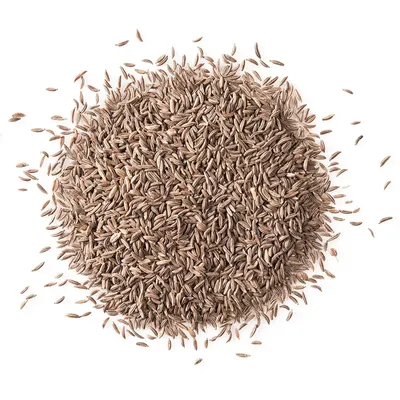
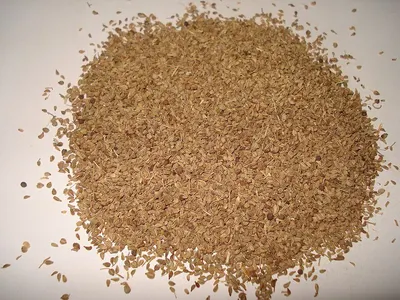
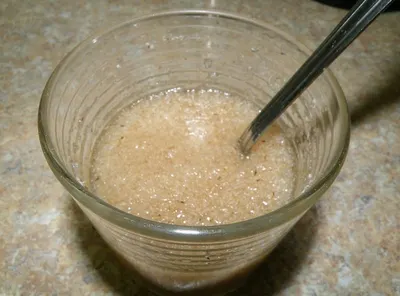
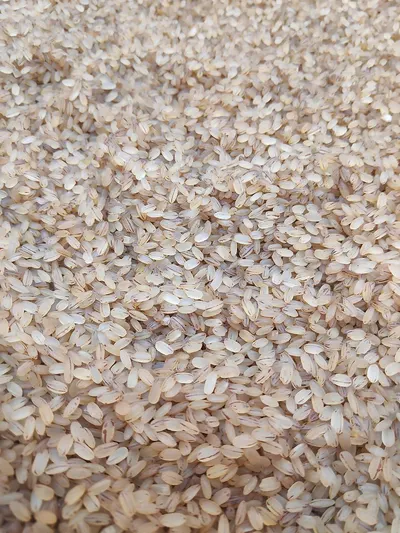
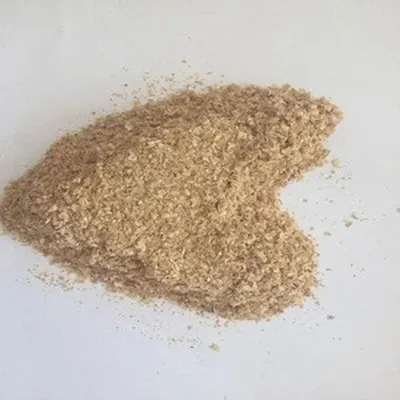
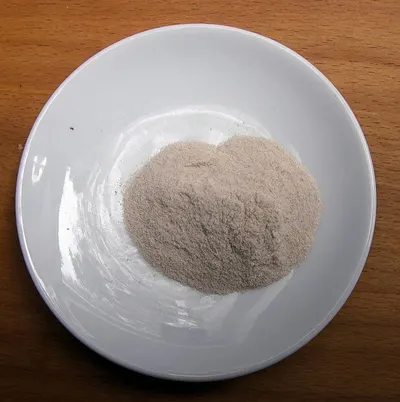
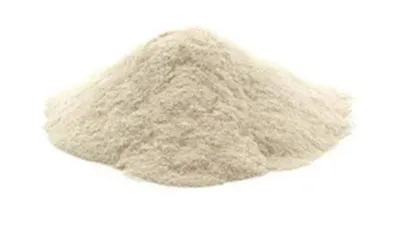
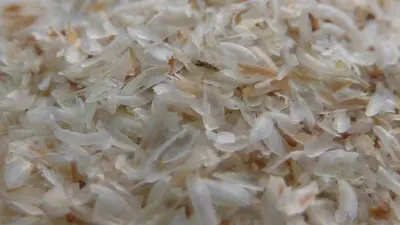
About Jyot Overseas Pvt. Ltd. - Psyllium Supplier in India
India‑based Jyot Overseas Pvt. Ltd. lists eight distinct psyllium‑related items in its catalogue. The active product count of 8 includes plain Psyllium, Flavour Psyllium, Psyllium Husk, Psyllium Seed, Psyllium Kha‑Kha Powder, Psyllium Husk Powder, Psyllium Seed Powder and Psyllium Pallet. All entries fall under the broader herbal products classification and are recorded under the supplier’s top categories of Herbal Products, Psyllium Husk and Herbal Extracts. The catalogue does not provide HS codes, certifications or production volumes, so the description is limited to the product names and their classification. The supplier is identified as an imported tier with a harbor trust rating, indicating that it operates through third‑party import channels rather than direct domestic distribution.
The listed items cover both raw material forms (whole husk, whole seed) and processed powders, reflecting typical value‑added steps in the psyllium supply chain. Psyllium Pallet refers to bulk shipments suitable for large‑scale processing, while the powder variants are usually packaged for food‑grade or nutraceutical applications. The inclusion of a flavored variant suggests a focus on functional food formulations. No additional product attributes such as particle size, moisture content or packaging specifications are supplied in the source data.
Product Range and Specialties of Jyot Overseas Pvt. Ltd.
The catalogue’s eight items span the main forms of Plantago ovata (psyllium) used in the industry: whole husk, whole seed, ground powders and a bulk pallet format. In global trade, psyllium husk is commonly offered in food‑grade specifications with a moisture limit of ≤12 % and a fiber content of ≥70 %. Pharma‑grade psyllium often meets USP <467> standards, requiring a particle size distribution below 250 µm and microbial limits of ≤10³ CFU/g. Powdered products are typically sold in 25 kg paper bags or 1 ton bulk containers, with particle size grades such as fine (<150 µm) and coarse (150‑250 µm) for different applications. Flavored psyllium is usually blended with natural or artificial flavor agents at 0.5‑2 % w/w, and packaged to protect against moisture ingress.
Industry practice for psyllium exports from India includes segregation by grade (food, pharma, organic) and by form (husk, seed, powder). Buyers often request a Certificate of Analysis (CoA) that details ash content, soluble/insoluble fiber ratio, and heavy‑metal limits (e.g., Pb < 10 ppm). Organic variants require a certified organic audit (e.g., USDA‑NOP or EU‑ECO). The pallet format is typically loaded onto 20‑ft containers, yielding about 18‑20 tons per container, while bagged products use standard 40‑ft containers with 22‑24 tons capacity.
Frequently Asked Questions About Jyot Overseas Pvt. Ltd.
What forms of psyllium does Jyot Overseas offer?
The supplier lists eight items: plain Psyllium, Flavour Psyllium, Psyllium Husk, Psyllium Seed, Psyllium Kha‑Kha Powder, Psyllium Husk Powder, Psyllium Seed Powder and Psyllium Pallet for bulk shipments.
Which HS‑code family applies to these psyllium products?
Psyllium husk and seed are classified under Chapter 13 of the HS system, commonly under sub‑heading 1302.40 for husk‑type vegetable products.
What certifications should a buyer request from this supplier?
Buyers should ask for a Certificate of Analysis, and, if required, ISO 22000, HACCP or an organic certification such as USDA‑NOP or EU‑ECO.
What are typical quality specifications for food‑grade psyllium husk?
Food‑grade psyllium husk usually has ≤12 % moisture, ≥70 % total dietary fiber, ash content ≤5 %, and microbial counts below 10³ CFU/g.
How is psyllium typically packaged for export?
Bulk pallet shipments are loaded onto 20‑ft containers (≈18‑20 tons per container). Bagged powders are commonly packed in 25 kg paper bags and placed in 40‑ft containers (≈22‑24 tons total).
 India
Related Suppliers & Products
Explore similar suppliers, related products and trending categories