Jute Textile Mills Ltd. — Supplier

About Jute Textile Mills Ltd. - Jute Yarn & Fabric Supplier in Bangladesh

Bangladesh‑based Jute Textile Mills Ltd. lists fourteen active products across the jute sector. The catalogue covers yarn and twine, various forms of raw and finished jute fibre, woven and non‑woven fabrics, as well as a set of bag and rope items that fall under the HS‑code families for jute yarn (5302), raw jute (5301) and woven jute products (5603).

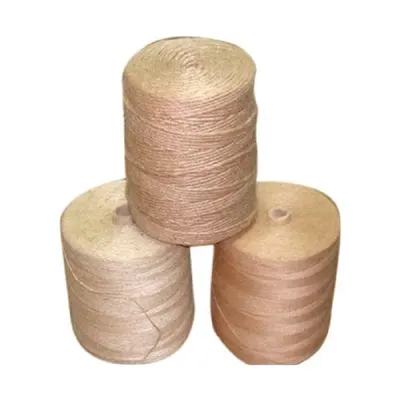
The supplier’s top categories include Jute Yarn & Fabric, Jute Products, Jute Bags, Ropes & Twines and Shopping Bags. Each product entry - such as Jute Yarn/Twine, Jute Rope, Jute Union Fabric or Jute Carpet Backing Cloth - is identified by its material (natural jute) and typical trade classification, enabling buyers to match specifications with standard import codes.

Product Range and Specialties of Jute Textile Mills Ltd.

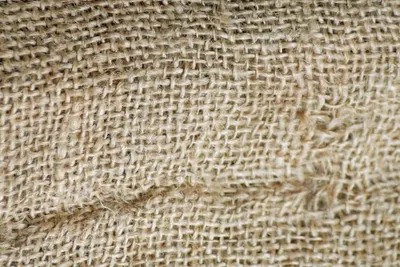
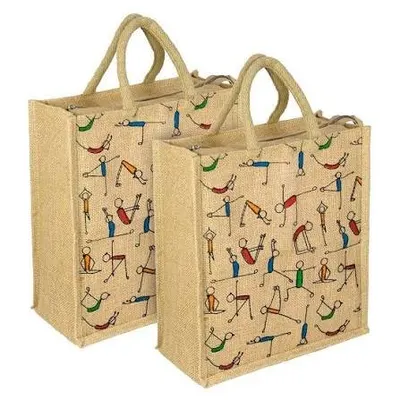
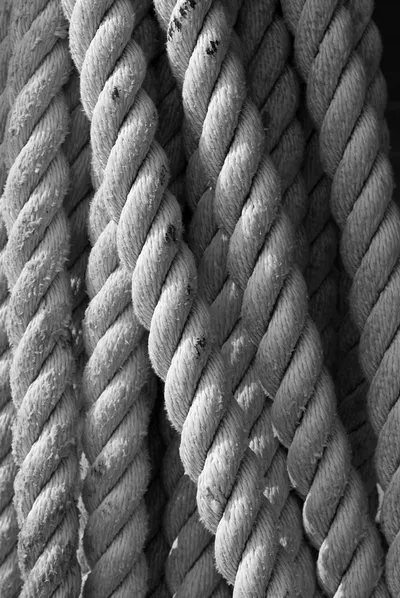
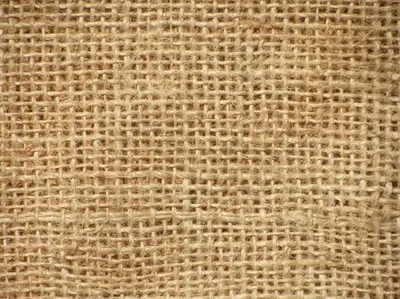
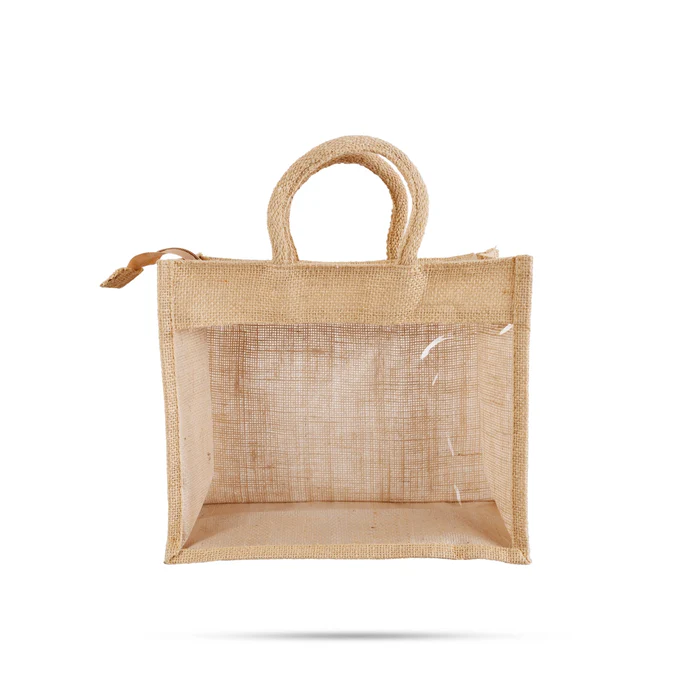
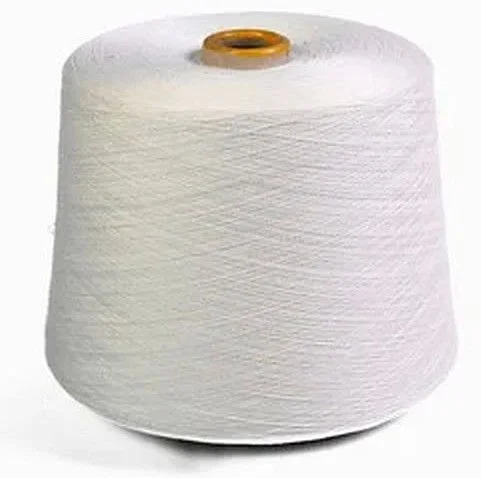
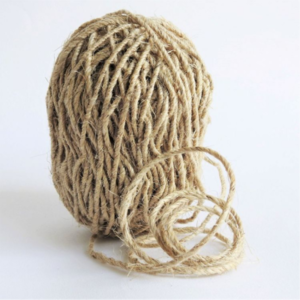
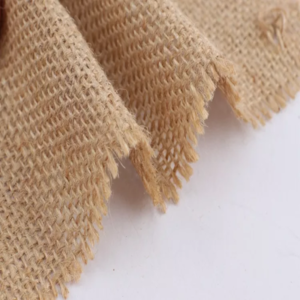
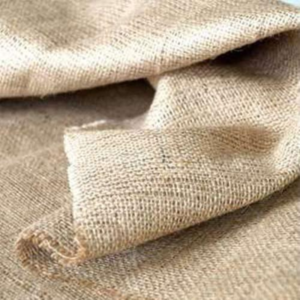
The catalogue contains items ranging from basic Jute Yarn and Twine to specialty fabrics like Jute Union Fabric, Jute Hessian Cloth and Jute Carpet Backing Cloth. Industry practice for jute yarn usually specifies linear density between 30 tex and 80 tex, tensile strength of 300 - 500 N, and moisture content below 12 %. For woven fabrics, GSM values commonly lie between 200 g/m² and 500 g/m², with finishing treatments affecting water‑repellency and dye uptake. Jute ropes are typically offered in diameters from 6 mm to 25 mm, breaking loads of 500 kg to 2 t, while bags such as Jute Hessian and Shopping Bags are graded by load capacity (10 kg‑50 kg) and seam strength. These benchmarks provide a reference for the fourteen products listed by the supplier.

Trade and Export Information - Jute Textile Mills Ltd.

Bangladesh is a leading exporter of jute goods, with the majority of shipments directed to the European Union, United States and Middle‑East markets. Exported jute items fall under HS Chapter 53 (Natural fibres) for raw material and Chapter 56 for woven sacks and bags; typical codes include 5302 for yarn, 5301 for raw fibre, 5603 for sacks and 5602 for woven fabrics. Buyers usually request ISO 9001 quality‑management certification, FSC or PEFC chain‑of‑custody documents, and phytosanitary certificates for bulk fibre. Standard packaging involves compressed bales (≈ 1 t per 20 ft container) for yarn and fibre, while finished bags and fabrics are packed in cartons or bulk poly‑bags. Incoterms such as FOB Chittagong or CIF Rotterdam are common, and container loading rates range from 18‑20 ft containers for smaller bag assortments to full 40 ft containers for bulk yarn shipments.

Sourcing from Jute Textile Mills Ltd. - Buyer Guidance

When sourcing from this supplier, request a detailed product data sheet that lists yarn tex, tensile strength, moisture content, fabric GSM, bag load rating and rope diameter. Independent lab test reports for tensile, tear and burst resistance are standard verification tools; ISO 9001 or FSC certificates should be confirmed before order confirmation. Samples of each product type - for example a 10 m yarn roll, a 1 m rope segment or a single bag - help verify finishing treatment, colour consistency and dimensional stability. Verify packaging specifications (bale weight, carton dimensions) and confirm the HS code to avoid customs mismatches.

Frequently Asked Questions About Jute Textile Mills Ltd.

What jute yarn specifications are commonly offered by exporters from Bangladesh?

Typical exports use 30‑80 tex yarn with tensile strength of 300‑500 N and moisture content under 12 %. Buyers should request the exact tex and test report for each batch.

Which HS codes apply to the Jute Rope and Jute Bag products listed?

Jute Rope generally falls under HS 5302 (jute yarn) while Jute Bags and sacks are classified under HS 5603 (woven jute sacks) or HS 5602 for other woven jute goods.

What certifications should a buyer ask for when purchasing jute fabrics?

Commonly required documents include ISO 9001 quality‑management certification, FSC or PEFC chain‑of‑custody, and a phytosanitary certificate for bulk fibre shipments.

What are typical minimum order quantities (MOQ) for jute fabric and yarn?

MOQs often start at 500 kg for bulk yarn or 1 t of fabric, but small‑batch buyers can request sample rolls or a single 10 m yarn coil to evaluate quality.

How are jute products usually packaged for international shipment?

Bulk yarn and fibre are compressed into wooden or plastic bales (≈ 1 t per bale). Finished bags and fabrics are packed in sealed poly‑bags or cartons, with container loads ranging from 18 ft to 40 ft depending on volume.

What lead times are typical for jute products from Bangladesh?

Standard production lead times are 4‑6 weeks for yarn and rope, and 6‑8 weeks for finished fabrics or bags, subject to raw fibre availability and any required finishing treatments.

Which markets most frequently import Bangladeshi jute products?

The European Union, United States and Middle‑East regions are the largest importers, driven by demand for sustainable packaging, textiles and construction reinforcement.


Featured Products from this Supplier

Other Suppliers in Primary Category

Top Trusted Suppliers

Related Products

Trending in Parent Category

More Suppliers in Category

Related Products

Other Suppliers

EximNext
7.1K+ live requirements
Register Free🎁 Reach global buyers
Post Requirement
🌍 Trusted by 225K+ businesses in 200+ countries|
7.1K+ active requirements right now
✉️ [email protected]
|
Sell on EximNextPost Requirement
EximNext
AgricultureApparelConstructionElectronicFoodHomeIndustrialMineralsMiscellaneous
🔥 Deals|✨ AI Match|🏭 Suppliers|📋 Buy Leads|💰 Trade Finance
7.1K+ live RFQs·194.8K+ suppliers
🎁 Reach global buyers →
EximNext
EximNext
Register Free
🎁 Reach global buyers
Sign In
📋Post Requirement💬Get Quotes✨AI Match📋RFQ Marketplace
All Categories
Services & Tools
🏭Supplier Directory🔥Today's Deals💰Trade Finance
Sell on EximNext →
AboutContactBlogHelp
Apparel & Home  ·  Bangladesh
14
products listed

Jute Textile Mills Ltd.

⚓ Harbor
Country flag , BangladeshNew supplier / no reviews yet
🛡️
55/100
Trust Score

Jute Textile Mills Ltd. Product Catalog

Showing 12 of 14 products
View all products →
Jute Yarn / Twine
⚓ Harbor
Jute Yarn / Twine
Contact
MOQ: 1 Unit
Jute Ball
⚓ Harbor
Jute Ball
Contact
MOQ: 1 Unit
Jute Sliver
⚓ Harbor
Jute Sliver
Contact
MOQ: 1 Unit
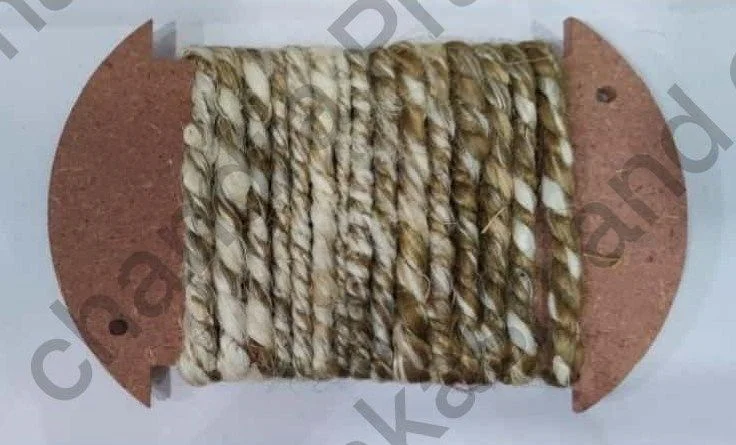
Jute Rope
⚓ Harbor
Jute Rope
Contact
MOQ: 1 Unit
Jute Union Fabric
⚓ Harbor
Jute Union Fabric
Contact
MOQ: 1 Unit
Jute Hessian Bag
⚓ Harbor
Jute Hessian Bag
Contact
MOQ: 1 Unit
Jute Sacking Bag
⚓ Harbor
Jute Sacking Bag
Contact
MOQ: 1 Unit
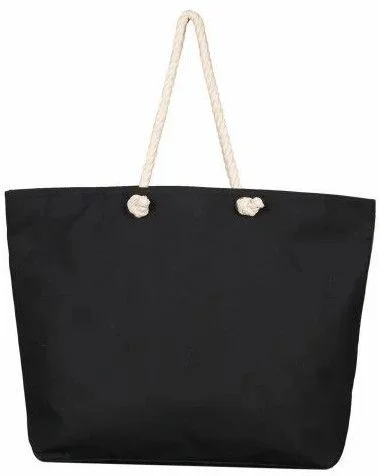
Jute Shopping Bag
⚓ Harbor
Jute Shopping Bag
Contact
MOQ: 1 Unit
Jute Hessian Cloth
⚓ Harbor
Jute Hessian Cloth
Contact
MOQ: 1 Unit
Jute Sacking Cloth
⚓ Harbor
Jute Sacking Cloth
Contact
MOQ: 1 Unit
Jute Fabric In Different Finishing Treatemtn
⚓ Harbor
Jute Fabric In Different Finishing Treatemtn
Contact
MOQ: 1 Unit
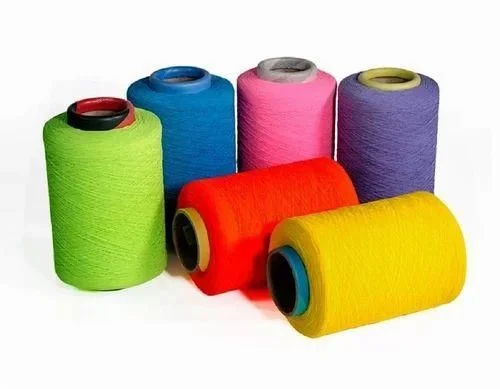
Jute Acrylic Blended Knitting yarn
⚓ Harbor
Jute Acrylic Blended Knitting yarn
Contact
MOQ: 1 Unit

About Jute Textile Mills Ltd. - Jute Yarn & Fabric Supplier in Bangladesh

Bangladesh‑based Jute Textile Mills Ltd. lists fourteen active products across the jute sector. The catalogue covers yarn and twine, various forms of raw and finished jute fibre, woven and non‑woven fabrics, as well as a set of bag and rope items that fall under the HS‑code families for jute yarn (5302), raw jute (5301) and woven jute products (5603).

The supplier’s top categories include Jute Yarn & Fabric, Jute Products, Jute Bags, Ropes & Twines and Shopping Bags. Each product entry - such as Jute Yarn/Twine, Jute Rope, Jute Union Fabric or Jute Carpet Backing Cloth - is identified by its material (natural jute) and typical trade classification, enabling buyers to match specifications with standard import codes.

Product Range and Specialties of Jute Textile Mills Ltd.

The catalogue contains items ranging from basic Jute Yarn and Twine to specialty fabrics like Jute Union Fabric, Jute Hessian Cloth and Jute Carpet Backing Cloth. Industry practice for jute yarn usually specifies linear density between 30 tex and 80 tex, tensile strength of 300 - 500 N, and moisture content below 12 %. For woven fabrics, GSM values commonly lie between 200 g/m² and 500 g/m², with finishing treatments affecting water‑repellency and dye uptake. Jute ropes are typically offered in diameters from 6 mm to 25 mm, breaking loads of 500 kg to 2 t, while bags such as Jute Hessian and Shopping Bags are graded by load capacity (10 kg‑50 kg) and seam strength. These benchmarks provide a reference for the fourteen products listed by the supplier.

Trade and Export Information - Jute Textile Mills Ltd.

Bangladesh is a leading exporter of jute goods, with the majority of shipments directed to the European Union, United States and Middle‑East markets. Exported jute items fall under HS Chapter 53 (Natural fibres) for raw material and Chapter 56 for woven sacks and bags; typical codes include 5302 for yarn, 5301 for raw fibre, 5603 for sacks and 5602 for woven fabrics. Buyers usually request ISO 9001 quality‑management certification, FSC or PEFC chain‑of‑custody documents, and phytosanitary certificates for bulk fibre. Standard packaging involves compressed bales (≈ 1 t per 20 ft container) for yarn and fibre, while finished bags and fabrics are packed in cartons or bulk poly‑bags. Incoterms such as FOB Chittagong or CIF Rotterdam are common, and container loading rates range from 18‑20 ft containers for smaller bag assortments to full 40 ft containers for bulk yarn shipments.

Sourcing from Jute Textile Mills Ltd. - Buyer Guidance

When sourcing from this supplier, request a detailed product data sheet that lists yarn tex, tensile strength, moisture content, fabric GSM, bag load rating and rope diameter. Independent lab test reports for tensile, tear and burst resistance are standard verification tools; ISO 9001 or FSC certificates should be confirmed before order confirmation. Samples of each product type - for example a 10 m yarn roll, a 1 m rope segment or a single bag - help verify finishing treatment, colour consistency and dimensional stability. Verify packaging specifications (bale weight, carton dimensions) and confirm the HS code to avoid customs mismatches.

Frequently Asked Questions About Jute Textile Mills Ltd.

What jute yarn specifications are commonly offered by exporters from Bangladesh?

Typical exports use 30‑80 tex yarn with tensile strength of 300‑500 N and moisture content under 12 %. Buyers should request the exact tex and test report for each batch.

Which HS codes apply to the Jute Rope and Jute Bag products listed?

Jute Rope generally falls under HS 5302 (jute yarn) while Jute Bags and sacks are classified under HS 5603 (woven jute sacks) or HS 5602 for other woven jute goods.

What certifications should a buyer ask for when purchasing jute fabrics?

Commonly required documents include ISO 9001 quality‑management certification, FSC or PEFC chain‑of‑custody, and a phytosanitary certificate for bulk fibre shipments.

What are typical minimum order quantities (MOQ) for jute fabric and yarn?

MOQs often start at 500 kg for bulk yarn or 1 t of fabric, but small‑batch buyers can request sample rolls or a single 10 m yarn coil to evaluate quality.

How are jute products usually packaged for international shipment?

Bulk yarn and fibre are compressed into wooden or plastic bales (≈ 1 t per bale). Finished bags and fabrics are packed in sealed poly‑bags or cartons, with container loads ranging from 18 ft to 40 ft depending on volume.

What lead times are typical for jute products from Bangladesh?

Standard production lead times are 4‑6 weeks for yarn and rope, and 6‑8 weeks for finished fabrics or bags, subject to raw fibre availability and any required finishing treatments.

Which markets most frequently import Bangladeshi jute products?

The European Union, United States and Middle‑East regions are the largest importers, driven by demand for sustainable packaging, textiles and construction reinforcement.

About Jute Textile Mills Ltd. - Jute Yarn & Fabric Supplier in Bangladesh

Bangladesh‑based Jute Textile Mills Ltd. lists fourteen active products across the jute sector. The catalogue covers yarn and twine, various forms of raw and finished jute fibre, woven and non‑woven fabrics, as well as a set of bag and rope items that fall under the HS‑code families for jute yarn (5302), raw jute (5301) and woven jute products (5603).

The supplier’s top categories include Jute Yarn & Fabric, Jute Products, Jute Bags, Ropes & Twines and Shopping Bags. Each product entry - such as Jute Yarn/Twine, Jute Rope, Jute Union Fabric or Jute Carpet Backing Cloth - is identified by its material (natural jute) and typical trade classification, enabling buyers to match specifications with standard import codes.

Product Range and Specialties of Jute Textile Mills Ltd.

The catalogue contains items ranging from basic Jute Yarn and Twine to specialty fabrics like Jute Union Fabric, Jute Hessian Cloth and Jute Carpet Backing Cloth. Industry practice for jute yarn usually specifies linear density between 30 tex and 80 tex, tensile strength of 300 - 500 N, and moisture content below 12 %. For woven fabrics, GSM values commonly lie between 200 g/m² and 500 g/m², with finishing treatments affecting water‑repellency and dye uptake. Jute ropes are typically offered in diameters from 6 mm to 25 mm, breaking loads of 500 kg to 2 t, while bags such as Jute Hessian and Shopping Bags are graded by load capacity (10 kg‑50 kg) and seam strength. These benchmarks provide a reference for the fourteen products listed by the supplier.

Trade and Export Information - Jute Textile Mills Ltd.

Bangladesh is a leading exporter of jute goods, with the majority of shipments directed to the European Union, United States and Middle‑East markets. Exported jute items fall under HS Chapter 53 (Natural fibres) for raw material and Chapter 56 for woven sacks and bags; typical codes include 5302 for yarn, 5301 for raw fibre, 5603 for sacks and 5602 for woven fabrics. Buyers usually request ISO 9001 quality‑management certification, FSC or PEFC chain‑of‑custody documents, and phytosanitary certificates for bulk fibre. Standard packaging involves compressed bales (≈ 1 t per 20 ft container) for yarn and fibre, while finished bags and fabrics are packed in cartons or bulk poly‑bags. Incoterms such as FOB Chittagong or CIF Rotterdam are common, and container loading rates range from 18‑20 ft containers for smaller bag assortments to full 40 ft containers for bulk yarn shipments.

Sourcing from Jute Textile Mills Ltd. - Buyer Guidance

When sourcing from this supplier, request a detailed product data sheet that lists yarn tex, tensile strength, moisture content, fabric GSM, bag load rating and rope diameter. Independent lab test reports for tensile, tear and burst resistance are standard verification tools; ISO 9001 or FSC certificates should be confirmed before order confirmation. Samples of each product type - for example a 10 m yarn roll, a 1 m rope segment or a single bag - help verify finishing treatment, colour consistency and dimensional stability. Verify packaging specifications (bale weight, carton dimensions) and confirm the HS code to avoid customs mismatches.

Frequently Asked Questions About Jute Textile Mills Ltd.
What jute yarn specifications are commonly offered by exporters from Bangladesh?
Typical exports use 30‑80 tex yarn with tensile strength of 300‑500 N and moisture content under 12 %. Buyers should request the exact tex and test report for each batch.
Which HS codes apply to the Jute Rope and Jute Bag products listed?
Jute Rope generally falls under HS 5302 (jute yarn) while Jute Bags and sacks are classified under HS 5603 (woven jute sacks) or HS 5602 for other woven jute goods.
What certifications should a buyer ask for when purchasing jute fabrics?
Commonly required documents include ISO 9001 quality‑management certification, FSC or PEFC chain‑of‑custody, and a phytosanitary certificate for bulk fibre shipments.
What are typical minimum order quantities (MOQ) for jute fabric and yarn?
MOQs often start at 500 kg for bulk yarn or 1 t of fabric, but small‑batch buyers can request sample rolls or a single 10 m yarn coil to evaluate quality.
How are jute products usually packaged for international shipment?
Bulk yarn and fibre are compressed into wooden or plastic bales (≈ 1 t per bale). Finished bags and fabrics are packed in sealed poly‑bags or cartons, with container loads ranging from 18 ft to 40 ft depending on volume.
What lead times are typical for jute products from Bangladesh?
Standard production lead times are 4‑6 weeks for yarn and rope, and 6‑8 weeks for finished fabrics or bags, subject to raw fibre availability and any required finishing treatments.
Which markets most frequently import Bangladeshi jute products?
The European Union, United States and Middle‑East regions are the largest importers, driven by demand for sustainable packaging, textiles and construction reinforcement.

Jute Textile Mills Ltd.
Country flag Bangladesh

⚓ HarborApparel & Home
55/100
Trust Score
14
Products
✓ Free to contact — no commission
✓ Escrow payment available
✓ Verified business identity
Compare more suppliers
Post a requirement — get 10 quotes free
Let verified suppliers compete for your business. Free, fast, no commitment.
Due Diligence
Verify this supplier's real shipping history.
Every shipment, every buyer, every port. Trade data that can't be faked.
Run due diligence →
Discover More

Related Suppliers & Products

Explore similar suppliers, related products and trending categories

Featured Products from this Supplier

Other Suppliers in Primary Category

Top Trusted Suppliers

Related Products

Trending in Parent Category

More Suppliers in Category

Stay ahead in global trade
Weekly market insights & new supplier alerts.
EximNext
Exim Next is a leading global B2B marketplace, connecting over 220,000 registered suppliers and buyers across 200+ countries. As a trusted import export marketplace, it serves as the essential B2B portal for businesses worldwide, empowering them to expand their international reach. With Exim Next, businesses can trade smarter and grow faster.
SECURE PAYMENTS
VISAMastercardPayPalSWIFTL/CEscrow
Follow us
© 2026 EximNext