SMS Exporters — Supplier

About SMS Exporters - Coir Fibers Supplier in India

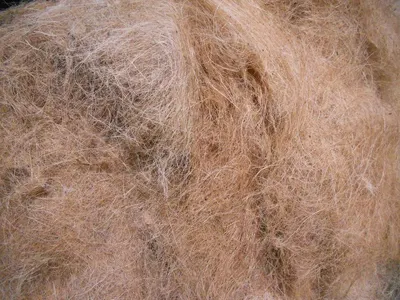
SMS Exporters is based in India and lists six distinct coir‑related products. The catalogue includes curled coir, coir fibre, coir pith, curled coir rope, coir yarn and coco peat. These items fall under the broader categories of Coir Fibers, Soil Conditioners and Coir Yarn as indicated in the top categories. The products correspond to HS code chapter 57, which covers vegetable fibres and related articles. SMS Exporters does not provide additional product specifications in the public data.

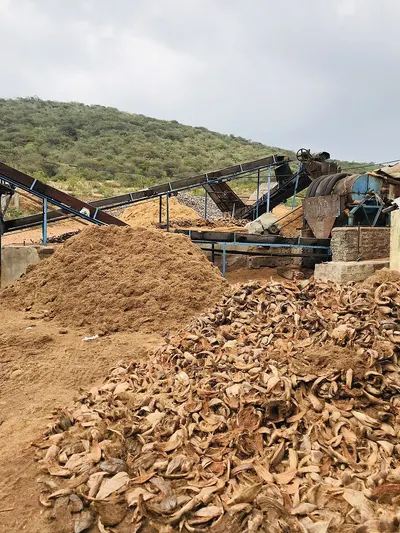
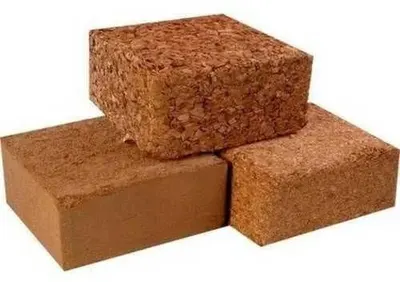
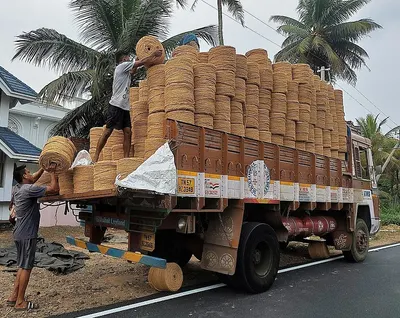
The coir fibre and curled coir are natural cellulose fibres extracted from coconut husk, commonly measured by length and moisture content. Coir yarn is spun from these fibres and is used in horticulture and geotextile applications. Coir pith and coco peat are organic soil conditioners derived from the same husk, valued for high water‑holding capacity and aeration. Curled coir rope is a twisted form of the fibre used for rope, matting and erosion‑control products. All six items are listed under the imported supplier tier and the harbor trust tier.

Product Range and Specialties of SMS Exporters

SMS Exporters’ catalogue comprises curled coir, coir fibre, coir pith, curled coir rope, coir yarn and coco peat. In the global market coir fibres are typically graded by length (45‑55 mm for high‑grade fibre), diameter (0.2‑0.5 mm), moisture content (<12 %) and bulk density (150‑200 kg m‑3). Coir yarn is usually specified by tex count (2‑8 tex) and tensile strength (15‑25 MPa). Coir pith and coco peat are evaluated on bulk density (0.12‑0.18 t m‑3), water‑holding capacity (70‑80 % of weight) and pH (5.5‑6.5). Curled coir rope is commonly rated by breaking load (300‑600 kg) and twist per metre. These products fall under HS 5703 (coir, coconut) and are shipped in bales or bulk bags suitable for 20‑ft or 40‑ft containers.

Trade and Export Information - SMS Exporters

India ranks among the world’s largest exporters of coir products, with major import destinations in the United States, the European Union, the Middle East and Southeast Asia. Buyers typically import coir under HS 5703 and related sub‑headings, which are subject to phytosanitary inspection and fumigation requirements in many jurisdictions. Common certifications requested by importers include ISO 9001 quality management, FSC chain‑of‑custody for sustainable sourcing, and a phytosanitary certificate confirming pest‑free status. Export shipments are usually packed in standard 20‑ft or 40‑ft containers on FOB or CIF terms, with moisture‑resistant polyethylene liners to preserve product integrity during sea transit. Indian exporters often work with customs brokers to ensure compliance with the Convention on International Trade in Endangered Species (CITES) when the raw material includes any protected species, although coconut is exempt.

Sourcing from SMS Exporters - Buyer Guidance

When sourcing coir products from SMS Exporters, buyers should request detailed product data sheets that list fibre length, moisture content, bulk density, pH (for coco peat) and tensile strength (for rope). Independent laboratory test reports such as ASTM D 571 (coir fibre) or ISO 16713 (coco peat) provide objective verification of quality. Buyers are advised to obtain a phytosanitary certificate, an origin declaration and, where required by the destination market, an ISO 9001 compliance statement before finalising the order. Verifying packaging dimensions, container loading plans and moisture‑proof bag specifications helps avoid damage during transit.

Frequently Asked Questions About SMS Exporters

What coir products are listed by SMS Exporters?

SMS Exporters lists six products: curled coir, coir fibre, coir pith, curled coir rope, coir yarn and coco peat.

Under which HS code are these coir items classified?

The products fall under HS chapter 57, specifically HS 5703 which covers coir, coconut and related articles.

What typical specifications should a buyer check for coir fibre?

Buyers usually verify fibre length (45‑55 mm), moisture content (<12 %), bulk density (150‑200 kg m‑3) and any relevant ASTM or ISO test reports.

Which certifications are commonly required for Indian coir exports?

Importers often require ISO 9001 for quality management, FSC certification for sustainable sourcing, and a phytosanitary certificate confirming pest‑free status.

What are the usual packaging formats for coir yarn and coco peat?

Coir yarn is typically wound on spools or packed in polypropylene bags, while coco peat and coir pith are shipped in bulk bags (15‑20 kg) or stacked in bales for container loading.

What documentation should be requested before placing an order?

Request a product data sheet, laboratory test report (e.g., ASTM D 571 for fibre), phytosanitary certificate, origin declaration and, if applicable, ISO 9001 compliance evidence.

Which markets most frequently import Indian coir products?

Major import markets include the United States, the European Union, the United Arab Emirates and other countries in Southeast Asia.

What logistics terms are typically used for shipping coir from India?

FOB (Free on Board) from Indian ports and CIF (Cost, Insurance, Freight) to the buyer’s destination are the most common Incoterms for these shipments.


Other Suppliers in Coir Fibers

Top Trusted Suppliers

Related Products in Coir Fibers

Trending in Parent Category

More Suppliers in Parent Category

Related Products

Other Suppliers

EximNext
7.1K+ live requirements
Register Free🎁 Reach global buyers
Post Requirement
🌍 Trusted by 225K+ businesses in 200+ countries|
7.1K+ active requirements right now
✉️ [email protected]
|
Sell on EximNextPost Requirement
EximNext
AgricultureApparelConstructionElectronicFoodHomeIndustrialMineralsMiscellaneous
🔥 Deals|✨ AI Match|🏭 Suppliers|📋 Buy Leads|💰 Trade Finance
7.1K+ live RFQs·194.8K+ suppliers
🎁 Reach global buyers →
EximNext
EximNext
Register Free
🎁 Reach global buyers
Sign In
📋Post Requirement💬Get Quotes✨AI Match📋RFQ Marketplace
All Categories
Services & Tools
🏭Supplier Directory🔥Today's Deals💰Trade Finance
Sell on EximNext →
AboutContactBlogHelp
Apparel & Home  ·  India
6
products listed

SMS Exporters

⚓ Harbor
Country flag , IndiaNew supplier / no reviews yet
🛡️
56/100
Trust Score

SMS Exporters Product Catalog

Showing 6 of 6 products
View all products →
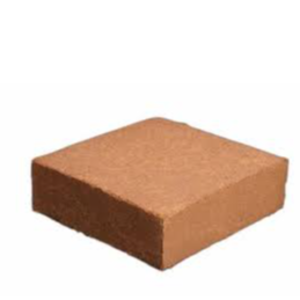
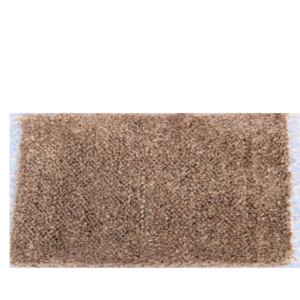
Coco Peat
⚓ Harbor
Coco Peat
Contact
MOQ: 1 Unit
Coir fibre
⚓ Harbor
Coir fibre
Contact
MOQ: 1 Unit
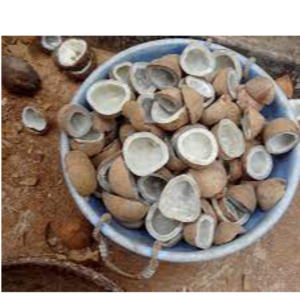
Coir pith
⚓ Harbor
Coir pith
Contact
MOQ: 1 Unit
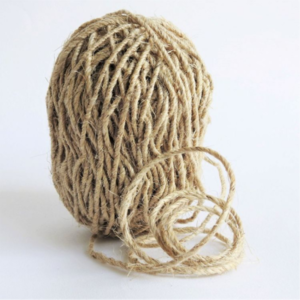
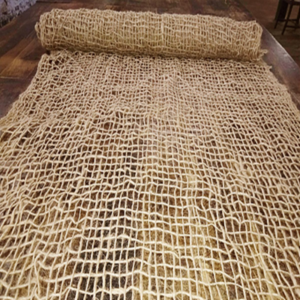
Curled coir rope
⚓ Harbor
Curled coir rope
Contact
MOQ: 1 Unit
Coir yarn
⚓ Harbor
Coir yarn
Contact
MOQ: 1 Unit
Curled coir
⚓ Harbor
Curled coir
Contact
MOQ: 1 Unit

About SMS Exporters - Coir Fibers Supplier in India

SMS Exporters is based in India and lists six distinct coir‑related products. The catalogue includes curled coir, coir fibre, coir pith, curled coir rope, coir yarn and coco peat. These items fall under the broader categories of Coir Fibers, Soil Conditioners and Coir Yarn as indicated in the top categories. The products correspond to HS code chapter 57, which covers vegetable fibres and related articles. SMS Exporters does not provide additional product specifications in the public data.

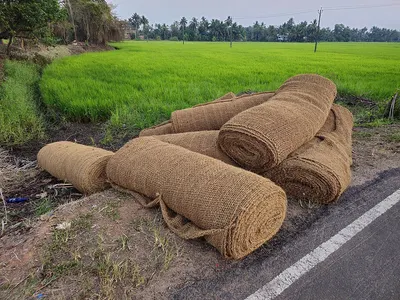
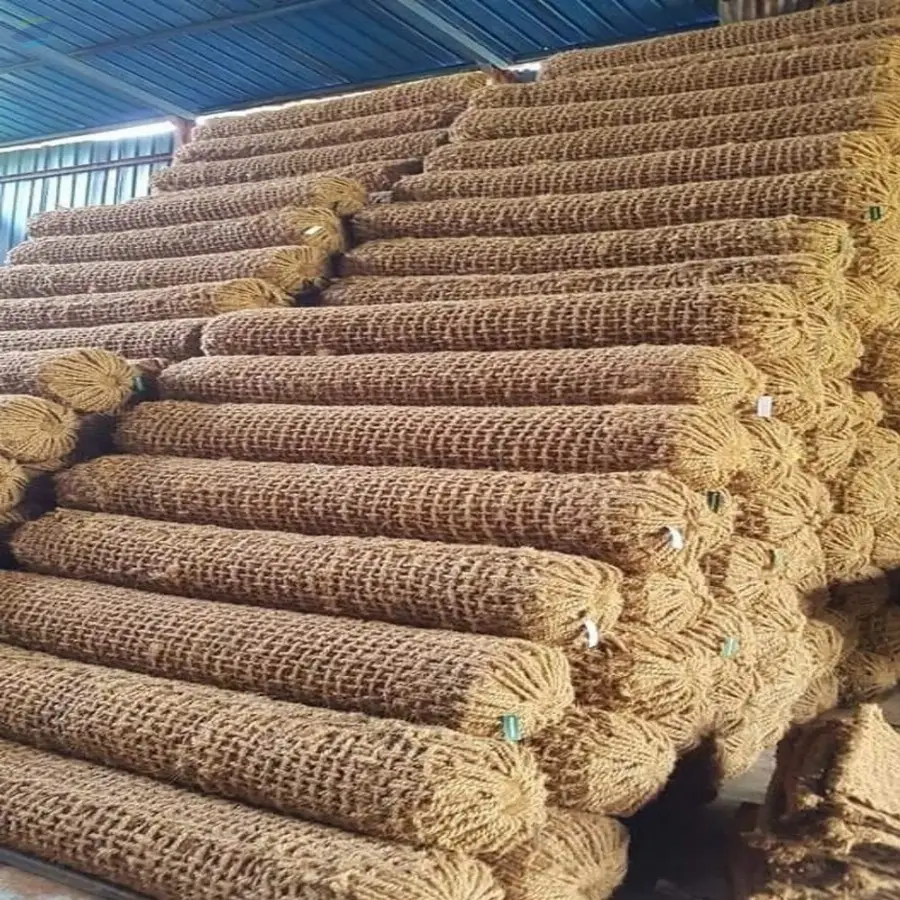
The coir fibre and curled coir are natural cellulose fibres extracted from coconut husk, commonly measured by length and moisture content. Coir yarn is spun from these fibres and is used in horticulture and geotextile applications. Coir pith and coco peat are organic soil conditioners derived from the same husk, valued for high water‑holding capacity and aeration. Curled coir rope is a twisted form of the fibre used for rope, matting and erosion‑control products. All six items are listed under the imported supplier tier and the harbor trust tier.

Product Range and Specialties of SMS Exporters

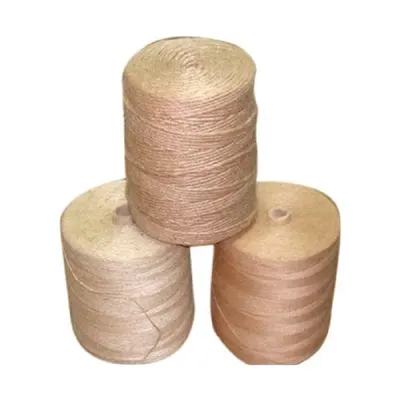
SMS Exporters’ catalogue comprises curled coir, coir fibre, coir pith, curled coir rope, coir yarn and coco peat. In the global market coir fibres are typically graded by length (45‑55 mm for high‑grade fibre), diameter (0.2‑0.5 mm), moisture content (<12 %) and bulk density (150‑200 kg m‑3). Coir yarn is usually specified by tex count (2‑8 tex) and tensile strength (15‑25 MPa). Coir pith and coco peat are evaluated on bulk density (0.12‑0.18 t m‑3), water‑holding capacity (70‑80 % of weight) and pH (5.5‑6.5). Curled coir rope is commonly rated by breaking load (300‑600 kg) and twist per metre. These products fall under HS 5703 (coir, coconut) and are shipped in bales or bulk bags suitable for 20‑ft or 40‑ft containers.

Trade and Export Information - SMS Exporters

India ranks among the world’s largest exporters of coir products, with major import destinations in the United States, the European Union, the Middle East and Southeast Asia. Buyers typically import coir under HS 5703 and related sub‑headings, which are subject to phytosanitary inspection and fumigation requirements in many jurisdictions. Common certifications requested by importers include ISO 9001 quality management, FSC chain‑of‑custody for sustainable sourcing, and a phytosanitary certificate confirming pest‑free status. Export shipments are usually packed in standard 20‑ft or 40‑ft containers on FOB or CIF terms, with moisture‑resistant polyethylene liners to preserve product integrity during sea transit. Indian exporters often work with customs brokers to ensure compliance with the Convention on International Trade in Endangered Species (CITES) when the raw material includes any protected species, although coconut is exempt.

Sourcing from SMS Exporters - Buyer Guidance

When sourcing coir products from SMS Exporters, buyers should request detailed product data sheets that list fibre length, moisture content, bulk density, pH (for coco peat) and tensile strength (for rope). Independent laboratory test reports such as ASTM D 571 (coir fibre) or ISO 16713 (coco peat) provide objective verification of quality. Buyers are advised to obtain a phytosanitary certificate, an origin declaration and, where required by the destination market, an ISO 9001 compliance statement before finalising the order. Verifying packaging dimensions, container loading plans and moisture‑proof bag specifications helps avoid damage during transit.

Frequently Asked Questions About SMS Exporters

What coir products are listed by SMS Exporters?

SMS Exporters lists six products: curled coir, coir fibre, coir pith, curled coir rope, coir yarn and coco peat.

Under which HS code are these coir items classified?

The products fall under HS chapter 57, specifically HS 5703 which covers coir, coconut and related articles.

What typical specifications should a buyer check for coir fibre?

Buyers usually verify fibre length (45‑55 mm), moisture content (<12 %), bulk density (150‑200 kg m‑3) and any relevant ASTM or ISO test reports.

Which certifications are commonly required for Indian coir exports?

Importers often require ISO 9001 for quality management, FSC certification for sustainable sourcing, and a phytosanitary certificate confirming pest‑free status.

What are the usual packaging formats for coir yarn and coco peat?

Coir yarn is typically wound on spools or packed in polypropylene bags, while coco peat and coir pith are shipped in bulk bags (15‑20 kg) or stacked in bales for container loading.

What documentation should be requested before placing an order?

Request a product data sheet, laboratory test report (e.g., ASTM D 571 for fibre), phytosanitary certificate, origin declaration and, if applicable, ISO 9001 compliance evidence.

Which markets most frequently import Indian coir products?

Major import markets include the United States, the European Union, the United Arab Emirates and other countries in Southeast Asia.

What logistics terms are typically used for shipping coir from India?

FOB (Free on Board) from Indian ports and CIF (Cost, Insurance, Freight) to the buyer’s destination are the most common Incoterms for these shipments.

About SMS Exporters - Coir Fibers Supplier in India

SMS Exporters is based in India and lists six distinct coir‑related products. The catalogue includes curled coir, coir fibre, coir pith, curled coir rope, coir yarn and coco peat. These items fall under the broader categories of Coir Fibers, Soil Conditioners and Coir Yarn as indicated in the top categories. The products correspond to HS code chapter 57, which covers vegetable fibres and related articles. SMS Exporters does not provide additional product specifications in the public data.

The coir fibre and curled coir are natural cellulose fibres extracted from coconut husk, commonly measured by length and moisture content. Coir yarn is spun from these fibres and is used in horticulture and geotextile applications. Coir pith and coco peat are organic soil conditioners derived from the same husk, valued for high water‑holding capacity and aeration. Curled coir rope is a twisted form of the fibre used for rope, matting and erosion‑control products. All six items are listed under the imported supplier tier and the harbor trust tier.

Product Range and Specialties of SMS Exporters

SMS Exporters’ catalogue comprises curled coir, coir fibre, coir pith, curled coir rope, coir yarn and coco peat. In the global market coir fibres are typically graded by length (45‑55 mm for high‑grade fibre), diameter (0.2‑0.5 mm), moisture content (<12 %) and bulk density (150‑200 kg m‑3). Coir yarn is usually specified by tex count (2‑8 tex) and tensile strength (15‑25 MPa). Coir pith and coco peat are evaluated on bulk density (0.12‑0.18 t m‑3), water‑holding capacity (70‑80 % of weight) and pH (5.5‑6.5). Curled coir rope is commonly rated by breaking load (300‑600 kg) and twist per metre. These products fall under HS 5703 (coir, coconut) and are shipped in bales or bulk bags suitable for 20‑ft or 40‑ft containers.

Trade and Export Information - SMS Exporters

India ranks among the world’s largest exporters of coir products, with major import destinations in the United States, the European Union, the Middle East and Southeast Asia. Buyers typically import coir under HS 5703 and related sub‑headings, which are subject to phytosanitary inspection and fumigation requirements in many jurisdictions. Common certifications requested by importers include ISO 9001 quality management, FSC chain‑of‑custody for sustainable sourcing, and a phytosanitary certificate confirming pest‑free status. Export shipments are usually packed in standard 20‑ft or 40‑ft containers on FOB or CIF terms, with moisture‑resistant polyethylene liners to preserve product integrity during sea transit. Indian exporters often work with customs brokers to ensure compliance with the Convention on International Trade in Endangered Species (CITES) when the raw material includes any protected species, although coconut is exempt.

Sourcing from SMS Exporters - Buyer Guidance

When sourcing coir products from SMS Exporters, buyers should request detailed product data sheets that list fibre length, moisture content, bulk density, pH (for coco peat) and tensile strength (for rope). Independent laboratory test reports such as ASTM D 571 (coir fibre) or ISO 16713 (coco peat) provide objective verification of quality. Buyers are advised to obtain a phytosanitary certificate, an origin declaration and, where required by the destination market, an ISO 9001 compliance statement before finalising the order. Verifying packaging dimensions, container loading plans and moisture‑proof bag specifications helps avoid damage during transit.

Frequently Asked Questions About SMS Exporters
What coir products are listed by SMS Exporters?
SMS Exporters lists six products: curled coir, coir fibre, coir pith, curled coir rope, coir yarn and coco peat.
Under which HS code are these coir items classified?
The products fall under HS chapter 57, specifically HS 5703 which covers coir, coconut and related articles.
What typical specifications should a buyer check for coir fibre?
Buyers usually verify fibre length (45‑55 mm), moisture content (<12 %), bulk density (150‑200 kg m‑3) and any relevant ASTM or ISO test reports.
Which certifications are commonly required for Indian coir exports?
Importers often require ISO 9001 for quality management, FSC certification for sustainable sourcing, and a phytosanitary certificate confirming pest‑free status.
What are the usual packaging formats for coir yarn and coco peat?
Coir yarn is typically wound on spools or packed in polypropylene bags, while coco peat and coir pith are shipped in bulk bags (15‑20 kg) or stacked in bales for container loading.
What documentation should be requested before placing an order?
Request a product data sheet, laboratory test report (e.g., ASTM D 571 for fibre), phytosanitary certificate, origin declaration and, if applicable, ISO 9001 compliance evidence.
Which markets most frequently import Indian coir products?
Major import markets include the United States, the European Union, the United Arab Emirates and other countries in Southeast Asia.
What logistics terms are typically used for shipping coir from India?
FOB (Free on Board) from Indian ports and CIF (Cost, Insurance, Freight) to the buyer’s destination are the most common Incoterms for these shipments.

SMS Exporters
Country flag India
⚓ HarborApparel & Home
56/100
Trust Score
6
Products
✓ Free to contact — no commission
✓ Escrow payment available
✓ Verified business identity
Compare more suppliers
Post a requirement — get 10 quotes free
Let verified suppliers compete for your business. Free, fast, no commitment.
Due Diligence
Verify this supplier's real shipping history.
Every shipment, every buyer, every port. Trade data that can't be faked.
Run due diligence →
Discover More

Related Suppliers & Products

Explore similar suppliers, related products and trending categories

Other Suppliers in Coir Fibers

Top Trusted Suppliers

Related Products in Coir Fibers

Trending in Parent Category

More Suppliers in Parent Category

Stay ahead in global trade
Weekly market insights & new supplier alerts.
EximNext
Exim Next is a leading global B2B marketplace, connecting over 220,000 registered suppliers and buyers across 200+ countries. As a trusted import export marketplace, it serves as the essential B2B portal for businesses worldwide, empowering them to expand their international reach. With Exim Next, businesses can trade smarter and grow faster.
SECURE PAYMENTS
VISAMastercardPayPalSWIFTL/CEscrow
Follow us
© 2026 EximNext