Indo Agri Center — Verified Suppliers
About Indo Agri Center - Tea Supplier in Indonesia
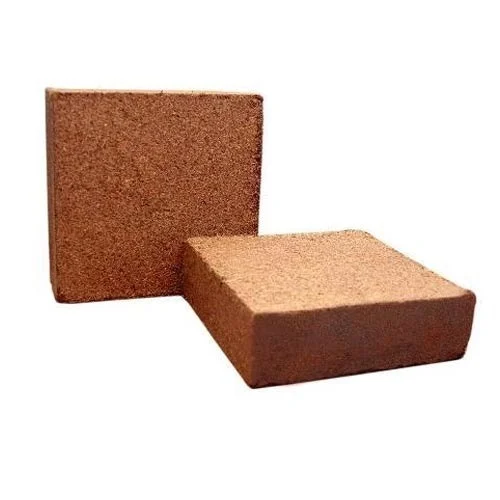
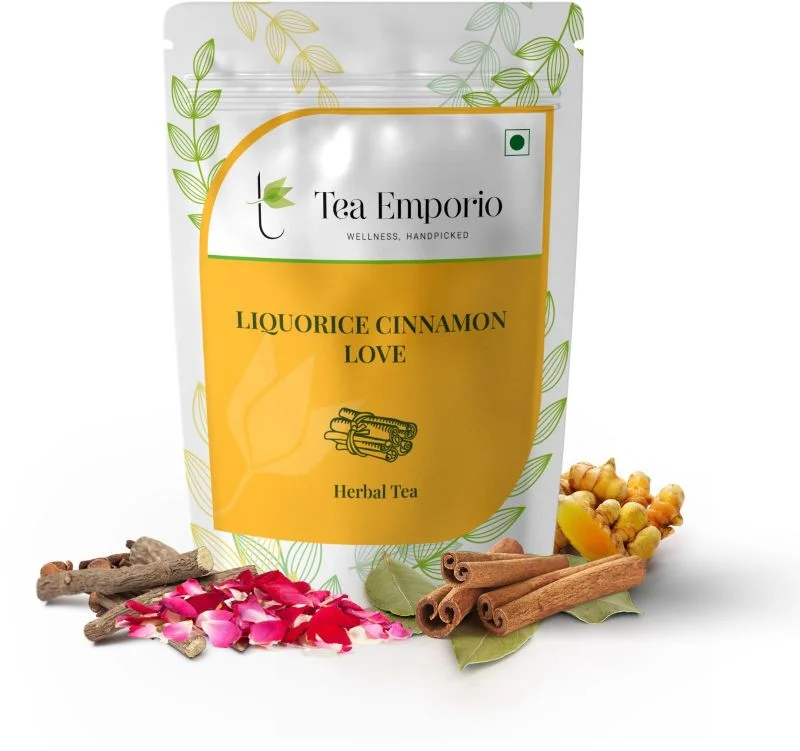
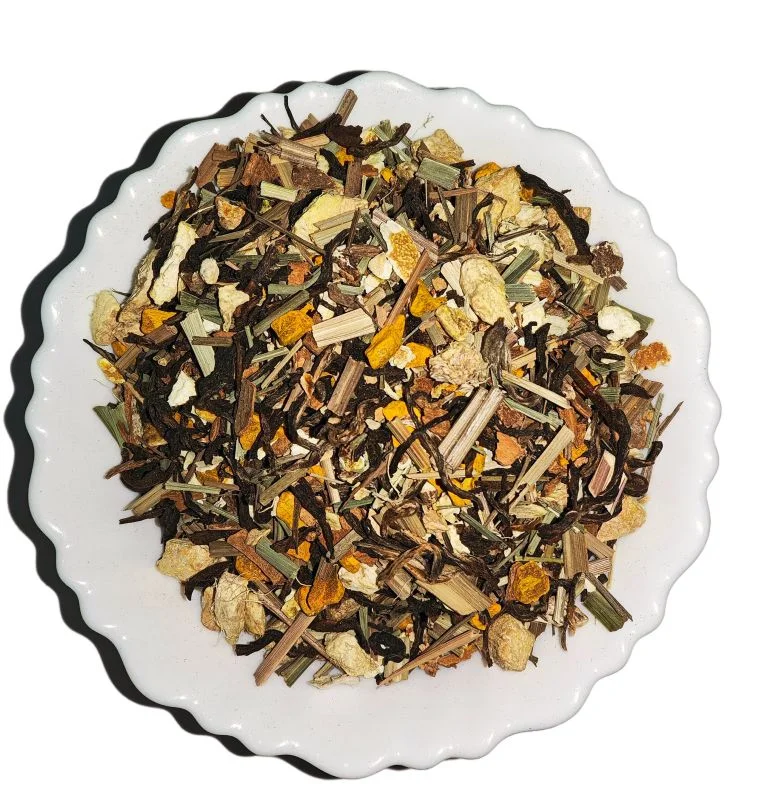
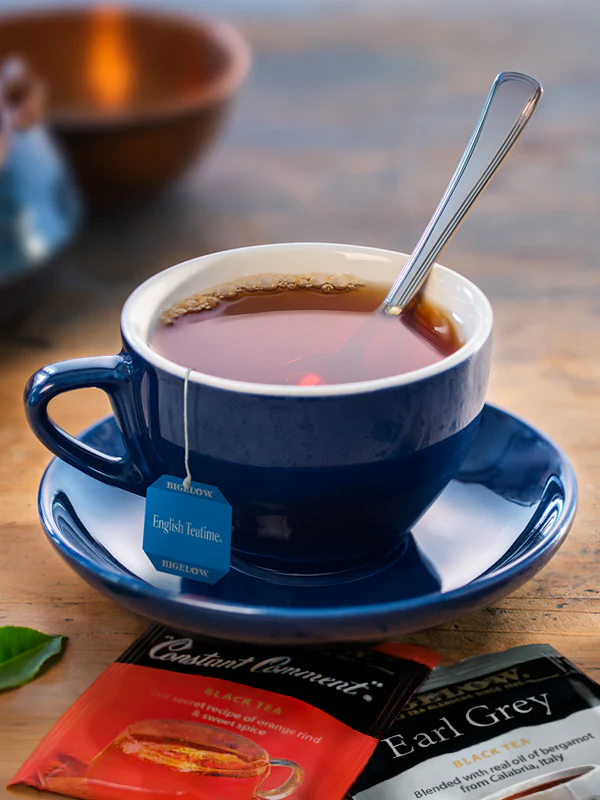
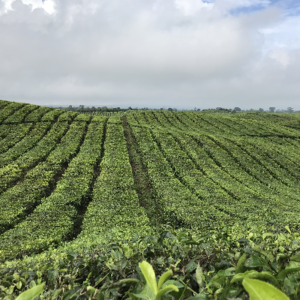
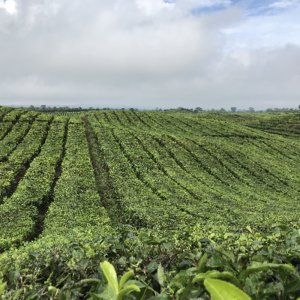
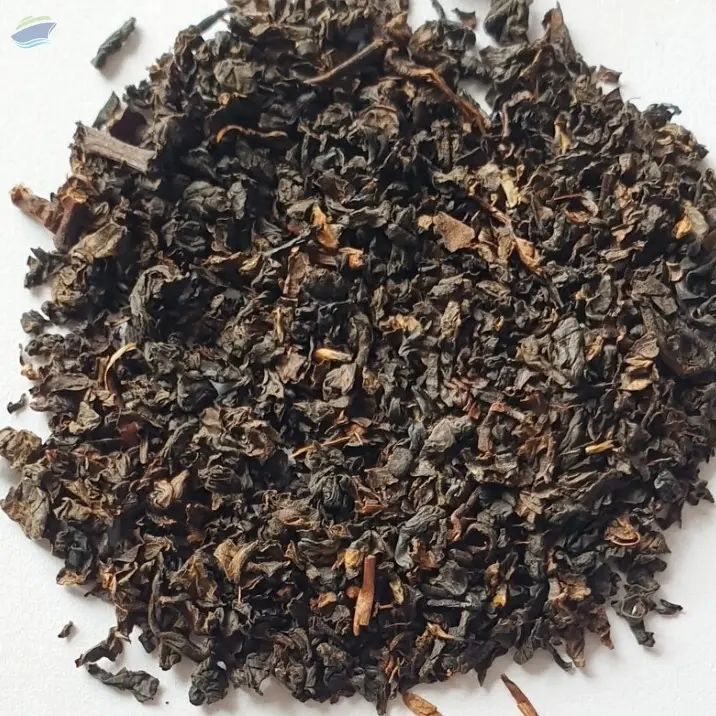
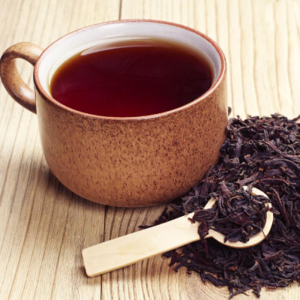
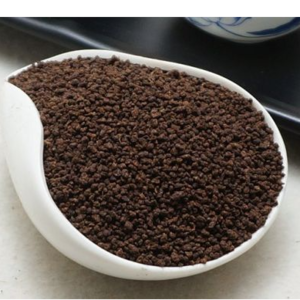
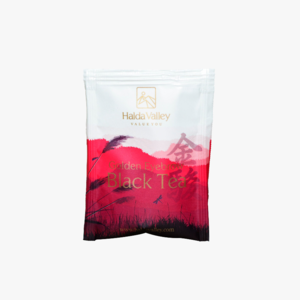
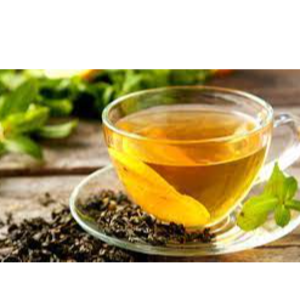
Indo Agri Center operates from North Sumatera Province in Indonesia and currently lists eight active products in its catalogue. The company’s portfolio focuses on tea derivatives and coconut‑derived coir fibers. Products include Tea Bag Retail (HS 0902.30), Black Tea Bulk (HS 0902.40), Brewed Tea Retail (HS 0902.30), and several packaged black tea variants also classified under HS 0902.40. In the coir segment the supplier offers Cocobristle / Bristle Fiber (HS 5305.19) and a generic Cocobristle product. Each entry specifies the material, such as Camellia sinensis leaves for tea and coconut coir pith for bristle fiber.
The tea items cover both bulk leaf shipments and ready‑to‑drink retail formats, with the HS 0902.30 code applied to finished tea bags and brewed tea, while HS 0902.40 applies to unprocessed or packaged leaf tea. The coir products fall under the HS 5305.19 chapter for other vegetable fibres, a category commonly used for horticultural substrates and industrial bristles. The supplier’s catalogue does not list any additional product categories beyond these eight items. No specific certifications are mentioned in the provided facts. The product count and HS classifications give buyers a clear framework for customs reporting and tariff assessment.
Product Range and Specialties of Indo Agri Center
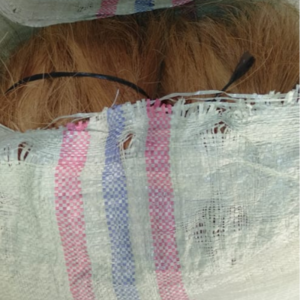
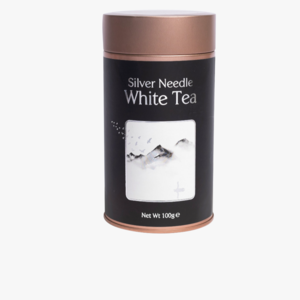
Tea exported from Indonesia is typically graded by leaf size and oxidation level, with categories such as Fine Tea (FT), Orange Pekoe (OP) and Broken Leaf (BOP) for black tea, and Silver Needle or White Tea for premium white varieties. Buyers often require moisture content below 5 % for bulk leaf and a caffeine content consistent with the declared grade. Retail tea bags are usually packed in 20 kg polypropylene bags or 250 g cartons, and brewed tea for retail is commonly supplied in 500 ml PET bottles. For organic tea, compliance with USDA Organic or EU Organic standards is frequently requested. Coir bristle fiber is evaluated by fiber length (typically 30 - 70 mm), tensile strength (around 30 - 50 MPa), and moisture content below 12 %, and is supplied in bales or bulk bags of 25 kg.
The catalogue’s Black Tea Bulk aligns with the bulk leaf market used by tea manufacturers in Europe and the Middle East, while Tea Bag Retail matches the demand from fast‑moving consumer goods distributors in Southeast Asia and North America. Cocobristle fibers are commonly employed in horticultural growing media, erosion control mats, and as brush material for cleaning brushes, making them relevant to agricultural, landscaping and industrial buyers.
Trade and Export Information - Indo Agri Center
Indonesia ranks among the top global exporters of tea and coconut coir, shipping the majority of its output via the ports of Belawan and Jakarta. HS 0902.30 and 0902.40 tea codes are subject to phytosanitary certificates and, for organic variants, additional organic‑origin certificates. HS 5305.19 coir fibers typically require a fumigation certificate and compliance with ISPM 15 for wood‑packaging equivalents when shipped in containers.
Major import regions for Indonesian tea include the European Union, the United States, the United Arab Emirates and Japan, while coir fiber buyers are concentrated in the United States, the Netherlands and India. Standard Incoterms used are FOB Belawan for bulk tea and CIF for packaged tea bags; coir is often shipped FOB with 20‑ft or 40‑ft containers holding up to 22 tons. Buyers should anticipate container loading plans that respect the weight limits of the HS code classifications and ensure proper ventilation for moisture‑sensitive tea.
Sourcing from Indo Agri Center - Buyer Guidance
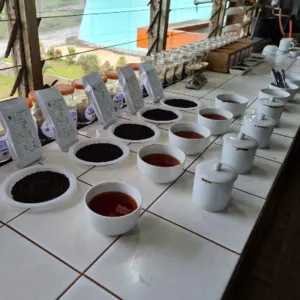
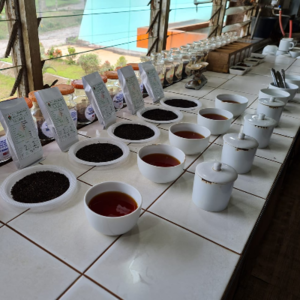
When sourcing tea from Indo Agri Center, buyers should request a certified sample analysis for moisture, pesticide residues and caffeine content, and verify that the sample matches the declared grade (e.g., FT, OP). A phytosanitary certificate and, where applicable, an organic certification should be obtained before shipment. For coir bristle fiber, buyers typically ask for a material test report showing fiber length distribution, tensile strength and moisture content, together with a fumigation certificate.
Buyers should confirm the HS code to be used on the commercial invoice, as mismatches can trigger customs delays. Minimum order quantities for bulk tea are often expressed in metric tonnes (e.g., 5 t), while tea bag retail orders may start at a single 20 kg bag. Lead times for processed tea bags range from 30 to 45 days after order confirmation, whereas bulk leaf shipments may require 20 days. Packaging should be inspected for integrity, and any repacking for secondary markets must comply with the destination country’s labeling regulations.
Frequently Asked Questions About Indo Agri Center
What tea products does Indo Agri Center offer and under which HS codes?
Indo Agri Center lists Tea Bag Retail (HS 0902.30), Black Tea Bulk (HS 0902.40), Brewed Tea Retail (HS 0902.30), Black Tea (HS 0902.40), Black Tea (Packaged) (HS 0902.40) and Black Tea (Tea Bag) (HS 0902.30). Each product is described as being made from Camellia sinensis leaves.
Does the supplier provide any certifications for its tea products?
The supplied facts do not mention any certifications. Buyers should request standard food‑safety certifications such as ISO 22000, HACCP, or organic certificates if required for the destination market.
What are the typical specifications buyers look for in Indonesian black tea?
Buyers usually require moisture below 5 %, a defined leaf grade (FT, OP, BOP), caffeine content within 3 - 4 % and compliance with pesticide residue limits set by the importing country.
Which coir fiber products are available and what HS code applies?
The catalogue includes Cocobristle / Bristle Fiber and a generic Cocobristle product, both classified under HS 5305.19 and derived from coconut coir pith.
What quality tests are commonly requested for coir bristle fibers?
Typical tests cover fiber length (30 - 70 mm), tensile strength (30 - 50 MPa), moisture content (<12 %) and a fumigation or phytosanitary certificate to satisfy import regulations.
What are the usual packaging formats for the tea bag products?
Tea bags are commonly packed in 20 kg polypropylene bulk bags or 250 g retail cartons, with secondary cardboard boxes used for container loading.
What Incoterms are most frequently used for exporting these goods from Indonesia?
Exporters usually operate on FOB terms from Belawan or Jakarta for bulk tea and coir, while CIF terms are common for finished tea bags destined for overseas markets.




 , Indonesia