Coco International — Verified Supplier

About Coco International - Coir Products Supplier in Sri Lanka

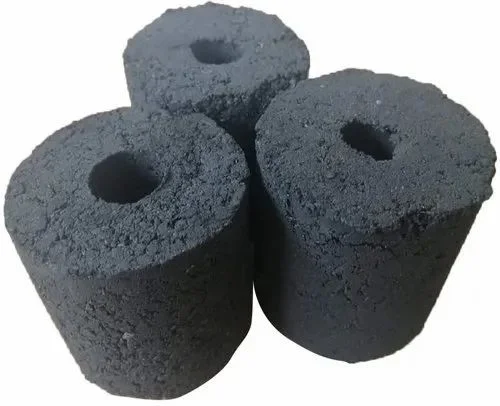
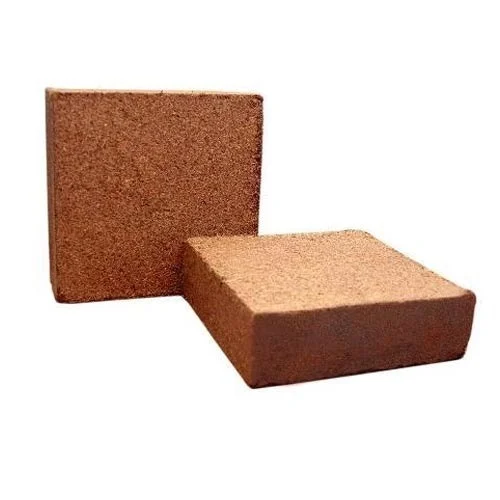
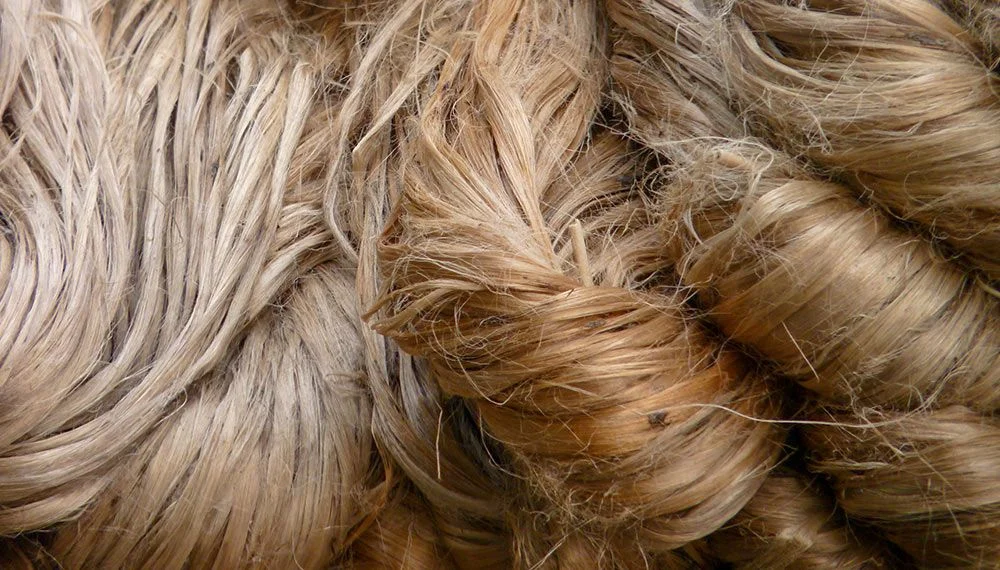
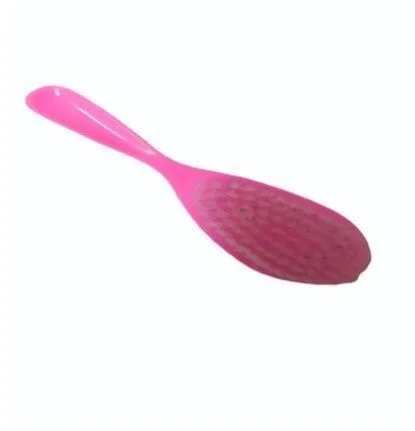
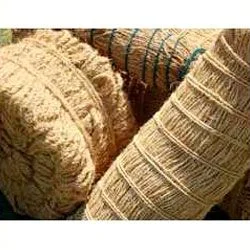
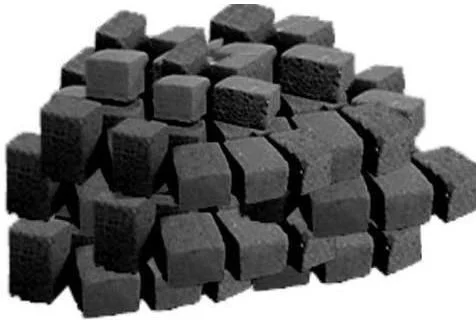
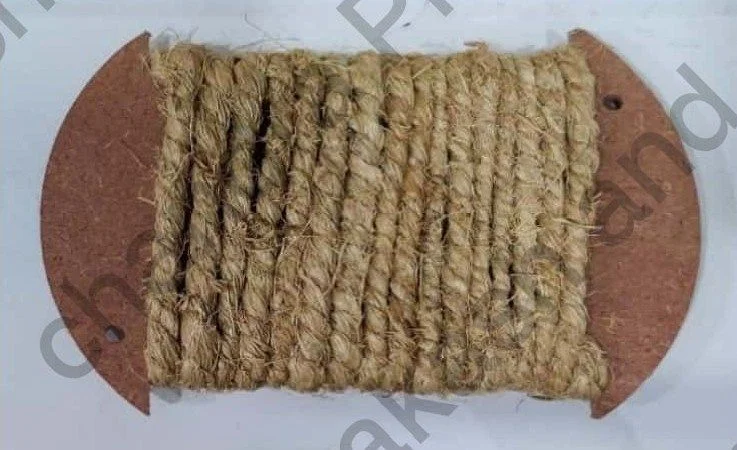
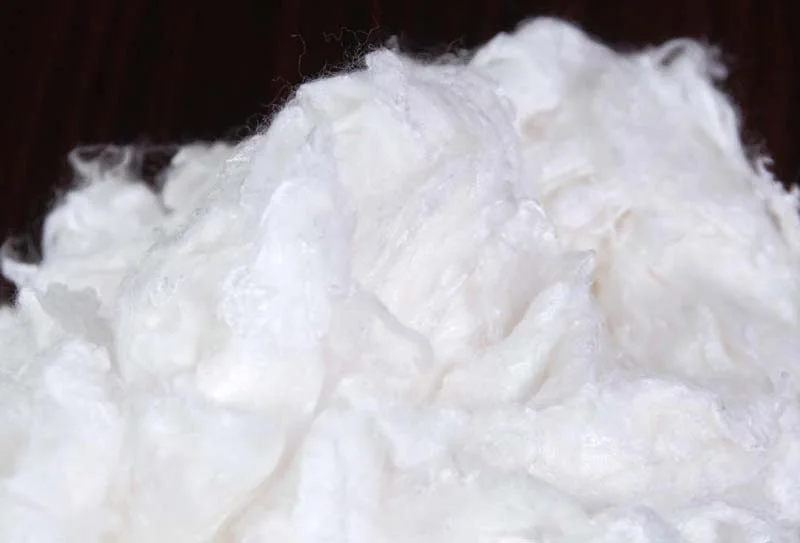
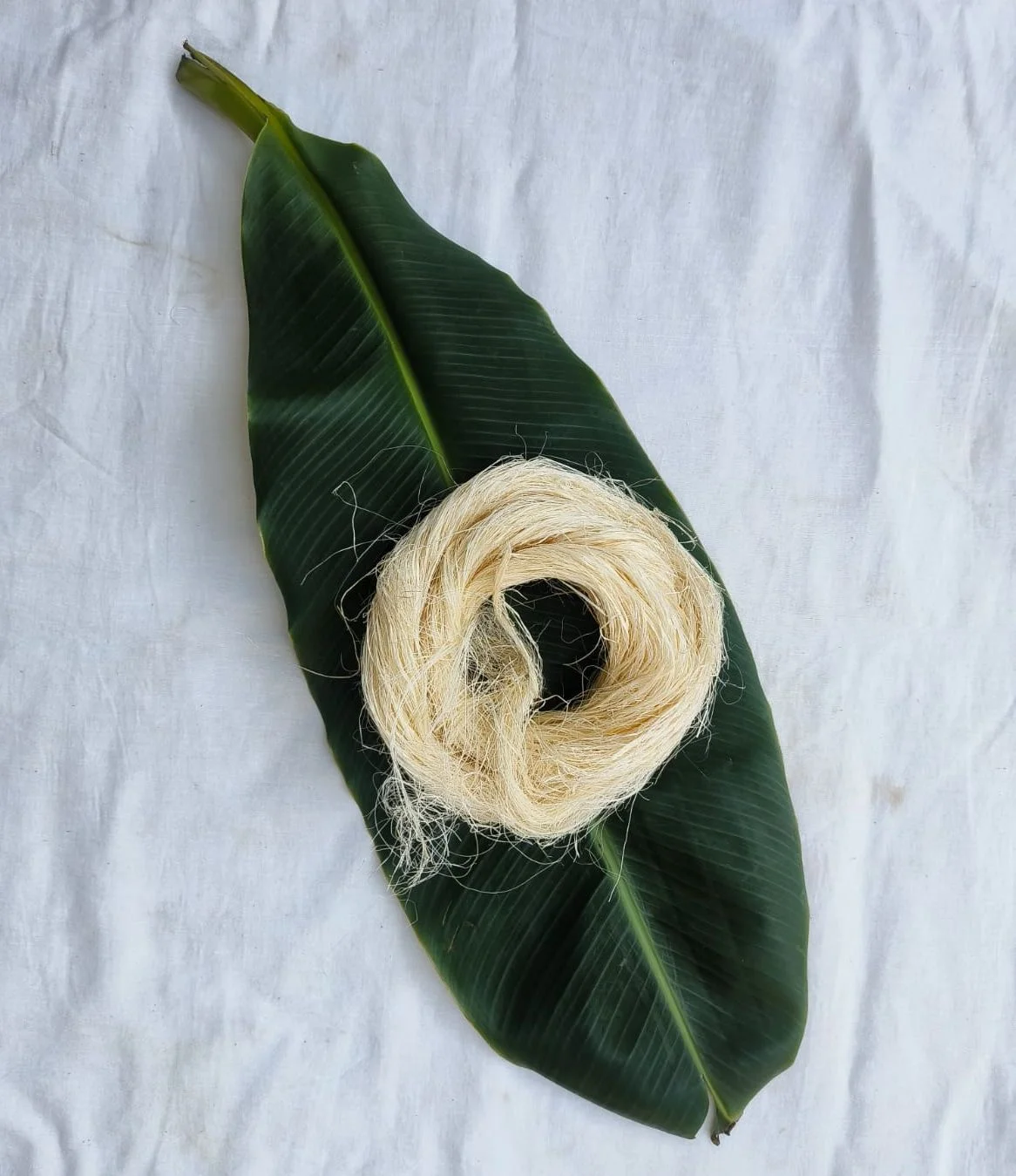
Sri Lanka hosts Coco International, a supplier that currently lists 11 distinct coir‑related products. The catalogue covers four top categories - Coir Fibers, Coco Peat & Coir Pith, Coir Yarn and Coconut Shell Charcoal - and includes items such as Bristel Fiber, Mattress Fiber, Machine Twisted Fiber (FMT), Colour Fiber, 25 kg Coco Peat Bales, 5 kg Coco Peat Bales, Coir Fibre Brushes (thawashi), Coir Yarn - Korean Quality (HS 5402.33, polypropylene filament), Coir Yarn - Karachi Quality, Coir Rope - USA Quality and Coconut Shell Lump Charcoal.

The product list groups raw and processed coir fibers, bulk peat bales for horticultural use, yarns blended with synthetic filaments, a rope variant, and a lump charcoal derived from coconut shells. The only HS‑code explicitly supplied is 5402.33 for the Korean‑quality yarn, which falls under the polymer filament yarn chapter, while the remaining items align with typical HS chapters for natural fibre products and charcoal.

Product Range and Specialties of Coco International

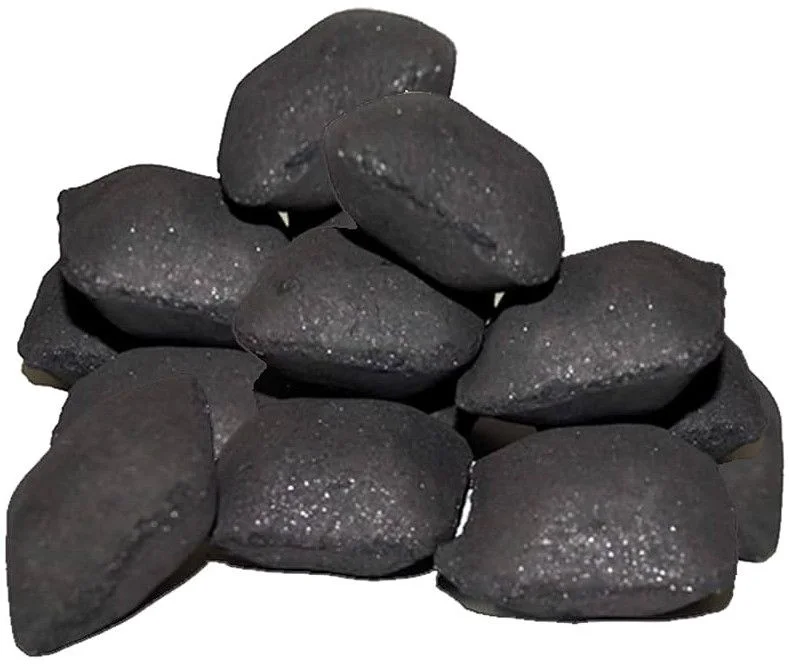
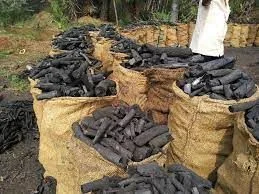
The catalogue’s fibre line includes Bristel, Mattress and Machine‑Twisted (FMT) fibers, each commonly graded by fineness (e.g., 1st‑grade 5‑10 mm length, 2nd‑grade 10‑15 mm) and moisture content between 8 % and 12 %. Coco peat is offered in 25 kg and 5 kg bales; industry standards target a bulk density of 0.10‑0.15 g/cm³ and a moisture level below 12 % for optimal water‑retention in horticulture. Coir yarns are blended with polypropylene filament; typical specifications cite a denier of 150‑300 dtex, tensile strength of 25‑35 MPa, and a twist of 2‑3 turns per cm. Coconut shell lump charcoal is usually graded by fixed‑carbon content (>75 %) and ash content (<5 %).

Trade and Export Information - Coco International

Sri Lanka is a recognised exporter of coir and coconut‑shell products, with major shipment corridors to Europe, North America, the Middle East and South‑East Asia. Buyers typically import coir fibres under HS 5701, coir yarns under HS 5702, and coconut‑shell charcoal under HS 1201, while the polymer‑based yarn listed by Coco International falls under HS 5402.33. Importing countries often require ISO 9001 quality‑management certification, SGS inspection reports and a phytosanitary certificate for raw fibre and peat, while charcoal buyers frequently request compliance with ISO 17225‑2 (solid bio‑fuels). Standard logistics involve 20‑ft containers for bulk bales or 40‑ft containers for yarn rolls, with freight terms such as CIF or FOB commonly used.

Sourcing from Coco International - Buyer Guidance

When sourcing from Coco International, buyers should request a product data sheet that confirms fibre length distribution, moisture content, bulk density for peat and tensile strength for yarn. Sample testing against ASTM D 3842 (coir fibre) or ISO 17225‑2 (charcoal) is advisable, and buyers should verify that the supplier can provide SGS or equivalent third‑party inspection certificates. Clarify packaging details - e.g., polypropylene‑lined 25 kg bales, jute‑wrapped 5 kg bales, or sealed yarn rolls - and confirm the HS code to ensure correct customs classification before shipment.

Frequently Asked Questions About Coco International

What coir fibre types does Coco International offer?

The supplier lists Bristel Fiber, Mattress Fiber, Machine‑Twisted Fibre (FMT) and Colour Fibre. Each type is typically graded by length (5‑15 mm) and moisture (8‑12 %).

Are there standard specifications for the coco peat bales?

Coco peat is supplied in 25 kg and 5 kg bales. Industry standards aim for a bulk density of 0.10‑0.15 g/cm³ and moisture below 12 % to ensure consistent water‑retention for horticultural use.

What is the HS code for the coir yarn offered by Coco International?

The Korean‑quality coir yarn is listed with HS 5402.33, which belongs to the polymer filament yarn chapter. Other coir yarns fall under the natural fibre yarn HS 5702 family.

Which certifications should a buyer request for coir products?

Buyers normally ask for ISO 9001 quality‑management certification, an SGS inspection report and a phytosanitary certificate for raw fibre and peat. For charcoal, ISO 17225‑2 compliance is commonly required.

What are typical minimum order quantities and lead times?

For bulk peat bales, a common MOQ is 10 bales (approximately 250 kg) and for yarn rolls an MOQ of 500 m is typical. Lead times range from 30 to 45 days after order confirmation, depending on product availability.

How are the products packaged for export?

Coco peat bales are packed in polypropylene‑lined bags (25 kg) or jute bags (5 kg). Coir yarn is shipped on sealed cardboard cores, and charcoal lumps are bagged in 25 kg polypropylene sacks, all suitable for container loading.

Which markets import Sri Lankan coir products most frequently?

Europe (especially the Netherlands and Germany), the United States, the United Arab Emirates and India are the largest importers of Sri Lankan coir fibre, yarn and charcoal.

What documentation is needed for customs clearance?

Customs typically require a commercial invoice, packing list, the correct HS code declaration, a phytosanitary certificate for fibre/peat and, where applicable, a third‑party inspection report (e.g., SGS).


Featured Products from this Supplier

Other Suppliers in Primary Category

Top Trusted Suppliers

Related Products

Trending in Parent Category

More Suppliers in Category

Related Products

Other Suppliers

EximNext
58.4K+ live requirements
Register Free🎁 5 free buy-lead credits
Post Requirement
🌍 Trusted by 224.3K+ businesses in 200+ countries|
58.4K+ active requirements right now
✉️ [email protected]
|
Sell on EximNextPost Requirement
EximNext
AgricultureApparelConstructionElectronicFoodHomeIndustrialMineralsMiscellaneous
🔥 Deals|✨ AI Match|🏭 Suppliers|📋 Buy Leads|💰 Trade Finance|⭐ Upgrade
58.4K+ live RFQs·194.4K+ suppliers
🎁 5 free credits →
EximNext
EximNext
Register Free
🎁 5 free buy-lead credits
Sign In
📋Post Requirement💬Get QuotesAI Match📋RFQ Marketplace
All Categories
Services & Tools
🏭Supplier Directory🔥Today's Deals💰Trade FinanceMembership
Sell on EximNext
AboutContactBlogHelp
🏭

Coco International

Harbor
Country flag , Sri Lanka
🛡️
55/100
Trust Score

Coco International Product Catalog

Showing 11 of 11 products
View all products →
Coconut Shell Lump Charcoal
Harbor
Coconut Shell Lump Charcoal
Contact
MOQ: 1 Unit
Coir Rope - USA Quality
Harbor
Coir Rope - USA Quality
Contact
MOQ: 1 Unit
Bristel Fiber
Harbor
Bristel Fiber
Contact
MOQ: 1 Unit
Mattress Fiber / Mixed Fiber
Harbor
Mattress Fiber / Mixed Fiber
Contact
MOQ: 1 Unit
Machine Twisted Fiber (FMT)
Harbor
Machine Twisted Fiber (FMT)
Contact
MOQ: 1 Unit
Colour Fiber
Harbor
Colour Fiber
Contact
MOQ: 1 Unit
25 Coco Peat Bale
Harbor
25 Coco Peat Bale
Contact
MOQ: 1 Unit
5kg Coco Peat Bale
Harbor
5kg Coco Peat Bale
Contact
MOQ: 1 Unit
Coir Fibre Brush (thawashi Brushes)
Harbor
Coir Fibre Brush (thawashi Brushes)
Contact
MOQ: 1 Unit
Coir Yarn - Korean Quality
Harbor
Coir Yarn - Korean Quality
Contact
MOQ: 1 Unit
Coir Yarn Karachi Quality
Harbor
Coir Yarn Karachi Quality
Contact
MOQ: 1 Unit

About Coco International - Coir Products Supplier in Sri Lanka

Sri Lanka hosts Coco International, a supplier that currently lists 11 distinct coir‑related products. The catalogue covers four top categories - Coir Fibers, Coco Peat & Coir Pith, Coir Yarn and Coconut Shell Charcoal - and includes items such as Bristel Fiber, Mattress Fiber, Machine Twisted Fiber (FMT), Colour Fiber, 25 kg Coco Peat Bales, 5 kg Coco Peat Bales, Coir Fibre Brushes (thawashi), Coir Yarn - Korean Quality (HS 5402.33, polypropylene filament), Coir Yarn - Karachi Quality, Coir Rope - USA Quality and Coconut Shell Lump Charcoal.

The product list groups raw and processed coir fibers, bulk peat bales for horticultural use, yarns blended with synthetic filaments, a rope variant, and a lump charcoal derived from coconut shells. The only HS‑code explicitly supplied is 5402.33 for the Korean‑quality yarn, which falls under the polymer filament yarn chapter, while the remaining items align with typical HS chapters for natural fibre products and charcoal.

Product Range and Specialties of Coco International

The catalogue’s fibre line includes Bristel, Mattress and Machine‑Twisted (FMT) fibers, each commonly graded by fineness (e.g., 1st‑grade 5‑10 mm length, 2nd‑grade 10‑15 mm) and moisture content between 8 % and 12 %. Coco peat is offered in 25 kg and 5 kg bales; industry standards target a bulk density of 0.10‑0.15 g/cm³ and a moisture level below 12 % for optimal water‑retention in horticulture. Coir yarns are blended with polypropylene filament; typical specifications cite a denier of 150‑300 dtex, tensile strength of 25‑35 MPa, and a twist of 2‑3 turns per cm. Coconut shell lump charcoal is usually graded by fixed‑carbon content (>75 %) and ash content (<5 %).

Trade and Export Information - Coco International

Sri Lanka is a recognised exporter of coir and coconut‑shell products, with major shipment corridors to Europe, North America, the Middle East and South‑East Asia. Buyers typically import coir fibres under HS 5701, coir yarns under HS 5702, and coconut‑shell charcoal under HS 1201, while the polymer‑based yarn listed by Coco International falls under HS 5402.33. Importing countries often require ISO 9001 quality‑management certification, SGS inspection reports and a phytosanitary certificate for raw fibre and peat, while charcoal buyers frequently request compliance with ISO 17225‑2 (solid bio‑fuels). Standard logistics involve 20‑ft containers for bulk bales or 40‑ft containers for yarn rolls, with freight terms such as CIF or FOB commonly used.

Sourcing from Coco International - Buyer Guidance

When sourcing from Coco International, buyers should request a product data sheet that confirms fibre length distribution, moisture content, bulk density for peat and tensile strength for yarn. Sample testing against ASTM D 3842 (coir fibre) or ISO 17225‑2 (charcoal) is advisable, and buyers should verify that the supplier can provide SGS or equivalent third‑party inspection certificates. Clarify packaging details - e.g., polypropylene‑lined 25 kg bales, jute‑wrapped 5 kg bales, or sealed yarn rolls - and confirm the HS code to ensure correct customs classification before shipment.

Frequently Asked Questions About Coco International

What coir fibre types does Coco International offer?

The supplier lists Bristel Fiber, Mattress Fiber, Machine‑Twisted Fibre (FMT) and Colour Fibre. Each type is typically graded by length (5‑15 mm) and moisture (8‑12 %).

Are there standard specifications for the coco peat bales?

Coco peat is supplied in 25 kg and 5 kg bales. Industry standards aim for a bulk density of 0.10‑0.15 g/cm³ and moisture below 12 % to ensure consistent water‑retention for horticultural use.

What is the HS code for the coir yarn offered by Coco International?

The Korean‑quality coir yarn is listed with HS 5402.33, which belongs to the polymer filament yarn chapter. Other coir yarns fall under the natural fibre yarn HS 5702 family.

Which certifications should a buyer request for coir products?

Buyers normally ask for ISO 9001 quality‑management certification, an SGS inspection report and a phytosanitary certificate for raw fibre and peat. For charcoal, ISO 17225‑2 compliance is commonly required.

What are typical minimum order quantities and lead times?

For bulk peat bales, a common MOQ is 10 bales (approximately 250 kg) and for yarn rolls an MOQ of 500 m is typical. Lead times range from 30 to 45 days after order confirmation, depending on product availability.

How are the products packaged for export?

Coco peat bales are packed in polypropylene‑lined bags (25 kg) or jute bags (5 kg). Coir yarn is shipped on sealed cardboard cores, and charcoal lumps are bagged in 25 kg polypropylene sacks, all suitable for container loading.

Which markets import Sri Lankan coir products most frequently?

Europe (especially the Netherlands and Germany), the United States, the United Arab Emirates and India are the largest importers of Sri Lankan coir fibre, yarn and charcoal.

What documentation is needed for customs clearance?

Customs typically require a commercial invoice, packing list, the correct HS code declaration, a phytosanitary certificate for fibre/peat and, where applicable, a third‑party inspection report (e.g., SGS).

About Coco International - Coir Products Supplier in Sri Lanka

Sri Lanka hosts Coco International, a supplier that currently lists 11 distinct coir‑related products. The catalogue covers four top categories - Coir Fibers, Coco Peat & Coir Pith, Coir Yarn and Coconut Shell Charcoal - and includes items such as Bristel Fiber, Mattress Fiber, Machine Twisted Fiber (FMT), Colour Fiber, 25 kg Coco Peat Bales, 5 kg Coco Peat Bales, Coir Fibre Brushes (thawashi), Coir Yarn - Korean Quality (HS 5402.33, polypropylene filament), Coir Yarn - Karachi Quality, Coir Rope - USA Quality and Coconut Shell Lump Charcoal.

The product list groups raw and processed coir fibers, bulk peat bales for horticultural use, yarns blended with synthetic filaments, a rope variant, and a lump charcoal derived from coconut shells. The only HS‑code explicitly supplied is 5402.33 for the Korean‑quality yarn, which falls under the polymer filament yarn chapter, while the remaining items align with typical HS chapters for natural fibre products and charcoal.

Product Range and Specialties of Coco International

The catalogue’s fibre line includes Bristel, Mattress and Machine‑Twisted (FMT) fibers, each commonly graded by fineness (e.g., 1st‑grade 5‑10 mm length, 2nd‑grade 10‑15 mm) and moisture content between 8 % and 12 %. Coco peat is offered in 25 kg and 5 kg bales; industry standards target a bulk density of 0.10‑0.15 g/cm³ and a moisture level below 12 % for optimal water‑retention in horticulture. Coir yarns are blended with polypropylene filament; typical specifications cite a denier of 150‑300 dtex, tensile strength of 25‑35 MPa, and a twist of 2‑3 turns per cm. Coconut shell lump charcoal is usually graded by fixed‑carbon content (>75 %) and ash content (<5 %).

Trade and Export Information - Coco International

Sri Lanka is a recognised exporter of coir and coconut‑shell products, with major shipment corridors to Europe, North America, the Middle East and South‑East Asia. Buyers typically import coir fibres under HS 5701, coir yarns under HS 5702, and coconut‑shell charcoal under HS 1201, while the polymer‑based yarn listed by Coco International falls under HS 5402.33. Importing countries often require ISO 9001 quality‑management certification, SGS inspection reports and a phytosanitary certificate for raw fibre and peat, while charcoal buyers frequently request compliance with ISO 17225‑2 (solid bio‑fuels). Standard logistics involve 20‑ft containers for bulk bales or 40‑ft containers for yarn rolls, with freight terms such as CIF or FOB commonly used.

Sourcing from Coco International - Buyer Guidance

When sourcing from Coco International, buyers should request a product data sheet that confirms fibre length distribution, moisture content, bulk density for peat and tensile strength for yarn. Sample testing against ASTM D 3842 (coir fibre) or ISO 17225‑2 (charcoal) is advisable, and buyers should verify that the supplier can provide SGS or equivalent third‑party inspection certificates. Clarify packaging details - e.g., polypropylene‑lined 25 kg bales, jute‑wrapped 5 kg bales, or sealed yarn rolls - and confirm the HS code to ensure correct customs classification before shipment.

Frequently Asked Questions About Coco International
What coir fibre types does Coco International offer?
The supplier lists Bristel Fiber, Mattress Fiber, Machine‑Twisted Fibre (FMT) and Colour Fibre. Each type is typically graded by length (5‑15 mm) and moisture (8‑12 %).
Are there standard specifications for the coco peat bales?
Coco peat is supplied in 25 kg and 5 kg bales. Industry standards aim for a bulk density of 0.10‑0.15 g/cm³ and moisture below 12 % to ensure consistent water‑retention for horticultural use.
What is the HS code for the coir yarn offered by Coco International?
The Korean‑quality coir yarn is listed with HS 5402.33, which belongs to the polymer filament yarn chapter. Other coir yarns fall under the natural fibre yarn HS 5702 family.
Which certifications should a buyer request for coir products?
Buyers normally ask for ISO 9001 quality‑management certification, an SGS inspection report and a phytosanitary certificate for raw fibre and peat. For charcoal, ISO 17225‑2 compliance is commonly required.
What are typical minimum order quantities and lead times?
For bulk peat bales, a common MOQ is 10 bales (approximately 250 kg) and for yarn rolls an MOQ of 500 m is typical. Lead times range from 30 to 45 days after order confirmation, depending on product availability.
How are the products packaged for export?
Coco peat bales are packed in polypropylene‑lined bags (25 kg) or jute bags (5 kg). Coir yarn is shipped on sealed cardboard cores, and charcoal lumps are bagged in 25 kg polypropylene sacks, all suitable for container loading.
Which markets import Sri Lankan coir products most frequently?
Europe (especially the Netherlands and Germany), the United States, the United Arab Emirates and India are the largest importers of Sri Lankan coir fibre, yarn and charcoal.
What documentation is needed for customs clearance?
Customs typically require a commercial invoice, packing list, the correct HS code declaration, a phytosanitary certificate for fibre/peat and, where applicable, a third‑party inspection report (e.g., SGS).

🏭
Coco International
Country flag , Sri Lanka
Harbor
55/100
Trust Score
📦
11
Products
Free to contact — no commission
Escrow payment available
Verified business identity
Compare more suppliers
Post a requirement — get 10 quotes free
Let verified suppliers compete for your business. Free, fast, no commitment.
EximNext Verified Supplier
Business identity verified
Physical address confirmed
Financial history checked
Certifications authenticated
Trade references validated
Due Diligence
Verify this supplier's real shipping history.
Every shipment, every buyer, every port. Trade data that can't be faked.
Run due diligence →
Discover More

Related Suppliers & Products

Explore similar suppliers, related products and trending categories

Featured Products from this Supplier

Other Suppliers in Primary Category

Top Trusted Suppliers

Related Products

Trending in Parent Category

More Suppliers in Category

Stay ahead in global trade
Weekly market insights & new supplier alerts.
EximNext
Exim Next is a leading global B2B marketplace, connecting over 205,000 verified suppliers and buyers across 200+ countries. As a trusted import export marketplace, it serves as the essential B2B portal for businesses worldwide, empowering them to expand their international reach. With Exim Next, businesses can trade smarter and grow faster.
SECURE PAYMENTS
VISAMastercardPayPalSWIFTL/CEscrow
Follow us
© 2026 EximNext