Basha International — Verified Supplier
About Basha International - Spices Supplier in India
Basha International operates from India and currently lists five distinct product lines in its catalogue. The supplier’s portfolio includes generic Spices, a range of Masala products, Coir fibre, Non‑basmati rice and Coconut copra. Each product is identified under the respective category without further sub‑division in the provided data. The active product count of five reflects the focused range the company presents to international buyers. The catalogue does not specify additional attributes such as HS codes or certifications.
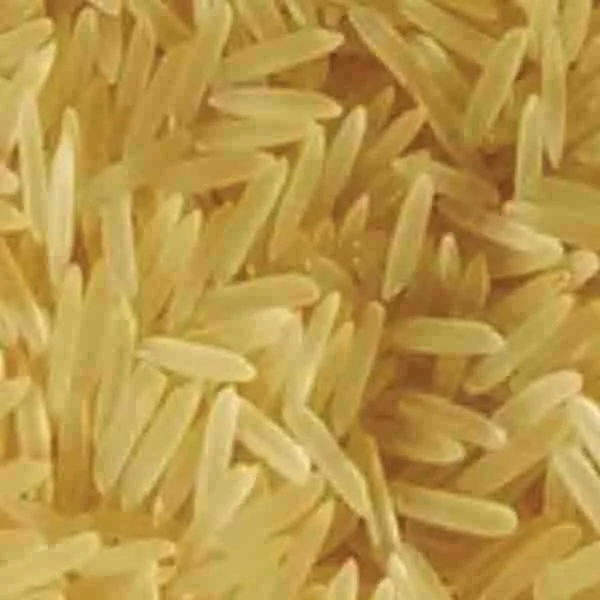
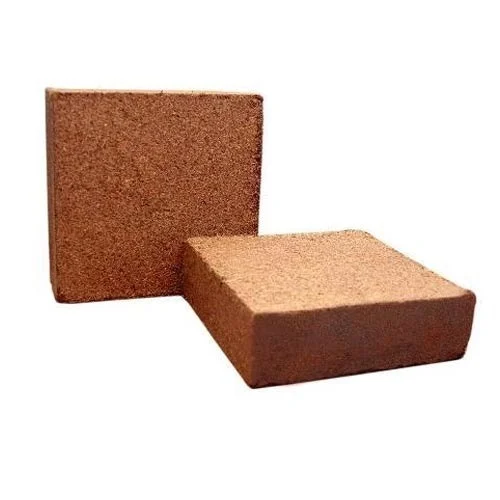
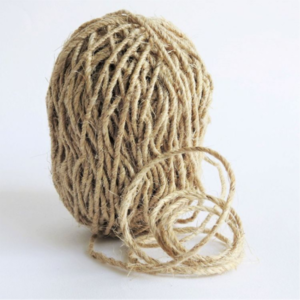
The listed categories cover major Indian export commodities. Spices and Masala blends are typically ground or whole, while Coir fibre is supplied in raw bundles. Non‑basmati rice is a long‑grain variety distinct from aromatic basmati types, and Coconut copra refers to the dried kernel used for oil extraction. Buyers can expect standard bulk packaging such as 25 kg polypropylene bags for rice and copra, and 1 ton bales for coir fibre. The supplier’s imported tier status indicates it sources these goods for resale rather than manufacturing them.
Product Range and Specialties of Basha International
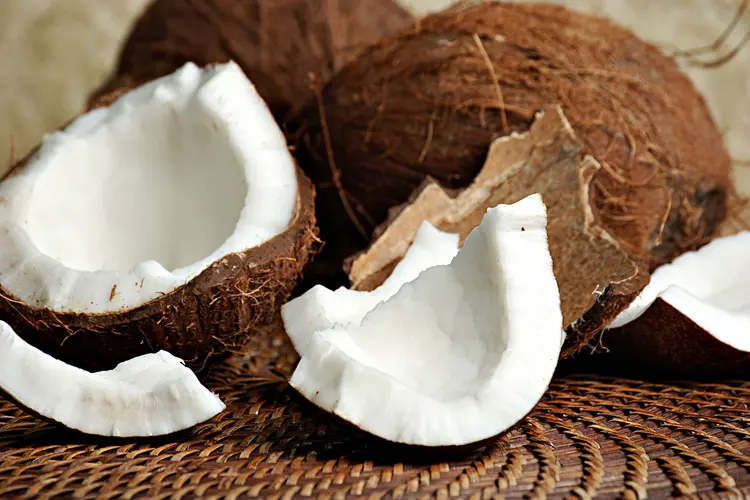
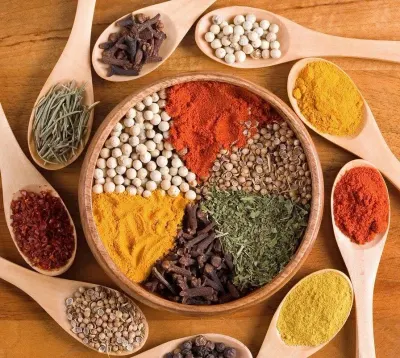
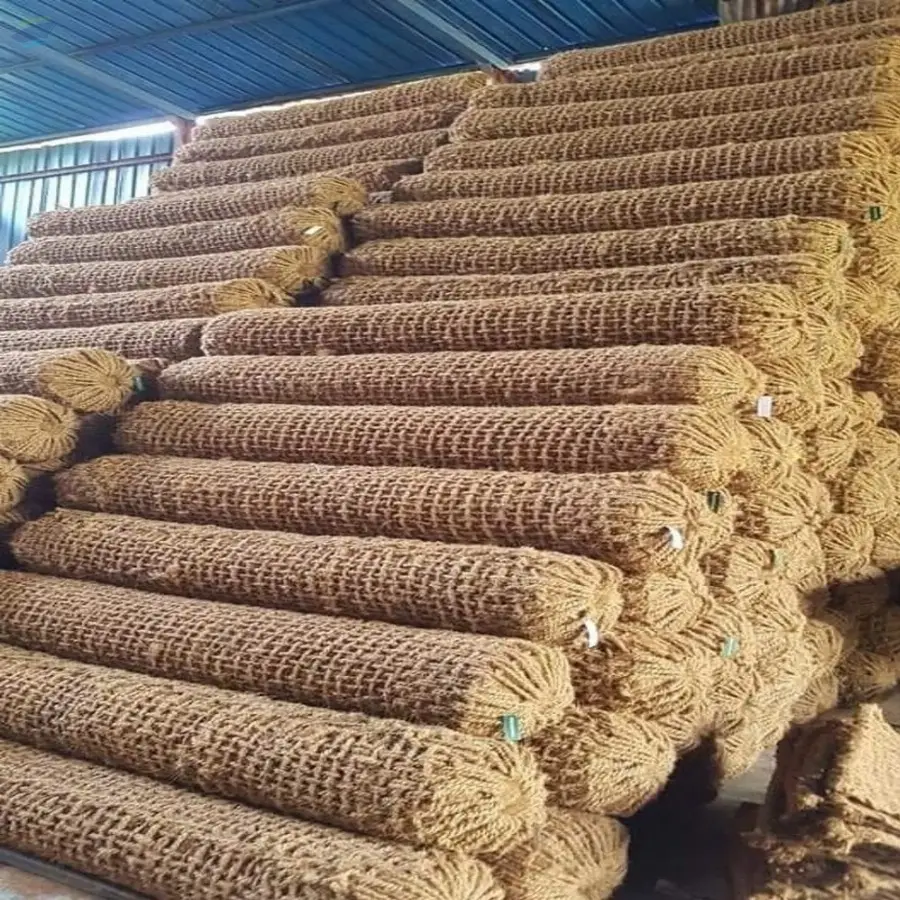
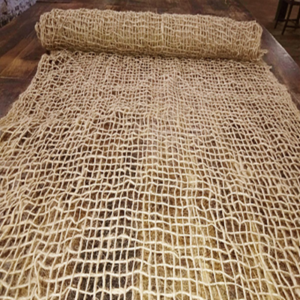
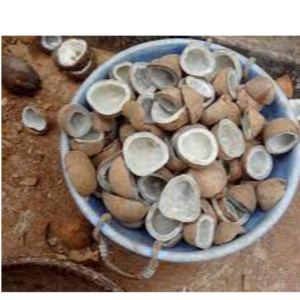
The catalogue shows five product groups: Spices, Masala products, Coir fibre, Non‑basmati rice and Coconut copra. In the spice segment, buyers usually encounter grades defined by ISO 1105 for purity, moisture below 12 % and foreign matter limits of 0.2 %. Masala mixes are often blended to regional taste profiles and may be sold as whole or powdered blends in 5 kg or 25 kg bags. Coir fibre is exported as raw or semi‑processed strips, typically meeting the ASTM D 6400 standard for fibre length and tensile strength. Non‑basmati rice exported from India is generally classified as long‑grain rice with moisture content around 13‑14 % and broken grain limits under 5 %. Coconut copra is usually dried to a moisture level of 6‑8 % and shipped in 25 kg bags or 1 ton bulk bags for oil extraction processes.
Trade and Export Information - Basha International
Indian exporters of spices, rice, coir and coconut products mainly serve markets in the Middle East, Europe, North America and Southeast Asia. Buyers in these regions commonly require certifications such as ISO 9001, ISO 22000, HACCP and, where applicable, organic or fair‑trade verification. Standard shipping terms are FOB Indian port with container loads of 20 ft (approximately 20 tons of rice or copra) or 40 ft (up to 40 tons). Packaging follows international norms: polypropylene bags for grains, woven polypropylene bulk bags for coir, and sealed cartons for spice powders. Export inspections often reference the Indian Export Inspection Council (EEIC) and may involve phytosanitary certificates for coir and coconut products.
Sourcing from Basha International - Buyer Guidance
When sourcing from Basha International, buyers should request a product specification sheet that details moisture content, foreign matter limits, grain size (for rice) and fibre dimensions (for coir). Samples of each product are typically provided in 1 kg or 5 kg quantities, allowing verification of aroma, colour and texture before larger orders. Buyers are advised to obtain copies of any existing ISO or HACCP certificates and to confirm that the supplier can arrange third‑party laboratory test reports for pesticide residues in spices and aflatoxin levels in rice. Verification of packaging integrity, such as bag weight tolerance and seal quality, helps reduce the risk of damage during transit.
Frequently Asked Questions About Basha International
What product categories does Basha International list in its catalogue?
The supplier lists five categories: Spices, Masala products, Coir fibre, Non‑basmati rice and Coconut copra.
How many distinct products are active in the supplier’s offering?
The catalogue shows five active product lines.
What packaging formats are typical for the listed goods?
Spices and Masala are usually packed in 5 kg or 25 kg polypropylene bags, rice and copra in 25 kg bags, and coir fibre in 1 ton woven bulk bags.
Which certifications should a buyer request for these Indian export commodities?
Buyers should request ISO 9001, ISO 22000 or HAC HACCP certificates, and where relevant organic or fair‑trade certificates, as well as phytosanitary certificates for coir and coconut products.
What are common quality parameters for Indian non‑basmati rice?
Typical specifications include moisture 13‑14 %, broken grain below 5 %, and foreign matter not exceeding 0.5 %.
What are the usual incoterms used for shipping these products?
Suppliers generally quote FOB Indian ports, allowing buyers to arrange freight under CIF or DAP as needed.
What sample sizes are practical for initial quality assessment?
Samples are commonly offered in 1 kg or 5 kg quantities for spices, masala blends, rice and copra, and a small bundle of coir fibre weighing about 10 kg.
Which global regions most frequently import these product types from India?
Key import markets include the Middle East, the European Union, the United States and Southeast Asian countries.




 , India