Jona Worldwide — Verified Manufacturer & Wholesale Supplier
About Jona Worldwide - Agricultural Products Supplier in India
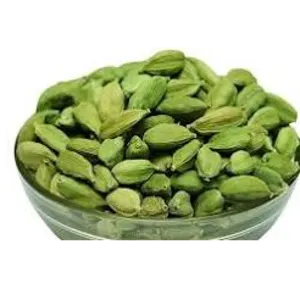
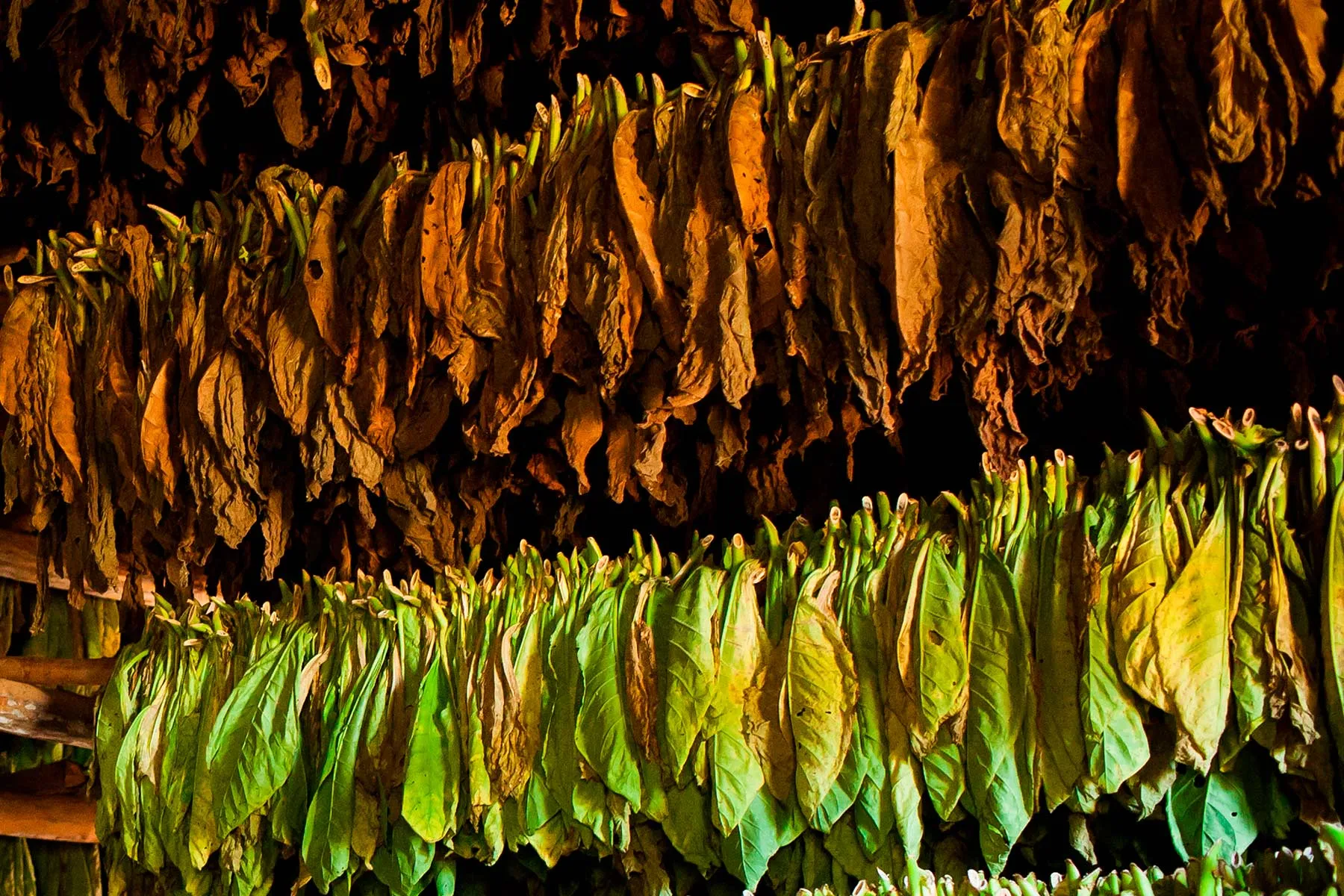
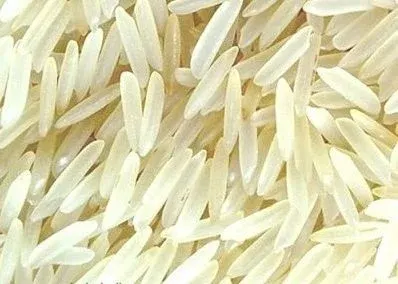
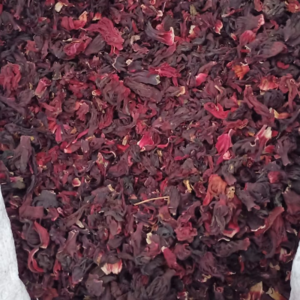
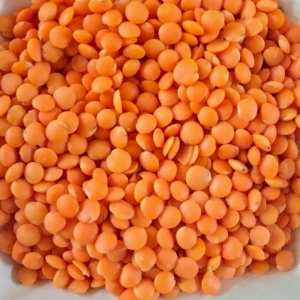
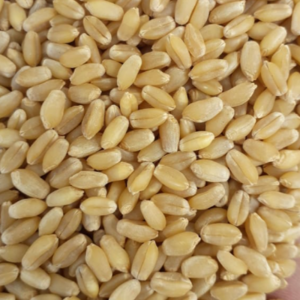
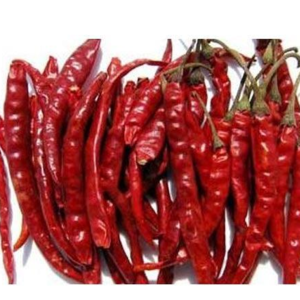
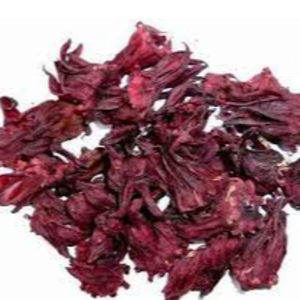
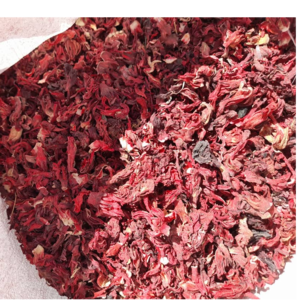
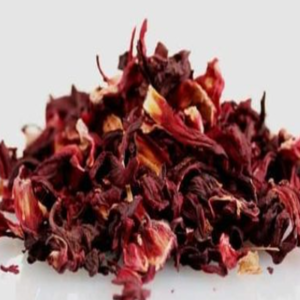
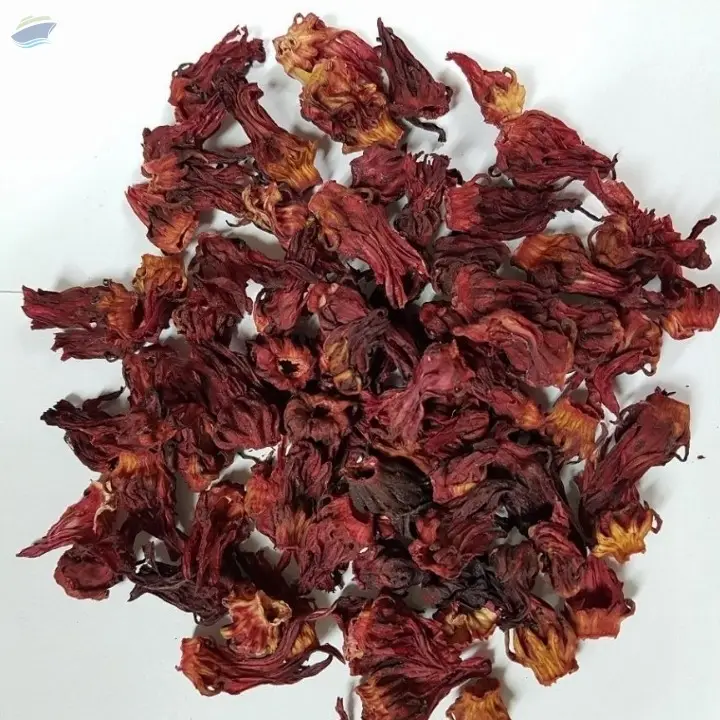
India hosts Jona Worldwide, an imported merchant exporter that currently lists 54 active agricultural products. The catalogue covers a broad spectrum that includes wheat grain (HS 1001.99, Chapter 10 cereals), hibiscus sabdariffa (HS 0910.99, Chapter 9 spices and aromatic plants), and red lentil (HS 0703.10, Chapter 7 vegetables). The supplier’s profile mentions spices, herbs, dry flowers, basmati and non‑basmati rice, milling wheat and green coffee beans, while the top‑category tags add other types of spices, dried flowers, dehydrated spices, green cardamom, processed food, moringa seeds and red chilli. Each entry follows the official HS coding where provided, indicating compliance with standard customs classification.
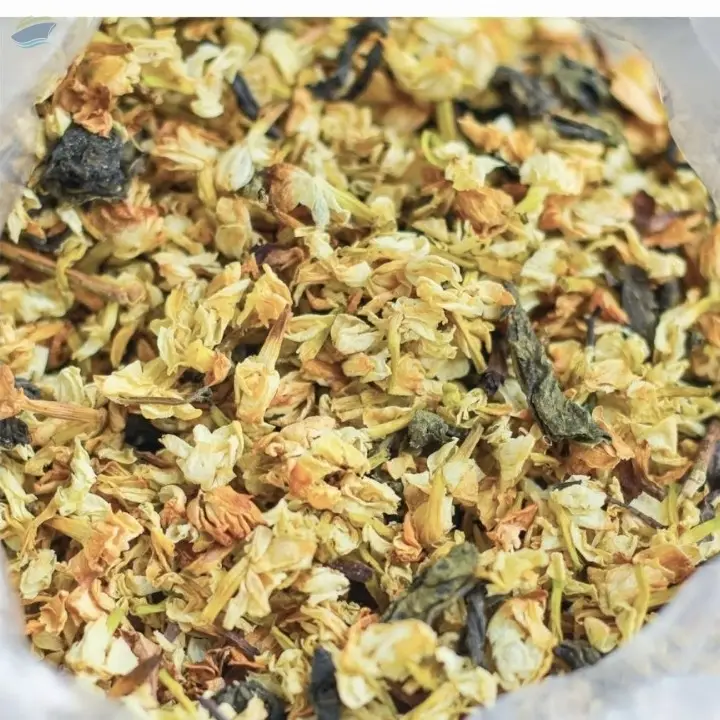
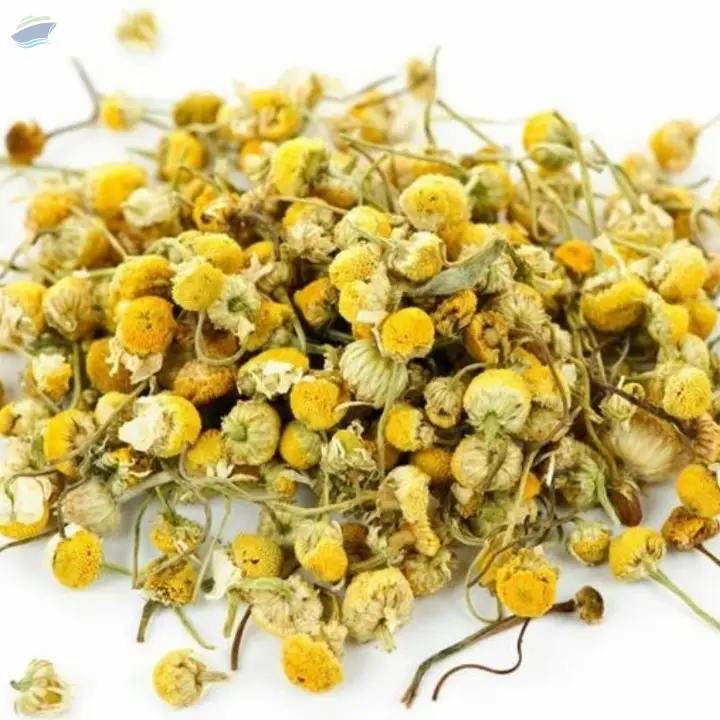
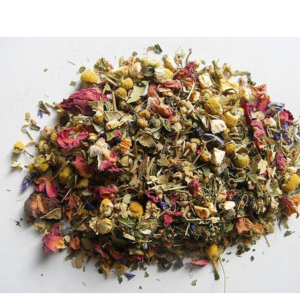
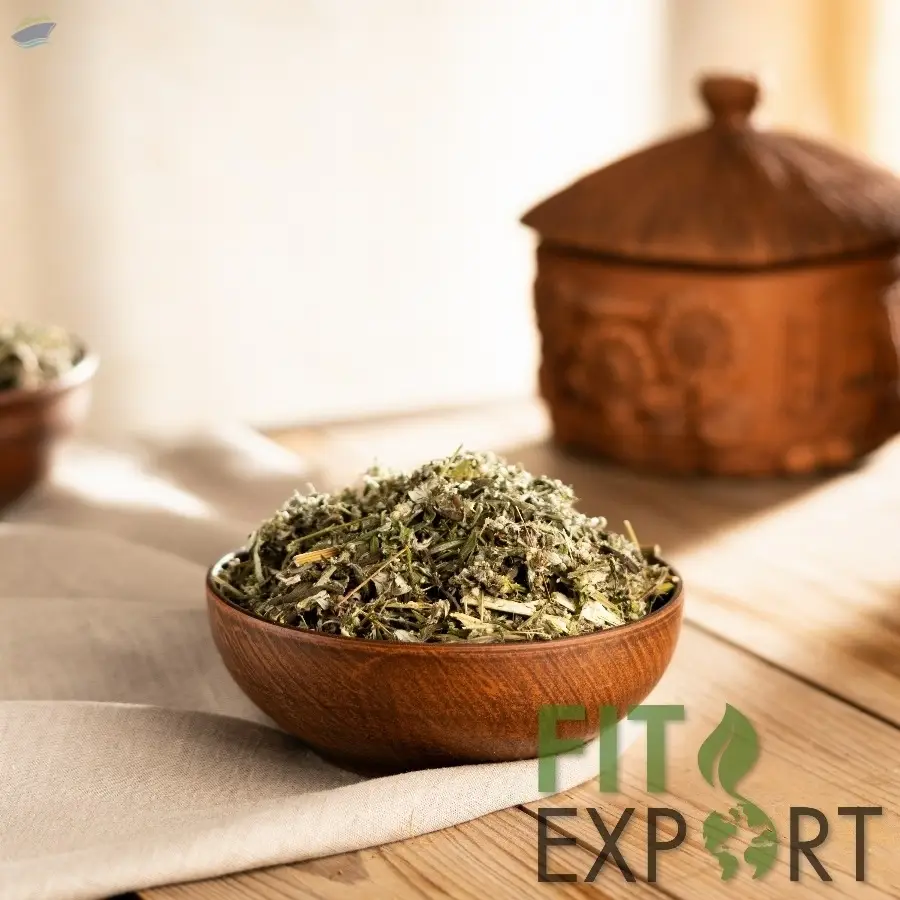
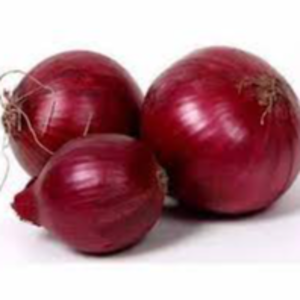
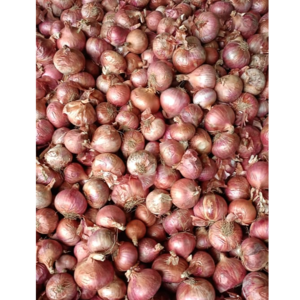
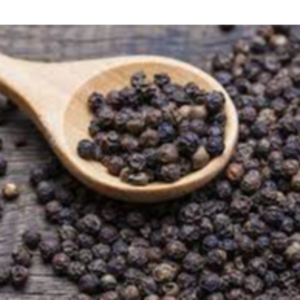
The product list further includes peanuts without shell, mace flowers, PKM1‑variety moringa seeds, asparagus recetas, dry moringa leaves, senna leaves, chamomile and jasmine dry flowers, yellow and orange marigold petals, cumin seeds, black cardamom, dry basil leaves (Ocimum sanctum), cloves, senna leaf powder, unhulled white sesame seeds, cinnamon bark, black chia seeds, dry rose petals, soap nuts, fresh ginger, green coffee beans, blue‑pea butterfly dry flowers, black pepper, fresh onions, blue cornflowers and shikakai powder. No additional certifications or company history are supplied, limiting the factual description to the product types and HS code families that are explicitly listed.
Product Range and Specialties of Jona Worldwide
The catalogue shows a focus on bulk food commodities and specialty botanicals. Wheat grain typically conforms to moisture levels of 12‑14 % and protein content of 10‑13 %, while Indian wheat is often packed in 25 kg polypropylene bags for export. Dried flowers such as hibiscus, chamomile, jasmine and marigold are usually dried to a moisture content below 10 % and graded by colour intensity and petal integrity. Spices like cumin, black cardamom, cloves and black pepper are commonly graded A, B or C based on size, oil content and foreign matter, with HS Chapter 9 codes covering the range. Green coffee beans are graded by size (15‑18 mm) and defect count, with a typical moisture ceiling of 12 % and often shipped in 60 kg jute sacks. Legumes such as red lentils fall under HS 0703 and are graded by size (3‑4 mm) and impurity level, with standard packaging in 25 kg or 50 kg bags.
Trade and Export Information - Jona Worldwide
Indian exporters of spices, cereals and botanicals primarily serve markets in the European Union, the United States, the Middle East and Southeast Asia. HS Chapter 9 (0901‑0910) for spices and dried flowers, Chapter 10 for wheat and other cereals, and Chapter 7 for lentils are the most frequently inspected tariff lines. Buyers usually require a phytosanitary certificate issued by the Indian Ministry of Agriculture, along with compliance to food‑safety standards such as ISO 22000, HACCP or FSSC 22000. Packaging for bulk grains and legumes is typically 25 kg polypropylene or jute bags, while dried flowers are often packed in food‑grade paper cartons or laminated pouches to protect colour and aroma. Standard logistics involve 20‑ft or 40‑ft containers on FOB or CIF terms, with moisture and temperature monitoring during transit to preserve quality.
Sourcing from Jona Worldwide - Buyer Guidance
When sourcing from Jona Worldwide, buyers should request the latest phytosanitary certificate and any available ISO 22000 or HACCP audit reports for the specific product. For spices and dried flowers, a pesticide residue analysis (e.g., WHO‑FAO limits) and moisture content test are standard verification documents. Grain and legume purchases benefit from a protein and moisture analysis report, while green coffee beans should be accompanied by a cup‑grade report and moisture test. Verifying these certificates and test results before order confirmation helps ensure regulatory compliance in the buyer’s destination market.
Frequently Asked Questions About Jona Worldwide
What types of agricultural products does Jona Worldwide list?
The supplier lists 54 items including wheat grain, red lentils, green coffee beans, a broad selection of dried flowers, multiple spice seeds, legumes, nuts and fresh produce such as ginger and onions.
Which HS codes are associated with the listed products?
Provided HS codes are 1001.99 for wheat grain, 0910.99 for hibiscus flowers and 0703.10 for red lentils. Other products fall under the standard HS chapters for cereals, spices, legumes and botanicals.
Does Jona Worldwide hold any food‑safety certifications?
No certifications are mentioned in the supplied data. Buyers should ask the supplier to furnish any ISO 22000, HACCP, FSSC 22000 or similar food‑safety audit reports that may exist.
How are the dried flowers typically packaged for export?
Dried flowers are usually packed in food‑grade paper cartons or laminated pouches that limit moisture ingress and protect colour, often with a maximum moisture content below 10 %.
What quality parameters are common for Indian spices like black pepper or cumin?
Spice quality is graded by size, oil content, foreign matter and moisture, with Grade A indicating the largest size, highest oil content and <8 % moisture. Export shipments normally include a certificate of analysis covering these parameters.
What documentation should I request for green coffee beans?
For green coffee beans request a phytosanitary certificate, a moisture content report (≤12 %), a cup‑grade or size classification report (e.g., AA, 15‑18 mm) and any available ISO 22000 or HACCP documentation.
What are typical shipment sizes and container options?
Bulk commodities such as wheat, lentils or coffee are commonly loaded in 20‑ft or 40‑ft containers, with product packed in 25 kg or 60 kg bags. The container load factor depends on the product density and packaging.





 , India