Jjp Enterprice Inc — Verified Supplier
About Jjp Enterprice Inc - Corn Supplier in Canada
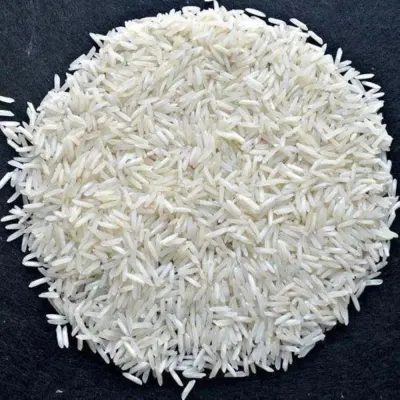
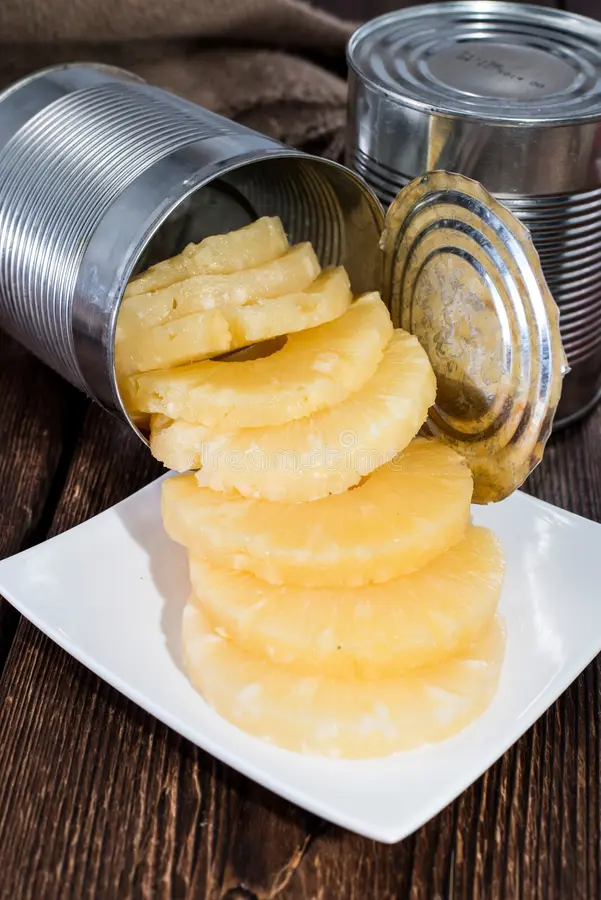
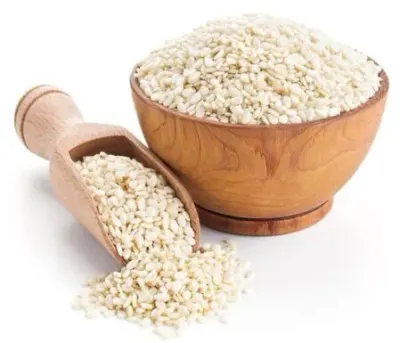
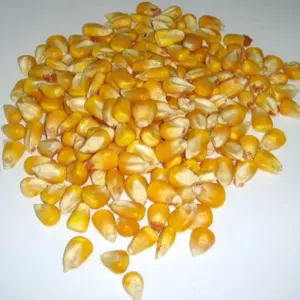
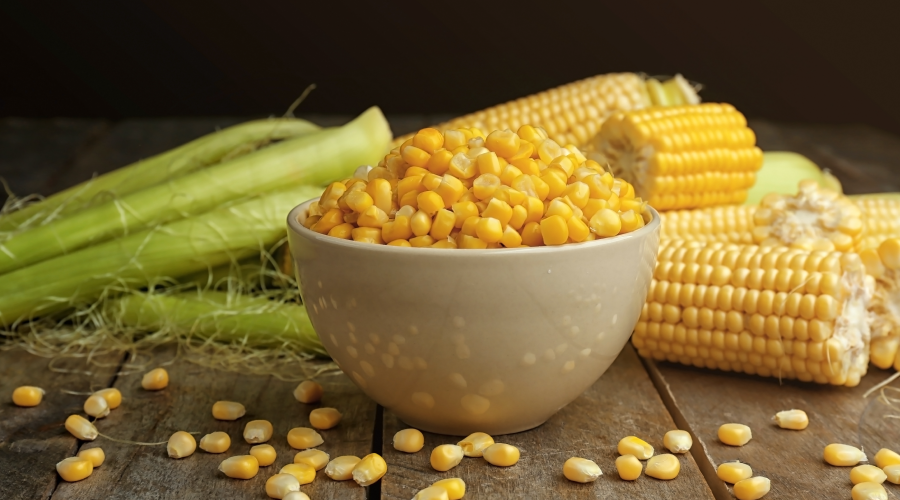
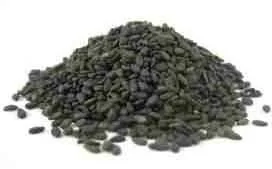
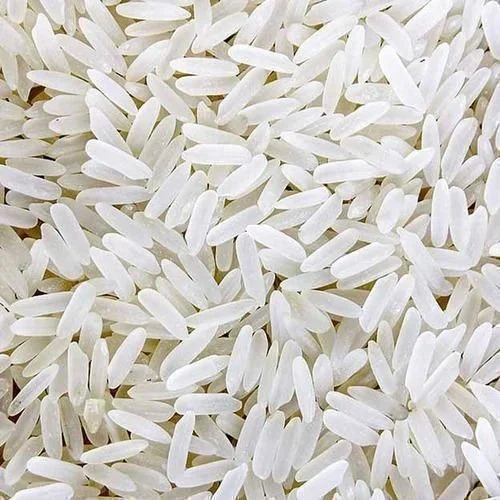
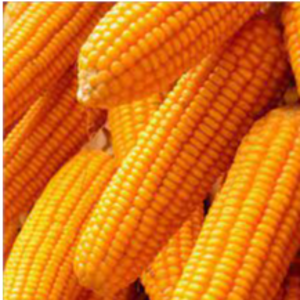
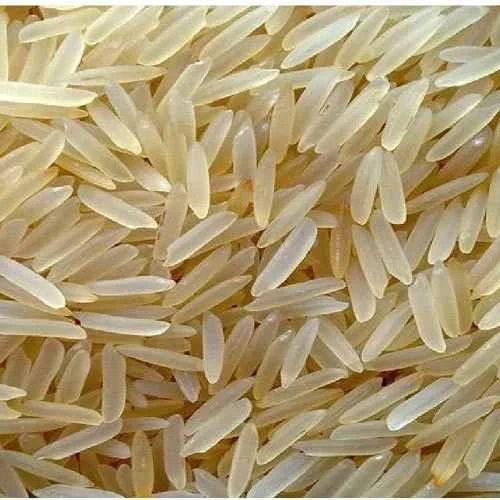
Based in Canada, Jjp Enterprice Inc lists six active products across its catalogue. The portfolio includes Regenified Certified American Yellow Corn, premium quality basmati rice packaged in 10 lb bags, Canadian Iron Mills Scale, raw sesame seeds, Thai pineapple cans, and premium quality jasmine rice. Each item is grouped under the broader categories of Corn, Food Raw Material, Iron Ore, Sesame Seeds, Canned Food and Food Products as indicated in the supplier’s top‑category list. The catalogue does not provide additional technical data such as grain moisture or ore assay values, focusing instead on the commodity names and basic descriptions.
The six listed products reflect a mix of agricultural grains, oilseed, a mineral commodity and a processed food item. The corn entry is described as “regenified certified,” the rice entries are identified by variety (basmati and jasmine) and packaging size, while the iron ore is noted as “mill scale.” Sesame seeds and canned pineapple are presented without further processing details. No quantitative specifications such as protein content, grain length, or metal grade are supplied in the source facts.
Product Range and Specialties of Jjp Enterprice Inc
The catalogue’s product set covers major global commodities. In the grain segment, American yellow corn typically meets US No. 2 or No. 3 specifications, with moisture limits around 13 % and test weights above 56 kg / hL. Basmati and jasmine rice are usually graded as Premium or Export‑Grade, featuring grain length of 6.5 - 7.5 mm for basmati and a moisture content of 12 - 14 %. Iron mills scale is a by‑product of steel processing, commonly consisting of Fe₂O₃ and Fe₃O₄ phases and used as a raw material in cement or steelmaking. Sesame seeds exported from Canada often have hull percentages below 5 % and moisture under 6 %. Canned Thai pineapple is typically packed in BPA‑free tinplate cans with a net weight of 400 g to 1 kg per unit and complies with food‑contact regulations.
Trade and Export Information - Jjp Enterprice Inc
Canadian exporters of yellow corn generally target the United States, Mexico and Caribbean markets, where the HS chapter 10 grain codes apply and importers often require phytosanitary certificates and grain analysis reports. Iron mills scale from Canada is supplied to steel producers in the United States and Europe, with buyers typically requesting assay certificates and material safety data sheets. Premium basmati and jasmine rice from Canada are shipped to Middle‑East, North‑African and South‑Asian buyers, who commonly request origin certificates, moisture and impurity analyses, and compliance with food safety standards such as HACCP. Sesame seeds find demand in Asian confectionery and oil‑pressing sectors, where importers look for aflatoxin test results and clean‑seed certifications. Canned pineapple from Thailand, when sourced through Canadian distributors, is exported to North‑American and EU retail chains, requiring compliance with canned‑food labeling rules and metal detection reports. Standard Incoterms used include FOB or CIF, with container loads ranging from 20‑foot (≈18 t) to 40‑foot (≈35 t) depending on product packaging.
Sourcing from Jjp Enterprice Inc - Buyer Guidance
When evaluating Jjp Enterprice Inc’s corn offering, buyers should request the latest grain analysis report, including moisture, protein and mycotoxin levels, as well as the Regenified certification document. For the rice varieties, buyers normally ask for a certificate of analysis showing grain length, moisture content, and a pest‑free statement, together with a HACCP compliance declaration. Iron mills scale shipments should be accompanied by an assay certificate detailing Fe₂O₃ content and any impurity limits, plus a safety data sheet. Sesame seed purchases normally require a recent aflatoxin test report and a clean‑seed certification confirming hull and moisture specifications. Canned pineapple orders benefit from a product specification sheet stating net weight, can material, and compliance with the destination country’s food‑contact regulations. In all cases, requesting a sample batch and confirming the supplier’s ability to provide the required documentation before finalising a contract is standard practice.
Frequently Asked Questions About Jjp Enterprice Inc
Which grain varieties are offered and how are they packaged?
Basmati rice is supplied in 10 lb bags, while jasmine rice is listed as premium quality without a specified pack size. Both are identified by variety rather than detailed technical grades.
What documentation should a buyer request for the corn product?
Buyers should ask for the latest grain analysis report covering moisture, protein and mycotoxin levels, together with the Regenified certification that the supplier references.
Are there typical quality tests for the sesame seeds?
Importers usually require a recent aflatoxin test result and a clean‑seed certificate confirming hull percentage below 5 % and moisture under 6 %.
What certifications are commonly required for the canned pineapple?
Canned fruit typically needs a compliance statement with the destination country’s food‑contact regulations, a metal‑detection report and a label conformity declaration; buyers should verify that these are provided.
What standard shipping terms are used for these products?
Export transactions commonly use FOB or CIF terms, with container loads of 20‑foot (≈18 t) or 40‑foot (≈35 t) depending on the product’s packaging and volume.
What material analysis is expected for the iron mills scale?
A material safety data sheet and an assay certificate indicating the percentage of Fe₂O₃ and any impurity limits are standard requirements for iron mills scale shipments.




 , Canada