Jiaozuo Mengxin Special Steel Co., Ltd — Supplier
About Jiaozuo Mengxin Special Steel Co., Ltd - Automobile Gears, Shafts & Clutches Supplier in China
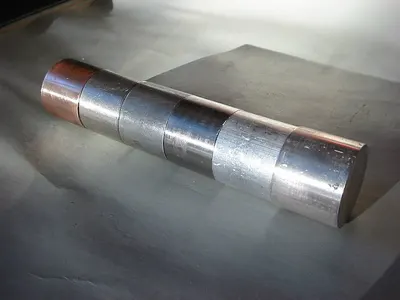
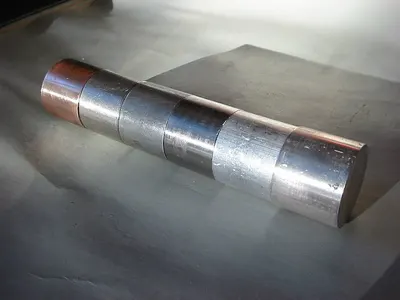
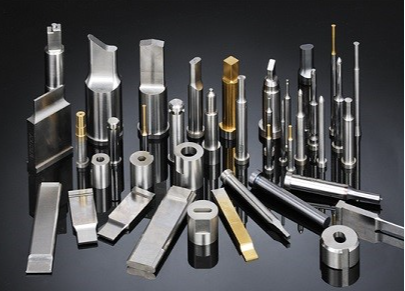
China, specifically the Jiaozuo region, hosts Jiaozuo Mengxin Special Steel Co., Ltd, which currently lists ten distinct products in its catalogue. The supplier groups its offerings under the categories Automobile Gears, Shafts & Clutches, Metal Castings & Forgings, Steel Casting and Cold Rolled Coils. Its catalogue includes items such as mandrel bars, ATMP, HEDP, DTPMPA and several shaft‑type components. Each entry is linked to a material class ranging from alloy and heat‑treated carbon steel to forged steel and cold‑rolled steel. The product list reflects a focus on precision‑engineered steel parts used in mechanical transmission and casting applications.
Among the ten items, the Main shaft and Eccentric shaft are classified under HS code 8483.40 and are supplied in alloy or forged steel grades. Mill rolls fall under HS code 8455.30 and are offered in forged steel or cast iron depending on the required hardness. Tie steel is recorded with HS code 7302.90 and uses carbon or low‑alloy steel equivalents such as Q235B/SS400. The Integral blade stabilizer carries HS code 8207.19 and typically utilizes high‑strength alloy steel such as AISI 4145H. Finally, the Corrugated roll is listed under HS code 7209.18 and is made from cold‑rolled non‑alloy steel grades SPCC or SPCD. These HS classifications align with standard customs headings for automotive and industrial steel components.
Product Range and Specialties of Jiaozuo Mengxin Special Steel Co., Ltd
The catalogue’s mandrel bars, ATMP, HEDP and DTPMPA are standard raw‑material forms used in gear‑cutting and forging operations. In the automotive shaft segment, Main shafts and Eccentric shafts are commonly supplied in alloy steel grades such as 42CrMo4 or 34CrNiMo6, meeting hardness levels of 45‑55 HRC after heat treatment. Mill rolls for steel processing are often produced in forged steel grades 35CrMo or cast iron grades GGG40, with surface roughness Ra ≤ 0.8 µm for high‑precision finishing. Tie steel rods are typically fabricated from Q235B or equivalent low‑alloy steel, with tensile strength around 370 MPa. Integral blade stabilizers for high‑stress applications usually employ high‑strength alloy steels like AISI 4145H, delivering yield strengths above 800 MPa. Corrugated rolls made from cold‑rolled SPCC/SPCD grades are supplied with thickness tolerances of ±0.15 mm and surface flatness within 0.2 mm over a 2 m length.
Trade and Export Information - Jiaozuo Mengxin Special Steel Co., Ltd
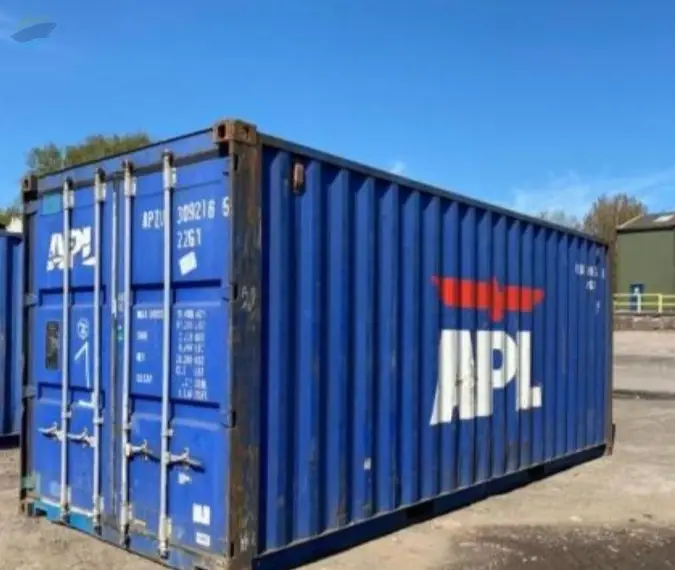
China is a major exporter of precision steel components, and products classified under HS 8483, 8455, 7302, 8207 and 7209 are routinely shipped to automotive manufacturers in Europe, North America and Southeast Asia. Buyers of automobile shafts and gears often require compliance with ISO 9001 quality management and the automotive‑specific IATF 16949 standard, while casting and forging suppliers are commonly audited against ISO 14001 environmental management. Standard packaging includes wooden crates or steel pallets with moisture‑resistant liners, and bulk shipments are typically arranged in 20‑ft or 40‑ft containers under CIF or FOB terms. Chinese export regulations mandate phytosanitary and customs declarations aligned with the HS codes, and inspections by the China Inspection and Quarantine (CIQ) agency are standard for high‑value steel parts.
The primary markets for the listed steel products include OEMs in the automotive sector, heavy‑equipment manufacturers, and metal‑forming firms. HS code 8483.40 items such as shafts are subject to anti‑dumping duties in certain jurisdictions, so buyers often request a Certificate of Origin. For mill rolls and cast‑iron components (HS 8455.30, 7209.18) buyers may request a Material Test Report confirming chemical composition and hardness. Shipping weight per unit varies from 150 kg for a single tie steel bar to up to 2 t for a set of mill rolls, influencing container loading plans. Exporters from China typically work with freight forwarders experienced in handling steel cargo to ensure compliance with ISPM 15 wood‑packing regulations.
Sourcing from Jiaozuo Mengxin Special Steel Co., Ltd - Buyer Guidance
Prospective buyers should obtain a Material Test Report that details chemical composition, tensile strength and heat‑treatment condition for alloy‑steel shafts and mill rolls. Requesting a third‑party inspection certificate, such as a CIQ or SGS report, helps verify that the products meet the HS‑specific standards and any applicable anti‑corrosion coating thickness.
Samples of mandrel bars or tie steel can be ordered in standard lengths (e.g., 1 m) to assess dimensional tolerance and surface finish before committing to full production. Confirm the supplier’s ability to provide certifications like ISO 9001 or IATF 16949, and verify whether they can issue a Certificate of Origin for customs clearance. Typical minimum order quantities range from a single custom‑machined shaft (approximately 150 kg) to bulk packs of cold‑rolled coils, with lead times of 30‑45 days for heat‑treated alloy parts.
Frequently Asked Questions About Jiaozuo Mengxin Special Steel Co., Ltd
What HS codes are used for the Main shaft and Eccentric shaft?
Both the Main shaft and the Eccentric shaft are classified under HS code 8483.40, covering other transmission shafts and parts. This code is used globally for automotive and industrial gear components.
Which material grades are typical for the Integral blade stabilizer?
The Integral blade stabilizer is typically manufactured from high‑strength alloy steel such as AISI 4145H. The material provides a yield strength above 800 MPa and a post‑heat‑treatment hardness of 48‑52 HRC.
How are mill rolls packaged for export?
Mill rolls (HS 8455.30) are packed in reinforced wooden crates with internal bracing to protect against impact. The crates are wrapped in moisture‑resistant film and placed on steel pallets for sea freight.
What certifications should a buyer request for the steel casting products?
For steel casting products, buyers should request an ISO 9001 or IATF 16949 quality management certificate. A Material Test Report confirming chemical composition and hardness is also standard. In some jurisdictions a CIQ inspection certificate may be required for customs clearance.
What is the typical lead time for heat‑treated alloy steel shafts?
Heat‑treated alloy steel shafts typically have a lead time of 30‑45 days from order confirmation. This period includes forging, machining, and the required heat‑treatment cycle.
Are there minimum order quantities for tie steel?
Tie steel (HS 7302.90) is usually sold in batches starting at one metric ton. Smaller quantities can be arranged, though they may incur additional setup costs.
Which markets commonly import the corrugated roll?
Corrugated rolls (HS 7209.18) are commonly exported from China to metal‑forming plants in Europe, the United States and Japan. These rolls are used in sheet‑metal processing lines that require precise thickness and surface flatness.




 , China