Jiangsu Sanqi Cable & Wire Co., Ltd. — Supplier
About Jiangsu Sanqi Cable & Wire Co., Ltd. - Wires & Cables Supplier in China
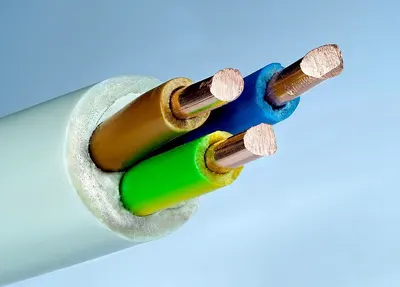
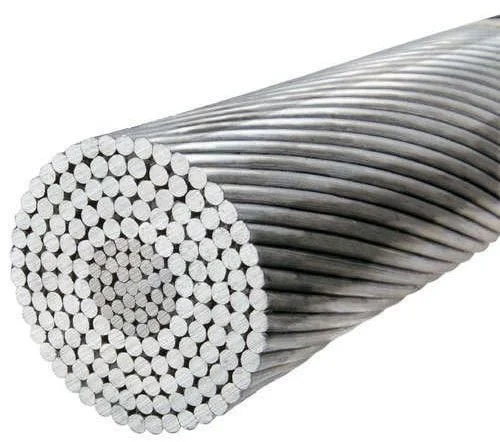
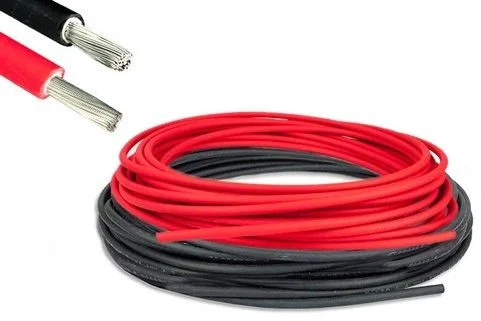
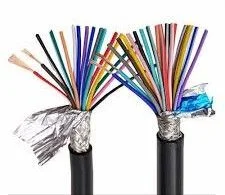
China, specifically Jiangsu province, hosts Jiangsu Sanqi Cable & Wire Co., Ltd., which currently lists 22 distinct products across its catalogue. The catalogue spans wires and cables, cable assemblies, electric conductors, computer cables, and aluminium rods. Product entries include Flexible An Portable Cord (UL), Rubber Cable (IEC), Covered Line Wire (ASTM), PVC Insulated Wire, Control Cable, Mining Cable, Computer Cable, various high‑voltage conductors such as PV Wire 2 kV and RWU90 1 kV, and aluminium products like NS75 (90) Overhead (CSA) with HS code 7614.90, Aluminium Rod with HS code 7604.29, and Bi‑Metal Lug with HS code 8536.90. The listed HS codes correspond to Chapter 76 (Aluminium and articles thereof) and Chapter 85 (Electrical machinery, equipment).
The product names reference several international standards: UL and CSA for safety certification, IEC for international electrotechnical compliance, and ASTM for material specifications. Voltage ratings in the catalogue reach up to 2 kV for DLO cable for wind turbines and 2 kV diesel locomotive cable, indicating suitability for medium‑voltage applications. Conductors are offered in copper‑based and aluminium‑based forms, including ACSR (Aluminium Conductor Steel Reinforced) and AAC (All‑Aluminium Conductor). Aluminium alloy variants cover series 1350, 5000, 6000, and 8000, matching common alloy designations used in power transmission. The mix of flexible cords, control cables, and specialty mining cables reflects typical product segmentation within the wire and cable industry.
Product Range and Specialties of Jiangsu Sanqi Cable & Wire Co., Ltd.
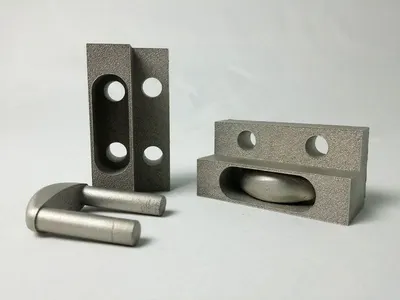
Jiangsu Sanqi’s catalogue includes flexible cords certified to UL, rubber‑sheathed IEC cables, and ASTM‑specified covered line wires, which are standard formats for industrial and residential wiring. Medium‑voltage DLO and locomotive cables are commonly supplied in 2 kV ratings, with insulation types such as PVC and cross‑linked polyethylene, and may be shipped on 20‑ft or 40‑ft reels. Aluminium conductors listed under ACSR and AAC are typical for overhead line applications, with strand configurations ranging from 7/19 to 19/7 and tensile strengths around 150 MPa. Aluminium rods, classified under HS 7604.29, are produced in alloy series 1350 (high conductivity) and 5000‑8000 series (strength‑focused), often supplied in lengths of 6 m to 12 m per piece. Bi‑Metal Lugs combine a 99.5 % aluminium barrel with a 99.9 % copper palm, a material combination frequently required for high‑current terminations in power distribution.
Trade and Export Information - Jiangsu Sanqi Cable & Wire Co., Ltd.
China remains a leading exporter of electrical conductors, with shipments of copper and aluminium cables directed to Southeast Asia, the Middle East, Africa, and Europe. HS chapter 76 items such as aluminium alloy conductors (7614.90) and aluminium rods (7604.29) are subject to customs inspections for alloy composition and heat‑treatment certificates. Electrical accessories like Bi‑Metal Lugs (HS 8536.90) typically require conformity declarations to IEC 60228 and, where applicable, UL or CSA listing. Buyers usually request documentation on tensile strength, conductivity (e.g., 61 % IACS for aluminium 1350), and coating thickness for steel‑reinforced conductors. Standard Incoterms for these goods are FOB or CIF, with packaging in wooden crates or steel drums to protect against mechanical damage during sea freight.
Sourcing from Jiangsu Sanqi Cable & Wire Co., Ltd. - Buyer Guidance
Potential buyers should obtain the supplier’s test reports confirming compliance with UL, IEC, CSA, or ASTM standards referenced in each product listing. For high‑voltage cables, verify voltage rating, insulation thickness, and fire‑retardant properties, and request a certificate of conformity and material test sheet showing alloy composition for ACSR or AAC. Aluminium rod purchases benefit from requesting a mill test certificate detailing alloy series, tensile strength, and dimensional tolerances. When ordering Bi‑Metal Lugs, ask for a joint resistance test report and confirmation of the aluminium and copper purity levels. Clarify packaging dimensions, coil weight, and whether the supplier can accommodate container loading plans such as 20‑ft or 40‑ft containers.
Frequently Asked Questions About Jiangsu Sanqi Cable & Wire Co., Ltd.
What standards do the cables comply with?
The catalogue lists cables that meet UL, IEC, CSA, and ASTM specifications, which are the common safety and performance standards required for industrial and residential wiring.
Which voltage ratings are available for the high‑voltage cables?
Products such as the 2 kV DLO cable, 2 kV diesel locomotive cable, and PV Wire 2 kV are rated for up to 2 kilovolts, suitable for medium‑voltage power distribution and wind‑turbine applications.
What materials are used for the aluminium conductors and rods?
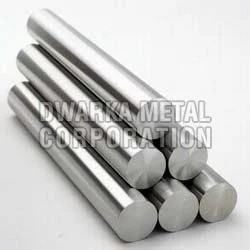
Aluminium conductors are offered as ACSR and AAC types using alloy series 1350‑H19, while aluminium rods are supplied in series 1350, 5000, 6000, and 8000, all classified under HS 7604.29.
How are the Bi‑Metal Lugs constructed?
The lugs feature an aluminium barrel with a minimum purity of 99.5 % aluminium and a copper palm with at least 99.9 % copper, classified under HS 8536.90.
What packaging formats are typical for the cables and rods?
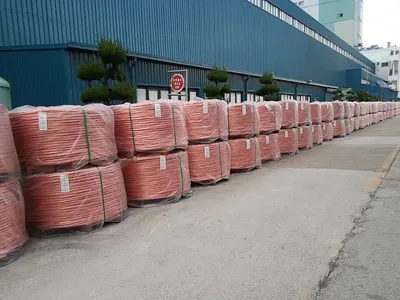
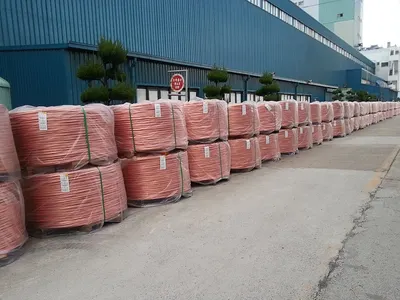
Cables are usually coiled on wooden crates or steel drums sized for 20‑ft or 40‑ft containers, while aluminium rods are packed in bundles with protective wrapping to prevent surface damage.
Which HS codes apply to the listed aluminium products?
The aluminium alloy overhead conductor (NS75) uses HS 7614.90, aluminium rods use HS 7604.29, and the Bi‑Metal Lug falls under HS 8536.90.
What documentation should be requested before purchase?
Buyers should ask for test reports or certificates of conformity for the relevant standards (UL, IEC, CSA, ASTM), mill test certificates for aluminium alloys, and inspection reports confirming dimensions and mechanical properties.




 , China