Jia Exim — Verified Supplier
About Jia Exim - Spices Supplier in India
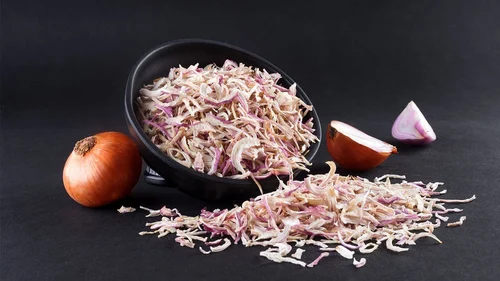
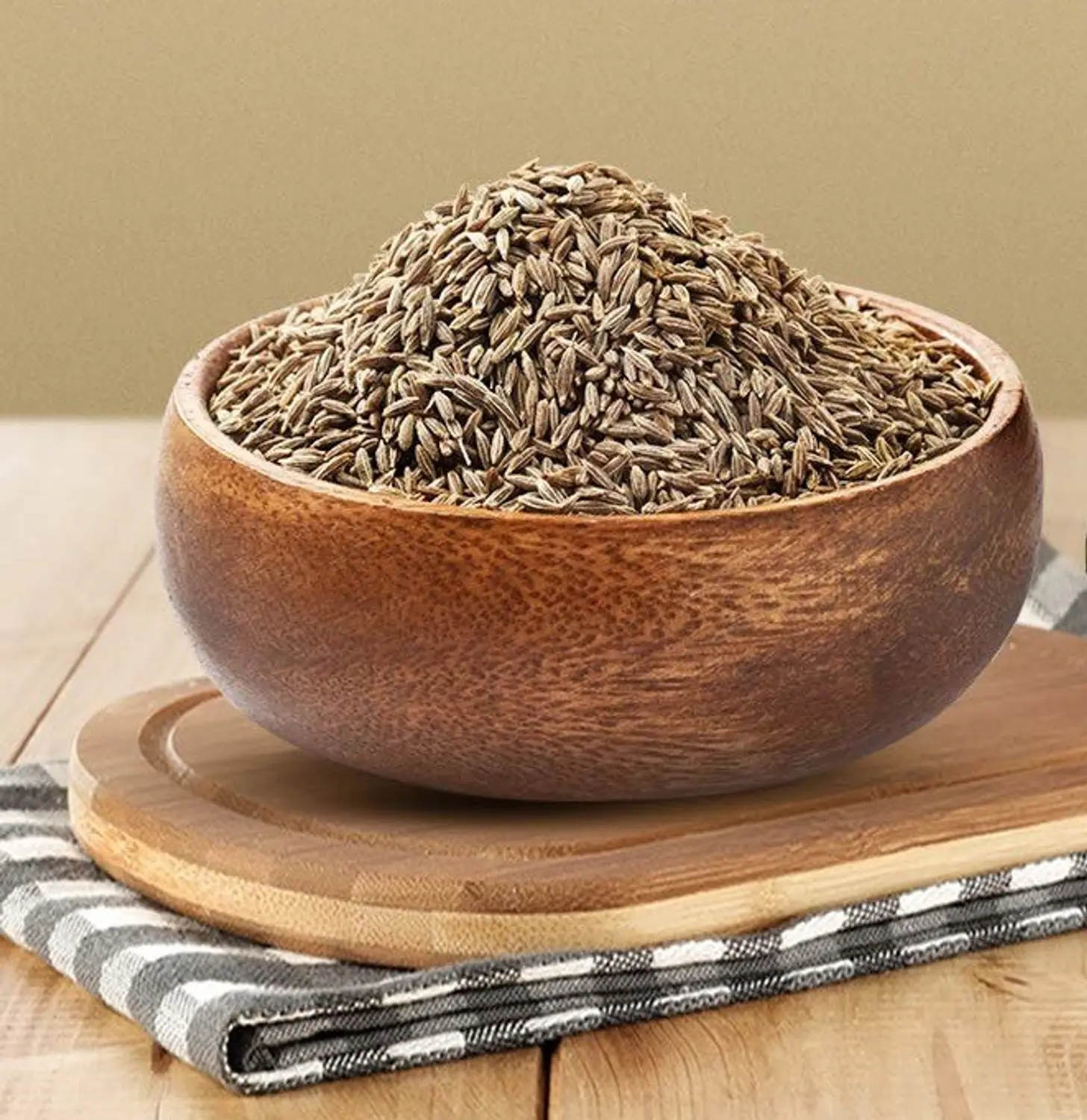
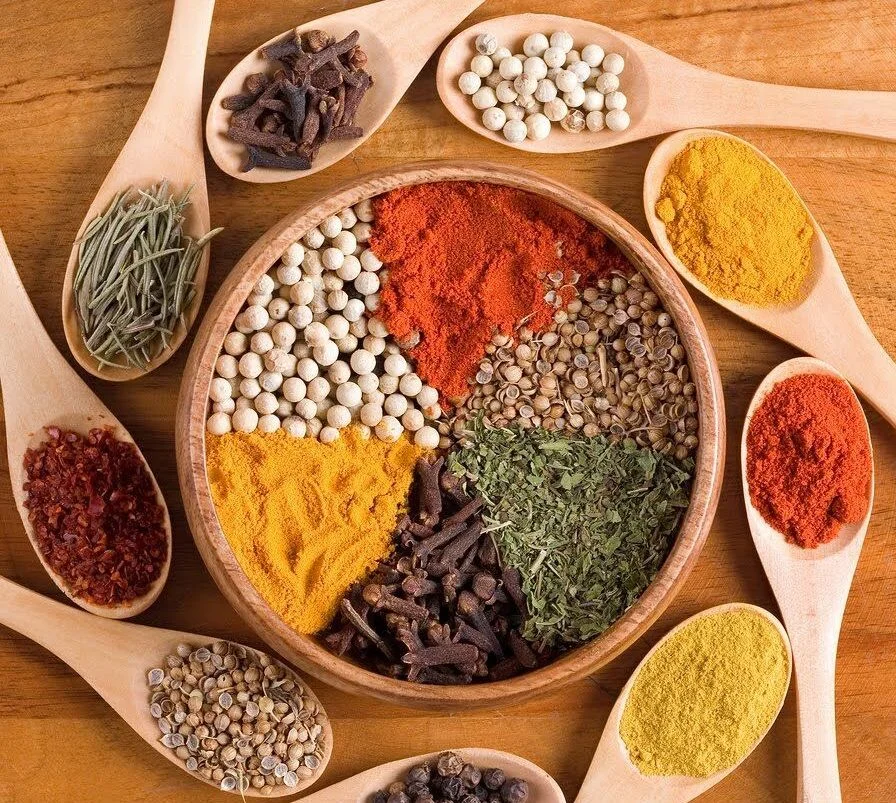
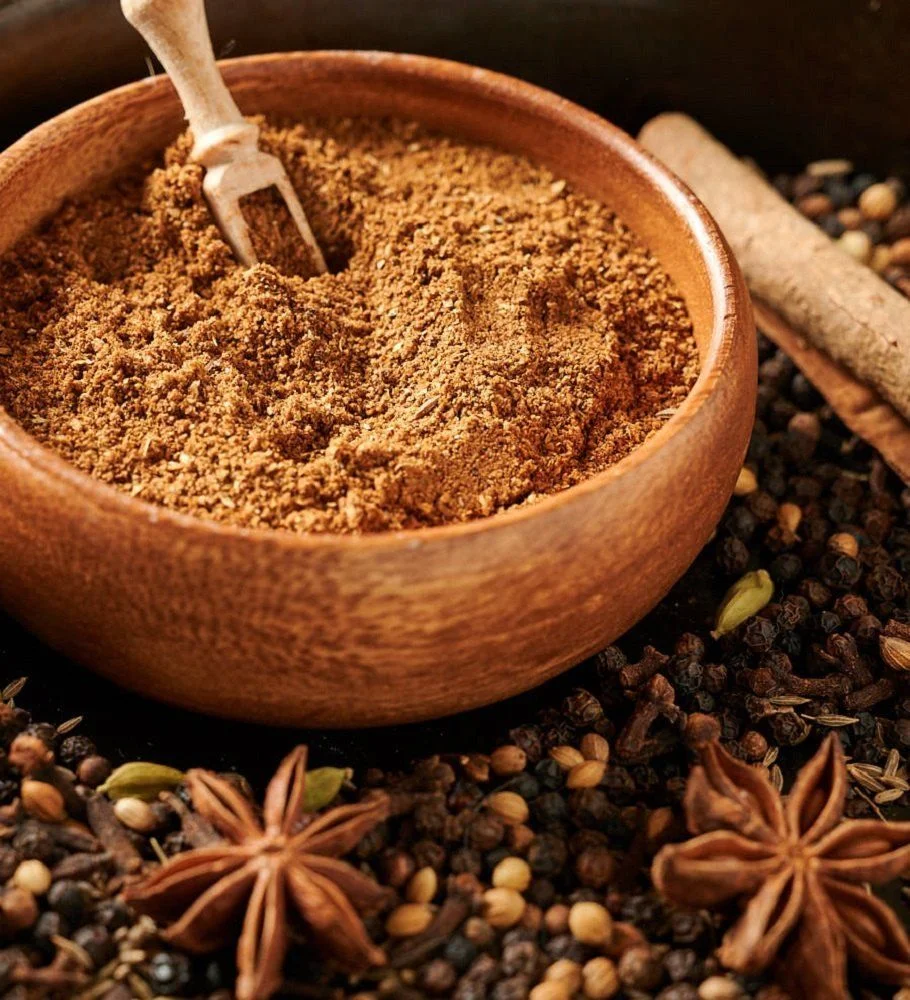
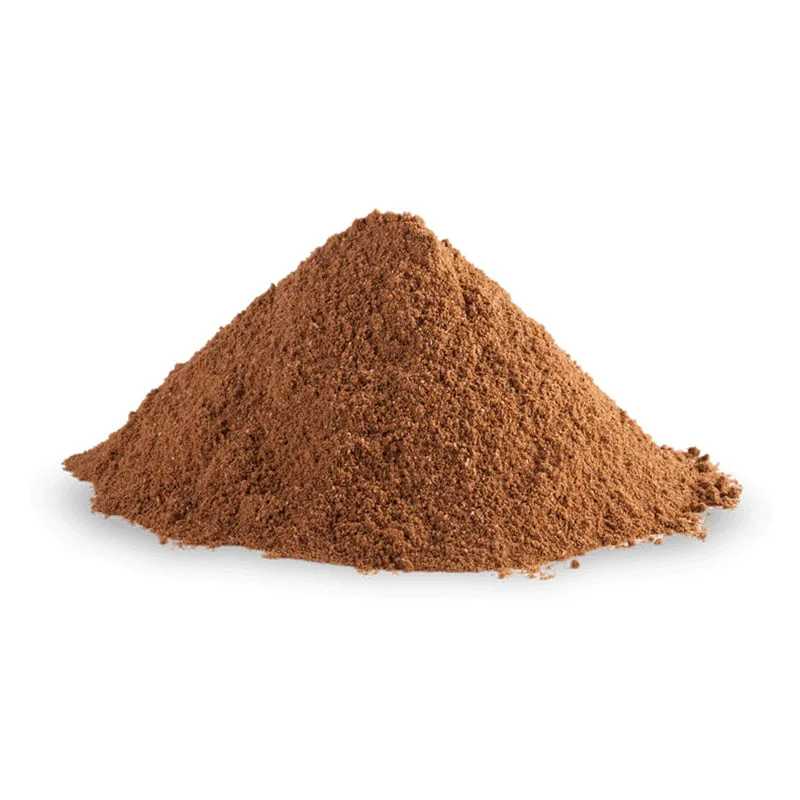
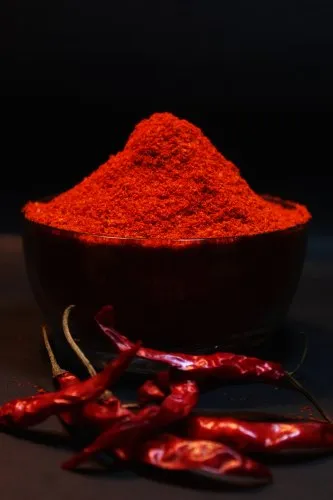
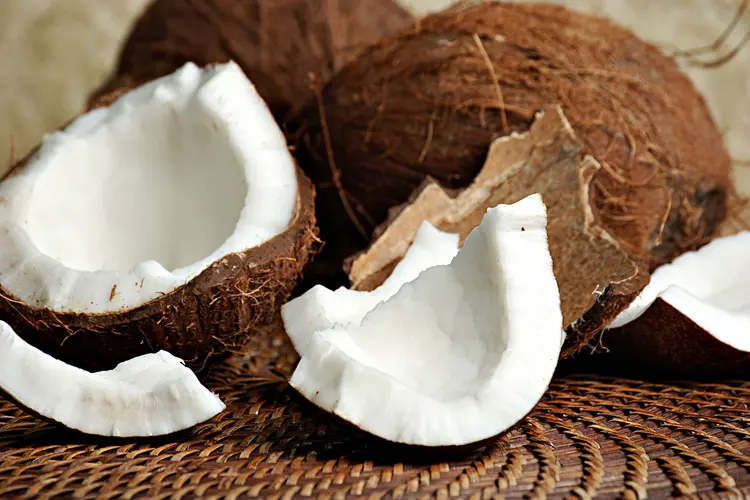
India is the source country for Jia Exim, which lists 23 active products covering a spectrum of spices, seeds, nuts, dried fruit, cereals and oilseeds. The catalogue includes sesame seeds, fennel, raisins, peanuts, cinnamon/cassia (HS 0906.19), rice, desiccated coconut, coffee beans, black pepper, ajwain seeds, whole spices and powders, cumin, dehydrated onion and garlic, millet, dill, turmeric, fenugreek, psyllium husk, chili, cardamom, coriander, mustard and soybean meal. These items are grouped under the declared top categories such as Spices, Sesame Seeds, Fennel Seeds, Raisins, Peanuts, Black Cardamom, Rice and Desiccated Coconut. No specific certifications are mentioned in the supplied data.
The listed commodities follow typical Indian export packaging practices, with bulk spices often placed in 25 kg woven polypropylene bags and dried fruits or nuts in 20 kg or 25 kg jute or PP bags. Standard 20‑ft and 40‑ft containers are used for ocean freight, and shipments are normally prepared for FOB or CIF terms from major Indian ports.
Product Range and Specialties of Jia Exim
Jia Exim’s catalogue spans common Indian export commodities. Sesame seeds are offered in white or brown varieties, usually meeting 98 % purity and ≤5 % moisture; fennel seeds are supplied as whole seed with moisture ≤12 %; raisins are provided in sun‑dried or golden grades with moisture ≤15 %; peanuts are offered raw or roasted, typically 90 % kernel recovery and aflatoxin ≤15 ppb. The cinnamon/cassia entry (HS 0906.19) corresponds to Cassia bark or Ceylon cinnamon, generally containing 1‑3 % essential oil and moisture ≤12 %. Rice items include both Basmati and non‑Basmati types, commonly packed at ≤14 % moisture and ≤5 % broken grains, while desiccated coconut is supplied in grade A or B with moisture ≤3 %.
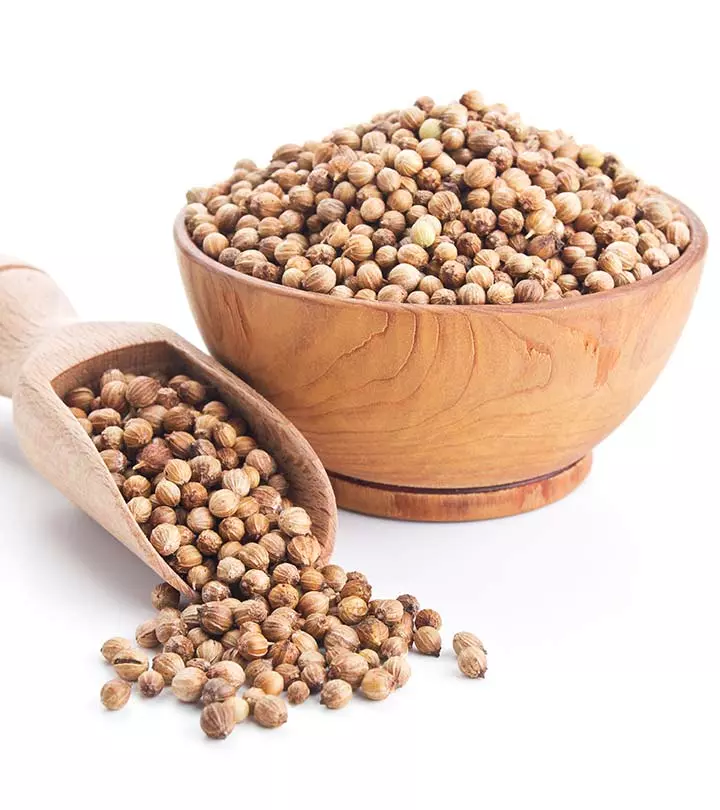
Additional items follow standard specifications: coffee beans (Arabica or Robusta) are graded by screen size and moisture ≤12 %; black pepper is expected to contain 10‑12 % essential oil and ≤13 % moisture; ajwain, cumin, coriander and mustard seeds typically have moisture ≤10‑12 % and high seed integrity. Millet, dill, turmeric, fenugreek and chili are sold in bulk with moisture limits around 12‑14 % and comply with common pesticide residue limits. Soybean meal is a high‑protein feed ingredient (44‑48 % protein) packed in bulk bags for industrial use.
Trade and Export Information - Jia Exim
India is a leading exporter of spices, nuts, dried fruit and cereal products, with major import destinations in the Middle East, Europe, the United States and Southeast Asia. Export shipments of the listed commodities fall under HS chapters 08 (cereals, pulses, nuts) and 09 (spices, aromatic vegetables, coffee), with the only explicit code being 0906.19 for cinnamon/cassia. Buyers typically require certifications such as ISO 9001, HACCP or FSSC 22000, a phytosanitary certificate, and where applicable organic or fair‑trade certificates. Export logistics usually involve FOB loading at ports like Mumbai, Kolkata or Chennai, containerisation in 20‑ft or 40‑ft units, and Incoterms FOB or CIF as agreed.
Regulatory expectations include compliance with EU pesticide residue limits, US FDA food safety standards and the Indian Export Inspection Council’s quality checks. Packaging must protect against moisture ingress; therefore, bulk spices are sealed in moisture‑barrier PP bags, and dried fruits are often double‑bagged with inner liners. Documentation normally comprises a commercial invoice, packing list, certificate of origin, phytosanitary certificate and a laboratory analysis report covering moisture, purity and residue levels.
Sourcing from Jia Exim - Buyer Guidance
When sourcing from Jia Exim, request a detailed product specification sheet that lists moisture content, purity, grade, and any pesticide or aflatoxin test results relevant to the commodity. Ask for a recent third‑party lab analysis and, if required by your market, certificates confirming ISO 9001, HACCP/FSSC 22000 or organic status before finalising the order. Verify the HS code for each item, confirm the packaging size (e.g., 25 kg PP bag for spices) and ensure the supplier can meet your preferred Incoterm and container loading plan.
Typical minimum order quantities are around 20 metric tonnes per commodity, with a lead time of 30‑45 days from order confirmation to shipment, depending on the product and required quality testing. Clarify sample availability - most exporters provide a 1 kg sealed sample with a material safety data sheet and a short analysis report - to assess organoleptic qualities before placing a bulk order.
Frequently Asked Questions About Jia Exim
What product categories does Jia Exim list in its catalogue?
Jia Exim lists 23 items including sesame seeds, fennel, raisins, peanuts, cinnamon/cassia (HS 0906.19), rice, desiccated coconut, coffee beans, black pepper, ajwain, cumin, dehydrated onion and garlic, millet, dill, turmeric, fenugreek, psyllium husk, chili, cardamom, coriander, mustard and soybean meal.
How can I request a sample of a listed commodity?
Buyers can ask the supplier to ship a 1 kg sealed sample in moisture‑controlled packaging; the sample is usually accompanied by a material safety data sheet and a brief laboratory analysis report.
Which certifications are commonly required for Indian spice and seed exports?
Importers often require ISO 9001, HACCP or FSSC 22000, a phytosanitary certificate, and, where applicable, organic or fair‑trade certificates; these should be confirmed with the supplier before ordering.
What are the usual packaging formats for the spices and nuts offered by Jia Exim?
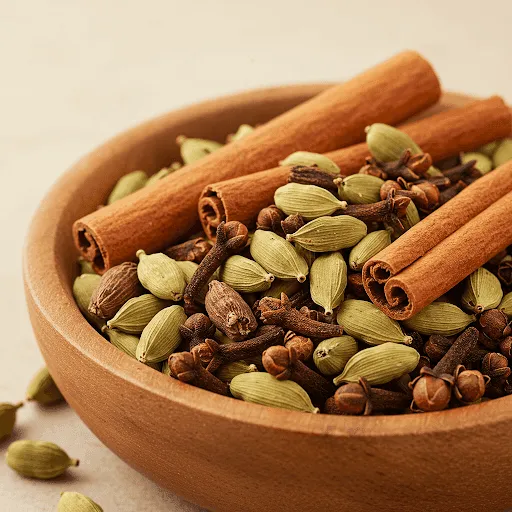
Bulk spices such as cinnamon, black pepper and cardamom are typically packed in 25 kg woven polypropylene bags, while dried fruits and nuts are commonly packed in 20 kg or 25 kg jute or PP bags, all loaded into standard 20‑ft or 40‑ft containers.
Which HS codes apply to the main products in the catalogue?
The only HS code provided is 0906.19 for cinnamon/cassia. Typical HS codes for related items are 0905 for pepper, 0805 for rice, 1207 for sesame seeds, 0801 for peanuts and 0806 for other cereals, but exact codes should be verified with the supplier.
What is the typical minimum order quantity and lead time for these commodities?
Most bulk commodities have a minimum order of roughly 20 metric tonnes, and the production and export preparation period usually requires 30‑45 days after order confirmation, depending on the specific product.
What documentation should I expect to receive with a shipment from Jia Exim?
Shipments are accompanied by a commercial invoice, packing list, certificate of origin, phytosanitary certificate and a laboratory analysis report covering moisture, purity and pesticide residues in line with the destination market’s regulations.




 , India